CONGRATS! YOU EARNED FREE SHIPPING.

Product Title
1
$0
$0
Subscription Title

Looking kind of empty in here.
We recommend:
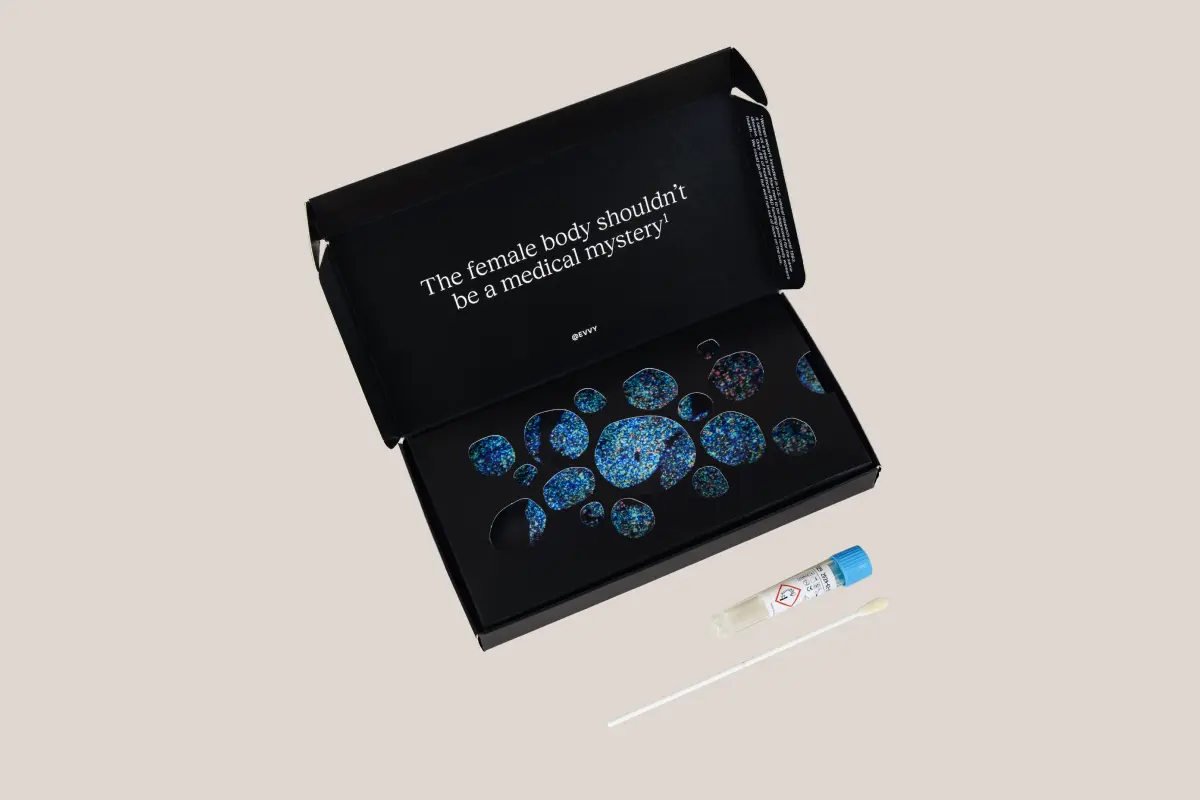
Get advanced insights into symptoms, fertility, and other health outcomes. Prelim results in 1-3 days.

Learn how estradiol and estrogen changes affect hair loss, what causes shedding, and the best treatments and habits to support healthy, fuller-looking hair.
Words by Olivia Cassano
Scientifically edited by Dr. Krystal Thomas-White, PhD
Medically reviewed by Dr. Kate McLean MD, MPH, FACOG
Estradiol is one of the main forms of estrogen, and it does a lot more than guide the menstrual cycle. Among its many jobs, it also affects how hair grows. Estradiol isn’t typically a direct cause of permanent hair loss, and in many cases, it can help support fuller, healthier hair. But because hair follicles are extremely sensitive to hormonal shifts, changes in estradiol levels can sometimes lead to temporary shedding. Which may leave you wondering, does estradiol cause hair loss?
Kind of, but not permanently, and not for everyone. You might notice hair loss on estradiol therapy, not because estradiol is ruining your follicles, but because the timing or pattern of your hormones is shifting. Transitions like postpartum changes, perimenopause, menopause, or adjusting hormone therapy often create abrupt drops or swings in estradiol. When that happens, follicles may move into a resting or shedding stage, which can look like sudden thinning.
Keep reading to learn how estradiol affects hair, why shedding may happen, and what you can do to support regrowth.
Hair grows in repeating cycles. Each strand moves through a long growth phase (anagen), a short transitional phase (catagen), and a shedding phase (telogen). Estradiol interacts with receptors in the hair follicle, and one of its major roles is helping prolong the growth phase. When follicles stay in anagen longer, hair tends to feel thicker, shed less, and look healthier overall.
This is why many people notice their hair looking fuller during times of naturally higher estrogen, like puberty or pregnancy. Meanwhile, lower estrogen states can shift more follicles into the resting phase, which can cause hair thinning and make hair more brittle.
Estradiol also helps support scalp hydration and local blood flow, both of which are important for delivering nutrients to follicles. Healthy scalp tissue makes it easier for new hairs to grow in strong and stay anchored.
Although estradiol is often helpful for hair, changes in estrogen levels can be tricky. Follicles respond not only to how much estradiol is present but also to whether levels are rising, falling, or fluctuating. This means that both high and low levels may influence shedding depending on your individual biology, age, and other hormones such as progesterone and androgens.
Estradiol supports the growth phase by helping hair remain in anagen longer and by encouraging the follicle to produce strong, healthy hair. It also influences the balance between growth and shedding by communicating with receptors in the follicles themselves. When levels are stable, many people experience steady, predictable hair growth.
But the hair growth cycle is delicate. In some people, high or rapidly changing estradiol levels can slow the transition from resting to growth, temporarily reducing the speed of regrowth. This effect is usually reversible and tends to resolve once levels stabilize.
Drops in estrogen during perimenopause, menopause, after childbirth, or after stopping hormone therapy are a common time for shedding to spike. When estradiol declines abruptly, more follicles shift into the resting stage at once. This process, often referred to as telogen effluvium, can cause noticeable shedding for several months. Permanent, gradual female-patterned hair loss is known as androgenetic alopecia.
Low estradiol states may also lead to dryness, changes in hair texture, and scalp discomfort. Many women notice that their hair becomes finer or more fragile around menopause for this reason. Although unsettling, these changes are often temporary and improve when hormone levels stabilize or are supported through therapy or lifestyle adjustments.
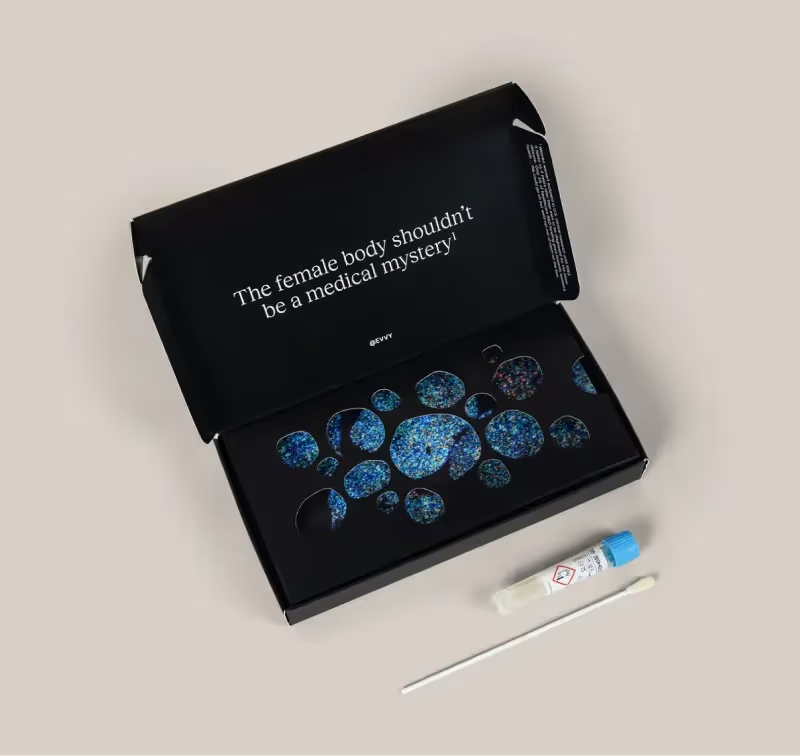
Recurrent symptoms? Get Evvy's at-home vaginal microbiome test, designed by leading OB-GYNs.
One of the most confusing parts of hair loss is that it can happen both when estradiol rises and when it falls. This doesn’t mean estrogen is “bad” for hair (far from it). Rather, it shows how sensitive hair follicles are to hormonal shifts of any kind.
Starting hormone replacement therapy (HRT), adjusting your dose, or switching between oral and transdermal formulations can temporarily change hair growth patterns. Some people beginning gender-affirming hormone therapy also notice increased shedding at first as their hair cycles adjust to the new hormone environment.
It’s also true that some hormone therapies, especially those containing certain synthetic progestins, list hair loss as a potential side effect. This doesn’t happen to everyone, but it highlights the idea that the overall hormonal mix matters more than estradiol alone.
When estradiol levels change quickly, hair follicles may “reset” their cycle. Follicles that were close to shedding may release sooner, and others may pause before restarting growth. This creates a wave of shedding that can last a few months.
This type of shedding:
Once your body adjusts to the new hormone environment, regrowth usually follows.
Even when the timing of hair loss overlaps with hormone changes, the underlying cause may not be hormonal at all. Conditions like iron deficiency, thyroid disease, autoimmune disorders, major stress, rapid weight loss, and certain medications can all trigger shedding. As we said, the hair growth cycle can be a fickle thing!
Genetics also plays a major role. Androgen-sensitive follicles (common in female pattern hair loss) may respond more strongly to changes in hormone ratios, especially if testosterone or dihydrotestosterone (DHT) levels are relatively high compared to estrogen.
Because so many factors affect hair, it’s important to treat shedding as a signal rather than a diagnosis. Getting the full picture helps ensure you choose the right treatment plan.
In many cases, yes, estradiol can help support regrowth, but the data is limited. In situations where estrogen is low, such as during menopause or after stopping certain medications, estradiol therapy can help restore balance. By correcting the deficiency, follicles may return to a longer growth phase with less shedding.
In gender-affirming hormone therapy for transgender women, estradiol combined with medication that lowers androgens often slows or even partially reverses androgenetic alopecia. While it may not fully regrow lost hair, many people see softening of the hairline, improved density, and reduced shedding.
However, estradiol isn’t a universal solution to hair loss. Its effects depend on the dose, the route of administration, individual sensitivity, and the balance of other hormones. Some people may experience temporary hair loss at the beginning of therapy, even if estradiol later supports regrowth.
Studies show that estrogen deficiency is linked to thinning and increased hair shedding. When estradiol is used to correct a low-estrogen state, many people see improvements in their hair’s density and texture. Estradiol appears to support follicular activity by prolonging the growth phase and maintaining healthier scalp tissue.
However, it’s also been noted that some people may experience hair shedding when using systemic estradiol therapy, especially at higher doses or if they’re more sensitive to hormonal changes. The good news is that these effects are usually temporary. Hair shedding often gets better once hormone levels stabilize or dosages are adjusted.
Overall, estradiol plays a supportive role in many people’s hair health, but its impact is highly individual.
Taking care of your hair is a journey that involves a few different factors. Even if you're on hormone therapy, your hair follicles still need some extra love and care to thrive. Be sure to include plenty of protein in your diet, keep your iron levels up, and don't forget those essential vitamins and minerals to help your hair regain its strength. Plus, good scalp hygiene, gentle styling, and steering clear of harsh treatments will create the perfect environment for new growth.
Regular check-ups are also important. They can help you keep an eye on thyroid levels, iron stores, and other hormones that might be influencing your hair health. When you pay attention to all these elements, you’ll likely see more consistent and noticeable hair growth over time.
There’s no single best treatment for hormonal hair loss, but there are many effective ways of managing hair loss, from hormonal and non-hormonal therapies to lifestyle changes.
Topical minoxidil is a popular choice for many people because it can really help kickstart hair follicles into their growth phase. If you're experiencing pattern thinning, some medications can also help by reducing the impact of androgens on your scalp.
For those dealing with low estrogen, especially around menopause, hormone therapy might be a great option to consider. Transdermal forms of estradiol, like patches or gels, tend to provide more stable hormone levels and can be gentler on your hair cycle.
Don’t forget that your lifestyle plays a big role too! Managing stress, eating well, and taking care of your scalp health can really help protect your hair follicles, especially during tough times.
Hormone replacement therapy that delivers steady estradiol levels tends to be most supportive for hair. Transdermal options like patches, gels, and creams provide consistent absorption and may create fewer hormonal swings. For some people, choosing more bio-identical forms of progesterone rather than certain synthetic progestins also helps minimize shedding, since some synthetic options are more likely to list hair loss as a side effect.
Ideal therapy varies from person to person, so working closely with a provider helps ensure your regimen supports both your symptoms and your hair health.
If hormone shifts aren’t the only factor, or if you prefer non-hormonal options, there are several ways to support your hair:
These approaches often work well alongside hormone replacement therapy.
Healthy hair depends heavily on the nutrients you eat. A balanced diet with adequate protein, iron, zinc, omega-3 fats, and vitamins like D and B12 is essential for strong strands. Skipping meals or eating too few calories can lead to increased shedding, especially during times of hormonal transition. Staying hydrated and eating consistently helps give your follicles the building blocks they need.
During hormonal changes, gentle care goes a long way. These practices won’t change how much or how quickly your hair actually grows, but they do influence the health of your scalp and the condition of each hair strand, which affects hair thickness, volume, shine, softness, and the likelihood of split ends. Avoid tight hairstyles, heavy heat, or chemical treatments that stress the hair shaft and weaken hair. Washing hair with a mild shampoo and a nourishing conditioner helps maintain a clean, balanced scalp without stripping moisture. Using satin pillowcases, avoiding harsh brushing, and getting regular trims all support healthier-looking hair by reducing friction and breakage, even though they don’t speed hair growth itself.
Hair loss and thinning hair can be really emotional. It’s not “just hair” — it can affect your confidence, how you show up in the world, and how you feel in your own body. At the same time, noticeable hair changes can sometimes be a sign that something deeper is going on, like a thyroid issue, low iron, or a hormonal imbalance, so it truly is worth getting checked out.
If shedding becomes persistent, severe, or sudden, or if you simply feel worried about what you’re seeing, it’s absolutely okay to reach out to a healthcare provider. Your doctor can look at your scalp health, review any recent hormone changes — like starting or stopping estradiol, adjusting hormone replacement therapy, or switching doses — and order blood tests to check for things like thyroid function, iron levels, and other hormones. Getting answers early can help prevent further thinning, support healthier regrowth, and give you back a sense of control.
Hair loss is a common side effect of menopause, and it often shows up alongside other menopausal symptoms, including changes in vaginal comfort, dryness, or irritation. These symptoms can feel overwhelming, especially when they happen all at once, but you don’t have to navigate them alone.
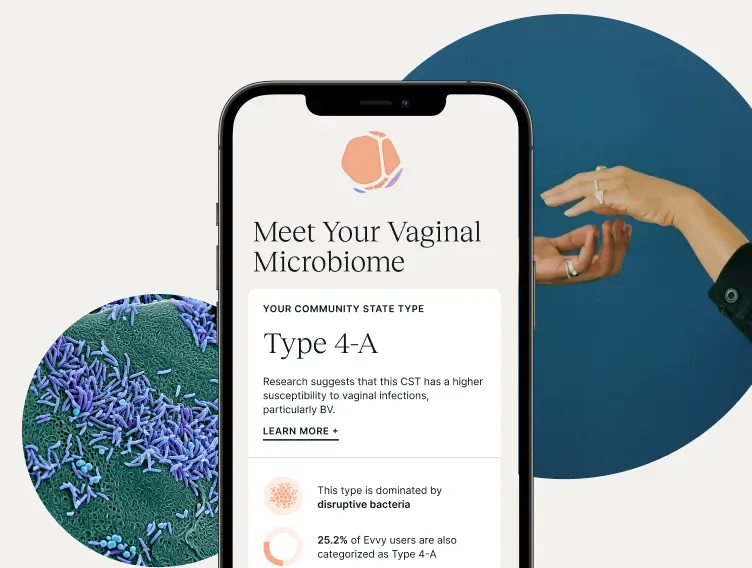
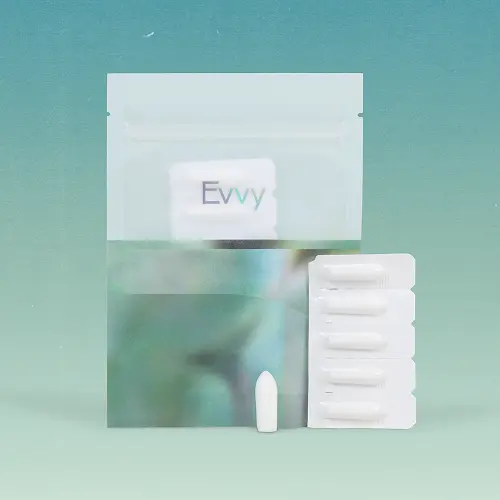
Evvy offers science-based tools to help you understand what’s happening in your body and support you with care that’s actually tailored to you. Our Vaginal Health Test can give you deeper insight into your vaginal microbiome, which often shifts during menopause just like your hair and skin do. And our Estradiol Vaginal Cream, Hyaluronic Acid Suppositories, and Soothing Vulva Cream are designed to help you stay comfortable and supported through the full range of menopausal changes.
Wherever you are in your menopause experience, Evvy is here to help you take the next step with confidence and clarity.
Stopping estrogen-related hair loss begins with understanding why it’s happening. If shedding started after beginning, stopping, or adjusting estradiol or HRT, the first step is to give your body time to stabilize, as HRT-related hair loss is usually temporary. A healthcare provider can review your hormone levels, thyroid health, iron stores, and medications to pinpoint what’s really driving the change. Adjusting your hormone regimen, supporting nutrition, and managing stress all help steady the hair growth cycle. Topical treatments like minoxidil can encourage growth, and sometimes anti-androgen therapy is recommended if androgen sensitivity plays a role. With the right approach, most hormone-related shedding is reversible.
For most people, yes, hair typically grows back once the body adjusts to the new hormone baseline. When estradiol levels drop after stopping therapy, follicles may shift into the shedding phase temporarily. This can last a few months, but it usually resolves as hormones stabilize. If shedding continues, the cause may be unrelated to estrogen, such as thyroid imbalance, iron deficiency, stress, genetics, or an underlying scalp condition. A healthcare provider can evaluate these factors and help create a plan that supports regrowth. Estradiol-related shedding is usually temporary, and with proper care, most people recover their hair density over time.
The best hormone replacement therapy for hair is one that delivers hormone levels as steadily as possible. Transdermal estradiol (patches, gels, or creams) often provides consistent absorption that’s gentler on the hair growth cycle. Some people also do better with micronized progesterone rather than certain synthetic progestins, since synthetic versions may list hair loss as a side effect. The ideal hormone replacement therapy depends on your biology, age, medical history, and goals. A provider can help tailor your regimen so it supports both symptom relief and hair health. Stability is key: steady hormone levels are usually kinder to your follicles than large hormonal swings.