CONGRATS! YOU EARNED FREE SHIPPING.

Product Title
1
$0
$0
Subscription Title

Looking kind of empty in here.
We recommend:
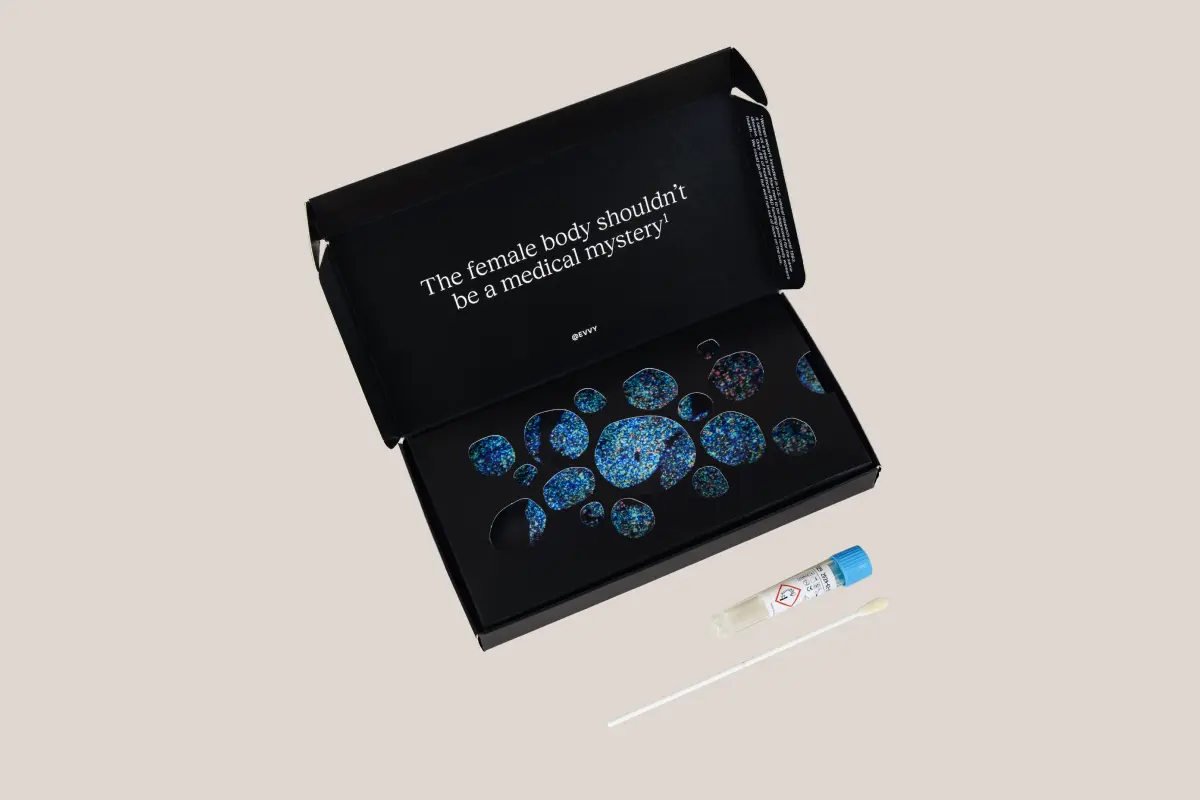
Get advanced insights into symptoms, fertility, and other health outcomes. Prelim results in 1-3 days.

STD test results vary by test type. Learn how long they typically take to come back, what affects timing, and when each STD becomes detectable.
Regular testing is a cornerstone of good sexual health — especially if you’re sexually active with new or multiple partners — and understanding how long test results typically take helps reduce stress during the waiting period.
Let’s walk through why types of tests exist, how long STD tests take to come back, and what affects turnaround time. And because waiting for test results can feel like an eternity, we’ll also talk about coping during that in-between period and how at-home options like Evvy can make the process easier.
Getting tested for sexually transmitted diseases (STDs) and sexually transmitted infections (STIs) regularly is super important for keeping yourself healthy and helping prevent the spread of infections. One tricky thing about STDs is that many don’t show noticeable symptoms, so you might feel completely fine while actually having an infection. That’s why getting screened is so vital. If STDs aren’t treated, they can lead to serious issues, like pelvic inflammatory disease (PID) or even fertility problems. But the good news is that these outcomes are often preventable with early detection.
By getting tested regularly and receiving your results quickly, you can take action sooner. Early treatment is usually simpler and more effective, plus it helps you avoid passing an infection to someone else. This sense of responsibility not only benefits your physical health but also supports your emotional well-being. It can reduce anxiety about the unknown and help you build healthier, stronger relationships.
Think of routine screening as just another part of routine health care, like going to the dentist or getting an annual check-up.
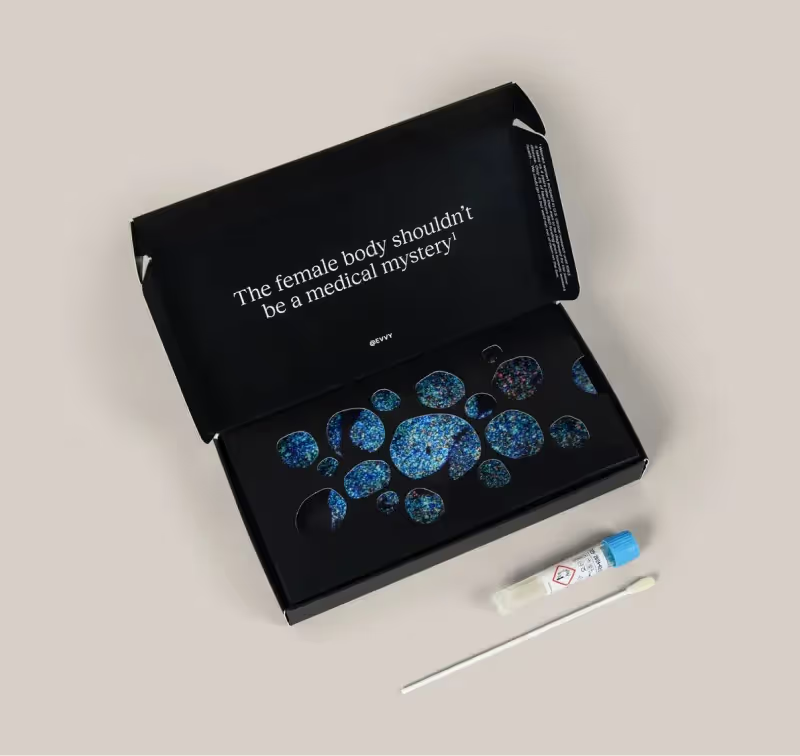
Recurrent symptoms? Get Evvy's at-home vaginal microbiome test, designed by leading OB-GYNs.
How long you’ll have to wait for your results depends on what STDs you're testing for, and therefore the type of test you take. Each test is designed to detect specific kinds of infections, and each requires different testing methods.
It’s natural to want your test results as soon as possible, but several factors determine how long you’ll actually have to wait. First off, the type of test you take plays a big role. Blood tests often need more detailed analysis, which can take a bit longer. On the other hand, urine tests or rapid tests usually move through the system a bit quicker, so you might get those results faster.
The lab itself is also a key player in how quickly you get your results. Some clinics have their own in-house labs that can process tests quickly, while others send samples to outside labs. When that happens, transportation and handling can add extra time. Plus, if an external lab is super busy, especially during peak times, it might take even longer to get your results. These factors are also influenced by where you live and what clinics are accessible to you.
Getting screened for several infections in one go can also affect timing. Each test may have its own processing time. Some clinics like to share results as they come in, while others wait until they have everything to send together, which can delay your final notification. Either system is normal, but it’s helpful to ask your provider what to expect so you’re not left wondering.
The complexity of the test is another factor to consider. For instance, confirmatory tests for things like HIV or herpes may need to be sent to specialized labs that have the necessary equipment, which can take a bit of time. Also, if a test involves culturing a sample, that’s going to take longer as the microorganisms need time to grow before they can be analyzed.
All these factors work together to influence how long it takes to get your results. Understanding what affects the turnaround time helps reduce any frustration you feel.
So, how long do STD tests take to come back? The answer depends largely on the type of test, but most results fall within a predictable range.
Blood tests generally take the longest, often between two days and a week. Tests for HIV, syphilis, and hepatitis tend to fall into this timeframe. Some specialized tests, particularly those for herpes, may take slightly longer depending on the lab’s workflow.
Urine tests for chlamydia and gonorrhea are typically processed within two to five days. These tests rely on molecular techniques that are generally faster and more automated than blood-based assays. Swab test results follow a similar timeline, especially when they rely on the same molecular methods.
Rapid tests offer nearly immediate results (often in less than 30 minutes), making them ideal for situations where quick answers are needed. These tests are not available for all STDs, but they can be very helpful for immediate screening or reassurance.
Knowing the expected timeline helps you prepare both emotionally and practically. Whether your results come quickly or take a few days, having a realistic sense of the timelines can make the process far less stressful.
The testing process itself is usually fast, straightforward, and designed to respect your comfort and privacy. Most appointments begin with a brief conversation with your provider about your sexual history, current symptoms (if any), and any concerns you might have. This discussion isn’t meant to be intrusive, although it’s understandable if you feel that way — it simply helps the provider select the most appropriate tests. As embarrassing as it might feel, try to be as honest as possible with your provider.
Next, you’ll provide the necessary samples. If a blood sample is needed, a phlebotomist will draw a small amount of blood from your arm. Urine tests require nothing more than a midstream urine sample (the pee-in-the-cup method), which is typically collected in the clinic bathroom. Swab tests may be done by a clinician during a pelvic exam, or in some cases, you may be able to collect the swab yourself, depending on the type of test and your comfort level.
Once the samples are collected, they’re sent to a lab for processing. You won’t have to do anything else at this point except wait for your results. Depending on the clinic, results may arrive through a secure portal, a phone call, or an email notification letting you know they’re ready to view. Most people receive their results within a few days to a week, which aligns with typical laboratory processing times.
The waiting period between taking an STD test and receiving your results can be emotionally challenging. Even if you’re confident you haven’t been exposed to anything, it’s completely normal to feel worried or impatient. Fortunately, there are several ways to make the waiting period more manageable.
One of the most effective strategies is to stay informed. Knowing the typical timelines for lab processing helps set realistic expectations. Instead of assuming something is wrong when results aren’t back after 24 hours, you’ll understand that a three- to five-day wait is perfectly normal for many common tests.
It can also help to avoid sexual contact while waiting for your results. Not only does this reduce the risk of potentially transmitting an infection, but it can also help you feel more in control during a time when emotions may be heightened.
Try to avoid over-Googling symptoms or obsessively checking online forums. While it’s tempting to search for reassurance, this often leads to increased anxiety. If you have questions, reaching out to a healthcare provider or trusted resource is far more reliable.
Finally, don’t hesitate to seek emotional support if you need it. Sharing your feelings with a trusted friend or partner can help lighten the emotional burden and reassure you that you’re not alone.
Evvy offers a modern, accessible, and deeply personalized approach to STI and vaginal health testing. Instead of scheduling clinic appointments, sitting in waiting rooms, or navigating confusing lab portals, you can manage your sexual and vaginal health from the comfort and privacy of your own home.
Evvy’s at-home Vaginal Health & STI Test is designed to give you clear answers about your vaginal health while also providing detailed insights into your vaginal microbiome. This holistic perspective is especially valuable because many vaginal symptoms — such as itching, odor, or discharge — can be caused by multiple underlying issues, not just STDs. By testing for both STIs and vaginal microbiome imbalances, Evvy helps you understand the full picture.
Taking the test is simple. After ordering your kit, it arrives discreetly at your door. Inside, you’ll find an easy-to-use vaginal swab with clear instructions. Collecting your sample takes only a few minutes, and once you’re done, you place the sample into the prepaid mailer and send it to Evvy’s CLIA-certified lab. You don’t have to worry about scheduling, transportation, or rushing to a clinic during your workday.
Evvy’s test screens for several common STIs, including:
At the same time, it analyzes the bacterial composition of your vaginal microbiome, offering valuable insights into conditions like bacterial vaginosis (BV) and yeast infections.
Most Evvy users get their results in just one to three business days from arrival at our lab. That’s pretty quick, especially compared to many clinic-based tests (and with the added bonus of being able to take the test from the comfort of your own home). When your results are ready, you can check them out through a secure online portal. You'll find a detailed analysis of your result with easy-to-understand explanations and personalized recommendations based on your results.
If your test shows that you need treatment, eligible users can access prescriptions right through Evvy, allowing you to go from testing to treatment smoothly and without the hassle of extra appointments or waiting for pharmacy consultations.
The speed of STD test results depends on the type of test you take and the lab processing the sample. Most urine and swab tests for infections like chlamydia and gonorrhea come back within two to five days. Blood tests for HIV, syphilis, and hepatitis often take a little longer, usually between two days and a week. Some clinics also offer rapid tests, especially for HIV or syphilis, which can provide results in just a few minutes. It’s completely normal for results to arrive at slightly different times, especially if you were tested for more than one infection. With Evvy’s at-home STI test, you will receive results within one to three days of your sample arriving at our lab.
Different STDs have different “window periods,” which is the amount of time after exposure before the infection becomes detectable by a test. This means that you can’t always get accurate results immediately after a possible exposure. For example, chlamydia and gonorrhea usually show up on tests within five to seven days after exposure. HIV can take anywhere from ten days to several weeks to become detectable, depending on the type of test being used. Syphilis may take three to six weeks, and viral infections like herpes can take even longer unless symptoms appear sooner.
Very few STDs reliably show up within just two days of exposure. Bacterial infections like chlamydia and gonorrhea typically need several days before they can be detected, and viral infections like HIV or herpes have longer window periods. The only exception is when someone is already showing symptoms, such as pain, discharge, or sores, in which case a clinician may be able to identify an infection quickly based on what they observe or through rapid point-of-care testing. However, when it comes to purely lab-based detection, most STDs do not show up in two days, and testing too early can lead to false-negative results.