CONGRATS! YOU EARNED FREE SHIPPING.

Product Title
1
$0
$0
Subscription Title

Looking kind of empty in here.
We recommend:
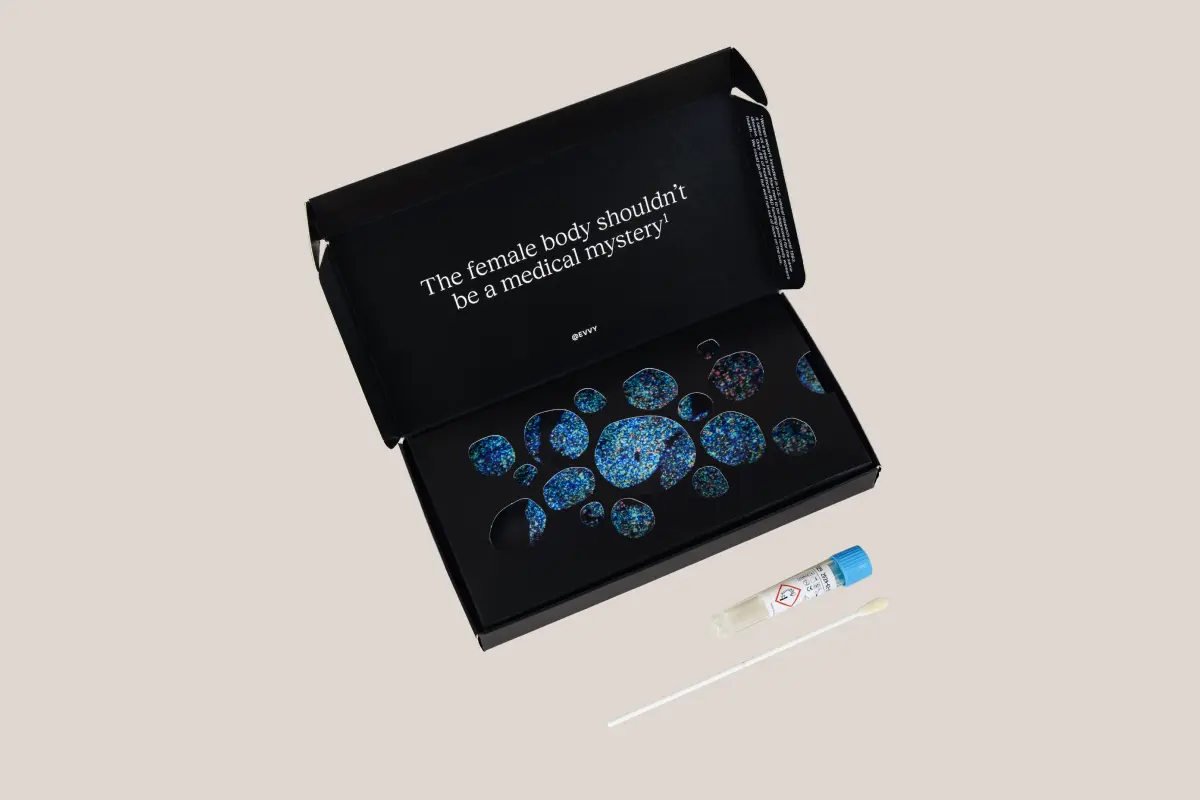
Get advanced insights into symptoms, fertility, and other health outcomes. Prelim results in 1-3 days.

Wondering if alcohol can cause a UTI? Explore how drinking impacts urinary symptoms, real infection risk, and when to see a healthcare provider.
Many people notice burning, pelvic discomfort, and an urgent need to pee after drinking and immediately wonder if alcohol gave them more than just a hangover. But can drinking alcohol cause a UTI? It’s an easy conclusion to jump to, especially when the sensations feel exactly like a urinary tract infection. Alcohol itself doesn’t directly cause urinary tract infections, but there may be a link.
The most well-established behavioral risk factors for urinary tract infections in women include recent sexual activity, frequent intercourse, spermicide use, and having a history of previous UTIs. Alcohol consumption doesn’t seem to be a known risk factor for urinary tract infections. That said, it can still influence your urinary tract in ways that raise your chances of feeling like you have a UTI, or occasionally make it easier for a true infection to develop if other risk factors are present.
So, even though an alcoholic drink can’t make harmful bacteria appear in your urinary tract, it can create the right environment for irritation or infection to take hold. Keep reading to learn more about how alcohol affects the bladder, when UTI-like symptoms might actually be an infection, and how to figure out what’s really going on with your urinary health.
Even though alcohol doesn’t directly cause an infection, it does have several effects on your urinary system. Think of alcohol as a substance that interrupts the normal balance your bladder relies on to function smoothly. After you drink, your kidneys produce more urine, your bladder fills more quickly, the bladder lining becomes more sensitive, and your bladder muscles may contract less effectively. All of these changes can influence how your bladder feels after drinking.
The research on alcohol and bladder function is surprisingly nuanced. One study in men suggests that light to moderate alcohol consumption may actually be associated with a lower risk of certain bladder symptoms. This may be because moderate alcohol intake can relax smooth muscle and relieve tension. But once you move into heavy drinking (multiple drinks at one time or frequent binge episodes), the bladder reacts differently. At higher doses, alcohol has been associated with increased urgency, worsened lower urinary tract symptoms, and bladder irritation.
Animal studies have also shown that alcohol can impair the contractility of the bladder muscles, meaning your bladder may not empty as efficiently or may struggle to coordinate its contractions. This suggests that while most healthy people won’t notice dramatic changes, those who already have an overactive bladder, pelvic floor dysfunction, or bladder outlet obstruction (a condition where urine flow from the bladder is restricted) might feel more pressure, urgency, or discomfort.
Alcohol can affect overall fluid balance, which may make urine more concentrated and irritate the bladder in some people. This can lead to sensations of discomfort or urgency that feel similar to urinary symptoms, even without an infection.
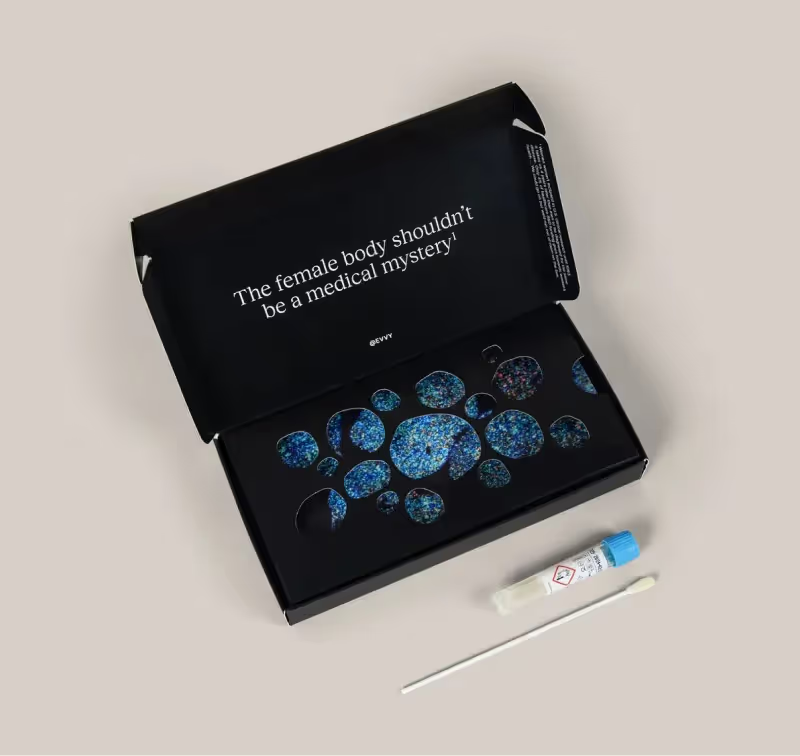
Recurrent symptoms? Get Evvy's at-home vaginal microbiome test, designed by leading OB-GYNs.
Alcohol acts as a diuretic (i.e., it makes you pee more) by suppressing vasopressin, a hormone that tells your kidneys to hold onto water. When vasopressin drops, your kidneys release more water into your urine. This means that even if you drink the same amount of beer or wine as you would water, you’ll likely produce more urine overall.
This increase in urine production can stretch the bladder more quickly, making you feel an urgent need to use the restroom. Some people notice a pattern where they feel like they can’t fully empty their bladder after drinking, or they feel a constant, annoying “tingle” or sensation of pressure.
If you find yourself going to the bathroom a lot, it might irritate your urethra, especially after a night of not drinking enough water and having acidic urine. While this kind of irritation isn’t the same as what you’d feel with an infection, it can feel pretty similar. For those who already deal with an overactive bladder or pelvic floor tension, alcohol consumption can really kick those symptoms up a notch.
Chronic heavy drinking can make these changes in bladder function more persistent. But even just one night of drinking can leave you feeling a bit irritated the next morning, especially if you didn’t hydrate properly.
Many people think dehydration only causes headaches or a dry mouth, but it also affects how comfortable our bladder feels. When you don’t drink enough water, your body holds onto water and makes your urine more concentrated. This concentrated urine has higher levels of waste, salts, and other products, but in a smaller amount of fluid. As a result, it becomes more acidic and can irritate the bladder lining.
The bladder works like other sensitive areas in the body. When it encounters irritants or becomes dry, it can become more sensitive. This increased sensitivity may lead to a burning sensation, mild cramps, pressure, or a feeling that you need to pee again right after you just did.
For some people, alcohol itself can act as a bladder irritant. Certain compounds — like sulfites in wine or congeners in darker liquors — may trigger inflammation if you already have bladder problems. And even without these compounds, simply becoming dehydrated after a night of drinking can be enough to bring on UTI-like symptoms.
It’s completely normal to feel confused about whether your symptoms are irritation or infection, because the sensations can overlap. The burning and urgency you feel after a night out may resolve once you rehydrate, but sometimes the symptoms stick around — and that’s when people worry or head to urgent care.
Understanding which symptoms tend to be alcohol-related and which are more likely to indicate an actual UTI can help you decide what to do next.
Alcohol-related UTI-like symptoms often appear quickly — sometimes the morning after drinking. These symptoms might include:
Another factor that can cause UTI-like discomfort is temporary immune suppression. Excessive alcohol consumption can weaken the immune system, which affects your body's ability to fight inflammation. This doesn’t mean bacteria are present, but you may feel the side effects of immune changes.
Finally, there’s hangover confusion. When you’re dehydrated, fatigued, and achy from alcohol, the bladder can feel more reactive. Pelvic discomfort or cramping can easily be misread as a UTI, especially if you’ve had urinary tract infections in the past and are attuned to those early warning signs. These symptoms often improve dramatically with rest and hydration.
If you notice symptoms that become stronger or more persistent over time, it’s more likely that you’re dealing with a real infection rather than irritation. True UTI symptoms often include:
The key difference is duration and progression. Alcohol irritation generally improves, while bacterial infections worsen over time.
If you develop fever, nausea, chills, or pain in your back or sides, it’s important to seek medical attention right away, as these could be signs that the infection has reached the kidneys.
If you’ve already been diagnosed with a UTI and prescribed antibiotics, the question naturally comes up: Is it okay to have a drink?
While alcohol doesn’t directly prevent antibiotics from doing their job, drinking while on UTI treatment can interfere with your body's ability to recover in several ways. Your body is already trying to fight inflammation and bacterial overgrowth, so adding alcohol into the mix can make that work harder, not easier.
Most antibiotics for urinary tract infections are generally safe to take with alcohol. However, alcohol consumption can increase side effects such as nausea, dizziness, and stomach upset, making recovery slower and more uncomfortable.
Some antibiotics, like metronidazole or sulfamethoxazole-trimethoprim (Bactrim, Septra), should never be mixed with alcohol. This combination can lead to severe vomiting, flushing, and stomach cramps. While these aren’t common first-choice medications for urinary tract infections, you might still be prescribed them depending on your situation.
Alcohol can also strain your liver, which processes both alcohol and many medications. If you have other health issues or take multiple prescriptions, drinking could complicate your treatment. So, even if alcohol doesn’t stop your antibiotics from working, you should avoid drinking alcohol until you've finished taking antibiotics.
Recovering from a UTI isn’t just about killing bacteria; it’s also about letting the bladder lining heal. Alcohol is irritating by nature, especially when your bladder is already inflamed. Drinking can prolong burning, increase urgency, and worsen dehydration — all things that can worsen symptoms and delay recovery.
Alcohol can also disrupt your sleep, and a good night's sleep is important for your immune system. If you want to feel better quickly during UTI treatment, it’s best to avoid alcohol. This simple step can help support your recovery.
If you often feel discomfort when you drink, or if you're not sure if your symptoms are irritation or infection, it’s best to talk to your healthcare provider. If your symptoms last more than 24 to 48 hours after drinking, or if you feel burning and urgency that gets worse instead of better, seek help. Always get checked if you notice blood in your urine, have a fever or chills, or feel pain in your lower back or side.
If you find that urinary tract symptoms happen almost every time you drink alcohol, discuss this with your doctor. You might have a sensitive bladder, a chronic inflammatory condition, or an imbalance that makes your urinary system more reactive.
A healthcare professional can help figure out if you have irritation, an infection, or something else. They can recommend tests or treatment based on your symptoms.
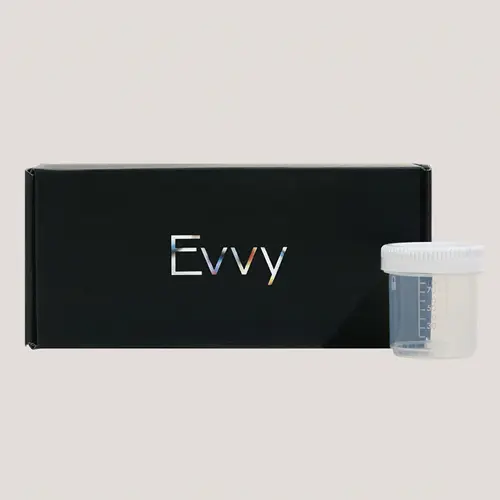
If your symptoms are confusing, inconsistent, or keep coming back — especially after drinking — Evvy can help you finally get clear answers. Our UTI+ Test uses advanced PCR technology to detect the exact bacteria present and any relevant antibiotic resistance genes that standard urine cultures frequently miss.
That means your healthcare provider can prescribe the antibiotic that will actually work the first time, so you can avoid the frustrating cycle of ineffective treatments and prolonged symptoms. If you experience recurrent urinary tract infections, Evvy can also reveal whether your vaginal microbiome is contributing to ongoing irritation or infection — an important piece of the puzzle that many people never get tested.
Because alcohol-related irritation can feel nearly identical to an infection, having concrete microbial data is one of the most reliable ways to understand what’s really happening in your urinary tract. Instead of guessing whether your symptoms are caused by dehydration, bladder irritation, or true bacterial overgrowth, the UTI+ Test gives you precise answers you can act on.
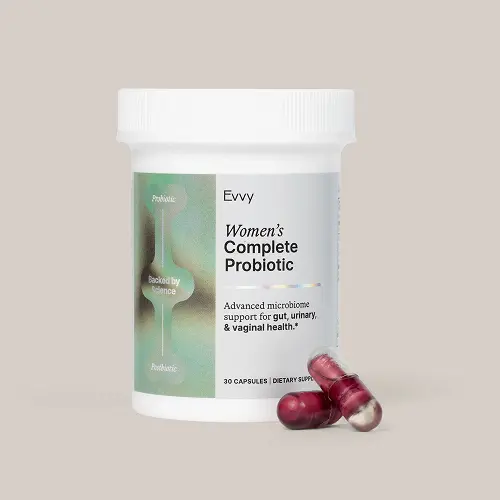
For ongoing support, Evvy Women’s Complete Probiotic is designed to support both the urinary and vaginal microbiomes, which are deeply connected. Maintaining a well-balanced microbiome helps protect against recurrent infections and can support a more resilient urinary system overall.
Dehydration doesn’t directly cause a urinary tract infection, but it plays an important indirect role. When you’re dehydrated, you produce less urine, and the urine you do produce is more concentrated. This concentrated urine has more solutes and irritants, which can inflame the bladder lining and create an acidic environment. This irritation can mimic UTI symptoms, even if no bacteria are present. You also pee less often when you’re dehydrated, which means you flush the bladder less frequently. Peeing regularly helps flush bacteria from the bladder before they can stick to the bladder wall. When you’re dehydrated, bacteria can stay longer than they should. So, while dehydration does not directly cause infections, it creates conditions that make it easier for an infection to develop if bacteria are nearby.
Yes, alcohol contributes to UTI-like symptoms in a few key ways. First, alcohol is a diuretic, which increases how much you pee. Since frequent urination is a common UTI symptom, it’s easy to mistake it for one. Second, alcohol causes dehydration, especially as the night goes on, which leads to concentrated urine, and concentrated urine is well-known to cause burning or pressure. Alcohol irritates the bladder, too. The morning after drinking, you may feel burning, urgency, or pelvic heaviness that feels exactly like an infection, but these sensations often disappear once your body rehydrates.
Alcohol consumption (even in large amounts) doesn’t directly cause a urinary tract infection. However, excessive alcohol consumption can set the stage for an infection to take hold. When you drink heavily, you’re more likely to become dehydrated, delay urination for long periods, or have changes in hygiene or sexual activity. Alcohol can also temporarily weaken the immune system, which means your body may be a little less efficient at clearing bacteria that are already present. So alcohol is more of an indirect accomplice rather than the main culprit. If UTIs tend to show up after nights of heavy drinking, it may be because the other behaviors around drinking — not the alcohol itself — are increasing your risk.
If alcohol consistently makes your bladder feel irritated, the most likely explanation is dehydration. When you drink, your body empties more water through your kidneys, and you often don’t compensate with enough plain water to make up for what you’ve lost. Once your urine becomes concentrated, the bladder lining reacts strongly, producing sensations that are remarkably similar to a true UTI. Another reason is simple inflammation. Alcohol has inflammatory effects throughout the body, and the bladder is one organ where this inflammation can show up quickly. Even one night of drinking can make the bladder more sensitive for the next day or two.
Hangover-related urinary tract symptoms usually start quickly, often the morning after drinking, and improve steadily as you hydrate and rest. If your discomfort lessens within a few hours or is gone by the next day, you're likely just feeling irritation. In contrast, a true UTI has different signs. Symptoms like burning and urgency typically get worse over time. You may also notice cloudy urine, a strong odor, or a constant urge to pee, even if your bladder feels empty. If your symptoms last more than 24 to 48 hours after drinking, or if they get worse instead of better, you should get tested. Seek medical advice right away if you experience fever, chills, nausea, or pain in your back or side. These may be signs that the infection has spread beyond the bladder.