CONGRATS! YOU EARNED FREE SHIPPING.

Product Title
1
$0
$0
Subscription Title

Looking kind of empty in here.
We recommend:
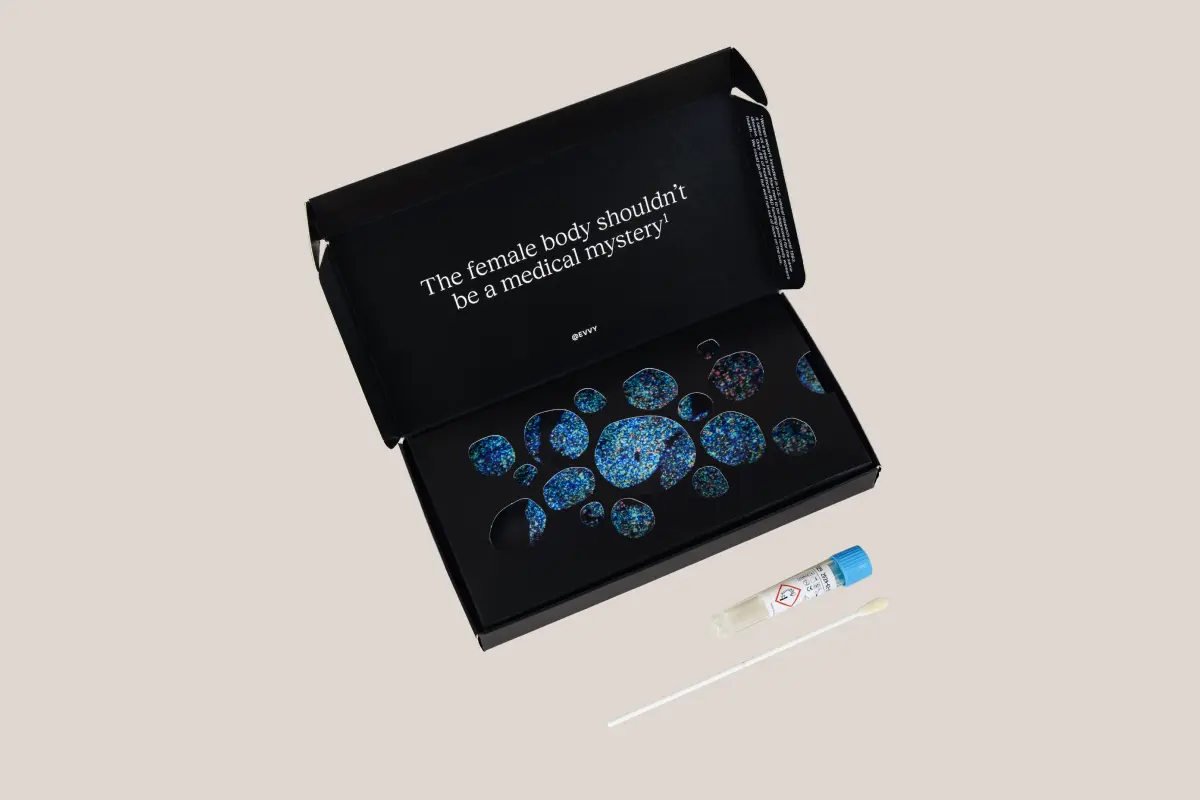
Get advanced insights into symptoms, fertility, and other health outcomes. Prelim results in 1-3 days.
Signs your UTI is improving with antibiotics, what to expect, red flags, and when to consult a healthcare provider for a faster, safer recovery.
Words by Olivia Cassano
Scientifically edited by Dr. Krystal Thomas-White, PhD
Medically reviewed by Dr. Kate McLean MD, MPH, FACOG
A urinary tract infection (UTI) is one of those health issues that can come on fast and make everyday life miserable. Burning when you pee, the constant urge to run to the bathroom, lower abdominal pressure, and cloudy or strong-smelling urine are all common signs that bacteria have irritated your urinary tract, most often the bladder. Because UTIs are usually caused by bacteria, antibiotics are the standard treatment. The goal is simple: clear out the bacteria so your urinary tract can heal and your symptoms can fade.
For most people, starting the right antibiotic brings noticeable relief fairly quickly. Many begin to see signs that their UTI is getting better within a couple of days. That early improvement is often reassuring, but it can also raise questions. How quickly should symptoms improve? What’s considered normal healing? What are the signs that something might be wrong? Keep reading to learn more.
Antibiotics treat UTIs by targeting the bacteria that are causing the infection. In uncomplicated bladder infections, that’s most often E. coli, a common gut bacterium that can make its way into the urinary system. The antibiotics you’re prescribed are chosen because they concentrate in the urine and are effective against the bacteria most likely to be responsible.
One important thing to know is that symptom relief and full bacterial clearance don’t always happen at the exact same time. Antibiotics start lowering the number of bacteria fairly quickly, which is why burning, urgency, and painful urination often ease within the first couple of days. But even after the bacteria are mostly gone, the bladder lining can remain irritated for a bit. That irritation can cause lingering sensitivity, some urgency, or discomfort that slowly fades over several days.
In the first 24 to 72 hours, it’s realistic to expect gradual relief, but that doesn’t mean the infection is fully gone. You might notice that the burning sensation isn’t as sharp, you’re not running to the bathroom quite as often, or the pressure in your lower abdomen feels less intense. These are all early signs that the antibiotic is doing its job. That said, it’s also normal if you don’t feel 100% right away. Healing takes time, and the urinary system needs a chance to calm down after being inflamed.
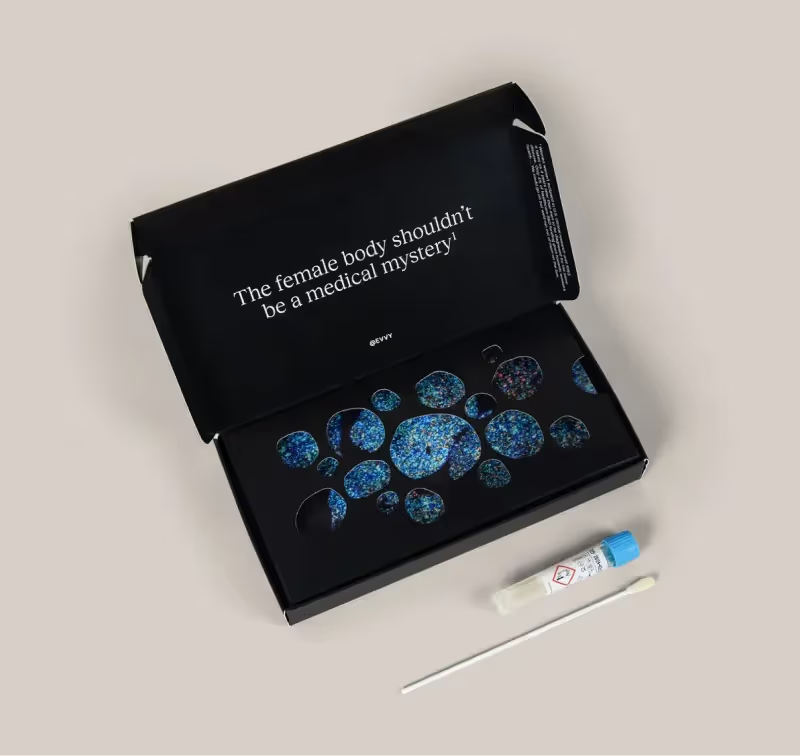
Recurrent symptoms? Get Evvy's at-home vaginal microbiome test, designed by leading OB-GYNs.
For many people, the first day or two on antibiotics brings noticeable relief. That burning sensation you feel when you pee often starts to ease within 24 to 48 hours. Urgency and frequency usually follow, gradually returning closer to your normal pattern over the next few days. By the end of a short antibiotic course, many people feel mostly or completely back to normal, though mild sensitivity can linger for up to about a week.
Not everyone’s recovery follows the same timeline, and that doesn’t necessarily mean something is wrong. Several factors can influence how fast you notice improvement.
People often ask, “Are some antibiotics faster than others at relieving UTI symptoms?” In some cases, yes. Certain antibiotics work more quickly for particular bacteria. However, the “fastest” option isn’t the same for everyone. The right antibiotic depends on the bacteria causing the infection and how sensitive they are to treatment, which can differ from person to person. That’s why it’s important to consider doing a urine culture and testing for antibiotic resistance. When the antibiotic is a good fit, you usually notice improvement in symptoms within a few days.
When a urinary tract infection responds to antibiotics, symptoms usually start easing within a couple of days and keep steadily improving. Signs your UTI is going away with antibiotics include:
While many urinary tract infections respond smoothly to antibiotics, sometimes the course isn’t so straightforward. Knowing the red flags can help you get timely care and avoid serious complications.
One concerning pattern is symptoms that stay the same or get worse after the first two to three days of antibiotics. If burning, urgency, or pain hasn’t improved at all after 48 to 72 hours, that can suggest the bacteria aren’t responding to the medication. Pain getting worse at any point is another sign to check in with a healthcare provider.
New symptoms are especially important to pay attention to. Fever, chills, nausea, vomiting, severe abdominal pain, or pain in your sides or mid-back can suggest a kidney infection. This needs medical attention ASAP for immediate treatment.
It’s also helpful to understand that not all lingering symptoms mean the infection is still active. Sometimes, after the bacteria are cleared, the bladder lining remains irritated. This can cause mild urgency or sensitivity that slowly improves. The key difference is the direction things are moving. With irritation, symptoms should be mild and steadily getting better, not intensifying or spreading.
If symptoms go away and then come back shortly after finishing antibiotics, that can also be a sign that the infection wasn’t fully cleared or that a new infection has started. Recurrent UTIs deserve a closer look to understand what’s driving them.
Needing more than one course of antibiotics can feel frustrating, but it’s not always unusual. In some cases, the first antibiotic doesn’t fully clear the infection, especially if the bacteria are resistant or if the infection is more complicated than initially thought.
Nearly one in two women is prescribed an antibiotic that may not actually work against their infection, and three in four get longer courses than necessary. Taking antibiotics repeatedly without identifying the underlying causes of ongoing infections can lead to antibiotic resistance and persistent symptoms. That’s why having follow-up appointments and, when necessary, more thorough testing can be helpful.
What matters most is how your symptoms respond. If there’s no meaningful improvement after a few days, or if symptoms return soon after finishing treatment, your provider may recommend additional testing or a different antibiotic.
Many people wonder whether it’s normal to need two rounds of antibiotics for a urinary tract infection. Sometimes, yes. A second round may be needed if the initial antibiotic wasn’t effective against the specific bacteria responsible for your infection, if symptoms didn’t improve within 48–72 hours, or if they returned quickly after finishing treatment. In these cases, a different antibiotic or a slightly longer course may be prescribed to clear the infection fully.
When a urinary tract infection doesn’t respond as expected, clinicians often reassess by reviewing symptoms, checking a urine sample, or ordering a urine culture. This helps identify which bacteria are present and which antibiotics they’re sensitive to, so treatment can be adjusted more precisely.
You should reach out to your healthcare provider if you notice no meaningful improvement after 48–72 hours on antibiotics, or if symptoms are getting worse at any point. New symptoms like fever, chills, nausea, vomiting, or back pain should be treated as urgent.
Certain situations also call for extra caution. If you’re pregnant, have diabetes, kidney problems, immune system issues, or experience recurrent UTIs, persistent symptoms should be checked sooner rather than later. These factors can affect how infections behave and how they should be treated.
Even when things are improving, it’s important to finish the full antibiotic course as prescribed, even if you feel better before it’s done. Stopping early can allow harmful bacteria to survive and cause a relapse or resistance.
While you're on the mend, there are a few simple things you can do to feel better. Make sure to drink plenty of fluids (water, ideally), and try not to hold in your urine to help flush bacteria out of your urinary system. It’s also a good idea to steer clear of bladder irritants like caffeine and alcohol until you’re feeling fully better. You may also want to avoid sexual intercourse until you've finished treatment and your symptoms improve altogether — sex itself doesn't directly cause a UTI, but it can slow down healing.
These little steps won't replace antibiotic treatment, but they can definitely help make your recovery a bit more comfortable.
For many people, urinary tract infections don’t follow a simple, one-and-done pattern. Symptoms may linger, return, or feel confusing, especially when tests come back “normal” but discomfort continues. That’s where deeper insight can be helpful.
Evvy offers an at-home urine test designed to identify key UTI-causing bacteria, along with a vaginal microbiome test that can uncover imbalances that sometimes mimic or contribute to UTI-like symptoms. These tests look beyond standard urine dipsticks to give a clearer picture of what’s actually going on.
For people dealing with frequent UTIs or symptoms that aren’t improving as expected, Evvy’s UTI+ Test and Vaginal Health Test can be a useful tool to bring more information into conversations with healthcare providers. Understanding which bacteria are present, and whether there are vaginal imbalances adding to irritation, can help guide more targeted care. Evvy’s tests aren’t meant for emergency situations, but they can play a valuable role in longer-term answers and prevention strategies when UTIs keep disrupting your life.
A urinary tract infection is likely healed when symptoms have resolved and don’t return after finishing antibiotic treatment. Peeing should feel normal again (ie, no pain or burning), urgency should be gone, and urine should look clear and typical for you. Mild sensitivity can linger briefly, but it should keep improving.
If you're noticing that your symptoms are starting to get better within 24 to 72 hours, that's a good sign that the antibiotics are working. Look for signs like less burning, fewer urgent trips to the bathroom, and overall less discomfort. Those are all positive indicators that your urinary tract infection is healing.
Yes, it can be normal in some cases, especially if the first antibiotic wasn’t the best match for the bacteria at fault or if UTI symptoms returned quickly. A second round usually follows reassessment by a healthcare provider to identify a more effective treatment. Evvy’s UTI+ Test can make this process easier by taking the guesswork out of urinary tract infections. Instead of relying solely on trial and error, you can get data-driven insights about which bacteria are causing your infection, helping your healthcare provider choose the antibiotic that’s most likely to work the first time. This can shorten recovery, reduce unnecessary antibiotic use, and give you more confidence that your treatment is on the right track.
If UTI symptoms persist, get worse, or come back soon after finishing treatment, the antibiotics may not have worked. New symptoms like fever or back pain are also warning signs. It’s important to remember that you should always finish the full course of antibiotics, even if you start feeling better, because it can take time for the infection to be fully cleared. Stopping early or switching antibiotics too soon can allow bacteria to survive, potentially prolonging the infection or making it harder to treat.
Signs your UTI is getting better usually appear within the first couple of days of starting treatment, and they tend to improve steadily over time. You might notice less burning or stinging when you pee, reduced urinary frequency and urgency, and easing of lower belly or pelvic discomfort. Your urine may become clearer and will not smell as bad, returning closer to its normal color and odor. Many people also feel an overall sense of improved comfort and well-being, as the infection stops interfering with daily life.