CONGRATS! YOU EARNED FREE SHIPPING.

Product Title
1
$0
$0
Subscription Title

Looking kind of empty in here.
We recommend:
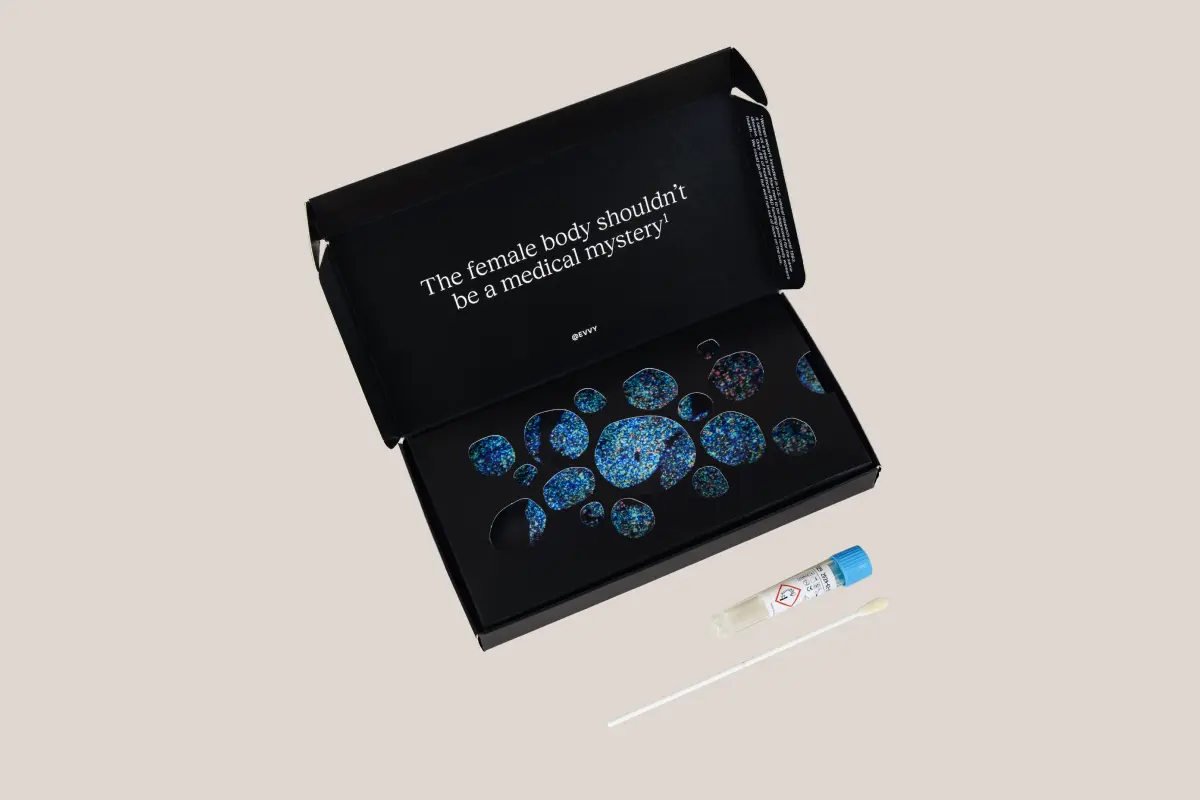
Get advanced insights into symptoms, fertility, and other health outcomes. Prelim results in 1-3 days.
Baking soda doesn’t cure UTIs and can be risky. Learn the myths, side effects, and safer, evidence-based treatments for urinary tract infections.
Words by Olivia Cassano
Scientifically edited by Dr. Krystal Thomas-White, PhD
Medically reviewed by Dr. Kate McLean MD, MPH, FACOG
A urinary tract infection (UTI) is an infection in the urinary system, most often in the bladder and urethra. It usually happens when bacteria (and sometimes fungi) grow where they shouldn’t.
Because UTIs are uncomfortable and can disrupt daily life, many people turn to the internet looking for fast, at-home relief. One remedy that often comes up is drinking baking soda mixed with water for UTIs.
Here’s the TLDR: there’s no evidence that baking soda treats or cures a UTI. While it may temporarily relieve some symptoms for some people, it doesn’t treat the infection. In certain cases, taking baking soda this way can also be risky.
Keep reading to learn what science actually says, the potential side effects, and safer, evidence-based ways to diagnose and treat a UTI.
Urinary tract infections often come on suddenly and can feel intense. Burning, pressure, and frequent bathroom trips can make it hard to sleep, focus, or get through the day. That constant urge is a big reason people search online for quick solutions they can try at home.
Baking soda (sodium bicarbonate) is commonly suggested because it’s inexpensive, easy to find, and often labeled online as a “natural” remedy. The idea behind it is that baking soda can make urine less acidic. Since acidic urine can sometimes make that burning sensation feel worse, some people believe that changing urine acidity will reduce symptoms or even stop the infection.
Baking soda is a base, meaning it can neutralize acid. When someone drinks baking soda mixed with water, it can temporarily make the urine less acidic. In short-term research, people who took oral baking soda saw their urine pH shift from acidic to more neutral or alkaline.
This is where the idea comes from that baking soda might help with a UTI. For some people, less acidic urine can briefly reduce the stinging or burning feeling when they pee. If you’re already uncomfortable, even a small change can feel noticeable.
But this effect is only temporary, and it’s important to understand what baking soda doesn’t do. It doesn’t kill bacteria or fungi, nor does it remove them from the urinary tract. And it doesn’t treat the infection itself. UTIs happen because pathogens are growing where they shouldn’t be, not because urine is “too acidic.”
So while baking soda might slightly change how urine feels for a short time, it doesn’t address the real cause of a UTI or help your body clear the infection.
There’s no shortage of health advice online, and unfortunately, not all of it is accurate. Baking soda is often shared as a simple, “natural” solution for UTIs that sounds almost too good to be true.
On social media and home-remedy blogs, baking soda is sometimes framed as a hidden trick or an overlooked cure. You’ll often see claims that a teaspoon of baking soda in water can cure a UTI overnight, flush bacteria out of the bladder, or work just as well as antibiotics — without needing a doctor.
These claims are misleading because they oversimplify what a UTI actually is. A UTI isn’t just irritation caused by acidic urine. It’s an infection caused by bacteria or fungi. Changing urine pH doesn’t remove those germs, even if symptoms briefly feel different.
When advice like this spreads online, it can make baking soda seem harmless or effective, when in reality it may delay proper care and allow an infection to get worse.
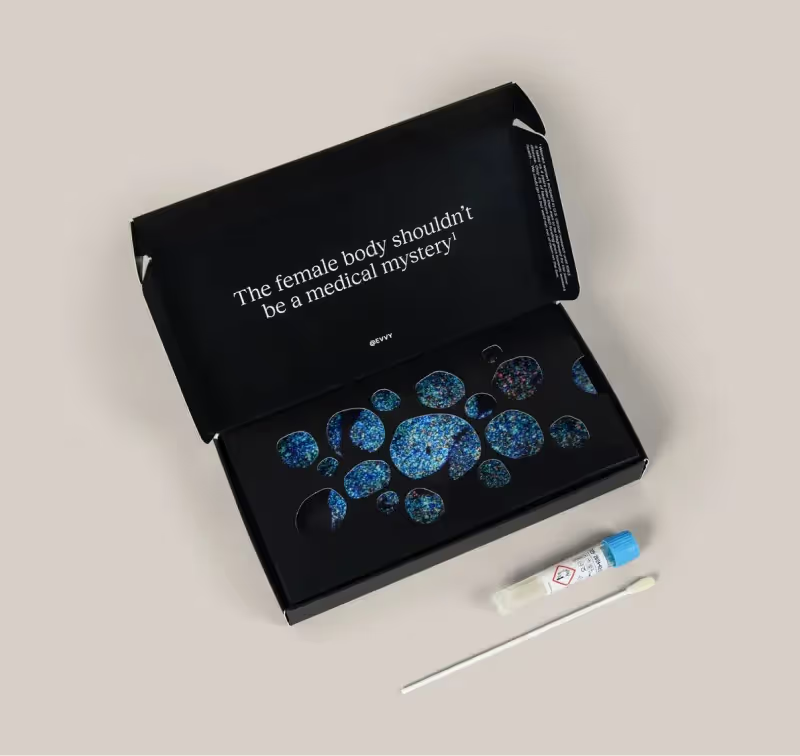
Recurrent symptoms? Get Evvy's at-home vaginal microbiome test, designed by leading OB-GYNs.
The short answer is no. There is little to no solid medical evidence showing that drinking baking soda treats UTIs or cures the underlying infection.
Antibiotics are the standard of care because they target the organisms causing the infection. Studies that look at urine alkalization don’t show that this approach treats UTIs or prevents them from coming back.
While baking soda may offer temporary symptom relief for some people, relying on it instead of proper testing and treatment can allow the infection to get worse.
Medical guidelines don’t include baking soda or other urine-alkalizing remedies as treatments for UTIs, and there’s a good reason for that. UTIs are infections caused by bacteria or fungi, and changing the acidity of urine doesn’t remove or kill those germs.
While baking soda can change urine pH, it doesn’t treat the underlying infection. Studies haven’t shown that urine alkalization improves recovery, prevents complications, or stops UTIs from coming back. Because of this lack of proven benefit — and the potential risks — healthcare professionals don’t recommend baking soda as a UTI treatment.
Another reason it’s not recommended is safety. Baking soda contains a large amount of sodium, and taking it regularly or in larger amounts can throw off the body’s balance. Medical treatments for UTIs are designed to clear the infection safely and effectively, while baking soda simply doesn’t meet that standard.
Yes, it can. For some people, baking soda may briefly reduce the burning sensation when they pee or slightly ease urgency. While that can feel like a win in the moment, it can also create a false sense that the infection is improving.
When symptoms seem better, people may put off urine testing or a visit with a healthcare provider. During that time, the bacteria or fungi causing the UTI can continue to grow. Delayed care increases the risk of complications, including infections that spread to the kidneys, symptoms that last longer than necessary, or UTIs that keep coming back.
Drinking baking soda isn’t harmless, especially when used repeatedly or in larger amounts.
Consuming baking soda can cause:
In more severe cases, it can lead to a condition where the body becomes too alkaline, which can affect the heart, muscles, and nervous system.
Some people are more vulnerable to the potential harms of drinking baking soda. Individuals with kidney disease, heart conditions, or high blood pressure are at higher risk because their bodies are less able to handle extra sodium. Baking soda contains a large amount of sodium, and consuming it can lead to fluid retention, swelling, and spikes in blood pressure.
People on sodium-restricted diets or certain medications that affect kidney or heart function should be especially cautious, as even small amounts of baking soda can upset the body’s balance. Using baking soda during pregnancy also carries risks, since excess sodium and changes in the body’s chemical balance can affect both the parent and baby.
While baking soda might seem like a harmless home remedy, these groups face a higher chance of serious complications, making it especially important to avoid using it as a UTI treatment and instead rely on proven, safe medical care.
UTIs are most safely treated by confirming what’s causing symptoms and using proven treatments.
If you suspect you have a UTI, healthcare providers usually start with a urine test to see if bacteria or fungi are present. Based on these results (or sometimes on typical symptoms alone), they prescribe antibiotics that are likely to target the infection. This approach works for many, but standard urine cultures can miss a significant number of infections, and sometimes the prescribed antibiotic may not be the most effective choice.
Evvy’s UTI+ Test offers a modern, at-home alternative. Using PCR technology, it can detect multiple UTI-causing bacteria and fungi that standard cultures might miss, as well as key antibiotic resistance genes. This means it can identify the presence of antibiotic-resistant bacteria and help your healthcare provider select a treatment that’s more likely to work the first time. For people dealing with recurring UTIs or unclear symptoms, this targeted information can reduce guesswork and shorten the path to relief.
While antibiotics are necessary to clear the infection, other measures can help you feel more comfortable as treatment takes effect, such as drinking plenty of water and taking pain relievers.
Some at-home steps may help reduce discomfort while medical treatment does its job:
These measures can support comfort, but don’t replace urine testing or treatment when symptoms suggest a UTI.
It’s important to seek medical care if your symptoms last longer than 24–48 hours or don’t improve. You should also contact a healthcare provider right away if you experience fever, chills, back or side pain, vomiting, confusion, or trouble keeping fluids down. These can be signs that the infection is spreading and needs urgent care.
If you’re dealing with ongoing or recurrent infections, Evvy can help take the guesswork out of what’s going on. UTIs are incredibly common — about half of women will experience one in their lifetime — but the way they’re usually tested and treated doesn’t always give clear or fast answers.
Traditional urine cultures can take several days and may miss a large number of infections. In fact, standard tests can fail to detect many UTI-causing bacteria and fungi. That often leads to “best guess” antibiotics, which don’t always treat the infection and can leave symptoms lingering or coming back.
Evvy’s UTI+ Test is designed to change that. It’s a comprehensive at-home urine test that uses advanced PCR technology to detect 12 key UTI-causing bacteria and fungi, along with important antibiotic resistance genes. Because it looks for genetic material instead of relying on growth in a lab dish, it can identify pathogens that standard cultures miss.
Results are available within one to three days after the sample arrives at the lab, so you’re not left waiting and wondering. If you’re eligible, you can also receive same-day, precision treatment based on your exact results, helping you get the right antibiotic the first time, instead of cycling through options.
For people with recurring UTIs, Evvy can also help uncover a bigger picture. Research indicates that bacteria from the vaginal microbiome can migrate into the bladder, contributing to recurrent infections. Evvy’s testing can help identify whether this overlooked factor may be playing a role, so you and your clinician can focus on prevention, not just reaction.
No. Baking soda doesn’t fix or cure a urinary tract infection. UTIs are infections caused by fungal or bacterial growth, and baking soda doesn’t remove or kill those organisms, nor does it prevent bacteria from overgrowing. Even if symptoms temporarily feel better, the infection itself is still there, which may delay proper treatment and risk the infection getting worse.
Doctors don’t recommend using baking soda to treat urinary infections. There’s no safe or effective way to use baking soda as a UTI treatment, and self-dosing can be risky. While it might seem harmless, drinking baking soda doesn’t clear the infection and can cause side effects, especially if taken repeatedly or in larger amounts. Instead of relying on baking soda or other DIY remedies, it’s important to get proper urine testing and medical guidance. Identifying what’s actually causing your symptoms allows you and your provider to choose treatment that addresses the infection itself, not just how it feels in the moment.
You shouldn’t take baking soda for a UTI at all. There is no recommended or safe dosing schedule for this purpose. Baking soda misuse can increase the risk of electrolyte imbalances, heart rhythm problems, and other serious side effects.
Because it’s ineffective at best, and harmful at worst. Baking soda doesn’t kill the harmful bacteria or fungi causing a UTI, so the infection can continue even if symptoms briefly feel better. On top of that, ingesting too much baking soda can disrupt the body’s normal chemical balance, especially when used frequently or in larger amounts. This can lead to side effects like stomach upset, electrolyte imbalances, and strain on the heart or kidneys, making it a risky choice compared to proven, safer treatment options.
Yes, this much is true. Baking soda has been shown to temporarily make urine less acidic. However, changing urine acidity doesn’t cure a urinary tract infection or prevent infections from returning. It can also give you false hope because while it may relieve some of the burning associated with UTIs, it’s not actually treating the infection.
Yes. Temporary symptom relief can make it seem like the problem is improving, which may delay testing and antibiotics. That delay increases the risk of complications, including kidney infections and recurrent urinary tract infections.