CONGRATS! YOU EARNED FREE SHIPPING.

Product Title
1
$0
$0
Subscription Title

Looking kind of empty in here.
We recommend:
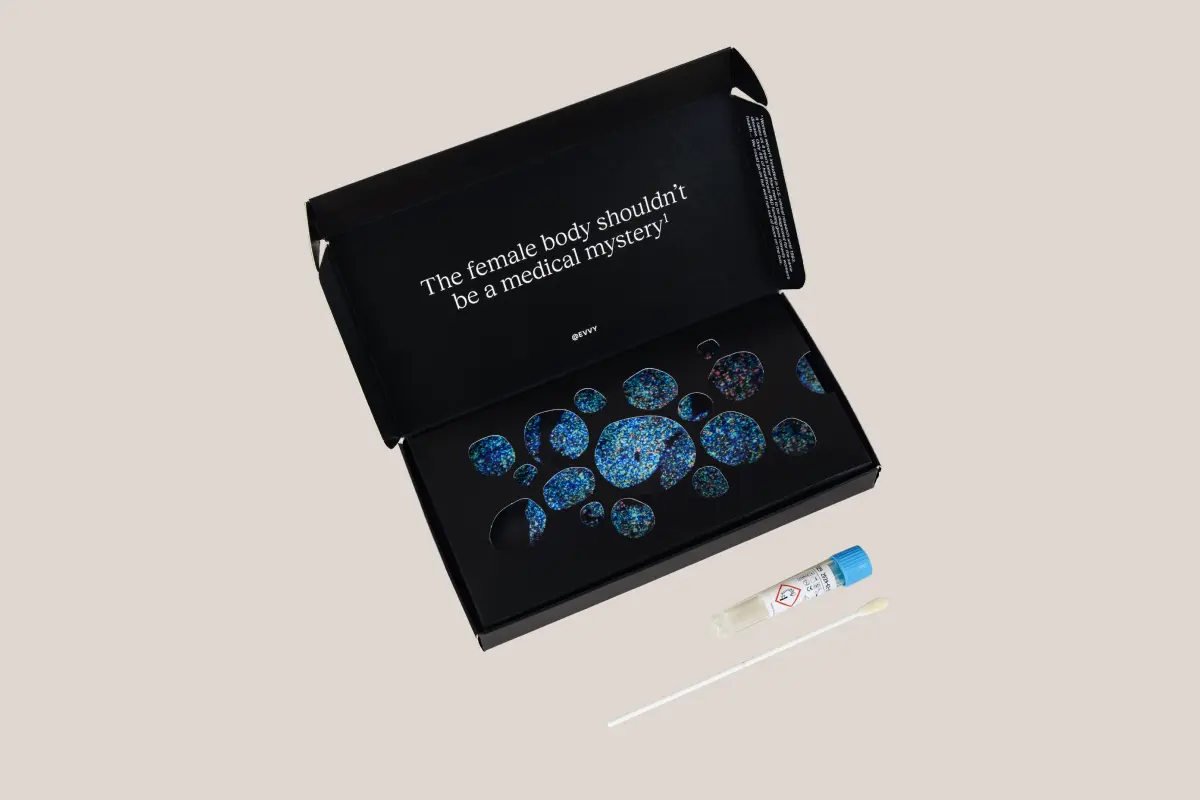
Get advanced insights into symptoms, fertility, and other health outcomes. Prelim results in 1-3 days.

Protein in urine explained: What it means, how UTIs and kidney infections play a role, how it’s tested, and when to talk to a doctor.
Words by Olivia Cassano
Scientifically edited by Dr. Krystal Thomas-White, PhD
Medically reviewed by Dr. Kate McLean MD, MPH, FACOG
Protein in urine (also called proteinuria) means that proteins your body normally keeps in your blood are leaking into your urine. Because protein plays important roles in keeping fluid balanced and supporting your immune system, its presence in urine can be a clue about what’s happening in your kidneys or urinary tract.
In many cases, protein in urine is temporary and harmless. Things like dehydration, fever, intense exercise, or a urinary tract infection (UTI) can cause short-term changes that resolve on their own. In other situations, especially when protein keeps showing up over time, it can be a sign that the kidneys are under stress or damaged and need closer attention.
This article will walk you through what protein in urine really means, how UTIs and kidney infections fit into the picture, and how healthcare providers test for and monitor proteinuria.
Proteinuria is the medical term for having more protein in your urine than normal. In healthy people, the amount of protein lost in urine is very small (less than 150 milligrams per day). That’s because your kidneys act like highly selective filters. They clean your blood by removing waste and extra fluid, while keeping useful substances like protein where they belong.
When protein shows up in urine, it usually means one of two things is happening. Either the kidney’s filtering units are letting too much protein slip through, or the kidney’s recycling system isn’t reabsorbing protein properly after it’s filtered. Doctors often think about proteinuria in a few broad categories:
Not all proteinuria is dangerous. Transient proteinuria can happen with stress on the body — like a fever, intense exercise, or even standing for long periods — and it often goes away once the trigger resolves.
Persistent proteinuria, on the other hand, is more worrying because it can be a sign of ongoing kidney damage and is a known marker of chronic kidney disease. Understanding which category you fall into helps determine whether reassurance, repeat testing, or further evaluation is needed.
Your kidneys contain millions of tiny filtering units called glomeruli. These filters allow waste products and excess water to pass into the urine, while keeping larger molecules like proteins in the bloodstream. Any small proteins that do sneak through are usually reabsorbed by kidney tubules (tiny filtration tubes in your kidneys) before urine leaves the body. This two-step system — filtering and reabsorption — is why healthy urine contains very little protein.
Temporary protein in urine is common and often harmless. It can appear during illness, dehydration, intense exercise, or even emotional stress, and then disappear on repeat testing. Persistent proteinuria means protein shows up on multiple tests over time. This pattern raises more concern for an underlying condition, such as kidney disease or another chronic condition, and usually leads to further testing.
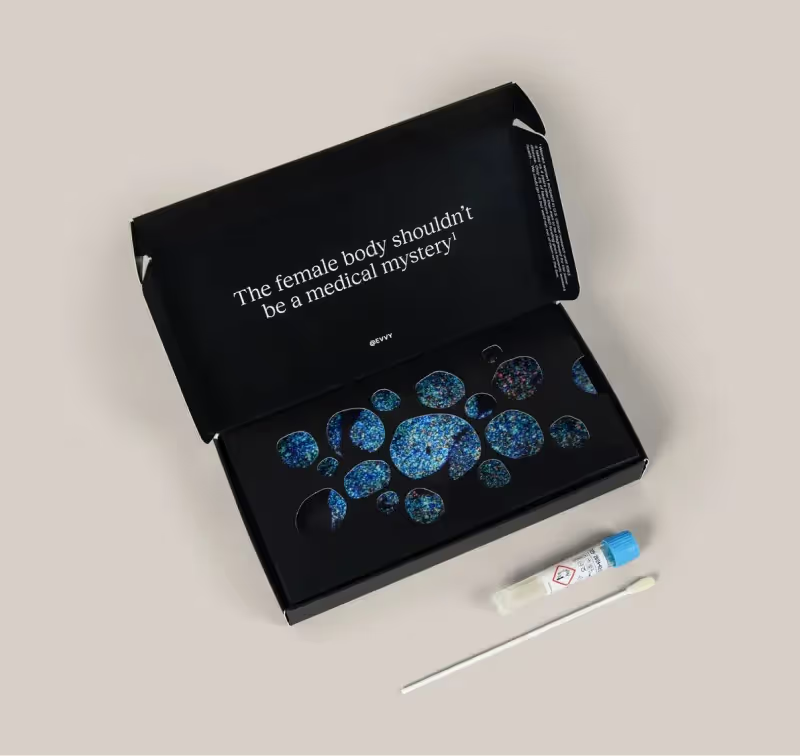
Recurrent symptoms? Get Evvy's at-home vaginal microbiome test, designed by leading OB-GYNs.
There are many possible reasons protein can appear in urine, and some are far more common than others. Age, overall health, and recent events like illness or exercise all play a role.
Short-term proteinuria is especially common in children, teens, and young adults. One example is orthostatic (or postural) proteinuria, where protein appears in urine during the day when someone is upright but not in the morning after lying down overnight. Fever, dehydration, stress, and intense exercise can also temporarily overwhelm the kidney’s filtering system. In these cases, protein levels usually return to normal once the trigger is gone.
Urinary tract infections can cause a bit more protein in urine because inflammation irritates the lining of the urinary system. This type of proteinuria is usually temporary and improves once the infection is treated. Other infections that affect the body more broadly can have a similar effect. If protein persists after the infection clears, follow-up testing is important.
Persistent proteinuria is one of the hallmark signs of chronic kidney disease. Diabetes and high blood pressure are two of the most common causes in adults because they damage the kidney’s filtering units over time. Other likelihoods include autoimmune conditions, inherited kidney disorders, and certain medications or toxins. The amount of protein matters too, because higher levels are linked with a greater risk of kidney disease progression and cardiovascular problems.
Mild or temporary proteinuria can happen due to normal changes in blood flow and kidney function as pregnancy goes on. However, new or rising protein levels can also signal serious complications, most notably preeclampsia.
Preeclampsia usually appears after the 20-week mark in pregnancy and is characterized by high blood pressure, along with protein in the urine or indications that other organs might be affected. To check for this condition, healthcare providers often use tests like the spot protein-to-creatinine ratio or a 24-hour urine collection. A ratio of 0.3 or higher, or finding 300 milligrams or more of protein in a 24-hour sample, is typically the guideline they follow for diagnosis.
Because preeclampsia can progress quickly and affect both the parent and baby, pregnant people with protein in their urine usually need close monitoring. This may include repeat urine tests, blood pressure checks, blood work, and sometimes early delivery if risks outweigh the benefits of continuing the pregnancy.
Protein in urine can show up in several urinary conditions, but the context and accompanying symptoms help figure out what’s going on.
A lower urinary tract infection affects the bladder and urethra. Common symptoms include:
Protein in urine during a simple urinary tract infection is usually mild and temporary. It happens because inflammation makes the urinary tract lining leaky. Once antibiotics clear the infection and hydration improves, the levels of urinary proteins typically go back to normal.
A kidney infection, or pyelonephritis, is more serious and involves the upper urinary system. Signs often include the usual symptoms of a urinary tract infection, plus:
Protein levels may be higher than in a simple UTI because the kidneys themselves are inflamed. Kidney infections need prompt treatment, and healthcare providers often recheck urine after recovery to make sure proteinuria has resolved.
If your doctor notices protein in your urine but you don’t have any symptoms of a urinary tract infection, or if the protein persists even after an infection has resolved, it might be a sign to pay attention to your kidneys. Some signs that could raise a red flag include foamy urine, swelling in your legs or face, high blood pressure, or unusual blood test results. In these situations, protein in the urine may indicate changes in how your kidneys are filtering rather than just a temporary irritation.
Testing for protein in urine is straightforward, but interpretation depends heavily on context. Healthcare providers look at symptoms, medical history, blood pressure, if you’re pregnant, and whether there are signs of infection.
A urine dipstick is often the first test used. It’s quick and inexpensive, but it can’t precisely measure how much protein is present. Dehydration, exercise, or infection can all influence results. To confirm a UTI, microscopy and culture are often used. Microscopy looks at urine under a microscope to check for white blood cells, red blood cells, casts, and bacteria. A urine culture is ordered when a urinary tract infection is suspected to identify the specific bacteria involved.
For people with recurrent urinary symptoms, at-home options like Evvy’s UTI+ test can help identify patterns in the urinary microbiome and support more informed conversations with a provider, especially when infections keep coming back.
When protein is found in urine, doctors often use follow-up tests to measure how much protein is actually being lost. A common option is a spot protein-to-creatinine ratio, which uses a single urine sample. Creatinine is a normal waste product made by your muscles and released into your urine at a fairly steady rate throughout the day. By comparing protein levels to creatinine levels, this test estimates how much protein you would lose over 24 hours, without needing to collect urine all day.
In some situations, a 24-hour urine collection is still recommended. This test measures the total amount of protein excreted in a full day and can be especially helpful when very precise results are needed, such as during pregnancy or when monitoring known kidney disease.
Blood tests check kidney function by measuring creatinine and estimating the glomerular filtration rate (eGFR). The eGFR is a calculated estimate of how well your kidneys are filtering blood overall (essentially, how much blood they can clean each minute). Lower eGFR values can indicate decreased kidney function and help providers stage and monitor kidney disease over time. Imaging, such as ultrasound, may be used to look for structural problems. In some cases, a kidney biopsy is needed to pinpoint the exact cause.
Usually, treating the infection with the right antibiotic treatment can help reduce inflammation, and you'll likely see protein levels go back to normal in just a few days or weeks. Drinking plenty of fluids (water) can also really help to flush out your urinary tract and keep you hydrated, which is important for getting accurate test results.
If you notice that protein keeps showing up with repeated UTIs, it might be a good idea to take a closer look. Tests like Evvy’s UTI+ test can provide helpful insights into the unique microbial patterns behind your recurrent infections, helping you and your healthcare provider figure out a more tailored approach to your treatment options.
Protecting kidney health over time mostly comes down to protecting your blood vessels and avoiding unnecessary strain on the kidneys. Small daily habits really do add up over time. The goal isn’t perfection, but steady, supportive choices that lower risk and help catch problems early.
Urine testing is a standard part of prenatal care, and the American College of Obstetricians and Gynecologists recommends screening for asymptomatic bacteriuria with a urine culture once early in prenatal care. If protein shows up in a urine sample, your clinician will usually repeat the test and keep a close eye on your blood pressure and other symptoms.
In some cases, they may ask you to come in for additional testing — such as blood work or more precise urine measurements — to better understand what’s going on. Prompt follow-up helps tell apart normal, temporary changes from more serious conditions like preeclampsia.
If you ever have concerns about protein in your urine, swelling, headaches, or changes in how you feel, it’s important to let your care team know so they can decide whether further evaluation is needed.
You should talk to a healthcare provider if protein shows up on more than one test, if levels are high, or if proteinuria is accompanied by swelling, foamy urine, blood in the urine, high blood pressure, or reduced appetite.
After a UTI, it’s reasonable to recheck urine once the infection has cleared and you’re well hydrated. Persistent protein despite these steps warrants further evaluation to rule out kidney disease or pregnancy-related complications.
If UTIs keep coming back or never seem to fully resolve, getting more insight into what’s happening in your urinary tract can be empowering. Evvy’s UTI+ Test is an at-home urine test that uses advanced molecular technology to look beyond standard urine cultures. Instead of checking for just one or two common bacteria, it tests for 12 common uropathogens, including organisms that may be missed by routine testing.
The test is especially helpful for people who experience recurrent UTIs, lingering symptoms despite negative or “normal” cultures, or repeated infections that return soon after antibiotic treatment. By identifying microbial patterns and imbalances in the urinary microbiome, the UTI+ Test can help explain why symptoms persist and give clinicians more detailed information (including any antibiotic resistances you may have) to guide next steps. Results are paired with personalized educational insights and can be shared directly with your healthcare provider to support more targeted follow-up, treatment decisions, or prevention strategies.
For anyone feeling stuck in a cycle of UTIs, Evvy’s UTI+ Test can be a valuable tool for understanding the bigger picture and having more informed, productive conversations about care.
Protein in urine is often caused by temporary, everyday factors like dehydration, fever, stress, or intense exercise. UTIs can also lead to short-term protein in urine while the urinary tract is inflamed. In other cases, chronic conditions such as diabetes or high blood pressure can damage the kidneys over time and lead to persistent proteinuria. When protein keeps showing up on repeat tests, it’s a sign that kidney health needs a closer look.
A typical lower UTI usually comes with symptoms like burning when you pee, needing to go frequently, or feeling pressure in the lower abdomen. A kidney infection tends to feel more intense and may include fever, chills, nausea, or pain in your back or side. Because kidney infections involve the kidneys themselves, protein levels in urine are often higher, and medical attention is especially important.
Yes, protein in urine can be related to pregnancy. Small or temporary amounts may be normal due to changes in blood flow and kidney function. However, new or increasing protein levels — especially when paired with high blood pressure — can be a sign of preeclampsia. That’s why initial urine testing and regular checkups are such an important part of prenatal care.
Infections, including UTIs, can cause protein to show up in urine temporarily because inflammation makes tissues more “leaky.” In many cases, protein levels return to normal once the infection is treated and you’re well hydrated. If protein stays high after treatment, it’s important to follow up with a clinician to make sure there isn’t an underlying kidney issue.