CONGRATS! YOU EARNED FREE SHIPPING.

Product Title
1
$0
$0
Subscription Title

Looking kind of empty in here.
We recommend:
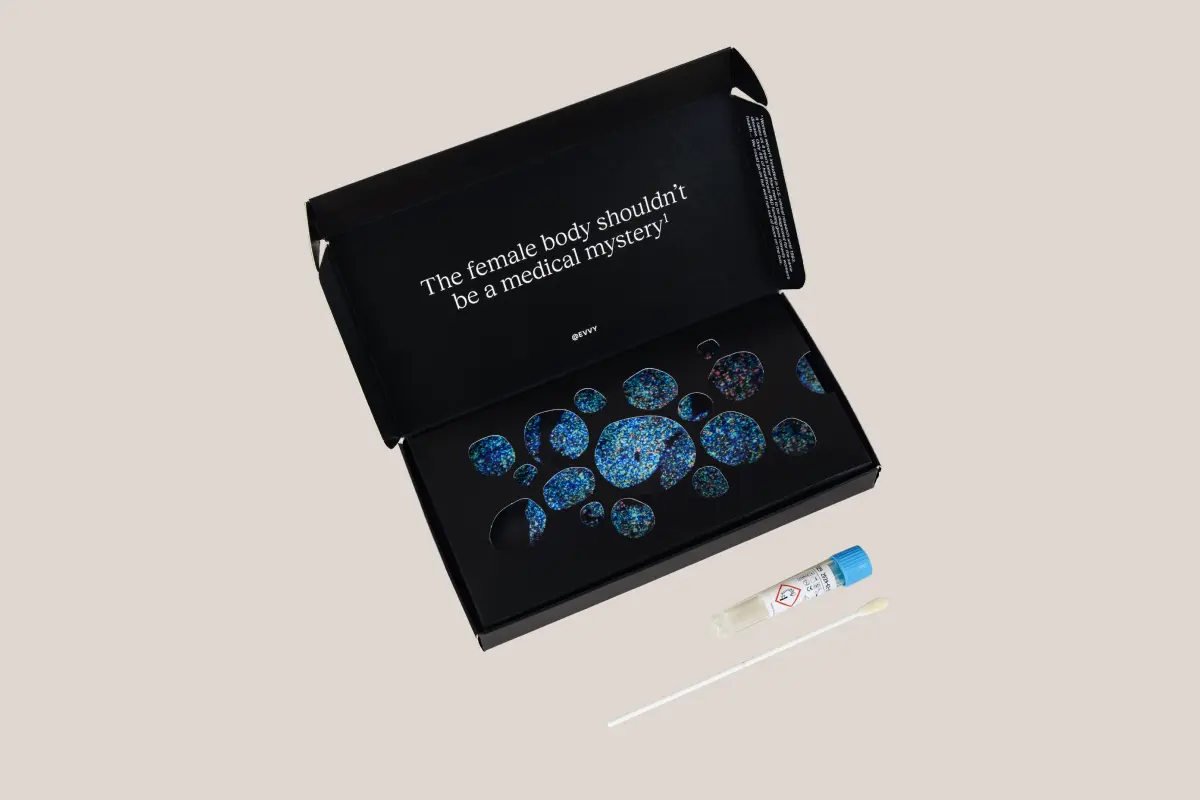
Get advanced insights into symptoms, fertility, and other health outcomes. Prelim results in 1-3 days.

Struggling to conceive? Learn how stress, hormones, and vaginal microbiome balance impact fertility — and how to support your body while TTC.
Words by Olivia Cassano
Scientifically edited by Dr. Krystal Thomas-White, PhD
Medically reviewed by Dr. Kate McLean MD, MPH, FACOG
Trying to conceive (TTC) is as exciting as it is stress-inducing. Many people notice that the harder they try to stay calm, the more anxious they feel. So it’s natural to wonder if stress actually makes it harder to get pregnant.
The short answer is yes, stress can contribute to infertility, especially when it’s high or ongoing. But it’s rarely a direct cause, and certainly not the only cause. It’s also something you can address with the right support. Let’s walk through what the science says, how stress affects the body, and what you can do to optimize your chances of conceiving.
When you’re stressed, you don’t just “feel” it. Stress affects your physical health in very real ways, and your entire stress-response system shifts into a different mode. This is controlled by the hypothalamic-pituitary-adrenal (HPA) axis, which releases cortisol and other stress hormones. These hormones are helpful in short bursts, but when they stay elevated for long periods, they start influencing other delicate systems, including your reproductive hormones.
During times of stress, the HPA axis can interfere with the hypothalamic-pituitary-ovarian (HPO) axis, which manages your menstrual cycle, ovulation, and progesterone production. Research shows that high stress can reduce estradiol and progesterone and disrupt luteinizing hormone (LH), which increases the risk of anovulation (when you don’t ovulate).
Research also found that women who have high levels of stress take longer to get pregnant and have lower chances of conceiving. In some cases, their risk of infertility is more than double compared to women with low stress levels. Stress is particularly important during the follicular and ovulatory phases of the cycle.
So while stress alone doesn’t “shut off” fertility, it can throw your hormones out of kilter, making it harder for ovulation, regular cycles, and implantation to happen smoothly.
Your brain and ovaries communicate constantly to coordinate your cycle. When the HPA axis is activated, cortisol and related hormones interfere with this communication. This can lead to:
These shifts make it harder for the ovary to develop a mature follicle and can shorten or weaken the luteal phase, affecting implantation chances.
It’s really important to stress (pun intended) the difference between short-term and chronic stress. A stressful day, a sleepless night, or a tough week won’t stop you from getting pregnant. The bigger concern is chronic, ongoing stress, which has a cumulative effect on hormone regulation. Long-term activation of the HPA axis keeps cortisol elevated, which increasingly disrupts the HPO axis over time.
This helps explain why some people can conceive during stressful life events, while others with persistent stress find TTC more challenging.
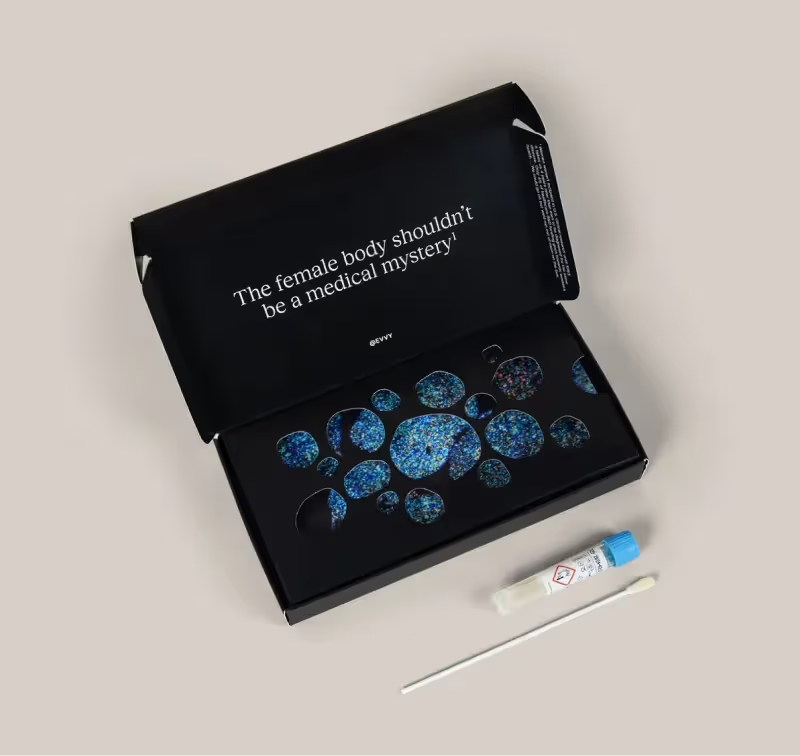
Recurrent symptoms? Get Evvy's at-home vaginal microbiome test, designed by leading OB-GYNs.
Stress alone rarely causes infertility. Most people who experience stress still ovulate and can conceive. But high or prolonged stress can absolutely reduce your chances, lengthen the time to pregnancy, and exacerbate underlying fertility issues.
Stress can hamper fertility by influencing:
Studies consistently show that people with higher stress markers take longer to conceive and may experience early pregnancy loss more often, especially if they already have reproductive vulnerabilities.
Ovulation is both one of the most stress-sensitive parts of the reproductive system and one of the most essential for conceiving. When cortisol is high, it can suppress gonadotropin-releasing hormone (GnRH), the hormone that starts the ovulatory process. This can lead to:
All of these reduce your chances of conceiving in a given month.
Stress affects male fertility, too. High stress levels can lower testosterone, reduce sperm count, impair motility, and increase DNA fragmentation. Even mild stress during a partner’s TTC journey can affect semen parameters, which means supporting both partners’ mental health matters.
Fertility is multi-factorial, and stress is only one part of a much bigger picture. In reality, conception depends on the smooth coordination of hormones, ovarian function, egg quality, uterine health, sperm health, and the vaginal microbiome.
Many people discover that the reason they’re not conceiving isn’t just one issue, but rather a combination of subtle factors that don’t show up on standard testing or aren’t routinely discussed during early fertility evaluations. Understanding the broader landscape can help you identify what’s within your control and what might need medical or lifestyle support.
Your vaginal microbiome plays a surprisingly important role in conception. A healthy, Lactobacillus-dominant microbiome helps maintain an acidic vaginal pH, protects against infections, and supports sperm survival as they travel through the reproductive tract. But when the microbiome becomes imbalanced because of bacterial vaginosis (BV), yeast overgrowth, inflammation, or low levels of Lactobacilli, it can make conception more challenging.
These imbalances can alter cervical mucus, create a less hospitable environment for sperm, and increase inflammation that interferes with implantation. Research also shows that recurrent or undiagnosed vaginal infections may raise the risk of early pregnancy loss. Because many vaginal imbalances are asymptomatic, they often go unnoticed until someone undergoes microbiome testing or starts investigating fertility more deeply. This is one reason Evvy focuses on uncovering vaginal health patterns that standard fertility tests miss.
Ovulation is one of the most delicate and timing-dependent parts of the fertility process. Even small hormonal shifts can affect whether an egg matures properly and when (or if) ovulation occurs. Conditions like polycystic ovary syndrome (PCOS), thyroid dysfunction (both hypo- and hyperthyroidism), and high prolactin levels can disrupt the signals between the brain and ovaries.
What makes these issues tricky is that they’re not always obvious. Some people still get “regular-ish” periods but aren’t ovulating consistently. Others have symptoms — fatigue, acne, hair changes, weight fluctuations — that don’t immediately point to hormones. And because routine hormone panels only capture a single moment in time, subtle imbalances can be missed unless someone advocates for deeper or repeated testing. Addressing these issues often improves not only fertility but also energy, mood, and overall well-being.
Nutrient levels play a meaningful role in fertility, and being low in certain vitamins or minerals can make it harder to conceive. Key nutrients like folate, iron, vitamin D, iodine, and zinc all support healthy ovulation, hormone balance, and early embryo development. When any of these are deficient, it can increase the risk of irregular cycles, lower conception rates, and even affect pregnancy health.
Folate is especially important when trying to conceive. The American Society for Reproductive Medicine recommends at least 400 mcg of folic acid daily, since folate supports healthy fetal development and is linked to better chances of conceiving. Research shows that people who get more folate (through diet or supplements) tend to have higher per-cycle pregnancy rates.
Iron deficiency is also extremely common and can lead to anovulation and poorer reproductive outcomes, especially in people who are anemic. Vitamin D, iodine, and zinc each play roles as well: vitamin D supports ovarian function, iodine helps keep thyroid hormones stable, and zinc is involved in egg quality and early placental development.
Overall, eating a nutrient-dense diet can naturally boost intake of many of these vitamins and minerals. But if a deficiency is suspected or confirmed, targeted supplementation can help restore balance and potentially improve fertility outcomes, including for those with unexplained infertility.
Psychological stress doesn’t directly “kill” your eggs, but it can influence the environment in which eggs develop — and that environment matters. Eggs take about 90 days to mature, so long-term stress can shape the hormonal, inflammatory, and metabolic conditions that support (or hinder) their development. Research shows that high stress can alter reproductive hormone levels, increase oxidative stress, and interfere with healthy ovulation, all of which may impact egg quality over time.
Stress can disrupt the hormonal signals that guide follicle growth, ovulation, and progesterone production. This can lead to:
Studies in humans show that increased stress is associated with lower fecundability (per-cycle chance of conception) and a longer time to pregnancy. While everyday stress isn’t usually an issue for people with proven fertility, chronic or intense psychological distress has been linked to poorer outcomes in those already struggling to conceive or undergoing IVF.
Implantation requires a well-regulated, receptive uterine lining. Preconception stress around ovulation and early implantation has been shown in animal studies and IVF research to affect this process. Elevated stress hormones may reduce blood flow to the uterus, increase inflammation, and alter the molecular signals that help an embryo attach and grow. While direct evidence in humans is still limited, the data suggest that higher levels of psychological stress can make implantation more difficult for some people, particularly those already experiencing fertility challenges.
When stress is combined with nutrient deficiencies, especially iron deficiency, the risks increase. Both high stress and anemia have been linked to a greater likelihood of early pregnancy loss, especially in people with a history of miscarriage or other vulnerabilities. Addressing both emotional and physical health factors can create a more supportive environment for conception and pregnancy.
One of the hardest parts of TTC is the emotional toll it can take. Month after month, the routine of tracking ovulation, timing sex, and waiting for results can slowly turn into a cycle of hope and heartbreak. When you’ve been trying for a while, it’s completely normal to feel physically, mentally, and emotionally drained. Fertility struggles can increase feelings of isolation, anxiety, and depression, especially when it seems like everyone around you is growing their families.
What makes this cycle so overwhelming is that emotional stress often shows up in the body, too. It can affect how well you sleep, what you crave, how your digestion works, and even how your hormones function. You may find yourself constantly analyzing your body’s signals, Googling every symptom, or comparing your journey to others. Over time, this can intensify your body’s stress response and make everything (even your relationship, career, and friendships) feel heavier than it used to.
You might notice:
These feelings can be difficult to deal with, but they’re also incredibly common. If you’re experiencing them, it does not mean you’re “letting stress get in the way.” You’re simply reacting to a genuinely difficult experience.
During infertility treatment, it's really important to care for yourself emotionally. Talking openly with a therapist, support group, or trusted friend can bring enormous relief and help you feel understood rather than isolated. Many people find strength in connecting with others who have gone through similar experiences, whether in person or online.
Mindfulness practices like meditation, breathwork, or grounding exercises can help calm the central nervous system and create moments of mental space when everything feels overwhelming. Fertility-focused counseling can be especially helpful because these professionals understand the unique emotional rollercoaster TTC brings. Journaling your fertility journey can also help you process complex emotions, track triggers, and feel a sense of ownership over your story.
Remember, coping doesn’t mean pretending to be positive or pushing emotions aside. It means allowing yourself to feel what you feel and finding support that makes the load lighter.
There’s no “wrong” time to seek help. Many people benefit from speaking with a mental health professional early in their fertility journey, especially when stress begins to affect daily life. If you’re experiencing panic attacks, insomnia, constant withdrawal from social activities, persistent sadness, or hopelessness, these may be signs that your emotional health needs more support.
Therapists who specialize in infertility can help you untangle the mix of grief, fear, and pressure that often builds up over time. They can also offer coping tools tailored to your personality and situation, whether you're struggling with two-week-wait anxiety, pregnancy announcements in your social circle, or decisions about fertility treatment.
The goal isn’t to “eliminate” stress, because that’s basically impossible (and honestly, not even necessary). Stress is a normal human response, especially during something as emotionally charged as trying to conceive. What is helpful is reducing the overall load your nervous system is carrying so that your body feels safer, calmer, and more supported. Even small shifts in daily habits can improve hormone balance, sleep quality, mood, and the way your body moves through its cycle. Research found that people who use healthy coping tools during TTC feel more grounded and sometimes even experience better fertility outcomes.
Gentle, consistent habits are the foundation of stress reduction. They help signal to your body that it can transition out of “fight or flight” response and into a calmer state where hormones like cortisol settle down.
These habits aren’t meant to be restrictive, so it's not about adding more to your plate. Rather, they’re gentle supports that give your body the stability it needs during a physically and emotionally demanding time.
Beyond lifestyle habits, certain techniques directly target the stress systems most likely to influence reproductive hormones. These practices create moments of calm that help rebalance the HPA axis and improve emotional resilience.
Sometimes reducing stress starts with getting answers. Uncertainty is incredibly stressful, and many people find relief once they begin receiving personalized information about what might be affecting their fertility.
Working with a fertility specialist can help you understand cycle patterns, hormone levels, ovulation timing, and other potential medical factors. Even if you’re early in the TTC process, a consultation can bring peace of mind.
Comprehensive testing — including hormone testing, semen analysis, thyroid evaluation, and vaginal microbiome testing through Evvy — can uncover hidden issues like infections, inflammation, or hormonal imbalances. Knowing what’s happening in your body allows you to address it rather than guess, which significantly reduces the emotional load.
The more clarity you have, the less your mind has to fill in the blanks with worry, and the more empowered you feel to move forward with confidence.
If it seems like everyone around you is getting pregnant, it’s completely normal to feel left behind, overwhelmed, or even heartbroken. Below are some practical coping mechanisms when it feels like everyone else is moving forward:
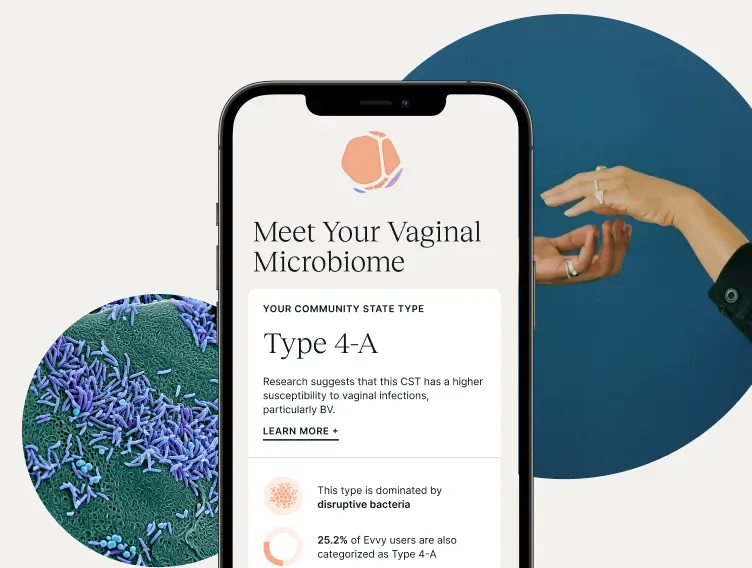
Evvy’s Vaginal Health Test goes far beyond standard fertility testing. By analyzing your vaginal microbiome, Evvy helps identify infections, inflammation patterns, or imbalances that may be quietly affecting conception — issues that often get missed in traditional fertility evaluations. Understanding your microbiome gives you a clearer picture of one of the body’s most overlooked factors in TTC.
With Evvy’s Fertility Insights, you can learn:
Emerging research shows that vaginal microbiome balance plays an important role in fertility, particularly in early pregnancy outcomes and even in infertility treatment success rates. Evvy’s Women’s Complete Probiotic contains clinically-validated Lactobacillus strains shown to support and balance the vaginal microbiome, giving you one more evidence-based tool in your TTC toolkit as you work toward a healthier reproductive environment.
Stress alone rarely causes infertility, but it can make the process take longer by disrupting the hormones responsible for regular ovulation. When cortisol stays elevated, it can interfere with GnRH, LH, and FSH, all hormones your body needs to release a healthy egg each month. This can lead to delayed ovulation, irregular cycles, or a shorter luteal phase, all of which reduce your chances of conceiving. Most people under stress still get pregnant, but if stress is chronic or paired with other fertility challenges, it can play a meaningful role in delaying conception.
Eggs don't react to stress immediately, but they take about 90 days to mature. This means that ongoing stress can affect the hormonal and inflammatory environment in which they grow. High levels of cortisol over time may impact estrogen production, follicle development, and the overall health of the ovaries. Although stress by itself usually doesn’t cause significant problems with egg quality, it can contribute to issues, especially when combined with age, low ovarian reserve, or nutrient deficiencies. Taking care of your mental health can help protect the conditions in which your eggs develop month by month.
It can be hard to tell, because stress symptoms often overlap with normal cycle variations. But signs may include irregular periods, missed periods, delayed ovulation (longer cycles), disrupted sleep, noticeable changes in cervical mucus, or unexpected spotting. Emotionally, you may feel overwhelmed, mentally drained, or unusually anxious about TTC. If patterns persist for several months or you’re unsure what’s causing the changes, a fertility specialist can help assess ovulation patterns and hormone levels. Sometimes, identifying the source of stress or confirming your cycles are normal brings a huge sense of relief.
Infertility-related depression is extremely common and nothing to be ashamed of. Start by acknowledging your feelings and removing the pressure to “stay positive.” Talking to a therapist, especially one who understands fertility issues, can provide emotional tools and coping strategies that really help. Support groups, meditation, journaling, and connecting with others who’ve been through TTC struggles can also ease the emotional load. If you’re experiencing psychological symptoms like hopelessness, constant sadness, panic, or trouble functioning day to day, seeking professional mental health support is important. You deserve care, understanding, and a space to process what you’re going through.









.avif)