CONGRATS! YOU EARNED FREE SHIPPING.

Product Title
1
$0
$0
Subscription Title

Looking kind of empty in here.
We recommend:
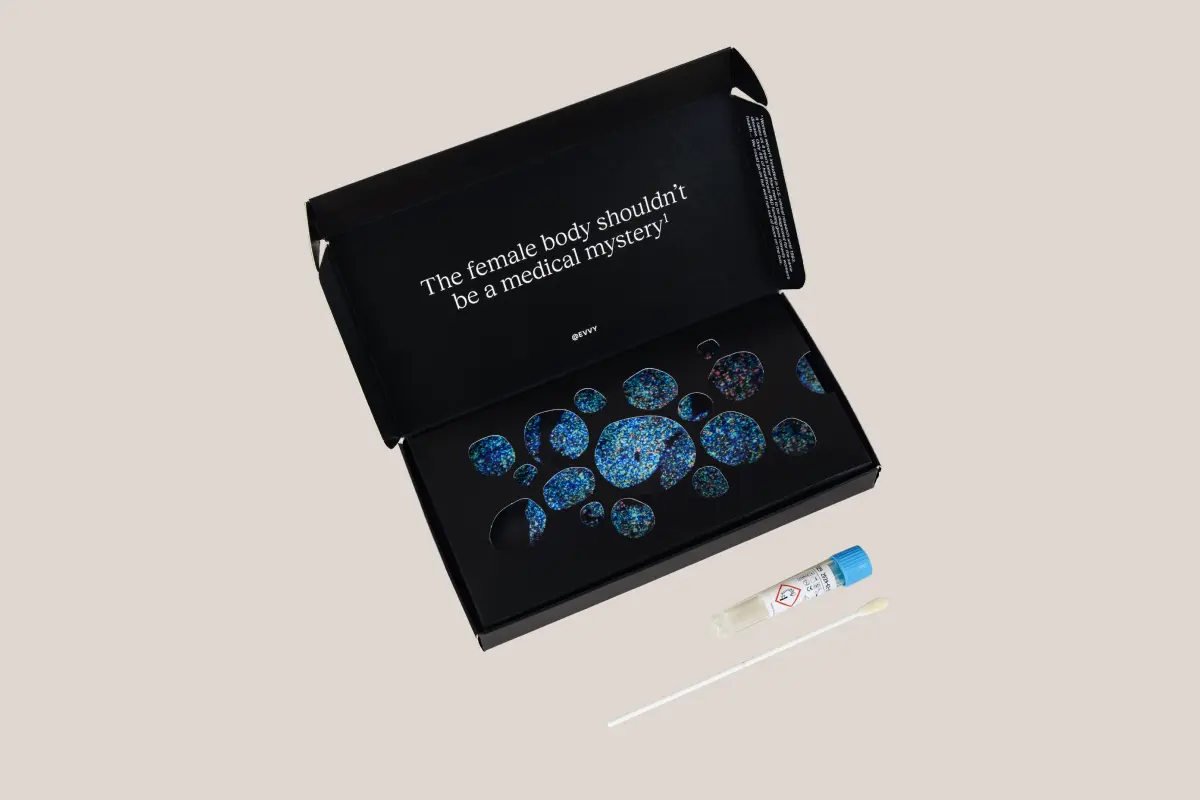
Get advanced insights into symptoms, fertility, and other health outcomes. Prelim results in 1-3 days.

How does exercise affect fertility? Learn which workouts support conception, what to avoid, and how to exercise safely when trying to get pregnant.
Words by Olivia Cassano
Scientifically edited by Dr. Krystal Thomas-White, PhD
Medically reviewed by Dr. Kate McLean MD, MPH, FACOG
Physical activity is often talked about as a way to “boost” fertility, and for good reason. Moving your body regularly can support hormone balance, reduce stress, and improve overall reproductive health. But when you’re trying to get pregnant, it’s not just whether you exercise that matters — it’s how, how much, and what kind.
Both too little movement and too much intense training can affect your chances of conceiving. Finding the right balance is key. Keep reading to learn how exercise affects fertility, and how to build a routine that works with your body — not against it.
Exercise affects fertility in what researchers call a “dose-dependent” way. That simply means the impact depends on the amount and intensity. In layman’s terms, this means finding the right balance. Moderate, regular movement is generally linked to better fertility outcomes, while extremes on either end (being very sedentary or overtraining) can interfere with your reproductive health.
In people with ovaries, exercise helps regulate hormones involved in ovulation and the menstrual cycle. When activity levels are balanced, exercise can support more regular cycles, healthier ovulation, and improved progesterone levels after ovulation. For those with conditions like polycystic ovary syndrome (PCOS), insulin resistance, or higher body weight, moderate exercise can be especially helpful in restoring ovulation and improving hormone balance.
Exercise can help male fertility, too. Moderate exercise is linked to better sperm count, movement, shape, and healthier testosterone. But working out too hard or for too long can mess with hormones and hurt sperm quality.
What’s important to know is that fertility doesn’t improve endlessly the more you exercise. Studies show a non-linear relationship: fertility benefits rise with moderate exercise, but after a certain threshold — often around five to six hours per week of vigorous exercise — the risk of fertility issues can increase. In other words, working out more doesn’t equal being more fertile.
The TL;DR on exercise and fertility is:
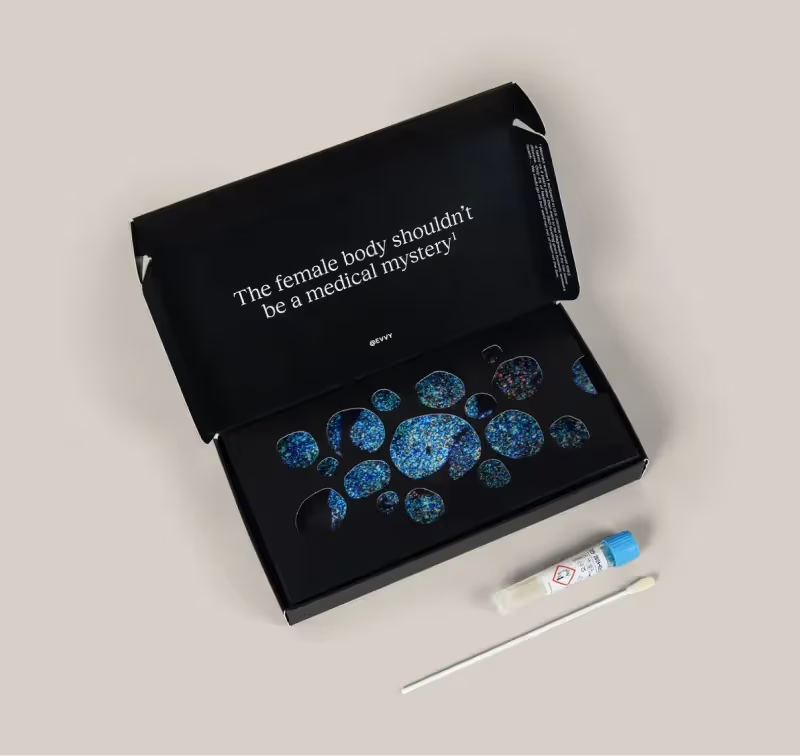
Recurrent symptoms? Get Evvy's at-home vaginal microbiome test, designed by leading OB-GYNs.
When done in a sustainable, moderate way, physical activity offers several fertility-supporting benefits for both partners. It’s not about pushing your limits, but rather about creating a healthy internal environment where conception is more likely to happen.
The short answer is: yes, but only when physical activity becomes too intense, too long, or paired with not eating enough.
Vigorous or excessive exercise can interfere with fertility by disrupting the communication between the brain and reproductive organs. In people with ovaries, excessive training can suppress signals from the hypothalamus and pituitary gland, leading to problems with ovulation and hormone production.
This can look like light, missed, or irregular periods. For example, hypothalamic amenorrhea is when periods stop because of too much exercise, not eating enough, stress, or being underweight. Conditions like the Female Athlete Triad or Relative Energy Deficiency in Sport (RED-S) describe this same pattern of low energy availability affecting hormones, bones, and overall health.
Research suggests that exceeding moderate thresholds (more than five to six hours per week of vigorous activity or daily high-intensity workouts) increases the risk of infertility, especially in people with normal or low body mass index.
In men, very intense endurance training or excessive cycling has been linked to lower testosterone levels, low sperm count, and reduced sperm quality. These effects are often related to energy deficit, oxidative stress, and increased scrotal temperature. The good news is that in many cases, these changes are reversible once training load and energy intake are adjusted.
Finding the right exercise balance when trying to conceive isn’t about doing more. It’s about doing what supports your body best to create the strongest possible foundation for fertility.
When your goal is conception, the best workouts are ones you could comfortably continue into early pregnancy. These activities support circulation, hormone balance, and stress reduction without putting excessive strain on the body.
Not all movement is harmful, but certain patterns and habits are more likely to interfere with fertility.
The common thread here is using common sense and moderation. If you live a mostly sedentary life, trying to become a pro athlete overnight will do little to no good for your fertility. But if you’re already someone who trains consistently, you’re likely good to keep working out the way you do — at most, you may want to take it a bit easier. You should discuss your activity levels with your healthcare provider or a fertility specialist, who can recommend whether or not you need to switch up your routine.
Many people worry that exercising during ovulation or the implantation window could somehow “shake things loose.” The good news is that, for most women, moderate exercise is considered safe during both ovulation and the days after ovulation when implantation may occur.
Ovulation happens inside the ovary, and implantation occurs several days later within the uterus. Normal daily movement and moderate workouts don’t interfere with either process. Regular, moderate exercise may support fertility, especially for people with ovulatory dysfunction. Only very intense exercise has been linked to ovulation issues, and this isn’t typical for most people.
During ovulation and the two-week wait, listening to your body is key. If intense workouts feel draining or stressful, it’s okay to scale back. Walking, yoga, light strength training, stretching, and other gentle movement options can support blood flow, lower stress, and help you feel grounded during this phase.
Physical activity is just one piece of the fertility puzzle. Sometimes, hidden factors like vaginal microbiome imbalances can also affect reproductive health and make it harder to conceive.
The vaginal microbiome plays an important role in fertility, implantation, and pregnancy outcomes. Certain imbalances or untreated infections may increase inflammation or interfere with sperm survival and embryo implantation, often without obvious symptoms.
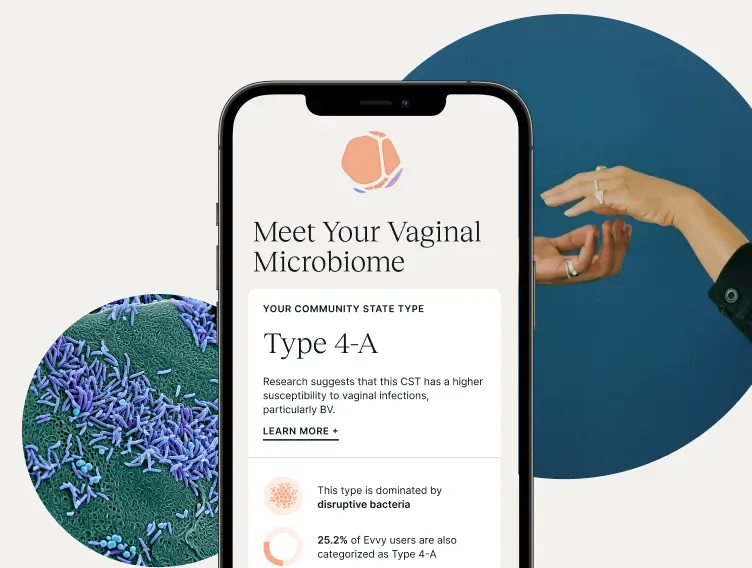
Evvy’s Vaginal Health Test gives you a comprehensive look at your vaginal microbiome using advanced sequencing technology. With Evvy’s new Fertility Insights, you can better understand how your unique microbiome may be impacting your fertility and what steps you can take to support a healthier environment for conception. Whether you’re just starting to try or have been trying for a while, testing can help uncover factors that routine exams often miss.
If you’re optimizing your exercise routine but still have questions about your fertility, Evvy can help you get answers (and a plan) backed by data.
No. Doing moderate exercise during ovulation is safe and doesn’t reduce your chances of conceiving. Activities like walking, yoga, swimming, or light strength training won’t interfere with ovulation or fertilization. Many people actually feel like they have more energy around ovulation, which can make movement feel good. Just pay attention to your body and avoid pushing through extreme fatigue, dizziness, or stress.
There’s no right or wrong exercise when you’re trying to conceive, but if you want to err on the side of caution, it's best to avoid workouts that put a lot of ongoing stress on your body — especially if they’re not already part of your workout routine, you’re not fuelling your body adequately, or you’re not resting enough in between sessions. Things like overtraining, lots of HIIT, long-distance endurance sports, or heat-based activities like hot yoga and frequent sauna use can be tough on your system. These may cause missed periods, irregular menstrual cycles, or low energy.
Very intense exercise, particularly when paired with high stress or not eating enough, may affect hormone balance and blood flow, which could make implantation less supportive in some people. That said, normal, moderate activity does not prevent implantation, and gentle movement during the two-week wait is generally considered safe and beneficial.
Yes. Squats and other strength training exercises are safe while trying to conceive and can be helpful for building muscle, supporting metabolism, and improving overall fitness. Stick to good form, moderate weights, and a pace that feels sustainable rather than exhausting.
There’s no single “best” workout for everyone. The most fertility-friendly exercises are ones you can do consistently without putting too much stress on your body, such as walking, moderate cardio, strength training a few times per week, yoga, or Pilates. The best choice is one that supports your energy, mental health, and hormone balance.
Yes. Lifting weights in moderation can support hormonal health, insulin sensitivity, and muscle strength, all of which are helpful for fertility and pregnancy. The key is avoiding excessive volume, very heavy loads, or daily intense lifting without enough recovery or proper nutrition.







.avif)