CONGRATS! YOU EARNED FREE SHIPPING.

Product Title
1
$0
$0
Subscription Title

Looking kind of empty in here.
We recommend:
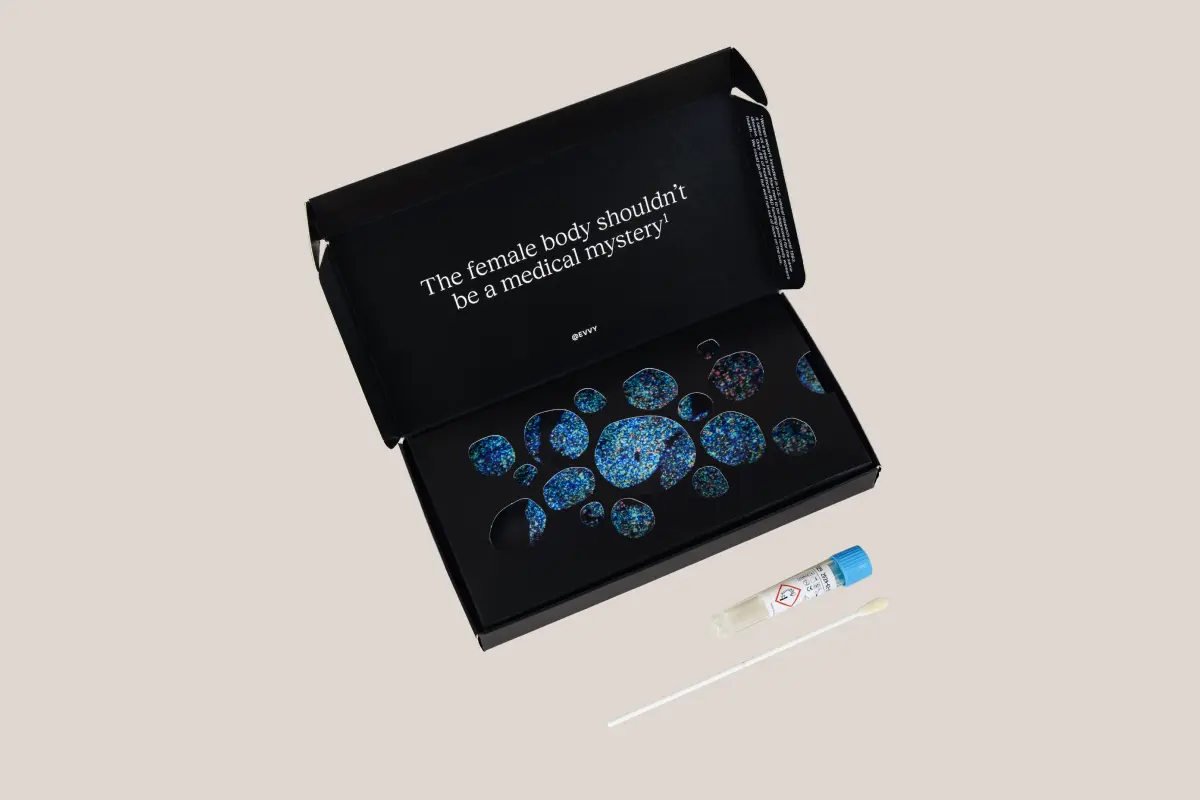
Get advanced insights into symptoms, fertility, and other health outcomes. Prelim results in 1-3 days.

Learn when to start testing for ovulation, how timing affects fertility, and how to use ovulation tests to support conception with confidence.
Words by Olivia Cassano
Scientifically edited by Dr. Krystal Thomas-White, PhD
Medically reviewed by Dr. Kate McLean MD, MPH, FACOG
If you’re thinking about getting pregnant, you’ve probably heard a lot about ovulation, and for good reason. Ovulation is the key event that makes pregnancy possible, and timing intercourse around it can significantly improve your chances of conceiving.
But one of the most common questions women ask is: when should I actually start testing for ovulation? The answer depends on your cycle length, how regular your periods are, and your personal fertility goals.
Ovulation tests work by detecting luteinizing hormone (LH) in your urine. LH is a key hormone involved in ovulation. LH stays at a low level for most of your cycle, then rises sharply just before ovulation. This rise, known as the LH surge, tells your ovaries it’s time to release an egg.
Ovulation typically happens about 24 to 48 hours after a positive LH test. Because of this timing, ovulation tests are designed to predict ovulation before it happens rather than confirm it afterward. This advance notice is especially helpful when you’re trying to conceive, since it allows you to time unprotected sex during your most fertile days.
To catch the LH surge, ovulation testing is usually started a few days before you expect to ovulate. If testing begins too late, the surge can be easy to miss, even in cycles where ovulation is happening regularly.
Pregnancy doesn’t just depend on the exact day of ovulation. Sperm can survive in the reproductive tract for up to five days, while an egg is only viable for about 12 to 24 hours after ovulation. Because of this difference, the fertile window actually spans several days, starting before ovulation and ending shortly after it occurs. The days leading up to ovulation are often just as important — sometimes even more important — than ovulation day itself.
Ovulation testing helps you identify when this fertile window is opening so you can time intercourse when the chances of conception are highest. Testing too early can feel discouraging and waste test kits (and money), but starting too late can mean missing the LH surge altogether and losing valuable fertile days. Finding the right timing makes ovulation testing more effective, less stressful, and more informative.
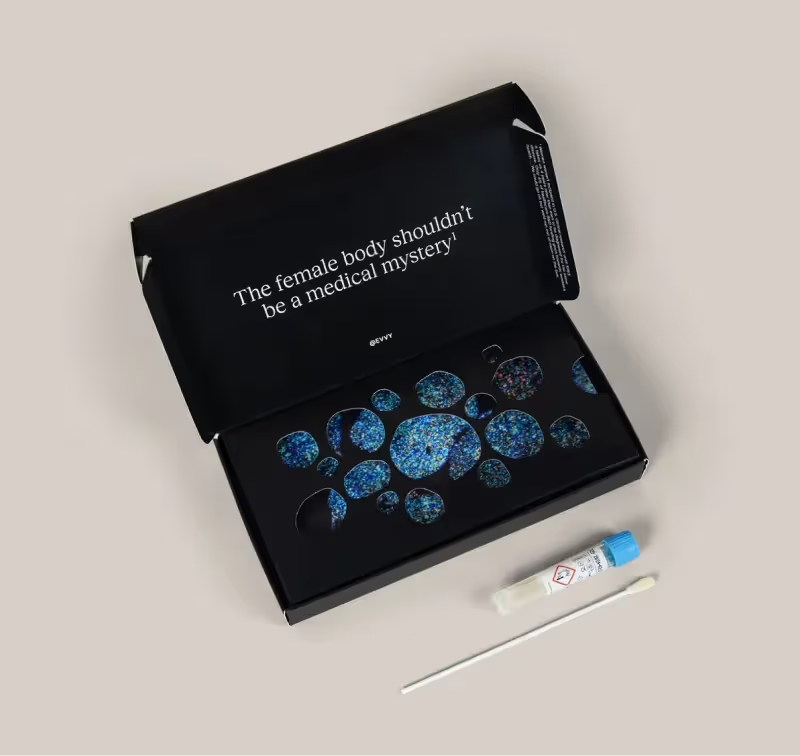
Recurrent symptoms? Get Evvy's at-home vaginal microbiome test, designed by leading OB-GYNs.
If your cycle is very regular and lasts about 28 days, you’re in the easiest category when it comes to ovulation testing.
Ovulation often happens around day 14 of a 28-day cycle (with day one being the first day of your period). Since the LH surge occurs before ovulation, it’s a good idea to start testing a bit earlier. For most folks with a regular 28-day cycle, starting to test around days 10 to 12 is recommended. Keep testing daily until you get a positive ovulation test or your period starts.
Some women will see a positive LH test on day 12, others on day 13 or 14. Bodies aren’t robots, and a small amount of variation is completely normal, even in regular cycles.
If your cycle is shorter than 28 days, ovulation usually happens earlier. For example, in a 24-day cycle, ovulation might occur around day 10 instead of day 14.
A helpful way to think about this is to estimate the midpoint of your cycle. Then, start testing about four to six days before that midpoint.
So if your cycle is typically 24 days long, the midpoint is around day 12. Starting ovulation testing around day six to eight can help ensure you don’t miss your LH surge.
Short cycles can feel rushed, but early testing gives you breathing room and more accurate information about your fertile window.
Longer cycles (such as 32, 35, or even 40 days) typically indicate that ovulation occurs later. However, ovulation timing can be less predictable in long cycles, especially if your periods aren’t always the same length.
A general approach for longer cycles is to start testing around nine to 12 days after your period begins, then continue testing daily. Once you notice a pattern emerging over several cycles, you can adjust your start day to better align with your body.
With longer cycles, patience is important. It may take more test strips, but catching that LH surge is still very possible with consistent testing.
Irregular cycles can make ovulation testing feel confusing, but they’re also one of the situations where testing can be especially helpful.
If your periods come at unpredictable intervals, you may not know when (or if) you’re ovulating. In these cases, it’s often recommended to begin testing earlier in the cycle, sometimes as early as day seven, and continue daily until a surge is detected.
Because this can mean many days of testing, it’s helpful to pair ovulation tests with other fertility signs, such as changes in cervical mucus or basal body temperature (BBT). Cervical mucus often becomes clear, slippery, and stretchy in the days leading up to ovulation, offering another clue that your fertile window is opening.
Testing for ovulation should be initiated in women with irregular menstrual cycles or when menstrual history is indeterminate, both to confirm ovulatory status and to guide further evaluation if needed.
Not everyone needs ovulation testing. In women with regular, predictable cycles and typical premenstrual symptoms, ovulation is highly likely, and routine ovulation testing is generally unnecessary. Many couples conceive simply by having regular intercourse throughout the cycle, especially during the middle days.
That said, many women still choose to test because it offers reassurance, clarity, and a sense of control. There’s nothing wrong with using ovulation tests even if your cycles are regular.
If your goal is to optimize your chances of conceiving as quickly as possible, timing becomes more precise.
For those actively trying to conceive, urinary LH testing may begin earlier in the cycle (for example, day seven) and continue daily until a surge is detected. Once you see a positive test, ovulation typically occurs within 24–48 hours.
Combining LH testing with cervical mucus monitoring increases accuracy when predicting the fertile window. When both signs line up, you can feel more confident that your body is gearing up to ovulate.
Remember, because sperm can survive for several days, having sex in the days before ovulation is just as important as ovulation day itself.
If you have polycystic ovary syndrome (PCOS), ovulation testing can be more challenging. PCOS affects ovulation because hormone signaling between the brain and ovaries is often disrupted, which can prevent eggs from maturing or being released regularly.
Many people with PCOS also have higher baseline LH levels, which can cause ovulation tests to look positive even when ovulation isn’t actually about to happen, or show more than one “surge” in a single cycle.
Because of this, it can help to pair ovulation tests with BBT. Basal body temperature rises slightly after ovulation, giving you confirmation that ovulation really occurred rather than just a prediction.
There’s still no one-size-fits-all approach for ovulation testing in PCOS, and researchers are continuing to learn more. If testing feels frustrating or unclear, reaching out to a healthcare provider can be reassuring — they can help you make sense of patterns and find an approach that works best for your body.
Ovulation tests are simple to use, but a few small habits can make them more reliable in giving you a positive result:
Ovulation tests are really helpful for tracking things at home, but sometimes doctors use other methods to confirm whether ovulation actually happened. One common option, especially during an infertility evaluation, is a mid-luteal progesterone blood test. This test looks at progesterone, a hormone your body makes after ovulation.
The blood test is usually done about one week before your next expected period, not on a specific cycle day. If the progesterone level comes back above 3 ng/mL, it’s a strong sign that ovulation likely occurred in that cycle.
This kind of testing isn’t needed for everyone, especially if your cycles are regular and ovulation seems clear. But it can be very reassuring if you’ve been trying to conceive for a while, have irregular cycles, or feel unsure whether you’re ovulating. It gives a clearer answer and can help guide next steps if extra support is needed.
Once you get a positive LH test, you can usually stop testing for that cycle. The surge has been detected, and ovulation is likely to happen within the next day or two. At that point, the focus shifts from testing to timing intercourse during your fertile window.
If you don’t see a positive result, keep testing daily until your period starts. This can feel frustrating, but over time, patterns often become easier to spot. After a few cycles, you may be able to adjust when you start testing so it better matches your body’s natural rhythm.
Trying to conceive can bring up a mix of excitement, hope, and stress. Ovulation testing is simply a tool to gather information — it’s not a measure of your worth or a judgment of your body. Some cycles feel clear and predictable, while others feel confusing or inconsistent, and both experiences are completely normal. Learning when to start testing for ovulation is really about getting to know your body and giving yourself the best chance to understand what’s happening.
If you’ve been trying to conceive and things aren’t happening as quickly as you hoped, it’s okay to ask for extra support. In general, it’s recommended to speak with a healthcare provider about fertility testing if you’re under 35 and haven’t conceived after a year of trying, or after six months if you’re 35 or older. Reaching out doesn’t mean something is wrong; it just means you’re taking care of yourself and getting the guidance you deserve.
Most people should start testing for ovulation a few days after their period ends, before ovulation is expected to happen. If you have a regular 28-day cycle, starting around cycle day 10 to 12 is usually ideal. For shorter cycles, testing may need to begin earlier, while longer or irregular cycles may require starting nine to 12 days after your period begins. The goal is to begin early enough to catch the LH surge before ovulation occurs.
The best time to take an ovulation test is typically late morning to early evening, when LH levels are more likely to be detectable in urine. Try to test at the same time each day and avoid drinking large amounts of fluids beforehand, as this can dilute your urine. Unlike pregnancy tests, ovulation tests do not need to be taken first thing in the morning to be accurate.
Ovulation counting starts on the first day of your period, which is considered cycle day one. From there, you estimate ovulation based on your average cycle length, with ovulation often occurring about 12 to 14 days before your next period. Because ovulation can shift from cycle to cycle, using ovulation tests or fertility signs like cervical mucus can help confirm when ovulation is actually approaching.



.avif)