CONGRATS! YOU EARNED FREE SHIPPING.

Product Title
1
$0
$0
Subscription Title

Looking kind of empty in here.
We recommend:
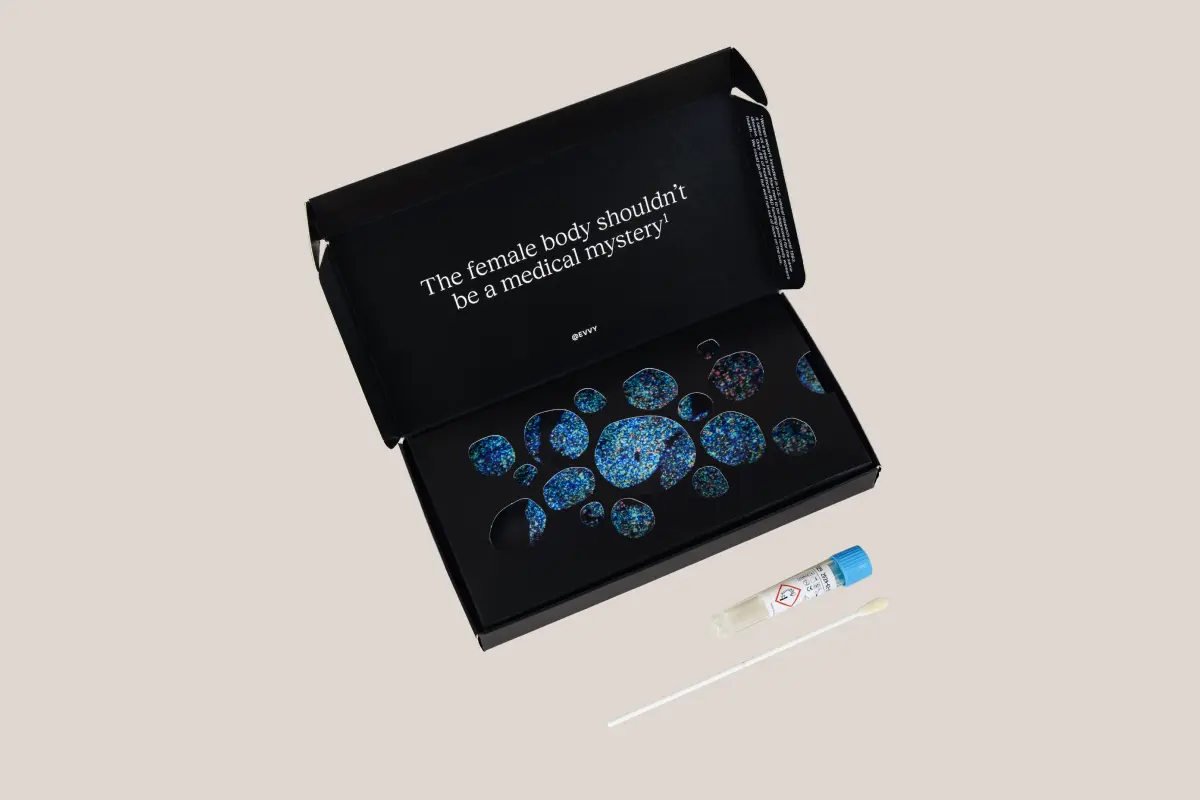
Get advanced insights into symptoms, fertility, and other health outcomes. Prelim results in 1-3 days.

Vaginal dryness while breastfeeding is common. Learn why low estrogen causes dryness, symptoms to watch for, and safe treatment options.
Words by Olivia Cassano
Scientifically edited by Dr. Krystal Thomas-White, PhD
Medically reviewed by Dr. Kate McLean MD, MPH, FACOG
Breastfeeding comes with plenty of surprises. One of the more common but rarely talked-about postpartum changes is vaginal dryness. If sex suddenly feels uncomfortable or you notice more burning or itching than usual, it could be because you’re breastfeeding.
Vaginal dryness is a common side effect of breastfeeding, and affects more than half of people who breastfeed. Hormones are often the main culprit, but they’re not the whole story. Shifts in estrogen, changes in vaginal tissue, and even disruptions to the vaginal microbiome can all contribute to dryness and discomfort.
Below, we’ll break down the connection between vaginal dryness, breastfeeding, and the safe, effective ways to find relief while you continue nursing.
The short answer is hormones. The longer answer has to do with how breastfeeding shifts your entire hormonal system into baby-feeding mode.
Estrogen levels drop significantly after childbirth, allowing prolactin levels to increase for milk production. Prolactin is great for your baby's development, but it suppresses the hypothalamic-pituitary-ovarian axis, the hormonal feedback loop that regulates ovulation and estrogen production. Specifically, prolactin reduces the release of gonadotropin-releasing hormone (GnRH), which leads to lower levels of luteinizing hormone (LH) and estradiol (a form of estrogen).
Estrogen plays a major role in keeping vaginal tissue thick, elastic, well-lubricated, and slightly acidic. When estrogen levels drop (as they do during breastfeeding), the vaginal lining (epithelium) becomes thinner and drier, produces less natural lubrication, and repairs itself more slowly. This hypoestrogenic (low-estrogen) state can lead to dryness, burning, itching, and pain with sex (called dyspareunia).
Medical research has consistently shown that vaginal dryness and atrophy are significantly more common in breastfeeding individuals than in those who are postpartum but not lactating. Systematic reviews estimate that over half of lactating people experience vaginal dryness, and nearly two-thirds experience some degree of vaginal atrophy. Sexual discomfort and dysfunction are also common, affecting up to three-quarters of breastfeeding individuals.
Luckily, this low-estrogen state is temporary. For most women, vaginal dryness associated with breastfeeding is temporary and improves as breastfeeding frequency decreases and menstruation returns.
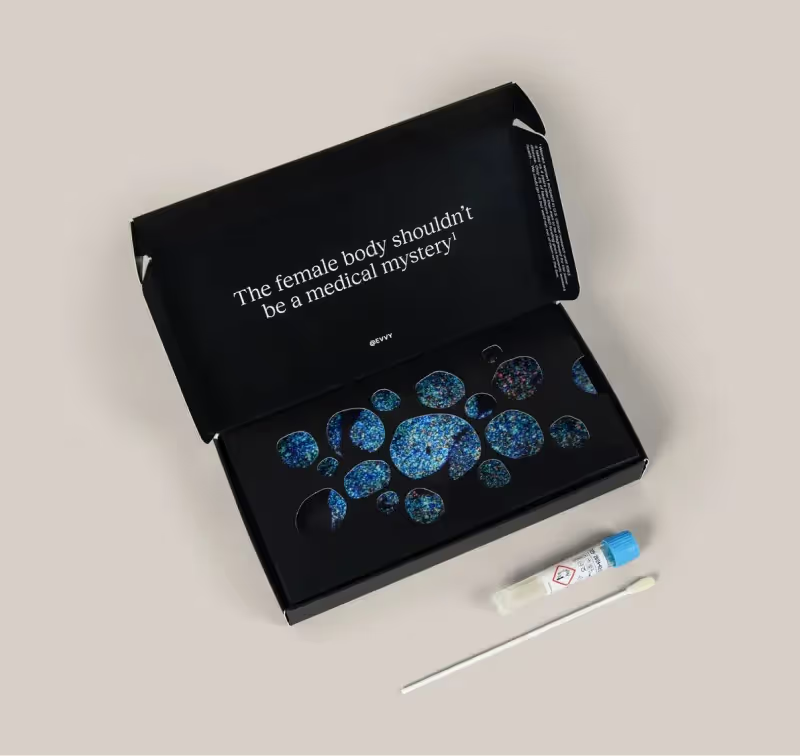
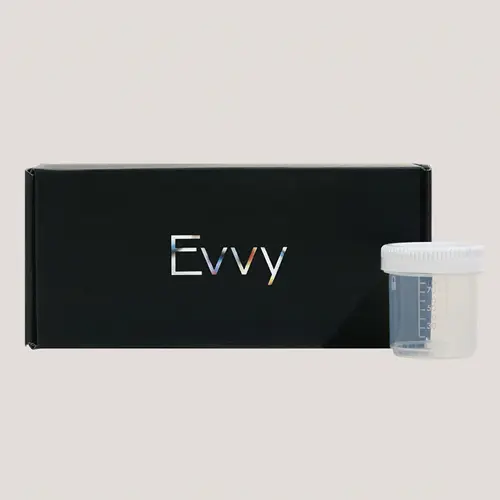
Recurrent symptoms? Get Evvy's at-home vaginal microbiome test, designed by leading OB-GYNs.
Vaginal dryness doesn’t always show up as just “dryness.” For many people, it’s a collection of uncomfortable sensations that can affect daily life, intimacy, and even peeing. Common symptoms of dryness while breastfeeding include:
Because estrogen also helps maintain healthy vaginal bacteria, low estrogen can raise vaginal pH and reduce protective Lactobacillus species. This microbiome shift may make dryness feel worse and increase susceptibility to infections like bacterial vaginosis (BV) or recurrent yeast infections. That’s one reason why symptoms can vary so widely, and why understanding your vaginal microbiome can be such a game-changer.
Treatment for vaginal dryness during breastfeeding is typically symptom-focused and stepwise, meaning you start with the safest, simplest options and build from there if needed. Most people find relief without stopping breastfeeding or using systemic hormones.
First-line treatment is non-hormonal therapy. Most guidelines support regular use of vaginal moisturizers and lubricants as the foundation of care. These products help restore moisture, improve comfort, and reduce friction without affecting milk production.
If symptoms persist or are severe, localized hormonal options may be considered under medical guidance. Lifestyle adjustments and microbiome support can also make a meaningful difference, especially when dryness is accompanied by recurrent infections or irritation.
Non-hormonal vaginal moisturizers and lubricants are considered safe during breastfeeding and are usually the first thing clinicians recommend.
Vaginal moisturizers are designed for regular use (typically several times per week) to improve moisture and tissue comfort. Many of these products contain hyaluronic acid, which helps attract water to the vaginal tissue, restoring hydration and elasticity. Clinical trials show that gels with hyaluronic acid can significantly boost vaginal health and improve sexual function for postpartum women. Plus, hormone-free moisturizers can offer similar benefits to low-dose estriol cream for those experiencing mild to moderate symptoms.
Lubricants can really enhance your experience during sexual activity by reducing friction and discomfort during penetration. If you're breastfeeding, both water-based and silicone-based options are safe for you to use. Silicone-based lubricants are great because they tend to last longer and can provide extra comfort during sex, while water-based lubricants are super easy to wash off and are widely available.
A quick safety note: water- and silicone-based lubricants are compatible with condoms, while oil-based lubricants aren’t. It’s also worth checking ingredient lists. Some people are sensitive to parabens, glycerin, or propylene glycol, which can cause further irritation. For persistent pain at the vaginal opening, some providers may suggest topical lidocaine applied shortly before sex to temporarily numb nerve endings and reduce discomfort.
Low-dose vaginal estrogen is highly effective for treating vaginal atrophy and dryness, but it’s generally considered a second-line option during breastfeeding.
Unlike systemic estrogen, localized vaginal estrogen (in the form of a cream, tablet, or ring) delivers very small doses directly to vaginal tissue. This can significantly improve lubrication, tissue thickness, and comfort. However, there is potential for minimal systemic absorption, which is why its use during breastfeeding should involve shared decision-making with a healthcare provider.
In practice, many doctors reserve vaginal estrogen for cases where non-hormonal options haven’t provided enough relief. The safety profile depends on the specific product, dose, and individual circumstances. If you have a history of hormone-sensitive cancer or other contraindications, consultation with a specialist is essential.
Other hormonal options like vaginal DHEA (prasterone) or oral selective estrogen receptor modulators are generally not first-line for breastfeeding individuals due to limited safety data in this population.
While lifestyle changes won’t replace medical treatment, they can support vaginal comfort and healing if you're experiencing postpartum vaginal dryness.
Staying well-hydrated, using gentle, fragrance-free soaps externally only, and avoiding douching or harsh cleansers can reduce irritation. Wearing breathable cotton underwear and changing out of sweaty clothes promptly may also help.
Working with a pelvic health physical therapist can be beneficial if dryness is accompanied by pelvic pain, muscle tension, or painful penetration. There’s currently limited high-quality evidence supporting herbal or alternative remedies for dryness, so approach those cautiously and talk with a healthcare provider before trying them.
Postpartum bodies go through a lot, and vaginal health often gets overlooked in the process. At Evvy, we believe you deserve clear answers, not guesswork — especially during your breastfeeding journey.
Low estrogen doesn’t just affect vaginal tissue; it also changes the vaginal microbiome by reducing glycogen, the fuel source for beneficial Lactobacillus bacteria. This shift can increase vaginal pH and allow disruptive bacteria or yeast to take hold, making dryness, burning, and infections more likely.
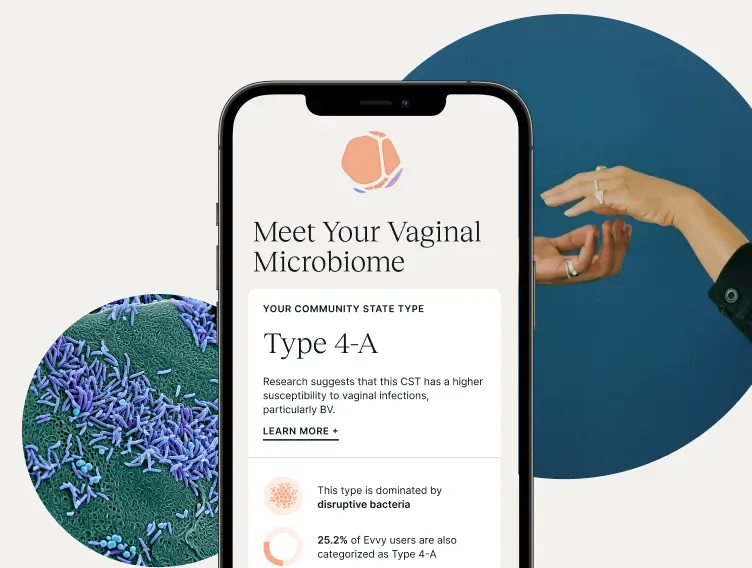
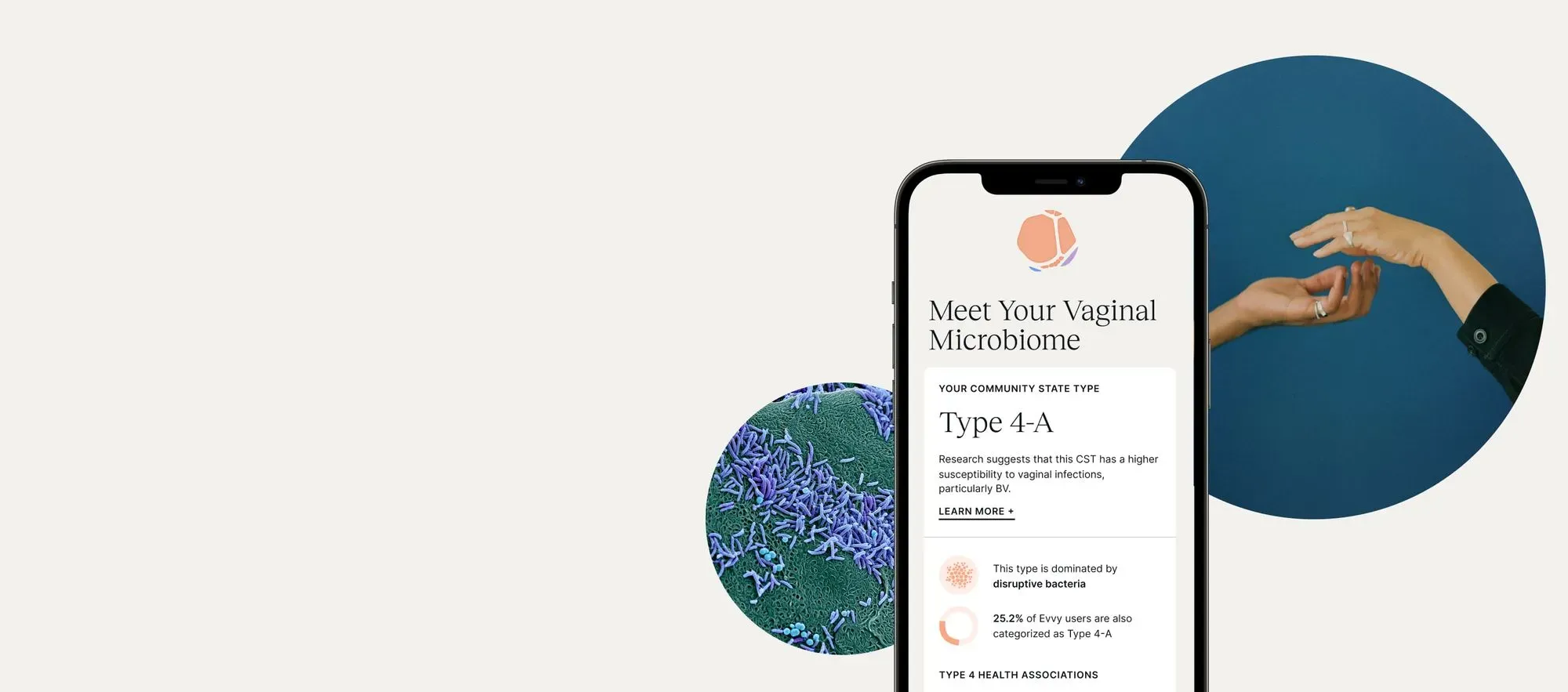
Evvy’s Vaginal Health Test analyzes your unique bacterial profile, identifying imbalances that may be contributing to dryness, painful sex, recurrent infections, or irritation. Instead of treating symptoms blindly, you get personalized insights and evidence-based recommendations tailored to your body and your postpartum period.
Whether you’re navigating breastfeeding, recovering from childbirth, or preparing to wean, Evvy is designed to be your partner in vaginal health at every stage of your postpartum recovery and beyond.
Low estrogen during breastfeeding can cause vaginal dryness, burning, itching, pain with sex, reduced vaginal lubrication, urinary discomfort, and increased susceptibility to vaginal infections. Some people also notice thinning or fragility of vaginal tissue and spotting after sex. Once you stop breastfeeding and your period returns, your estrogen levels should return to pre-pregnancy levels, and any vaginal dryness should improve.
First-line treatment includes regular use of non-hormonal vaginal moisturizers and lubricants, which are safe and effective for most people. Applying a vaginal moisturizer two to three times per week can help resolve dryness while breastfeeding. If symptoms persist, a healthcare provider may consider low-dose vaginal estrogen on a case-by-case basis. Supporting vaginal microbiome balance through testing and targeted treatment can also help address underlying contributors to dryness and discomfort.
Using vaginal moisturizers consistently can improve baseline hydration, while lubricants help during sex. Longer foreplay, silicone-based lubricants, and addressing pain or anxiety around intercourse can also help. If dryness is severe, talk with a clinician about additional treatment options and consider microbiome testing to rule out imbalances that may be affecting natural lubrication.



.avif)