CONGRATS! YOU EARNED FREE SHIPPING.

Product Title
1
$0
$0
Subscription Title

Looking kind of empty in here.
We recommend:
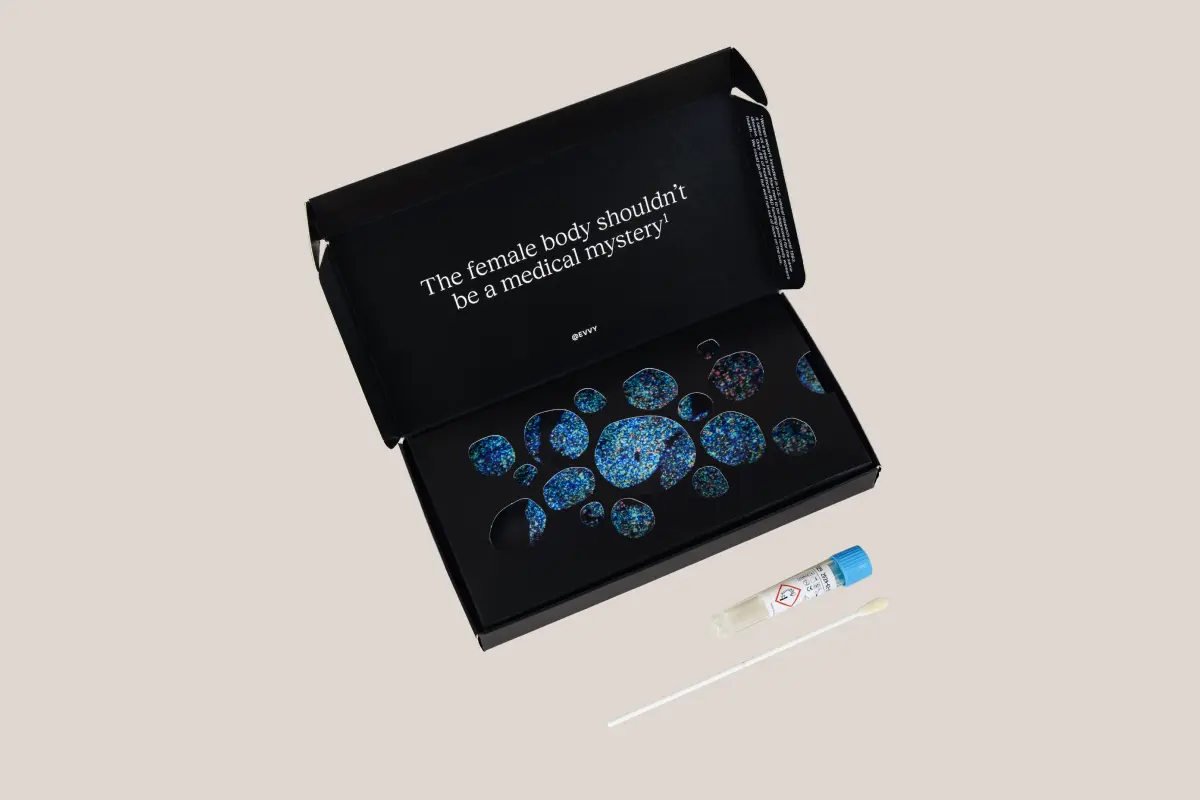
Get advanced insights into symptoms, fertility, and other health outcomes. Prelim results in 1-3 days.

Can you get a UTI from a hot tub? It’s very unlikely, but possible. Learn the risks, symptoms, and how to prevent UTIs after hot tub use.
Words by Olivia Cassano
Scientifically edited by Dr. Krystal Thomas-White, PhD
Medically reviewed by Dr. Kate McLean MD, MPH, FACOG
Soaking in a hot tub is supposed to be relaxing. Warm water, bubbles, and a chance to unwind sound great, until you start wondering whether that soak could lead to a urinary tract infection (UTI). The short answer is: yes, it’s possible to get a UTI after using a hot tub, but it’s very rare.
Hot tubs themselves aren’t usually the direct cause of UTIs. Most UTIs don’t come from water exposure at all. That said, certain situations, such as sitting in poorly maintained water, staying in for extended periods, or experiencing irritation from heat, can slightly increase the risk for some people. Think of hot tubs as a small contributing factor, not a main culprit.
For most healthy people, hot tub use alone isn’t considered a risk factor for UTIs. Studies have found no strong link between hot tub use and recurring UTIs. Still, there are rare cases where contaminated hot tubs have been connected to urinary infections, especially when hygiene or water quality is off.
If you’re still skeptical, keep reading to learn the ins and outs of how hot tubs might contribute to UTI risk, what symptoms to watch for, and how to lower your chances of getting one. If you’re ever unsure whether your symptoms are really a UTI, at-home testing options like Evvy’s UTI+ Test can help you get clearer answers.
Hot tubs don’t magically cause urinary tract infections, but under certain conditions, they can create an environment where one is more likely to develop. UTIs are caused by harmful bacteria entering the urinary tract and multiplying. Hot tubs can sometimes make that journey easier — but we’re talking about the worst-case scenarios here.
Warm water is one reason. Bacteria tend to grow more easily in warm, moist environments. If a hot tub isn’t cleaned or disinfected properly, bacteria can build up in the water or inside the tub’s plumbing. Sitting in that water for a while can bring bacteria close to the urethral opening, which is where urine leaves the body.
Another factor is irritation. Hot water, combined with chemicals like chlorine and bromine, can disrupt the natural protective barriers of the urinary tract, making it easier for harmful bacteria to colonize. When that skin becomes irritated or dry, it may be less effective at keeping bacteria out. This doesn’t mean irritation equals infection, but it can lower the body’s natural defenses.
It’s also worth noting that most urinary tract infections are caused by harmful bacteria like E. coli, which usually come from the gut, not the water itself. In rare cases, other bacteria such as Pseudomonas aeruginosa (which can live in poorly maintained tubs) have been linked to more serious urinary infections. These cases are uncommon, but they highlight why water quality matters.
Coincidence often plays a big role in why hot tubs get blamed for urinary tract infections. UTIs are very common in women and are most often triggered by things like sex, dehydration, holding in pee, hormonal changes, or a history of recurrent UTIs. Because symptoms can show up a day or two later, it’s easy to connect them to the most recent or memorable activity — like using a hot tub. In reality, it’s much more likely that one of these well-known risk factors was the true cause, and you just happened to use a hot tub around the same time.
Clean water makes a big difference. Properly maintained hot tubs use the right balance of disinfectants and filtration to keep bacteria levels low. When that balance is off, bacteria can grow and even form sticky layers called biofilms inside the tub system. These biofilms make it harder to fully clean the tub and can increase the risk of exposure. Showering before and after using a hot tub helps reduce the amount of bacteria you bring into the water and removes anything you may have picked up while soaking.
Heat alone doesn’t cause urinary tract infections, but it can dry out or irritate the vulvar and vaginal tissues. Long soaks can also lead to mild dehydration, especially if you’re sweating in hot water. When you’re dehydrated, you may pee less often, which gives bacteria more time to hang around in the urinary tract.

Recurrent symptoms? Get Evvy's at-home vaginal microbiome test, designed by leading OB-GYNs.
Sex is already one of the most common triggers for urinary tract infections, and having sex in a hot tub could add a few extra risk factors into the mix. The combination of friction, warm water, and possible bacterial exposure can make it easier for bacteria to move toward the urethra.
Hot tub water can weaken the body’s natural barriers in a few ways. Heat and chemicals may irritate the skin, while water exposure can wash away protective fluids that normally help keep bacteria in check. When sex is added, bacteria are more likely to be pushed into places they don’t belong.
There have been rare but serious cases where contaminated tubs were linked to severe urinary infections after sexual activity in the tub. These cases aren’t common, but they tend to involve poorly maintained water and unusual bacteria such as Pseudomonas aeruginosa.
Maintaining good sexual hygiene can reduce the risk of transferring bacteria into the urethra, regardless of where you have sex. To reduce your risk of a UTI, always practice safe sex and avoid using spermicides if possible (as they're known to increase your likelihood of developing a UTI).
UTI symptoms can show up within a day or two after exposure, but timing alone doesn’t mean the hot tub caused the infection. Still, it’s important to recognize the signs so you can act quickly.
Common UTI symptoms include:
Some people also feel tired or generally unwell. Symptoms can range from mild to very uncomfortable, and they often get worse if left untreated.
Not every uncomfortable symptom after a soak is a UTI. Hot baths can cause temporary irritation that feels similar at first. Irritation usually shows up as external discomfort, itching, or mild burning that improves within a day. A true UTI tends to involve ongoing urinary symptoms like frequent urges and pain during urination that don’t go away on their own. If symptoms last more than a day or start to get worse, testing can help you tell the difference.
You should avoid using a hot tub if you are symptomatic to prevent spreading bacteria, but you don’t have to give up hot tubs entirely to protect your urinary health. A few simple habits can go a long way, like focusing on proper hygiene, staying hydrated, urinating frequently, and ensuring the tub is well-maintained.
If you notice UTI symptoms that last longer than a day, get worse, or interfere with daily life, it’s time to check in with a healthcare provider. Symptoms like fever, chills, back pain, or blood in the urine are signs you shouldn’t ignore, as they can point to a more serious kidney infection.
Early treatment matters, too. Urinary tract infections are usually easy to treat when caught early, but delaying care can allow the infection to spread and become more uncomfortable. Even if you’re not sure whether your symptoms are a UTI or just irritation, getting clarity sooner can save you time and stress.
If you’re dealing with frequent urinary tract infections, confusing symptoms, or lingering discomfort after using a hot tub, testing can offer peace of mind. Evvy’s UTI+ Test is an at-home option designed to help you understand what’s really going on. Instead of guessing, you can get detailed insights into the bacteria involved and what steps to take next.
This can be especially helpful if you’ve had recurring symptoms or if standard treatments haven’t worked in the past. Knowing whether you’re dealing with a true UTI — or something that just feels like one — can help you make informed choices about care and prevention.
Yes, it’s possible, but it’s very uncommon. Women are generally more prone to urinary tract infections because of their anatomy, and irritation or exposure from a poorly maintained hot tub can slightly increase risk. For most healthy women, hot tubs alone are not a major cause of urinary tract infections, so there’s no real reason to avoid hot tubs.
Warm water, soaps, or bath additives can irritate the vaginal and vulvar skin and cause symptoms that feel similar to a UTI. If the discomfort improves within a day, it’s likely irritation. Persistent urinary symptoms may be a true infection and should be checked out by your provider.
Hot tubs can temporarily irritate the vaginal area or disrupt your natural balance, which may make infections feel more likely. This doesn’t directly cause a UTI, but irritation can lower natural defenses and make symptoms more noticeable.
Warm baths can sometimes help ease discomfort, but very hot water or scented products may worsen irritation. If you have an active UTI, focus on staying hydrated, taking over-the-counter pain relief, and taking the antibiotic treatment prescribed by a healthcare provider.
It’s very unlikely you’ll get a UTI from a hot tub, especially if you’re healthy and the water is clean. Hot tubs on their own are not a common cause of urinary tract infections. That said, if you want to be extra cautious, a few simple habits can prevent urinary tract infections: use clean, well-maintained tubs, limit how long you soak, shower before and after, stay hydrated, and change out of wet swimsuits quickly (as they can become ideal breeding grounds for bacteria). These steps help reduce irritation and unnecessary exposure.
The most common symptoms of a urinary tract infection are pain or a burning sensation when you pee, frequent urination, and a constant urge to pee. If you notice any of the symptoms, including cloudy or bloody urine and pelvic pain, or symptoms that last more than a day, you should seek medical care.