CONGRATS! YOU EARNED FREE SHIPPING.

Product Title
1
$0
$0
Subscription Title

Looking kind of empty in here.
We recommend:
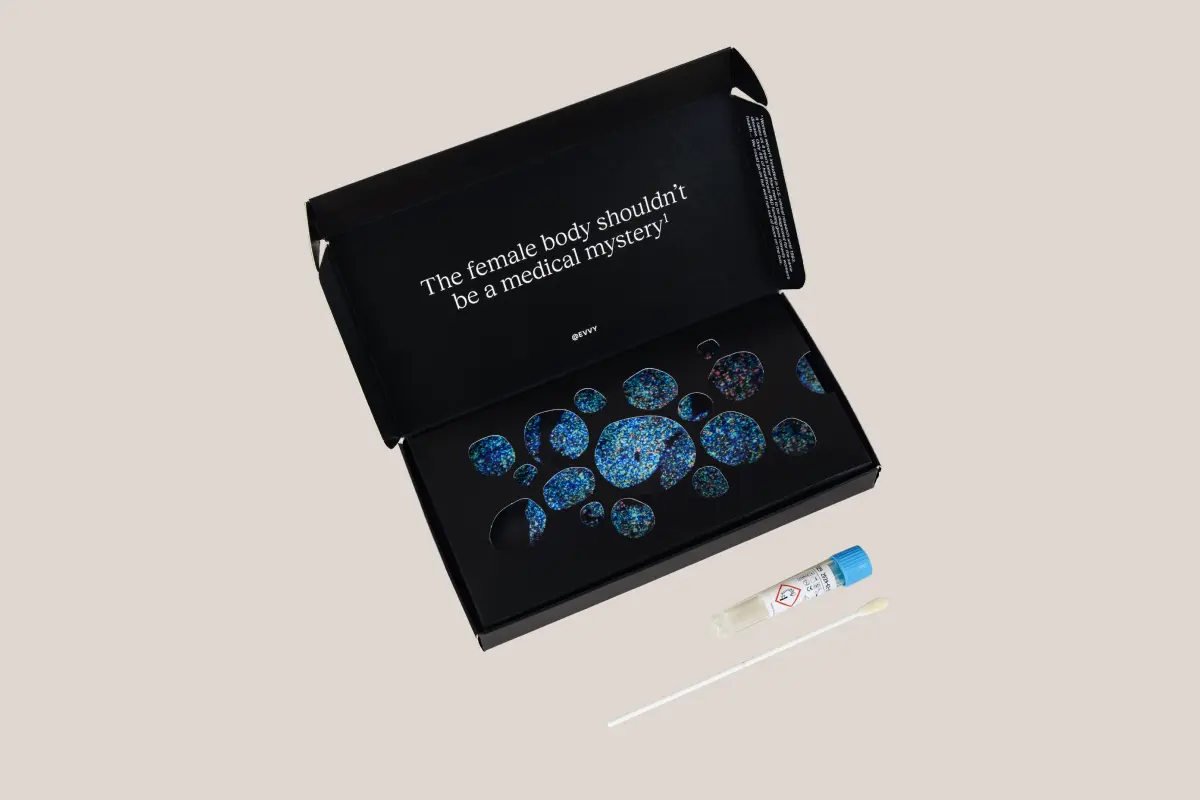
Get advanced insights into symptoms, fertility, and other health outcomes. Prelim results in 1-3 days.
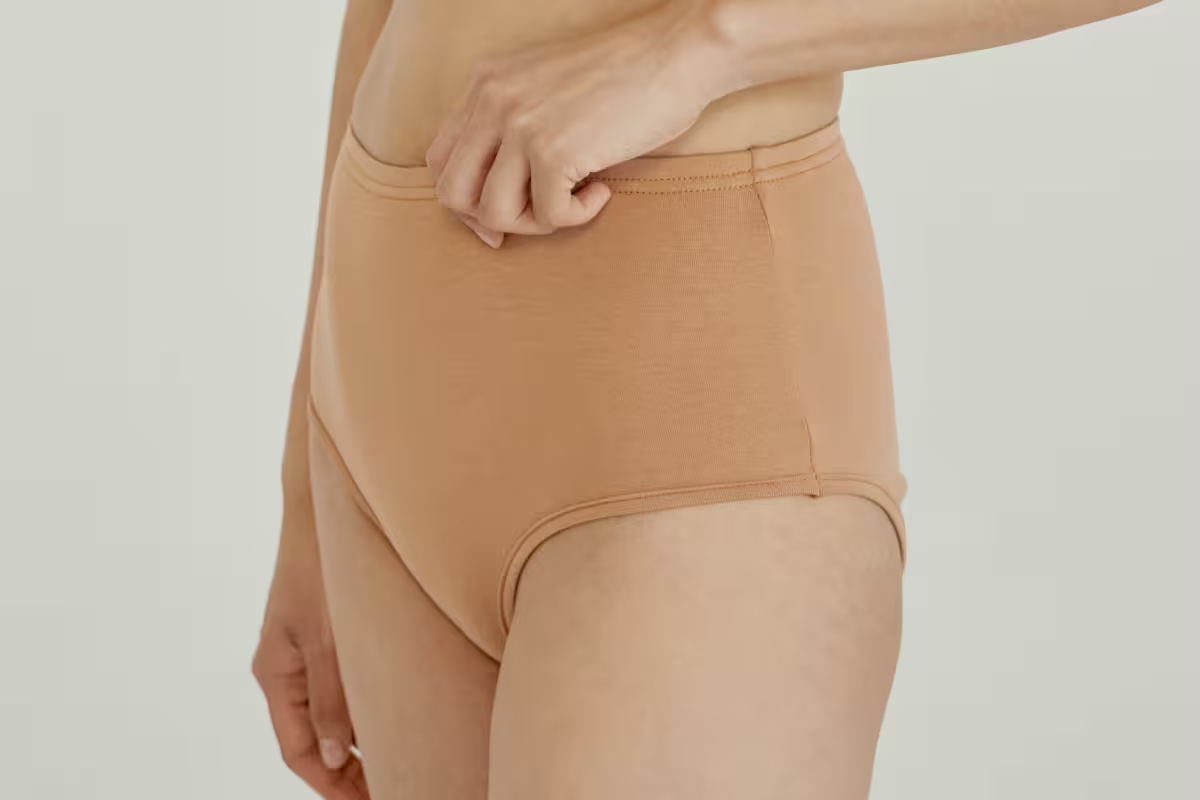
Learn why your vulvar or pubic skin may be peeling, common causes, and effective ways to soothe, treat, and protect sensitive genital skin.
Words by Olivia Cassano
Scientifically edited by Dr. Krystal Thomas-White, PhD
Medically reviewed by Dr. Kate McLean MD, MPH, FACOG
The skin around the vulva is more sensitive than the skin elsewhere on your body, and since it's often exposed to friction, moisture, and various products every day, it can be more prone to irritation and peeling, and even minor irritations can feel like a big deal.
The good news is that peeling skin in the vulvar area is usually a sign of minor irritation, infection, or a treatable skin condition, rather than something super serious. The delicate skin is quick to react to soaps, detergents, pads, and even your laundry routine. Yeast infections or bacterial vaginosis (BV) can also lead to redness, itching, and shedding skin. And sometimes, chronic skin disorders such as eczema or psoriasis can affect the vulvar skin.
Understanding what’s behind the change in your skin can help you find the right treatment and get comfortable again. With gentle care, the right evaluation, and attention to your microbiome and exposures, most people are able to clear up symptoms quickly and prevent them from coming back.
Peeling on the vulva or pubic region isn’t usually caused by the vagina itself. The vagina is the internal canal, and its lining is moist mucosa that doesn’t “peel” the way skin does. Instead, symptoms almost always come from the vulva — the outer genital skin, including the labia majora, labia minora, clitoral hood, and surrounding pubic area.
To understand why peeling happens, it helps to know what makes this skin unique and what kinds of triggers it’s most sensitive to.
The skin of the vulva is thinner, more delicate, and more permeable than the skin on your arms or legs. It has a high density of nerve endings and sits close to moist mucosal tissue. This combination makes it incredibly responsive (sometimes overly responsive) to irritants, friction, moisture, and changes in the local microbiome. When its barrier becomes disrupted, the upper layer of the epidermis can break down, leading to inflammation, redness, and eventually desquamation, or peeling.
Because this region stays warm and often moist, it’s also a place where yeast and bacteria can overgrow more easily, which may contribute to peeling or cracking.
Everyday exposures can disrupt the skin barrier. Many people react to pads, soaps, detergents, shaving products, scented wipes, latex condoms, personal lubricants, or even the friction from tight clothing. Contact dermatitis (either irritant or allergic) is one of the most common causes of vulvar peeling. When the skin reacts, inflammation sets off a cycle of redness, itching, and shedding of skin cells.
Vaginal infections can also produce peeling, especially yeast infections (vulvovaginal candidiasis), which often lead to redness, soreness, and small fissures. In many cases, the peeling happens because the skin becomes inflamed and itchy, and frequent scratching damages the surface layer of the skin, causing it to flake or shed. Chronic skin conditions like eczema, psoriasis, or lichen sclerosus can also affect the vulvar region and cause skin to flake or shed. In short: peeling is a symptom, not a diagnosis, so the key is to understand what’s driving it.
Recurrent symptoms? Get Evvy's at-home vaginal microbiome test, designed by leading OB-GYNs.
There are several categories of conditions that commonly (and not-so-commonly) cause the skin in this area to peel. Knowing what each looks and feels like can help guide your next steps.
This is one of the most frequent reasons for peeling in the genital region. Irritant dermatitis happens when products such as scented soaps, pads, wipes, detergents, or latex physically disrupt the skin barrier. Allergic dermatitis, on the other hand, is an immune reaction to something your skin is sensitive to, like fragrance, preservatives, topical medications, or certain fabrics.
Both forms of dermatitis lead to inflammation that damages the epidermal barrier, causing redness, burning, itching, and eventual peeling or flaking. This process (referred to as barrier disruption and desquamation) is well-described in dermatology and is particularly common on the thin, sensitive skin of the vulva.
The vulva isn’t immune to the same skin conditions that affect the rest of your body. Some common vulvar skin conditions are:
Low estrogen levels — whether from menopause, postpartum shifts, certain medications, or breastfeeding — can cause thinning of vulvar and vaginal tissue.
Estrogen normally helps keep this area thick, elastic, well-lubricated, and rich in collagen and blood flow. When estrogen drops, the skin loses moisture and resilience, making it more fragile and prone to cracking, tearing, and peeling.
This condition, called atrophic vulvovaginitis, may also cause burning, dryness, increased sensitivity, and pain with sex. Restoring moisture and supporting the skin barrier can help, but some people also benefit from medical treatment to replace or boost local estrogen.
If you’re experiencing peeling, the first step is to simplify everything touching the area. Most cases begin with barrier irritation, so restoring the skin’s natural protection is crucial.
Begin by stopping the use of any scented or “freshening” products. Switch to a gentle laundry detergent, and try to avoid friction as much as possible. If you experience peeling along with other symptoms, such as unusual discharge, severe itching, an odor, or open sores, contact your healthcare provider. These additional symptoms may indicate an infection rather than just simple skin irritation.
Dermatologic conditions like eczema, psoriasis, lichen sclerosus, or lichen planus often require prescription treatment, and early identification helps prevent long-term skin changes.
When your vulvar skin is irritated or peeling, simple changes can make a big difference in calming inflammation and helping the area heal, especially while you’re waiting for a diagnosis from your healthcare provider:
What to avoid:
While most vulvar peeling comes from irritation, some symptoms suggest you should seek medical evaluation sooner rather than later. Chronic inflammatory skin diseases, sexually transmitted infections, and precancerous or cancerous changes can all present with peeling or similarly subtle symptoms.
Keep an eye out for any symptoms that seem to stick around, get worse over time, or feel really different from what you're used to. Conditions like lichen sclerosus, vulvar intraepithelial neoplasia, and certain infections like herpes or syphilis can lead to issues like erosions, ulcers, or cracks that just won't heal. In rare cases, if you notice widespread peeling of skin all over the body along with fever, fatigue, or other areas in your body being affected, it might be a sign of a serious reaction to medication, like Stevens–Johnson syndrome.
Below are signs that warrant a trip to your healthcare provider:
White, shiny skin patches are associated with lichen sclerosus or other persistent vulvar conditions. You might notice that the skin looks pale or porcelain-like, feels delicate, and can be quite itchy. Since lichen sclerosus can lead to long-term changes and has a slight risk of becoming more serious if left untreated, it's a good idea to see a healthcare professional if you have any concerns.
What looks like brown or tan “dead skin” when wiping is usually just desquamated skin cells mixed with vaginal discharge, sweat, or slight irritation. Peeling may happen after friction, dermatitis, yeast infections, or minor inflammation. While this is typically benign, recurrent or persistent peeling should be assessed to rule out vaginal infections or chronic skin conditions.
If the peeling is mild, short-lived, and improves once you remove irritants, you may not need immediate medical care. But if you’re unsure or symptoms keep coming back, it’s worth getting checked. A doctor can perform an exam, run tests, take a detailed history of exposures, and help distinguish between irritation, infection, and more serious conditions.
Seek your healthcare provider if you notice severe itching, persistent redness, cracking, pain when you have sex or go to the bathroom, unusual vaginal discharge, open sores, or if the irritation persists. You should also reach out if you have systemic symptoms, if the skin appears white and shiny, or if there are any lesions that seem atypical.
Vulvar health is complex, and diagnosing these conditions early helps prevent complications, protect your microbiome, and bring relief sooner.
If you’re dealing with vulva skin peeling, irritation, or recurring genital discomfort, understanding your vaginal microbiome can provide essential insight. Evvy’s Vaginal Health Test helps identify imbalances, yeast overgrowth, and bacterial shifts that may be contributing to inflammation or irritation. When you know what’s happening at the microbial level, you and your clinician can create a targeted plan instead of guessing.
Evvy also offers science-backed products designed to soothe inflamed skin. Many people find immediate comfort using Evvy’s Anti-Itch Vulva Cream during flare-ups or Evvy’s Soothing Vulva Cream for daily barrier support and hydration. For those experiencing menopausal or low-estrogen dryness, Evvy also offers Estradiol Vaginal Cream through clinician-guided care, which can help restore moisture and support thinning tissues when appropriate.
A sandpaper-like sensation usually signals irritation or inflammation. When the skin barrier becomes disrupted (due to friction, contact dermatitis, or an infection) the area can feel rough, raw, or overly sensitive. Resting the skin, using gentle care, and identifying any irritants can help ease the texture.
Sometimes, but it depends on the type. A vaginal yeast infection usually doesn’t cause visible “dead skin,” though it can create redness, itching, and vaginal discharge. However, a yeast infection of the skin can lead to irritation, small fissures, and peeling that may look like flaking or shedding skin. Because yeast symptoms can overlap with other conditions, testing is the best way to know for sure.
Dry, flaky skin around the vulva and vagina often comes from contact dermatitis, eczema, or hormonal changes that thin and dry the tissue. It may also happen after sweating, friction, or frequent shaving. Keeping the area moisturized and removing irritants can help, but persistent dryness should be checked out.
In order to treat vaginal skin peeling, you first have to pinpoint the cause. Start by avoiding any potential irritants, stop using scented products, moisturize the area, avoid friction, and keep the skin clean and dry. If you suspect you may have an infection, get tested so you can treat it properly. Chronic or unexplained peeling should be evaluated by your healthcare provider, who can check for skin conditions, hormonal changes, or infections and recommend the right treatment.