CONGRATS! YOU EARNED FREE SHIPPING.

Product Title
1
$0
$0
Subscription Title

Looking kind of empty in here.
We recommend:
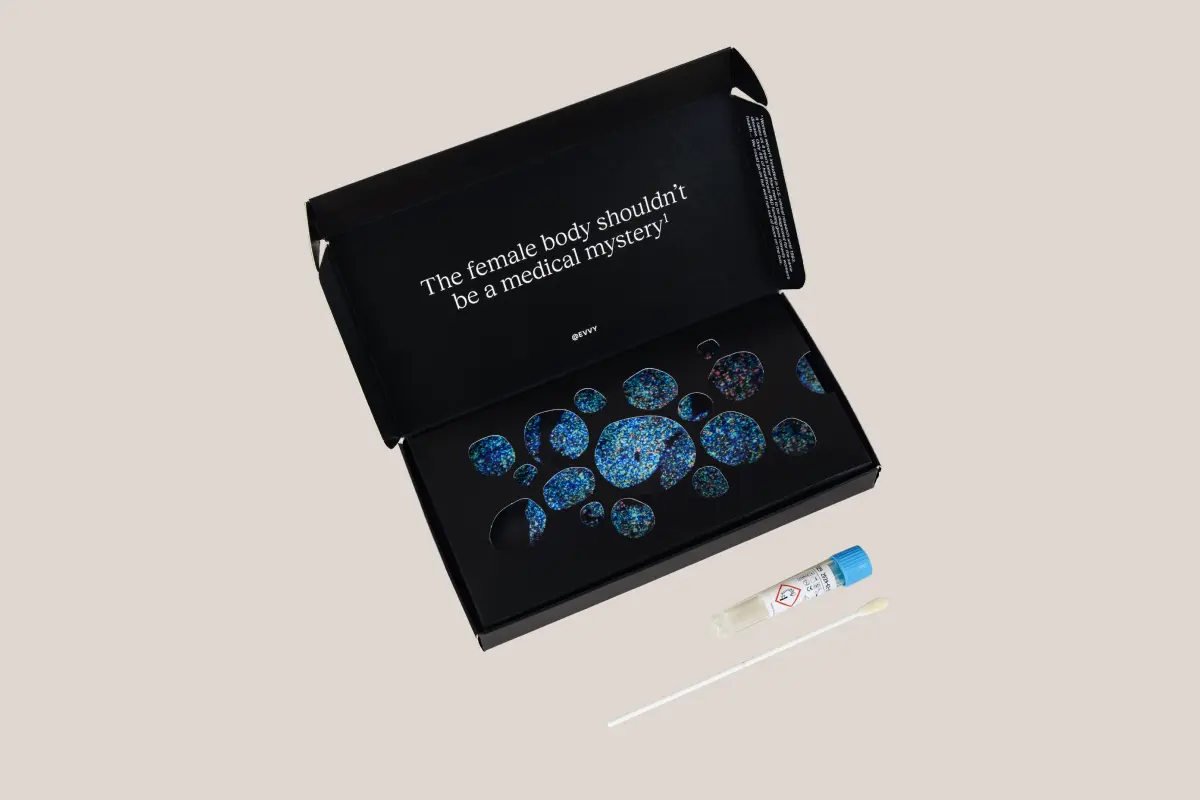
Get advanced insights into symptoms, fertility, and other health outcomes. Prelim results in 1-3 days.

Learn how low iron can affect fertility, signs to watch for, testing options, and strategies to boost iron before trying to conceive.
Words by Olivia Cassano
Scientifically edited by Dr. Krystal Thomas-White, PhD
Medically reviewed by Dr. Kate McLean MD, MPH, FACOG
If you’re trying to conceive (TTC), you may be paying close attention to nutrients like folic acid and vitamin D, but there’s another key nutrient you shouldn’t neglect: iron.
Iron often flies under the radar, yet it plays a vital role in ovulation, implantation, and early pregnancy. Low iron is common among people with periods, and research suggests it can quietly affect fertility even before anemia develops.
Keep reading to learn more about what low iron really means, how it can influence your chances of getting pregnant, and what steps you can take to support your fertility.
Iron is a vital mineral that helps your body produce hemoglobin, the protein in red blood cells that carries oxygen to tissues. It also supports energy production, hormone synthesis, and immune function, and plays a key role in reproductive processes like ovulation, endometrial health, and early embryo development.
When people talk about “low iron,” they usually mean either iron deficiency or iron-deficiency anemia. Iron deficiency refers to low iron stores in the body, even if your blood counts appear normal. Iron-deficiency anemia is more severe, meaning your body doesn’t have enough iron to make healthy red blood cells.
Two lab markers are commonly used to understand iron status:
A key caveat is that ferritin is also an acute-phase reactant, which means it can rise during inflammation or infection. This means your ferritin might look normal even if stores are low, which is why clinicians interpret labs alongside symptoms and other markers like transferrin saturation.
Think of ferritin as your body’s iron “savings account” and hemoglobin as your “spending account.” Ferritin shows how much iron is stored for future needs, while hemoglobin reflects how efficiently oxygen is transported right now. For fertility, ferritin is often the earlier, more sensitive signal.
Iron deficiency is commonly defined as ferritin below 15–30 ng/mL, but fertility-focused clinics often aim for ferritin above 30–40 ng/mL before pregnancy. Iron-deficiency anemia is diagnosed when hemoglobin falls below normal. Individualized care is important because each body has different requirements.
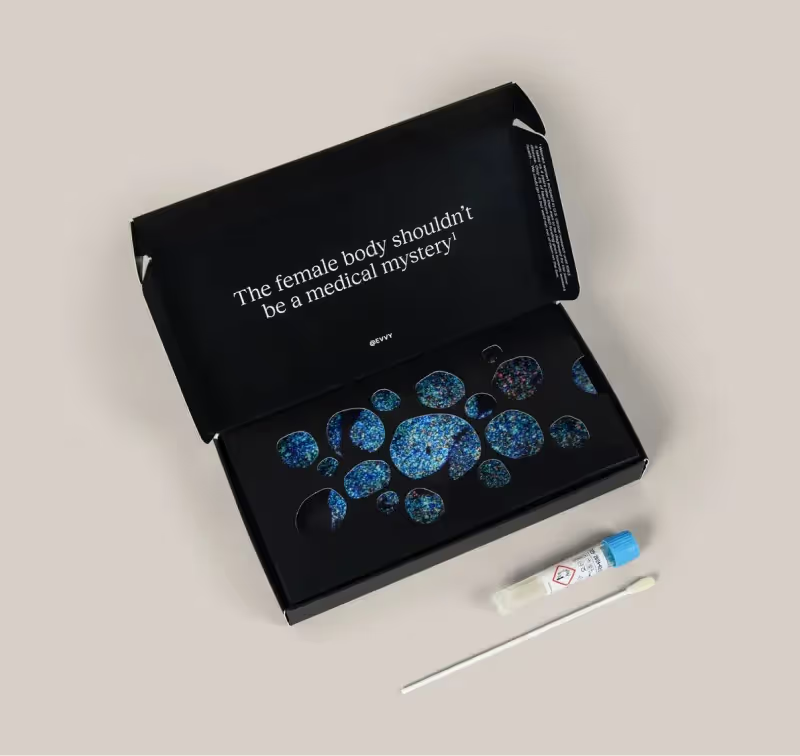
Recurrent symptoms? Get Evvy's at-home vaginal microbiome test, designed by leading OB-GYNs.
Multiple lines of evidence show that low iron levels affect fertility. Research has shown that women who have low iron levels may experience challenges with conception and lower chances of a live birth. Interestingly, those who receive intravenous iron supplements tend to have higher live birth rates and lower miscarriage rates, whether they conceive naturally or with the help of assisted reproductive technology (ART). Additionally, studies indicate that women facing unexplained infertility often have lower ferritin levels compared to those who are fertile, suggesting that improving iron levels could be a helpful step for those looking to boost their fertility.
Animal studies show that a severe lack of iron can disrupt reproductive cycles and lower the chances of pregnancy. Clinical evidence suggests that fixing iron deficiency can lead to better pregnancy outcomes, especially for women who have irregular ovulation or multiple miscarriages.
While low iron isn’t by far the only cause of infertility, treating iron deficiency removes an important barrier and supports better reproductive outcomes.
Women with iron deficiency who take supplements — oral or intravenous — often experience improved ovulation and reduced ovulatory infertility risk. This is particularly true when ferritin levels are restored to optimal ranges.
Addressing iron deficiency before conception is associated with higher conception rates, lower miscarriage risk, and reduced complications like preterm birth and low birth weight. Correction of iron deficiency is considered an important step in comprehensive fertility care.
Iron supports many reproductive processes: it’s important for the development of eggs, the health of the uterus, and the growth of embryos. When iron is low, the body may prioritize survival over reproduction, which can subtly impair fertility.
When your body doesn’t have enough iron, it can throw off some important enzymes that help with hormone production. This might affect how regularly you ovulate or shorten the luteal phase. A shorter luteal phase can make it a bit trickier for an embryo to successfully implant.
The uterine lining requires oxygen and nutrients for successful implantation. Iron helps red blood cells carry oxygen to the endometrium. If iron levels are low, the lining might be thinner and less receptive, which can make implantation a bit trickier.
If anemia persists during pregnancy, it can lead to increased fatigue, a higher risk of infections, preterm birth, and lower birth weight. By addressing iron deficiency ahead of time, you can help your body build up its reserves for those early weeks of pregnancy when the need for iron really starts to spike.
Low iron is common in reproductive-age women, but certain groups are particularly vulnerable.
Frequent or heavy periods are one of the most common causes of iron loss in people with periods. Each cycle can deplete iron stores, especially if bleeding is heavy or prolonged.
Conditions like uterine fibroids or adenomyosis can make periods heavier, further increasing the risk of iron deficiency. Short cycles (where periods happen more often) can also contribute to cumulative iron loss over time.
If you’re experiencing heavy or frequent menstrual bleeding, it’s a good idea to keep an eye on your iron levels, even if you’re not feeling any symptoms. Low ferritin levels can sneak up on you and might affect your fertility.
Vegetarian or vegan diets can make iron intake more challenging, especially because plant-based (non-heme) iron is absorbed less efficiently. Gastrointestinal conditions like celiac disease or inflammatory bowel disease may also impair absorption.
Endurance athletes lose iron through sweat and the impact of their activities. People who donate blood frequently also lose iron. These groups need to have their iron levels checked regularly.
Women with repeated pregnancy loss or unexplained infertility should be screened for low iron, as studies show they often have low ferritin levels. Pregnant women are particularly at risk, with up to 52% developing iron deficiency or anemia worldwide.
Low iron doesn’t always cause obvious symptoms. Some common signs include:
Many people may be asymptomatic, especially in early stages or with non-anemic iron deficiency.
If you're experiencing symptoms like heavy menstrual bleeding, have gastrointestinal issues, follow a restrictive diet, recently had a pregnancy, or are part of a higher-risk group, it might be a good idea to get tested for iron levels.
It's best not to self-supplement, as too much iron can be harmful. Chat with your healthcare provider about checking your ferritin, hemoglobin (CBC), and transferrin saturation to get a full understanding of your iron status.
Correcting iron deficiency takes time, but consistent, practical steps can make a meaningful difference. Starting early (before conception) helps ensure your body has enough iron to support ovulation, implantation, and a healthy early pregnancy.
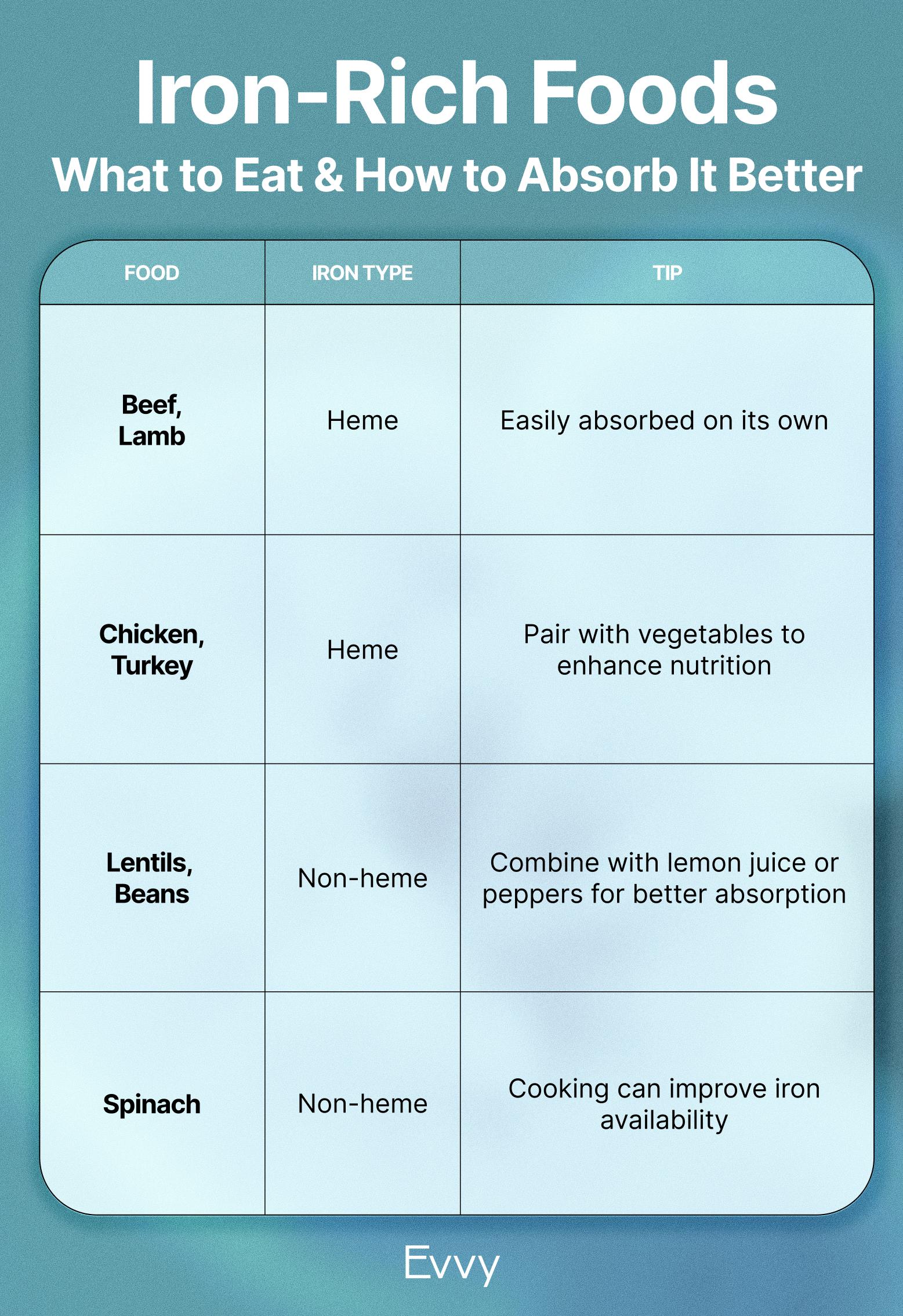
Prioritizing iron-rich foods is the safest way to build stores. Heme iron from animal foods is absorbed more efficiently than plant-based non-heme iron, so including both types in your diet can help. Pairing non-heme iron sources with vitamin C-rich foods — like citrus, peppers, or tomatoes — boosts absorption, while consuming tea, coffee, or high-calcium foods at the same time can reduce it.
If dietary iron intake alone isn’t enough, oral iron supplements are usually the first step. Typical doses range from 25–65 mg of elemental iron, depending on severity and lab results. Side effects like nausea, constipation, or stomach upset are common but can often be managed by adjusting timing or taking with food. Retesting after eight to 12 weeks is important to ensure iron stores are improving and to adjust doses as needed.
For people who cannot tolerate oral iron or have poor iron absorption, intravenous iron may be recommended, providing a faster route to restore iron stores. In rare, severe cases of anemia, a blood transfusion might be necessary. Working with your healthcare provider ensures that whichever approach you take is safe, effective, and tailored to your needs before pregnancy.
If you're facing fertility challenges and think iron deficiency might be a part of it, addressing this issue may boost your chances of getting pregnant. Studies suggest that getting your iron levels back on track can support ovulation, enhance luteal function, and even lower the risk of miscarriage. Taking iron supplements when you’re not deficient, however, won’t boost your fertility.
Talk to your healthcare provider before taking iron supplements, as having too much iron can be harmful. Your provider can work with you to find the best type and dosage that suits your needs.
Adding iron-rich foods daily supports long-term balance. Heme sources include red meat, poultry, and seafood. Plant-based sources like beans, lentils, tofu, seeds, and leafy green vegetables also contribute when paired with vitamin C. Everyday meal ideas include lentil soups with tomatoes, spinach, and egg scrambles, or beef stir-fries with bell peppers.
Correcting iron deficiency is an important part of overall fertility care and can make a real difference in your chances of conceiving. Many healthcare providers prefer to see iron levels improving or normalized before trying to conceive naturally, or before procedures like intrauterine insemination (IUI) or in vitro fertilization (IVF), because having adequate iron supports ovulation, implantation, and early pregnancy.
It’s important to remember that there isn’t a single “perfect ferritin” number that guarantees fertility. Everybody is different, and the goal is to reach sufficient iron stores for your own reproductive health rather than chasing a specific lab value. Taking steps to restore iron — through diet, supplements, or medical interventions — helps set a strong foundation for conception and a healthy pregnancy.
Feeling anxious about fertility and lab results is completely normal. By focusing on balanced iron levels and overall wellness, you’re giving yourself the best possible support for your journey to parenthood, one step at a time.
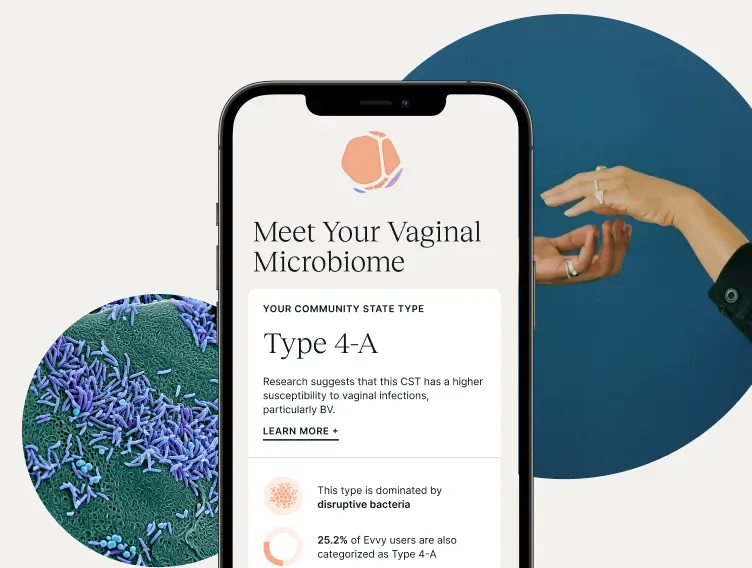
Fertility isn’t just about hormones or nutrients — vaginal health matters too. A balanced vaginal microbiome supports infection prevention and a healthy environment for conception. Evvy offers at-home microbiome testing to detect recurrent infections, which can impact comfort, timing, and fertility.
Evvy’s new Fertility Insights provide guidance on microbiome health, infection risk, and reproductive support, helping you make informed decisions while TTC. Combining nutrient management like iron optimization with microbiome health can give you a clearer, more supported fertility journey.
Low iron can affect your ability to get pregnant, especially if it causes problems with ovulation. Studies show that women with low iron levels have a harder time conceiving and having healthy pregnancies. Iron is important for ovulation, hormone production, and overall reproductive health. Fixing an iron deficiency can help improve ovulation and increase the chances of getting pregnant. Even if your menstrual cycles are regular, low iron might still affect your fertility. This is why many doctors recommend screening women trying to conceive, especially those with heavy periods or a history of unexplained infertility.
Iron is important for the reproductive system, but researchers are still studying how it affects egg quality. Low iron levels can disrupt ovulation, support during the luteal phase, and the uterine lining, which are essential for implantation. If iron stores are low, the endometrium may not be as welcoming, making it harder for a fertilized egg to implant. Severe iron deficiency has also been linked to recurrent pregnancy loss in women with low ferritin levels. Healthy iron levels before pregnancy can help support ovulation and create a healthier uterine environment, increasing the chances for embryos to implant and grow successfully.
Clinics usually want ferritin levels to be over 30–40 ng/mL for people trying to conceive. Some clinics might aim for higher levels based on individual risk factors. Ferritin measures the iron stored in your body and is better than hemoglobin at showing early signs of deficiency. Low ferritin, even if hemoglobin is normal, can affect ovulation and the health of the uterine lining. Since everyone has different bodies and reproductive needs, your healthcare provider will look at your ferritin levels along with other tests, symptoms, and fertility history to set the best target for you. If you need iron supplements, regular check-ups may be advised to ensure your levels are safely improving.
Restoring iron depends on the severity of the deficiency, your chosen treatment, and how well your body absorbs iron. With oral supplements, ferritin levels typically begin improving within a couple of months, though full repletion can take six to 12 months in severe cases. Intravenous iron can raise stores more quickly, often within weeks, and may be recommended for those who can’t tolerate oral supplements or have issues with iron absorption. Adequate iron intake via diet alone can help maintain levels, but it usually isn’t enough for a significant deficiency.
Taking iron during pregnancy can be perfectly safe, especially if your doctor has confirmed that you have a deficiency. Just be sure to avoid taking it without testing first, since having too much iron can actually be harmful. Usually, oral iron is the go-to treatment, but if that doesn’t work for you or if your body has trouble absorbing it, your doctor might suggest IV iron instead. Addressing iron levels before you start TTC can help with ovulation, keep your uterine health in check, and support early pregnancy success. Remember to regularly check your iron levels so you can get the right amount. Keeping your iron balanced is key in preparing your body for conception and avoiding any oversupplementation.
Yes, severe or untreated iron deficiency can significantly affect your pregnancy journey. Research has shown that it may increase the risk of miscarriage, especially for women who have experienced previous pregnancy loss or have low ferritin levels. Iron plays a crucial role in various aspects of pregnancy, including the production of red blood cells, oxygen delivery, and the early development of your baby. Low iron levels can make implantation more difficult, impact luteal function, and create an environment in the uterus that isn't ideal for nurturing a developing embryo. If you're planning to conceive, it's a good idea to address any iron deficiency beforehand. Aiming for ferritin levels above 30–40 ng/mL can enhance both fertility and the early stages of pregnancy. Taking these steps not only supports you in those early weeks but can also lower risks later on, such as preterm birth, low birth weight, and maternal anemia.




.avif)