CONGRATS! YOU EARNED FREE SHIPPING.

Product Title
1
$0
$0
Subscription Title

Looking kind of empty in here.
We recommend:
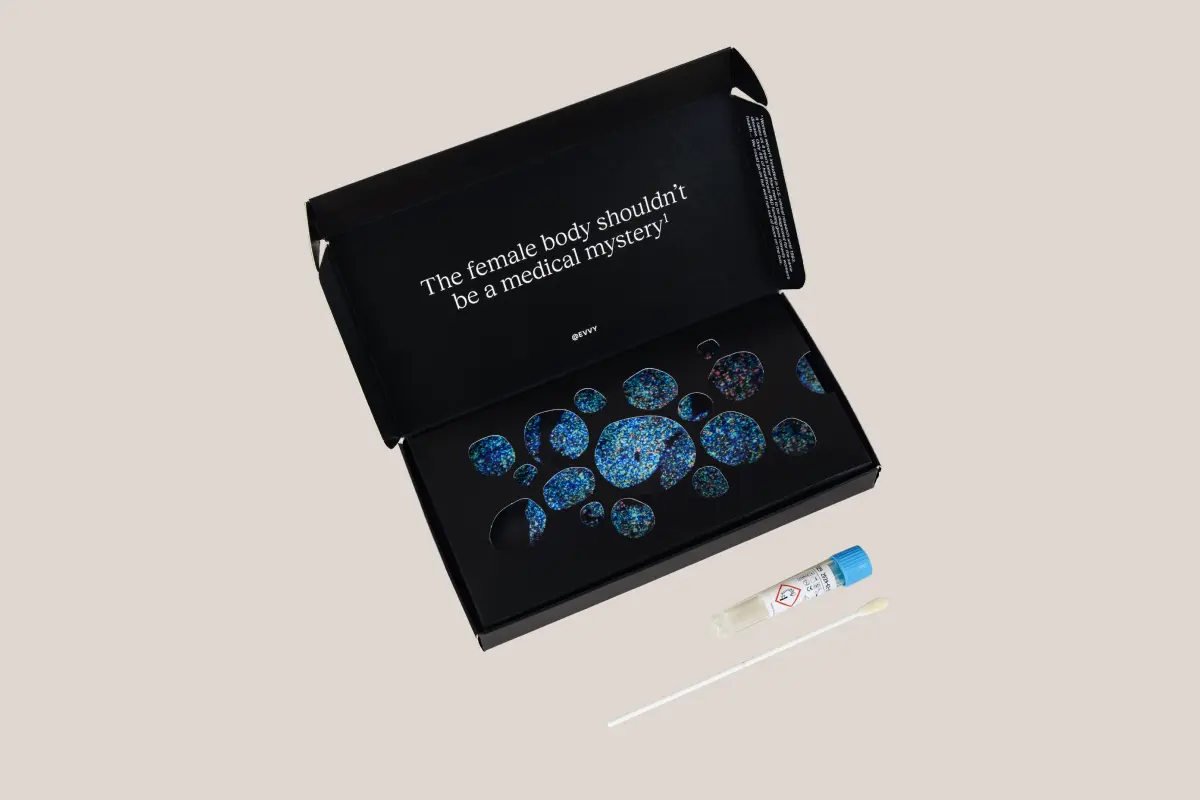
Get advanced insights into symptoms, fertility, and other health outcomes. Prelim results in 1-3 days.
.avif)
Can dehydration cause a UTI? Learn how low fluid intake affects bladder health, UTI risk, symptoms, testing, and when to seek care.
Words by Olivia Cassano
Scientifically edited by Dr. Krystal Thomas-White, PhD
Medically reviewed by Dr. Kate McLean MD, MPH, FACOG
Dehydration occurs when your body doesn’t get enough fluids to work properly. It can sneak up slowly, especially if you’re busy, forget to drink water, or are losing more fluids than usual because you’re sweating, vomiting, or have diarrhea. When you’re dehydrated, your urine becomes more concentrated, and you may pee less often. This can irritate the bladder and urinary tract, leaving them more vulnerable to bacteria.
Dehydration on its own doesn’t introduce bacteria to your bladder, but it can increase your risk of getting a UTI because peeing less frequently means bacteria have more time to stick around and overgrow.
Keep reading to learn more about how dehydration affects your urinary tract and how to tell the difference between dehydration and a UTI.
Dehydration isn’t all-or-nothing — it comes in degrees. Understanding the difference can help you know when your bladder might be at risk.
Mild dehydration can show up as slightly dark urine, feeling a bit tired, or having dry lips and a dry mouth. You might notice you’re peeing less than usual. Your bladder is getting emptied less frequently, which makes it easier for bacteria to linger.
Moderate dehydration is a bigger step up. You might feel dizzy, lightheaded, or unusually thirsty. Urine may appear darker and smell stronger. At this point, the lining of your bladder can become irritated, and bacteria that normally get washed away can start to settle.
Severe dehydration is rare, but serious. You might feel confused, extremely weak, or have very little urine output. In this state, your urinary tract is highly susceptible to infection, and you may need urgent medical attention. Severe dehydration can worsen symptoms if a UTI develops, potentially leading to kidney involvement.
When your urine is concentrated, it’s more acidic and contains higher levels of waste products. This can irritate the lining of your bladder and urethra (which is pretty delicate), causing that burning feeling that is a hallmark symptom of UTIs.
Less urine also means bacteria aren’t flushed out as often, giving them more opportunity to stick to the bladder wall. Over time, this combination of irritation and bacterial growth increases the likelihood of a UTI developing if other risk factors are present.
Some people are more likely to experience UTIs related to dehydration. Premenopausal women who habitually drink little water, especially those with a history of UTIs, are at the greatest risk. Research shows that drinking more water each day can significantly lower the chances of getting bladder infections in this group. Women who often hold in their urine because of work or other reasons also have a higher risk since their bladders are not emptied as frequently.
Other higher-risk groups include postmenopausal women, people with diabetes, and pregnant women. Many older adults, especially those living in care facilities or with other health issues, have a hard time drinking enough fluids and may also have trouble urinating.
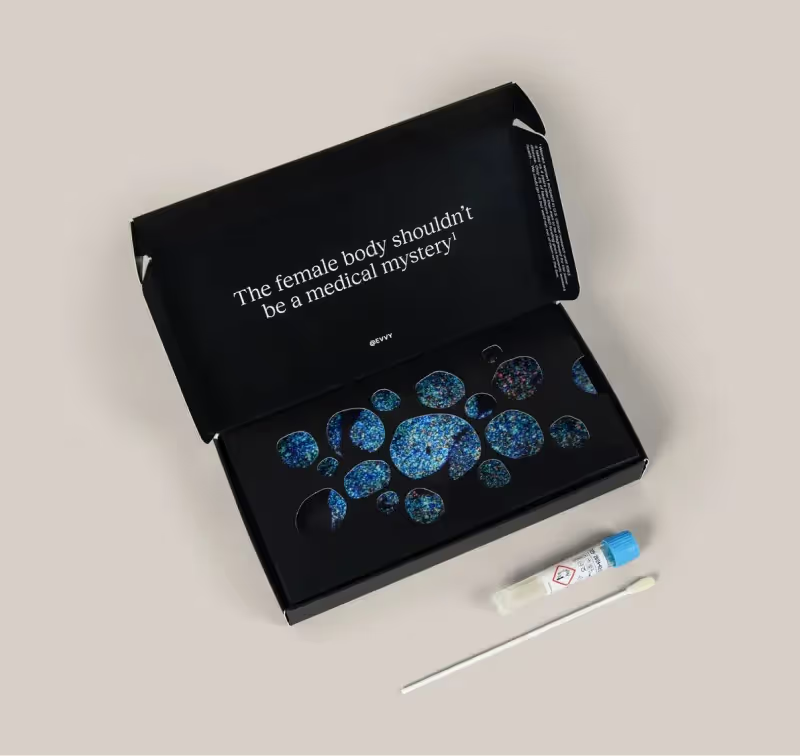
Recurrent symptoms? Get Evvy's at-home vaginal microbiome test, designed by leading OB-GYNs.
Dehydration itself doesn’t infect your bladder, so bacteria still need to be present to cause a UTI. However, dehydration sets the stage for infection. When you’re not drinking enough, you produce less urine, making it more concentrated. This means bacteria aren’t flushed out as frequently, giving them more time to stick to the bladder lining and multiply.
Dehydration can mimic some symptoms of a UTI, including:
Unlike with a UTI, you typically don’t experience the urgency, frequency, or lower abdominal pain that comes with an actual infection. Fatigue, dry mouth, and thirst are other telltale signs that dehydration might be the main culprit.
Symptoms of a true UTI include:
In more severe cases, infection can spread to the kidneys, causing fever, chills, back pain, and nausea.
Not all burning or frequency is caused by dehydration or a simple UTI. Other possibilities include vaginal infections, sexually transmitted infections (STIs), irritation from products, your diet, and kidney stones.
If your infection reaches the kidneys, symptoms can escalate quickly. Fever, chills, nausea, vomiting, back or flank pain, and a general feeling of being unwell are warning signs. Dehydration can worsen these symptoms by reducing urine output and making it harder for your body to fight infection. Kidney infections require prompt medical care, often including antibiotics, to prevent complications.
Sometimes burning, stinging, or discomfort isn’t coming from the bladder or urinary tract at all. The urethral opening sits very close to the vaginal opening, so it can be hard to tell exactly where symptoms are coming from. Because of this close anatomy, irritation or infection in the vagina or vulva can easily feel like a urinary problem.
Vaginal infections, yeast infections, and sexually transmitted infections often share symptoms with UTIs, including burning, discomfort when you pee, and pelvic irritation. Clues that point more toward a vaginal or STI-related cause include:
These conditions require a different evaluation and treatment approach than a UTI or dehydration-related irritation, so proper testing is important to make sure you’re treating the right issue.
Even if you’re well hydrated, diagnosing a UTI can be tricky. Tests are essential to know what’s really going on. Evvy offers at-home UTI and vaginal microbiome tests that can uncover other causes of discomfort and pain.
The standard methods to diagnose a UTI include urine dipstick tests, microscopic examination, and culture. These tests look for bacteria, white blood cells, and other markers of infection. Dehydration can sometimes concentrate urine, which can alter test results. Staying hydrated helps ensure the accuracy of test results.
People with recurrent infections or symptoms that return after treatment may need more detailed testing. Evvy’s UTI+ Test is an at-home urine test that detects multiple UTI-causing bacteria and fungi, plus several antibiotic resistance genes. This information can help your healthcare provider choose more targeted treatment for stubborn or complicated infections.
Drinking enough fluids is one of the easiest ways to keep your urinary system healthy. Most adults should drink water regularly throughout the day, but how much you need can depend on how active you are, the weather, and your health. Staying hydrated helps wash away bacteria from the urinary tract, which lowers the chance of infections.
There isn’t one perfect number that works for everyone, but most adults do well when they drink enough water to keep their urine light yellow and to pee every few hours throughout the day. For many people, this works out to roughly six to eight glasses of water daily, though your needs may be higher if you’re active, live in a hot climate, or are dealing with illness.
Research shows that in premenopausal women with recurrent UTIs who normally drink low amounts of fluid, increasing daily water intake by about six full glasses significantly reduces the number of UTI episodes. Staying hydrated helps keep urine diluted and flushes bacteria from the bladder before they can settle and cause infection, making steady water intake one of the simplest and most effective strategies for supporting bladder health.
Electrolyte drinks are often marketed as a hydration upgrade, but for most people dealing with a UTI, they’re simply not necessary. When it comes to urinary tract health, plain water does the job.
Electrolytes can be helpful in very specific situations, such as for endurance or performance athletes, people exercising for long periods in extreme heat, or after experiencing heavy fluid loss from vomiting or diarrhea. In those cases, electrolyte drinks can help replace both fluids and salts lost through sweat or illness and support overall recovery.
However, electrolytes aren’t especially helpful in otherwise healthy adults, let alone for preventing or treating UTIs — including in women at increased risk for dehydration-related UTIs. There’s no evidence that electrolyte supplementation provides any added benefit beyond plain water for UTI prevention or symptom management.
The reason hydration helps prevent UTIs has nothing to do with correcting electrolyte imbalances. It works by increasing urine volume and how often you pee, which dilutes urine and helps flush bacteria out of the urinary tract before they multiply and cause infection. Clinical guidelines consistently recommend increasing daily fluid intake as a safe, effective, antibiotic-sparing strategy for UTI prevention, but they don’t recommend electrolyte-containing drinks over water for this purpose.
If you’re trying to support your bladder health or reduce UTI risk in general, regular water is more than enough. Electrolyte drinks won’t hurt in most cases, but they don’t offer extra protection against UTIs and aren’t needed unless you’re losing significant fluids through intense exercise or illness.
Mild urinary symptoms may sometimes improve with hydration and rest. However, persistent or severe symptoms should be looked at by a healthcare professional.
If you're experiencing dark urine, a mild burning sensation, or peeing less frequently, increasing your water intake and resting can really help. It’s also a good idea to avoid any bladder irritants like caffeine and alcohol. Often, if dehydration is the culprit, you’ll notice improvements in just a day.
However, if these symptoms stick around or don’t completely go away after 24 hours, it's best to reach out to your healthcare provider. Staying hydrated and resting is still beneficial, but it’s important not to ignore ongoing urinary issues, as an untreated bladder infection can escalate and affect your kidneys.
Red flags include:
These signs may indicate a true UTI, kidney involvement, or another medical condition that requires evaluation and treatment.
Reach out to your clinician if you notice frequent UTIs following periods of dehydration, urinary symptoms that don’t improve with fluids, or repeated “negative” tests despite ongoing discomfort. Sharing details about fluid intake, recent illnesses, medications, and home test results — including advanced tests like Evvy’s UTI+ Test — can help your clinician see the full picture and tailor treatment effectively.
For those dealing with chronic or recurrent UTIs, or persistent urinary discomfort that isn’t fully explained by dehydration alone, Evvy’s UTI+ Test can offer helpful insight. It identifies which bacteria or fungi may be present and whether they carry antibiotic resistance genes, information that can be shared with your healthcare provider to guide more personalized care. By giving you a clearer picture of what’s going on, Evvy can help break the frustrating cycle of repeat infections and help you move toward a treatment plan that actually sticks.
Dehydration alone doesn’t cause a UTI because it doesn’t introduce bacteria into the urinary tract. However, it does increase your risk by reducing how often bacteria are flushed out of the bladder. You might suspect a UTI is developing if dehydration symptoms like dark urine or thirst are joined by classic infection signs such as burning with urination, frequent or urgent urges to pee, lower abdominal discomfort, or urine that looks cloudy or smells unusually strong.
UTIs typically cause persistent urinary urgency, frequent urination, painful urination, and sometimes pelvic pressure, fever, or back pain if the infection worsens. Dehydration, on the other hand, usually causes dark or concentrated urine, stronger urine odor, and mild irritation that improves once you drink more fluids. It generally does not cause ongoing urgency, pelvic pain, or flu-like symptoms.
Standard testing includes a urine dipstick, microscopic exam, and urine culture, which look for signs of bacteria and inflammation. If symptoms keep returning or standard tests are inconclusive, more detailed testing can help. Evvy’s at-home UTI+ Test identifies multiple UTI-causing bacteria and fungi and screens for several antibiotic resistance genes, providing additional information that can help guide more targeted care when shared with a clinician.
Yes, dehydration can cause symptoms that feel similar to a UTI, even when no infection is present. When you’re dehydrated, your urine becomes more concentrated and acidic, which can irritate the bladder and urethra. This may lead to burning with urination, stronger-smelling urine, and a darker color, but it typically does not cause the persistent urgency, pelvic pain, or fever seen with a true UTI.
Absolutely. When you’re not drinking fluids, you pee less often, and your urine becomes more concentrated. This can irritate the bladder lining and create discomfort that closely mimics a UTI. The key difference is that dehydration-related symptoms often improve within a day of increasing fluid intake, while symptoms of a UTI tend to persist or worsen.
Not directly, since dehydration doesn’t introduce bacteria into the urinary tract. However, low fluid intake increases your risk of developing a UTI because you produce less urine and empty your bladder less frequently. This gives bacteria more time to remain in the bladder instead of being flushed out, making infection more likely if bacteria are present.
Staying well hydrated helps dilute urine and flush bacteria from the urinary system, which can ease discomfort and support recovery. However, drinking more water alone usually isn’t enough to clear a bacterial UTI. Most UTIs still require medical evaluation and, in many cases, targeted treatment to fully resolve the infection.
Electrolyte replacement supports hydration in very specific situations, such as after intense exercise, heavy sweating, vomiting, or diarrhea. It doesn't treat UTIs or reduce symptoms. For urinary health, the benefit comes from drinking enough fluid to increase urine volume and frequency, which helps flush bacteria from the bladder. Electrolytes do not provide added benefit beyond plain water for UTI prevention or management, and many electrolyte drinks contain added sugars that can further irritate the bladder during a UTI.
In most cases, no. Plain water is usually the best choice if you have a UTI. Sports drinks are designed for athletes who are losing large amounts of fluids and salts through sweat, not for treating infections. Many sports drinks also contain added sugars and artificial ingredients that can worsen bladder irritation and urinary discomfort. Unless you are dehydrated from significant fluid loss, water is sufficient and generally better tolerated when managing a urinary tract infection.