CONGRATS! YOU EARNED FREE SHIPPING.

Product Title
1
$0
$0
Subscription Title

Looking kind of empty in here.
We recommend:

Get advanced insights into symptoms, fertility, and other health outcomes. Prelim results in 1-3 days.

Learn which probiotic strains may support BV treatment, how to use oral or vaginal probiotics safely, and when they may help reduce recurrence.
Words by Olivia Cassano
Scientifically edited by Dr. Krystal Thomas-White, PhD
Medically reviewed by Dr. Kate McLean MD, MPH, FACOG
Bacterial vaginosis (BV) is one of the most common vaginal conditions, and also one of the most frustrating. Even after treatment, bacterial vaginosis has a habit of coming back, and around 50% of women have a recurrence within six months after finishing standard antibiotic treatment. That’s why so many people start wondering whether there’s another solution — like probiotic supplements — to support vaginal health after (or alongside) antibiotics.
Probiotics aren’t a treatment for bacterial vaginosis on their own, but certain probiotic strains (especially Lactobacillus species) have shown promising evidence as adjuncts to standard antibiotic therapy. Research suggests they may help restore a Lactobacillus-dominant vaginal microbiome, improve vaginal pH, and reduce the risk of recurrence over time.
Below, we’ll walk through what bacterial vaginosis is and how it affects the vaginal microbiome, where probiotics fit in, which strains have the strongest evidence, and how to use probiotics safely and realistically.
Bacterial vaginosis isn’t caused by a single “bad” bacterium. Instead, it’s a sign that the vaginal microbiome is off kilter.
In a healthy vaginal microbiome, Lactobacillus species tend to dominate. These bacteria help maintain an acidic vaginal pH (usually around 3.8–4.5) by producing lactic acid and other antimicrobial compounds. That acidic environment makes it harder for pathogenic bacteria to overgrow.
It’s associated with symptoms like unusual vaginal discharge, a fishy odor, irritation, and discomfort, though most people have bacterial vaginosis without noticeable symptoms.
Antibiotics like metronidazole are effective at reducing BV-associated bacteria, which is why they’re still the gold standard for treatment. The challenge? Antibiotics don’t always help good bacteria bounce back, and that’s where probiotics may play a supportive role.
At the microbiome level, bacterial vaginosis occurs when protective Lactobacillus levels drop, allowing vaginal pH to rise and creating an environment where anaerobic bacteria — such as Gardnerella, Atopobium, and Prevotella — thrive. This shift is called dysbiosis.
A greater microbial diversity is often good news for other microbiomes in the body (like the gut), but not so good in the vagina. When the vaginal microbiome is dominated by dysbiosis-associated bacteria rather than Lactobacillus, it often increases inflammation and unpleasant symptoms. Some of these BV-associated bacteria are also capable of forming biofilms, which are structured communities that cling to the vaginal lining and can make the condition more persistent and increase the likelihood of recurrence even after antibiotic treatment.
Probiotics work quite differently from antibiotics. Instead of targeting and killing off bacteria associated with bacterial vaginosis, probiotics focus on boosting the growth and presence of beneficial Lactobacillus species that are naturally good for vaginal health.
These special Lactobacillus strains can produce lactic acid to keep the vaginal pH low, creating an environment that’s less inviting for the overgrowth of harmful bacteria linked to bacterial vaginosis. Certain Lactobacillus strains also produce hydrogen peroxide (H₂O₂) and bacteriocins, which inhibit the growth of pathogenic bacteria. By occupying space along the vaginal lining and competing for nutrients, these beneficial bacteria also make it tougher for harmful microbes to come back after treatment. Probiotics can also prevent the formation of biofilms by pathogens, which makes bacterial vaginosis resistant to antibiotic therapy.
Over time, this supportive approach can help create a more stable and resilient vaginal microbiome, especially after antibiotic use, which can disrupt both good and bad bacteria. Rather than being a quick fix, probiotics are all about encouraging long-term balance by strengthening the microbial community that helps prevent bacterial vaginosis from coming back. That’s why they’re best viewed as a way to support the microbiome, working in tandem with standard medical treatments for bacterial vaginosis, rather than as a standalone solution.

Recurrent symptoms? Get Evvy's at-home vaginal microbiome test, designed by leading OB-GYNs.
Research over the past decade has focused less on whether probiotics can replace antibiotics (they can’t, at least not yet) and more on whether they can improve outcomes after standard treatment.
Several randomized controlled trials and meta-analyses suggest that probiotics containing specific Lactobacillus species may help:
When used alongside or after antibiotics, probiotics appear to help stabilize the vaginal environment, which may explain why recurrence rates are lower in some studies.
Importantly, the benefits seem strongest when probiotics are used for longer durations, often between one and three months. Short courses don’t appear to have the same effect. Meta-analyses also show that both oral and vaginal probiotics, when used as adjuncts to antibiotics, are associated with higher cure rates and lower recurrence rates than antibiotics alone. That said, results vary widely depending on the strains used, dosing, and study design.
Probiotics aren’t magic, but as part of a broader bacterial vaginosis management plan, they may offer meaningful support for preventing recurrence.
When it comes to probiotics for bacterial vaginosis, strain matters. Not all probiotics (and not even all Lactobacillus species) behave the same way in the vaginal environment.
The strains with the most evidence include:
These strains are frequently used in both oral and vaginal formulations studied in clinical trials.
If you’re considering a probiotic to support vaginal health alongside bacterial vaginosis treatment, it’s important to look beyond generic labels.
A high-quality probiotic should clearly list the specific strains it contains, rather than vague terms like “Lactobacillus blend,” since different strains have very different effects. Prioritize products that include evidence-backed species such as Lactobacillus crispatus or Lactobacillus rhamnosus, which have been studied for their role in vaginal flora support. Adequate dosing and shelf stability also matter, as probiotics need to remain viable to be effective. Finally, transparent sourcing and third-party quality testing can offer added reassurance that the product contains what it claims and meets safety standards.
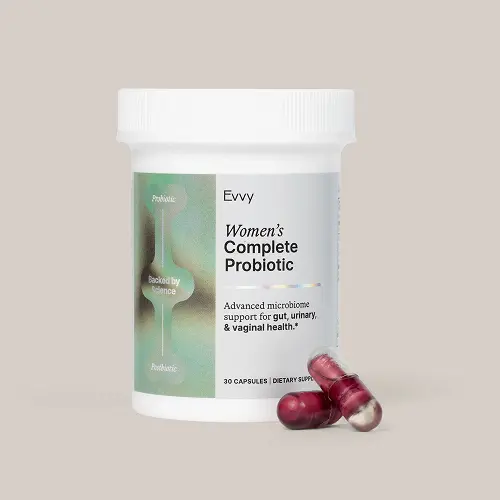
Products like Evvy Women’s Complete Probiotics are designed to support the gut-vagina axis with clinically studied strains, while Evvy Vaginal Probiotic Suppositories offer targeted, localized support directly in the vaginal environment. Neither is positioned as a treatment, but both may be useful tools for microbiome support when used thoughtfully.
When it comes to probiotics, both oral and vaginal options work in their own unique ways, and there’s really no one-size-fits-all solution.
Oral probiotics support the gut–vaginal axis, the biological pathway through which gut microbes can influence the vaginal flora. They are easy to take, widely studied, and fit naturally into a daily routine, which can make long-term consistency easier. Multiple randomized controlled trials show that oral probiotics containing strains such as Lactobacillus rhamnosus and Lactobacillus gasseri can successfully influence vaginal microbiota, increasing Lactobacillus abundance and reducing harmful bacteria over time — though these changes may happen more gradually than with vaginal products.
Vaginal probiotics, by contrast, deliver Lactobacillus directly to the vaginal environment, which is why vaginal delivery of probiotics often demonstrates faster microbiome changes compared to oral delivery. For that reason, they’re often used after completing antibiotic treatment, when the goal is to help beneficial bacteria re-establish themselves. Some studies suggest vaginal probiotics may be particularly helpful for short-term recolonization and pH support. However, systematic reviews indicate that vaginal colonization is often transient and may not persist once dosing stops, which can limit long-term effects if they’re used alone.
Ultimately, the best choice for you can depend on your personal preferences and lifestyle. Some people prefer using vaginal probiotics for a quick boost after antibiotics, while others like the consistency of taking an oral probiotic every day. What really matters is finding a routine that works for you, whether you need a short-term boost or ongoing support to help prevent issues down the line.
If you’re interested in a broader, whole-microbiome approach, Evvy Women’s Complete Probiotic is designed to provide 3-in-1 support for the gut, vaginal, and urinary microbiomes, making it a good option for those seeking more comprehensive, long-term microbiome support rather than targeted, short-term use. If you’re looking to replenish beneficial bacteria to rebalance your microbiome after sex, your period, antibiotics, or other disruptions, Evvy Vaginal Probiotic Suppositories are also a good choice.
Using probiotics strategically matters just as much as choosing the right strains.
Probiotics are typically used:
Most studies showing reduced recurrence involved combining probiotics with standard treatment, not instead of it.
Research suggests that longer use (often one to three months) is associated with better outcomes, but there's some evidence that short-term probiotic treatment (one to two weeks) can lead to significant improvements in vaginal pH and Nugent scores, with some studies showing benefits lasting up to 28 days after treatment.
Clinical trials involving the strains included in Evvy Women’s Complete Probiotic have shown that after three months of daily use, most individuals experience a stable vaginal pH and notice a reduction in vaginal discharge and odor as healthy Lactobacillus populations increase. This is why we recommend using the probiotic for at least three months. Continuing daily use for up to six months further helps to reinforce and maintain a healthy microbiome in the gut, vaginal, and urinary tracts.
If symptoms return or don’t improve, it’s important to check in with a clinician rather than simply adding more supplements.
You should talk to a healthcare provider if:
A healthcare provider can confirm a diagnosis, rule out other infections, and help you decide whether adjunct options like probiotics make sense for your specific situation. They can also help guide timing, duration, and expectations so you’re not left guessing or self-treating without clear answers.
If you’re dealing with recurrent or unclear symptoms, Evvy’s Vaginal Health Test can be a helpful next step. The test analyzes your vaginal microbiota in detail, helping you understand which bacteria are present and whether dysbiosis may be contributing to your symptoms. An Evvy-affiliated provider reviews your results and creates a personalized plan of action to help rebalance your microbiome. Eligible users can also access custom prescription treatments, including targeted antibiotics and probiotics, based on their unique microbiome profile, offering a more personalized approach than trial and error alone.
There isn’t one single probiotic that works best for everyone with bacterial vaginosis. Research suggests that specific Lactobacillus strains, rather than probiotics in general, are what matter most. Lactobacillus crispatus has some of the strongest evidence, particularly for reducing recurrent bacterial vaginosis after antibiotics. Other strains like L. rhamnosus, L. reuteri, L. jensenii, and L. gasseri have also been studied. Effectiveness depends on the strain, how long it’s taken, whether it’s used alongside antibiotics, and individual differences in vaginal microbiome composition.
Probiotics alone aren’t considered a replacement for antibiotics in treating bacterial vaginosis. Current clinical guidelines still recommend antimicrobial therapy as the primary treatment. However, research suggests probiotics may play a helpful complementary role, especially after antibiotics, by supporting the return of beneficial Lactobacillus species and lowering the risk of recurrence. In other words, probiotics may help support recovery and long-term balance, but they shouldn’t be relied on as a standalone cure for active bacterial vaginosis.
The probiotic strains with the most evidence for bacterial vaginosis support are vaginally relevant Lactobacillus species. These include Lactobacillus crispatus, which is strongly associated with a healthy vaginal microbiome, as well as L. jensenii, L. gasseri, and L. rhamnosus. L. reuteri is also frequently studied, often in combination with L. rhamnosus. These strains are thought to help maintain an acidic vaginal pH, compete with BV-associated bacteria, and promote microbiome stability.
Probiotics don’t directly eliminate pathogenic bacteria the way antibiotics do. Instead, they may help by supporting a healthier vaginal microbiome. Lactobacillus strains can produce lactic acid, which helps lower vaginal pH, making it less hospitable to BV-associated bacteria. Some studies also suggest probiotics may reduce inflammation and promote a more balanced vaginal microbiome. Over time, this may translate to fewer symptoms and a lower likelihood of bacterial vaginosis coming back after treatment.
Most studies that found benefits from probiotics used them for several weeks to a few months, rather than just a short course. Research suggests that taking probiotics for about one to three months, particularly after completing antibiotic treatment, may be associated with lower recurrence rates. The vaginal flora can take time to stabilize, so longer-term use appears more effective than brief supplementation. If symptoms persist or return, it’s important to check in with a clinician rather than continuing supplements indefinitely.