CONGRATS! YOU EARNED FREE SHIPPING.

Product Title
1
$0
$0
Subscription Title

Looking kind of empty in here.
We recommend:
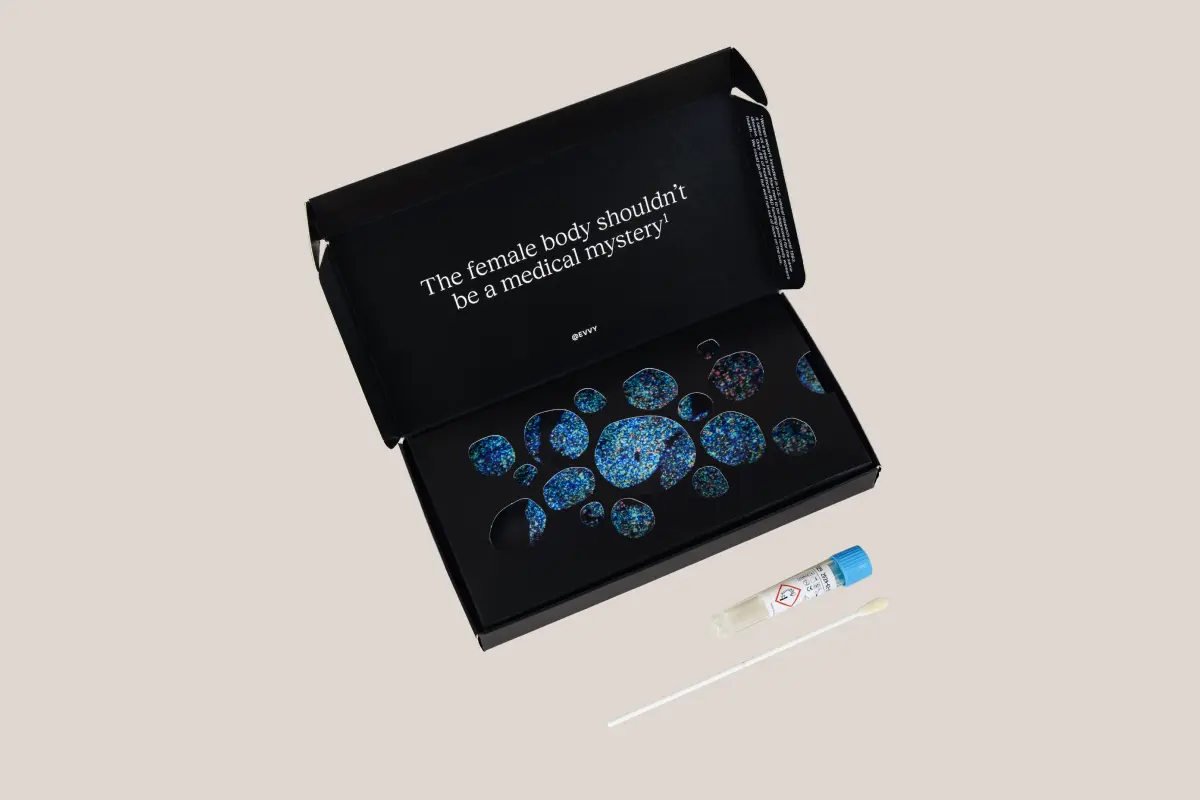
Get advanced insights into symptoms, fertility, and other health outcomes. Prelim results in 1-3 days.

Antibiotics not working for your UTI? Learn why symptoms persist, what tests help, and the next steps to get the right treatment.
Words by Olivia Cassano
Scientifically edited by Dr. Krystal Thomas-White, PhD
Medically reviewed by Dr. Kate McLean MD, MPH, FACOG
Urinary tract infections (UTIs) are incredibly common, and for the most part, antibiotics are a quick and reliable fix. In a straightforward, uncomplicated UTI, most people start to notice improvement within a couple of days of starting the right antibiotic. The burning sensation eases, the urgency calms down, and you start to feel like yourself again.
But what if that doesn’t happen? Maybe you’re a few days into treatment and still feel miserable. Or your symptoms improved briefly, only to come roaring back a week later. It’s incredibly frustrating when antibiotics don’t seem to be working for a UTI.
There are several well-understood reasons why UTI antibiotics sometimes fail. The bacteria might be resistant to the medication, or the antibiotic may not be the best match in the first place. The infection could also be more complicated than it first appeared, and sometimes, your symptoms might not be from a UTI at all.
Below, we’ll walk through how UTI antibiotics are supposed to work, why they sometimes don’t, and how to tell when something else may be going on.
Antibiotics treat urinary tract infections by targeting the bacteria causing the infection, most often in the bladder. Most UTIs are caused by bacteria from the gut, especially Escherichia coli (E. coli), that travel to the urinary tract through the urethra and multiply.
When you start an antibiotic for a UTI, the medication is absorbed into your bloodstream and filtered through your kidneys. From there, it concentrates in your urine, where it can directly act on bacteria living in the bladder and urinary tract.
Different antibiotics work in different ways. Some damage bacterial cell walls, others interfere with protein production or DNA replication. The end goal is the same: to kill the bacteria and stop them from multiplying so your immune system has a fighting chance to clear the infection.
Typical treatment courses for uncomplicated urinary tract infections range from three to seven days, depending on the antibiotic used and your personal risk factors. Shorter courses are often effective for simple bladder infections in otherwise healthy, non-pregnant adults. More complicated infections (which might involve different pathogens, like fungi or viruses) may require longer treatment.
When the antibiotic is the right match for the bacteria, symptoms usually begin to improve quickly. Pain and burning often ease first, followed by reduced urgency and frequency. While it’s normal for mild symptoms to linger for a few days, you should notice an improvement pretty quickly.
For most uncomplicated urinary tract infections, people start to feel better within 24 to 48 hours of starting antibiotics. By day three, symptoms should be noticeably improved, even if they’re not completely gone. By the end of the prescribed course, most people feel back to normal.
If there’s no improvement at all after two to three days, or if symptoms worsen, that’s a sign to check back in with your provider.
Not all UTI antibiotics are the same. Common first-line options include nitrofurantoin, trimethoprim-sulfamethoxazole, and fosfomycin. These are chosen because they tend to work well against common UTI bacteria and reach high concentrations in the urine.
Other antibiotics, such as fluoroquinolones or oral beta-lactams, may be used in certain situations but can have lower cure rates or more side effects. The specific drug, dose, and duration matter more than many people realize, which is one reason follow-up is so important if symptoms don’t improve as expected.

Recurrent symptoms? Get Evvy's at-home vaginal microbiome test, designed by leading OB-GYNs.
When antibiotics don’t work for a UTI, there’s almost always a reason. Understanding the potential reason can make the next steps feel less overwhelming.
The main reason antibiotics may not clear a urinary tract infection (UTI) is antibiotic resistance. Antibiotic resistance occurs when a specific strain of bacteria has developed resistance to a particular antibiotic, which means the antibiotic will not work as intended. Resistance rates for commonly used UTI antibiotics are now over 20%.
If you receive an antibiotic that doesn't work against your specific bacteria, your symptoms might persist or come back quickly. People who have had antibiotic-resistant UTIs before are at a higher risk of this happening again.
Sometimes it’s not about antibiotic resistance; it could be the wrong antibiotic choice or dose. Certain oral beta-lactam antibiotics may not reach the right levels in the urine or may not work as well as other options, and nearly one in two women are prescribed an antibiotic that may not actually work against their infection. Using a shorter or incorrect dosage can also affect effectiveness.
Another issue is bacterial persistence. Some bacteria that cause UTIs can form protective layers called biofilms or hide in bladder cells. This makes it harder for antibiotics to completely eliminate the infection, even if the antibiotic is the right one.
Lastly, sometimes antibiotics don’t help because the UTI wasn’t caused by E. coli or even a bacterium in the first place. UTIs can be caused by a variety of organisms, some of which are not detectable by standard diagnostic methods. Also, antibiotics only work against bacterial infections, so in rare cases where UTIs are caused by a fungus or a virus, antibiotics won’t be effective and can even make symptoms worse by disrupting the normal microbiome. Non-bacterial UTIs won't respond to antibiotics and require different treatment options.
How you take your antibiotic matters. If you miss doses, stop taking them too soon just because you feel better, or don’t follow the instructions, it can give some bacteria a chance to survive. Bacteria will do what they can to survive and can bounce back and cause the infection to come back soon after you finish your treatment.
There’s also a difference between relapse and reinfection. A relapse happens when the original infection wasn’t completely cleared out, so symptoms usually show up again within days or a couple of weeks. On the flip side, a reinfection means you’ve picked up a new infection, which can happen weeks or even months later — especially if you’re someone who tends to get frequent UTIs. Recurrent UTIs can often return three or more times per year despite effective antibiotic treatment.
Other factors, like sexual activity, having new sexual partners, using spermicides, or changes in vaginal health, can all raise the risk of getting reinfected with a UTI, even if you followed your antibiotic course correctly. Women are also more prone to UTIs because their urethra is shorter than men's, and is closer to the anus — so our anatomy is simply primed for UTIs! In other words, sometimes it's down to sheer bad luck.
Some UTIs are considered complicated because underlying factors make it harder to treat, or the infection has spread to the kidneys. Medical conditions that can increase your risk of complicated UTIs include:
In these cases, infections are more likely to be caused by multidrug-resistant bacteria and may not respond to standard first-line antibiotics. Kidney infections (pyelonephritis) often require longer courses of antibiotics, broader-spectrum drugs, or even intravenous treatment.
You should seek urgent care if your UTI isn't going away and you start experiencing emergency UTI symptoms like severe fever (over 101°F), chills, flank pain, nausea, vomiting, or confusion.
A surprisingly common reason antibiotic treatment doesn’t help is that your symptoms aren’t coming from a UTI in the first place. Many conditions can mimic UTI symptoms, especially burning, urgency, and frequent urination.
Vaginal infections like yeast infections, bacterial vaginosis (BV), and cytolytic vaginosis can cause the same symptoms of a UTI, like burning, irritation, and discomfort. Sexually transmitted infections such as chlamydia, gonorrhea, or trichomoniasis can also cause a burning sensation when you pee, and sometimes an increased urge to go to the bathroom.
Irritation of the genital area can happen from things like soaps, wipes, lubricants, pads, or even tight clothing. This can cause the sensitive vulvar and vaginal tissue to become inflamed, leading to feelings of stinging or urgency, even when there isn't a bladder infection. In these cases, taking antibiotics for a UTI won’t be helpful and might actually make things worse by upsetting the balance of the vaginal microbiome.
If your urine tests are negative or antibiotics don’t change your symptoms at all, it’s worth considering whether something else could be causing the discomfort.
Bladder pain syndrome, also known as interstitial cystitis, is a chronic condition that causes bladder pressure, pain, and urinary frequency without an active infection. Symptoms often flare with stress, certain foods, or hormonal changes.
Pelvic floor muscle dysfunction can also cause urinary urgency, incomplete emptying, and pain. Overactive bladder, kidney stones, and even constipation can contribute to urinary symptoms that feel like a UTI.
These conditions require very different management approaches than UTIs, which is why getting the right diagnosis matters so much.
When UTI symptoms persist or keep coming back, doctors usually move beyond empiric treatment (treatment based on an educated guess) and take a closer look.
A urine culture is one of the most important next steps when antibiotics don’t work. Unlike a basic urinalysis, which looks for signs of infection, a culture grows the bacteria in a lab and identifies if common uropathogens are present.
Antimicrobial susceptibility testing then shows which antibiotics are effective against that specific bacterium. This allows your provider to switch you to a targeted treatment instead of guessing. Repeat urinalysis may also check for blood, protein, or other abnormalities that suggest kidney involvement or another issue.
If UTIs are recurrent or severe, imaging such as ultrasound or CT scans may be used to look for kidney stones, structural abnormalities, or urinary obstruction. Blood tests can help assess kidney function or signs of a systemic infection. These tests are especially important if you have diabetes or a weakened immune system.
For people with chronic UTIs or ongoing urinary and vaginal symptoms despite standard care, more advanced testing can sometimes provide clarity. The urinary and vaginal microbiomes play a key role in protecting against infection and irritation.
Evvy’s UTI+ Test and Vaginal Health Test are at-home options designed to identify imbalances in these microbiomes. By using advanced sequencing technology, these tests can detect bacteria and fungi that may not show up on standard cultures and help explain patterns of recurrence or persistent UTI symptoms.
When first-line antibiotics fail, management usually becomes more individualized.
Based on culture results, your healthcare provider may prescribe a different antibiotic that the bacteria are known to be sensitive to. In some cases, longer courses or higher doses are needed. Complicated infections may require intravenous antibiotics or referral to a specialist. The goal is to fully clear the infection while minimizing unnecessary antibiotic exposure.
For people with frequent UTIs, prevention becomes just as important as treating each infection as it comes. This often means looking beyond antibiotics and focusing on strategies that lower risk over time, such as lifestyle and behavioral changes that can help remove common triggers. That can mean practicing safer sex, avoiding spermicides (which are known to increase UTI risk), staying well hydrated (to help flush bacteria out of the bladder), and cutting back on bladder irritants like coffee and alcohol.
Supporting vaginal health also plays an important role. Evvy Women’s Complete Probiotic can be part of a broader prevention approach. It’s designed with clinically studied strains to help maintain healthy vaginal and urinary microbiomes and support balance over time, which may help reduce both vaginal symptoms and urinary discomfort.
It’s important to be clear that these steps won’t fully prevent UTIs from coming back on their own, especially if you deal with chronic or recurrent infections. But they can reduce irritation, lower risk, and support your body alongside treatment. Working with a clinician to build a long-term, personalized plan — one that combines the right testing, targeted treatment, and prevention strategies — can help break the cycle of repeat infections and constant antibiotics.
You should contact your clinician if your symptoms haven’t improved within 48 to 72 hours of starting treatment, or if they worsen at any point. Fever, back or flank pain, vomiting, confusion, or inability to keep fluids down are signs that need urgent evaluation.
Blood in the urine, severe pain, or difficulty urinating should also prompt immediate care. If you’re pregnant, have diabetes, a suppressed immune system, or a history of chronic UTIs, earlier follow-up is especially important.
UTIs are the most common infection among women in the U.S., and about half of women will experience one in their lifetime. Yet the tests most people rely on today often miss what’s actually going on. Standard urine cultures can take several days to come back and may fail to detect up to 50–70% of the bacteria that cause UTIs. That leaves many people stuck in a frustrating trial-and-error antibiotic cycle.
Evvy’s UTI+ Test and Vaginal Health Test are designed to take the guesswork out of this process. These at-home tests use advanced PCR and sequencing technology to detect bacteria and fungi that standard cultures often miss, including antibiotic resistance genes. Results are available within one business day of the sample arriving at the lab, so you can get quick, trustworthy answers about what’s really causing your symptoms.
Instead of trial and error, Evvy helps support targeted treatment. With the Evvy UTI+ Test, providers can see exactly which pathogen is present and which antibiotics are likely to work, so treatment is more precise from the start. If you’re eligible, you can even pick up the right prescription the same day your results are ready.
For people with chronic UTIs, Evvy can also help identify whether the vaginal microbiome is contributing to the cycle. Research shows that bacteria from the vaginal microbiome can move into the bladder, which helps explain why about one in four women experience repeat infections. In fact, among Evvy users who reported a recent UTI, nearly half were found to have UTI-related bacteria in the vaginal microbiome — an often-overlooked piece of the puzzle. This is where microbiome-focused testing like Evvy’s Vaginal Health Test can be helpful.
There are a few common reasons this can happen. The most frequent is antibiotic resistance, meaning the bacteria causing your infection aren’t affected by the medication you were prescribed. It can also happen if the antibiotic isn’t the best match for that specific bacteria, if you missed a dose or stopped the course too early, or if the infection is more complicated than it first seemed. In some cases, ongoing symptoms may not be from a UTI at all, which is why follow-up matters.
If symptoms don’t improve within a few days, the next step is usually more testing. A urine culture with sensitivity testing can identify the exact bacteria causing the infection and which antibiotics are most likely to work. Your healthcare provider may also repeat a urinalysis or look for other causes of symptoms, especially if UTIs keep coming back.
When a UTI doesn’t fully clear after antibiotic treatment, it’s important to be re-evaluated by your provider. Persistent or undertreated infections can sometimes spread to the kidneys or, more rarely, the bloodstream. This risk is higher for people who are pregnant, have diabetes, have weakened immune systems, or have a history of complicated UTIs. Getting the right diagnosis and treatment early can help prevent more serious problems.
Yes, absolutely. Many conditions can cause UTI-like symptoms, but won’t respond to antibiotics prescribed for a UTI. Vaginal infections, STIs, genital irritation, bladder pain syndrome, pelvic floor dysfunction, kidney stones, and overactive bladder can all cause burning, urgency, or frequent urination. If tests don’t show an infection or antibiotics haven’t helped, it’s worth exploring these possibilities.
Treating a stubborn UTI usually starts with understanding why it hasn’t cleared. That may mean using culture-guided antibiotics that are better matched to the bacteria, extending or adjusting treatment, or addressing underlying risk factors like kidney stones or uncontrolled diabetes. For people with recurrent UTIs, prevention strategies and a more personalized plan can help break the cycle and reduce future infections. If you've been treated for a UTI but still have symptoms, you should speak to your primary care provider about chronic UTIs.