CONGRATS! YOU EARNED FREE SHIPPING.

Product Title
1
$0
$0
Subscription Title

Looking kind of empty in here.
We recommend:
Get advanced insights into symptoms, fertility, and other health outcomes. Prelim results in 1-3 days.
Is vaginal dryness a sign of your period or pregnancy? Learn what dryness really means, common causes, and when to test or see a provider.
Words by Olivia Cassano
Scientifically edited by Dr. Krystal Thomas-White, PhD
Medically reviewed by Dr. Kate McLean MD, MPH, FACOG
If you're experiencing more vaginal dryness than usual, it's only normal to assume that your hormones are to blame. This usually points to one of three possibilities: your menstrual cycle, pregnancy, or menopause.
Many people monitor vaginal changes as an early sign that their period is approaching or that they might be pregnant. However, vaginal dryness alone isn’t a reliable indicator that your period is coming, nor is it typically a sign of early pregnancy.
This is because vaginal moisture, lubrication, and discharge are all influenced by fluctuating hormone levels. Estrogen and progesterone levels rise and fall throughout your menstrual cycle and experience significant changes during the first trimester of pregnancy. These hormonal changes can affect the consistency of cervical mucus and how wet or dry you may feel, but the patterns often overlap more than we realize.
Continue reading to learn how vaginal dryness may differ before a period versus during early pregnancy — and the many common reasons dryness can occur that have nothing to do with either.
Hormones are the main reason vaginal moisture changes throughout your life, but especially during your cycle and pregnancy. Estrogen plays a big role in keeping the vaginal tissue thick, elastic, and well-lubricated.
When estrogen is balanced, blood flow to the vagina increases, the vaginal lining stays healthy, and most people notice more natural lubrication. Progesterone, on the other hand, tends to counterbalance estrogen. When progesterone is dominant, lubrication and cervical mucus often decrease.
In a typical menstrual cycle, estrogen rises in the first half of the cycle and peaks around ovulation. After ovulation, estrogen levels decrease, and progesterone levels increase during the luteal phase, which is the period leading up to menstruation. That hormonal shift is why many people notice less discharge, or even several “dry days” right before their period.
In the early stages of pregnancy, hormones change again, but in a different direction. Estrogen and progesterone both increase to support the pregnancy. For most people, rising estrogen and increased blood flow to the vaginal area lead to more discharge, not less.
But it’s important to clear up a common confusion: having little or no discharge isn’t the same thing as vaginal dryness. Discharge refers to cervical mucus and vaginal secretions you may notice in your underwear or when you wipe. Vaginal dryness is more about how the tissues feel, such as irritation, tightness, burning, or discomfort during sex. You can have minimal discharge without feeling dry, and you can feel dry even if some discharge is present.
Cervical mucus changes are a normal, healthy part of the menstrual cycle, and they’re largely driven by estrogen and progesterone. Right after your period ends, you might notice very little discharge, or none at all. As estrogen begins to rise, discharge often becomes sticky or creamy. Closer to ovulation, when estrogen peaks, many people notice more abundant, slippery, stretchy mucus that’s sometimes compared to raw egg whites. This type of discharge helps sperm travel and is a sign of peak fertility.
After ovulation, progesterone takes over. Discharge typically becomes thicker, cloudier, or more scant. For some people, this phase includes days where there’s barely any noticeable discharge at all. In the final days before your period, it’s common to feel relatively dry compared to earlier in the cycle.
These shifts are considered normal, and they repeat in a fairly predictable pattern for many people.
Early pregnancy often comes with noticeable changes in vaginal discharge, too. Rising estrogen and increased blood flow to the vagina typically lead to more discharge, not less. Many people notice a steady increase in thin, white, or milky discharge during the first trimester. This is leukorrhea, and it helps protect the vagina and cervix from infection.
That said, bodies aren’t robots. Some people do report feeling temporarily drier at certain points of pregnancy. This can happen because estrogen and progesterone don’t rise smoothly in a straight line; they fluctuate, especially in the very early weeks. Dehydration, stress, nausea that makes it hard to drink enough fluids, or other lifestyle factors can also affect how moist vaginal tissue feels.
The key thing to remember is that vaginal dryness alone is uncommon and non-specific in early pregnancy. It’s not considered a reliable pregnancy sign and should always be interpreted alongside other symptoms and, most importantly, pregnancy testing. More reliable early signs of pregnancy include a missed period, nausea, extreme fatigue, and breast tenderness.
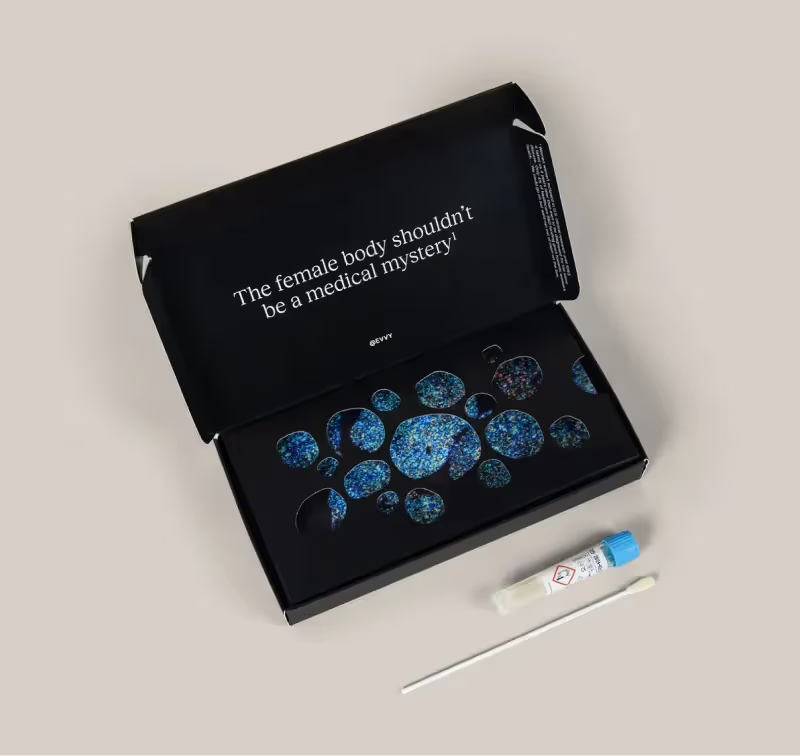
Recurrent symptoms? Get Evvy's at-home vaginal microbiome test, designed by leading OB-GYNs.
If you’re trying to interpret vaginal dryness in the context of “period or pregnancy,” timing and patterns matter more than the symptom alone. Dryness (meaning less discharge) is simply more common in the days leading up to a period than it is in early pregnancy, but even then, it’s just one small piece of the puzzle.
What’s actually common before a period isn’t true vaginal dryness, but a drop in cervical mucus and discharge. After ovulation, estrogen levels drop, and progesterone rises. This hormonal shift usually causes cervical mucus to become thicker, minimal, or even absent in the days leading up to menstruation. Many people describe this as feeling “dry,” but in most cases, it’s a change in discharge volume rather than dryness of the vaginal tissue itself.
True vaginal dryness refers to the vaginal lining feeling irritated, tight, or uncomfortable, and that isn’t a necessary or expected sign that your period is coming. You can have very little discharge and still have healthy, well-lubricated vaginal tissue.
If you notice that you consistently have less discharge in the same phase of your cycle and things return to your usual baseline once your period starts, that pattern is likely a normal, hormone-driven change in cervical mucus. Tracking your cycle can help clarify whether what you’re noticing lines up with the post-ovulation, pre-period phase, without assuming that vaginal dryness itself is a signal from your body.
Dryness isn't considered a reliable standalone indicator of pregnancy. Early pregnancy is far more often associated with increased discharge rather than dryness, because rising estrogen and increased blood flow usually make things wetter, not drier.
Some people do experience temporary dryness in early pregnancy, but it’s described as uncommon and variable. When it does happen, it’s often linked to fluctuating hormones, dehydration, stress, or nausea that affects fluid intake. Because dryness is rare and non-specific in early pregnancy, it should never be used as an indicator of pregnancy by itself.
If you’re wondering, “Is early pregnancy wet or dry?” the more accurate answer is that it’s usually wetter. If you think you might be pregnant, a missed period combined with a home pregnancy test and classic symptoms like nausea, breast soreness, and fatigue is far more informative than vaginal dryness alone.
Vaginal dryness can be influenced by medications, stress, infections, low-estrogen states, chronic health conditions, and even everyday products you come into contact with, which is why it doesn’t always point to one clear cause.
Certain medications can make you feel drier in different parts of your body, including the vagina. Common examples include antihistamines, some antidepressants, acne medications like isotretinoin, and certain blood pressure or mental health medications. Some treatments specifically affect estrogen, which plays a big role in keeping vaginal tissue comfortable and well-lubricated.
Medications like aromatase inhibitors, selective estrogen receptor modulators (such as tamoxifen), gonadotropin-releasing hormone agonists, and some progestin-based therapies can lower estrogen enough to cause vaginal dryness, even in people who haven’t gone through menopause.
Hormonal birth control can also be part of the picture. Methods that lower estrogen or keep hormones very steady may reduce those usual mid-cycle estrogen peaks, and some people notice less natural lubrication or a more persistent dry feeling as a result.
Stress is another major, and often overlooked, contributor. Chronic stress raises cortisol, which can interfere with normal hormone signaling and blood flow to the vagina. Anxiety, relationship stress, and other psychosocial factors can also influence arousal and vaginal lubrication. When stress is paired with dehydration or poor sleep, dryness can show up even when labs and exams look “normal.”
Dryness isn’t always dryness in the hormonal sense. Infections like yeast infections, bacterial vaginosis (BV), and some sexually transmitted infections can cause burning, irritation, or a tight, dry feeling, even if discharge is present.
Local irritants are another common trigger. Fragranced soaps, douches, wipes, pads, liners, and even certain laundry detergents can disrupt the vulvar and vaginal environment, leading to inflammation that feels like (but isn’t) dryness.
Low-estrogen states outside of menopause are an important and sometimes missed cause. Postpartum and breastfeeding people often experience vaginal dryness because estrogen levels remain suppressed for a period of time. Other hypoestrogenic states, such as premature ovarian insufficiency or surgical removal of the ovaries, can have a similar effect. Perimenopause can also bring fluctuating estrogen that makes the vagina thinner and less lubricated, even before periods become irregular.
Chronic medical conditions matter, too. Diabetes, pituitary disorders, cardiovascular disease, chronic kidney disease, and other systemic illnesses that affect blood flow or hormone regulation can contribute to vaginal dryness. Cancer treatments like chemotherapy and pelvic radiation can directly impact vaginal tissue or ovarian hormone production. Genitourinary symptoms associated with menopause can also appear in younger people with low estrogen or those using antihormonal therapies.
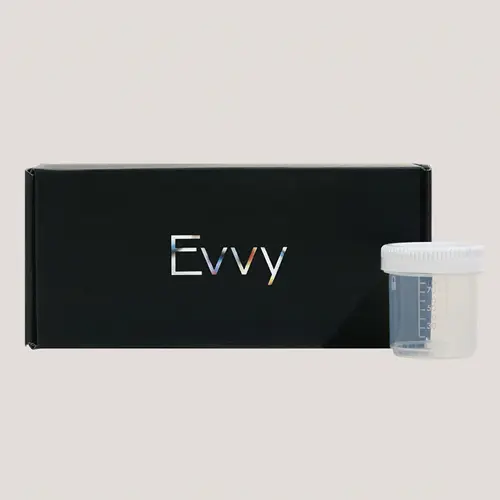
If dryness comes with unusual discharge, odor, itching, pain, burning, or discomfort during sex, it’s worth discussing with your provider. Vaginal dryness in reproductive-age people isn’t something you just have to live with, and it can be a clue to hormonal, medication-related, systemic, or microbiome-related factors. Tools like Evvy’s Vaginal Health Test can help you explore whether imbalances in bacteria or fungi might be contributing, giving you more concrete information to discuss with a healthcare provider.
If you’re pregnant and dealing with vaginal dryness, the good news is that there are safe ways to stay comfortable.
For mild dryness, simple lifestyle steps can make a big difference. Staying well hydrated supports healthy tissues everywhere, including the vagina. Using a gentle, fragrance-free cleanser externally only, and avoiding douching or internal products, helps protect the vaginal environment.
If dryness causes discomfort during sex or daily activities, water-based or silicone-based lubricants are generally considered safe to use during pregnancy. Vaginal moisturizers designed for regular use, rather than just during sex, can also help maintain comfort. Always check labels and, when in doubt, confirm with your healthcare provider.
Dryness may be related to an infection or a vaginal microbiome imbalance rather than hormones alone if it’s accompanied by:
Pregnancy can change the vaginal environment in ways that make some infections more likely, so it’s especially important not to ignore persistent or worsening symptoms.
Taking Evvy’s Vaginal Health Test can give you detailed insight into the bacteria and fungi present, which can be helpful information to share with your doctor. From there, a provider can recommend appropriate testing or treatment options that are safe during pregnancy.
Vaginal dryness can be an important signal about what’s going on hormonally in your body. One of the most common reasons people experience ongoing or worsening vaginal dryness is the transition into perimenopause and menopause, when estrogen levels begin to fluctuate and decline. This shift can lead to thinner, less elastic vaginal tissue and reduced natural vaginal lubrication, even before periods become irregular or stop altogether.
It’s a good idea to talk to a healthcare provider if vaginal dryness is persistent, uncomfortable, or starting to affect your daily life or sex life. You should also seek care if dryness comes with symptoms like itching, burning, pain with sex, spotting or bleeding, or changes in discharge, since these can point to infections, inflammation, or other vaginal or hormonal conditions.
If vaginal dryness feels new, is getting worse over time, or doesn’t improve with basic measures like avoiding irritants or using lubricants, a provider can help evaluate whether low estrogen, perimenopause, menopause, medication effects, or other health factors may be playing a role and help you find treatment options that actually bring relief.
If vaginal dryness is part of a bigger pattern that includes recurrent infections, unexplained discomfort, or symptoms that don’t respond to standard treatments, understanding your vaginal microbiome can be a powerful next step. Evvy’s Vaginal Health Test looks at the full spectrum of bacteria and fungi present, not just a short list of pathogens.
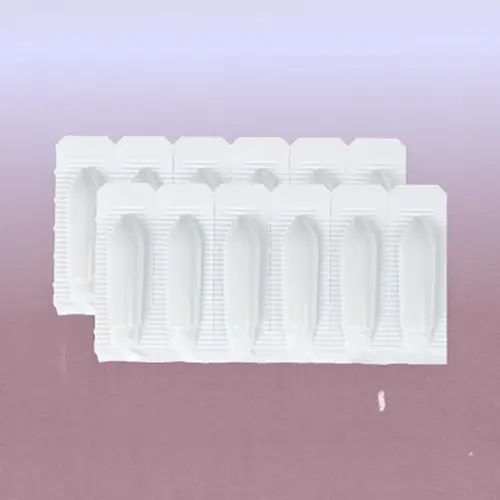
For people experiencing persistent dryness, Evvy also offers guidance on targeted treatments that can help restore comfort and vaginal health. Options include Estradiol Vaginal Cream, which provides localized estrogen to improve tissue thickness and natural lubrication, and Hyaluronic Acid Suppositories, which help hydrate and soothe the vaginal lining. Paired with insights from the microbiome test, these treatments allow you and your healthcare provider to tailor a plan that addresses both dryness and any underlying microbial imbalances, supporting long-term vaginal wellness.
No. Vaginal dryness on its own isn’t considered a typical or reliable sign of early pregnancy. Early pregnancy is more often associated with increased discharge due to rising estrogen and increased blood flow.
It can be, but it’s usually not true vaginal dryness. What most people are noticing is a decrease in cervical mucus and discharge in the days leading up to their period. After ovulation, estrogen levels naturally drop, which often means fewer secretions and more “dry days.” This change can feel like dryness, even though the vaginal lining itself is still healthy and well-lubricated. Because this shift is a normal part of the menstrual cycle, it can happen regularly before a period, but it’s just one of many possible premenstrual changes. On its own, it isn’t a reliable or definitive sign that your period is about to start.
Early pregnancy is usually wetter rather than drier. Rising estrogen levels and increased blood flow to the vaginal area typically lead to more vaginal discharge, not less. This discharge, often called leukorrhea, is usually thin, white or milky, and odorless, and it plays a protective role by helping prevent infections. While some people do report feeling drier at certain points early in pregnancy, this isn’t the norm and can vary day to day. Because of that variability, dryness alone isn’t considered a meaningful or reliable sign of early pregnancy.
The most reliable way to tell the difference is through timing and testing, not symptoms like dryness. The most definitive way to determine if symptoms are related to pregnancy is to take a home pregnancy test or consult a healthcare provider. If a test is negative but your period still doesn’t come, repeating the test a few days later can help. Symptoms such as nausea, breast tenderness, fatigue, and more frequent urination tend to be more informative than vaginal changes alone, which can overlap with normal cycle shifts and early pregnancy.
Once you’re pregnant, you no longer have menstrual cycles in the usual sense, so thinking in terms of being “dry before your period” can be misleading. That said, some people do notice temporary vaginal dryness in early pregnancy. This can happen because hormones don’t rise in a smooth, steady line, especially in the first few weeks. Dehydration, stress, or changes in routine can also contribute. These sensations don’t follow the same predictable cycle patterns as premenstrual changes.
If you’re not feeling especially wet in early pregnancy, it doesn’t necessarily mean anything is wrong. Temporary dryness can be linked to fluctuating estrogen and progesterone levels, stress, dehydration, or nausea, which makes it harder to stay hydrated. Some people are also more sensitive to small hormonal changes than others. Because this experience is uncommon and not specific to pregnancy, it shouldn’t be used to confirm or rule out pregnancy without a missed period and proper testing.