CONGRATS! YOU EARNED FREE SHIPPING.

Product Title
1
$0
$0
Subscription Title

Looking kind of empty in here.
We recommend:

Get advanced insights into symptoms, fertility, and other health outcomes. Prelim results in 1-3 days.
Baths don't directly cause BV, but certain products and habits can disrupt vaginal pH. Here's what to avoid and how to bathe safely if you're BV-prone.
Words by Olivia Cassano
Scientifically edited by Dr. Krystal Thomas-White, PhD
Medically reviewed by Dr. Kate McLean MD, MPH, FACOG
If you've been dealing with recurrent bacterial vaginosis (BV), chances are you're questioning every habit to get to the bottom of it, including whether your bubble baths could be making it come back. While baths themselves aren’t a direct cause of BV, what you put in the water and what you do while you're in it can absolutely make a difference. Here's what the research says, what to watch out for, and how to keep your vaginal microbiome in good shape whether you're a bath person or not.
No, a plain, warm bath is not going to cause BV directly. And the research broadly supports that.
The evidence linking bathing habits to BV is limited, and what does exist is complicated by confounding factors. Some studies have noticed that women who take baths more often tend to have higher rates of BV. However, those same women often use douches and scented feminine washes, which are actually more closely linked to BV. Until we have research that specifically looks at bathing on its own, it’s tough to say for sure how baths relate to BV.
For context, the risk factors that are well-established for BV include having multiple or new sexual partners, not using condoms, douching, and a prior history of BV. Bathing doesn't make the list.
BV happens when the balance of bacteria in the vagina is disrupted. A healthy vaginal microbiome is dominated by Lactobacillus bacteria, which produce lactic acid and help maintain a low vaginal pH (typically between 3.8 and 4.5). When Lactobacillus populations drop, other bacteria (including Gardnerella vaginalis, Prevotella species, and others) can overgrow, leading to the classic BV symptoms: a fishy odor, thin gray vaginal discharge, and sometimes irritation or itching.
BV isn't caused by being dirty because it’s not a hygiene issue. It's a microbial imbalance — and while certain bath products and habits (particularly douching and intravaginal washing) may contribute to that imbalance, the bath itself is not the problem.

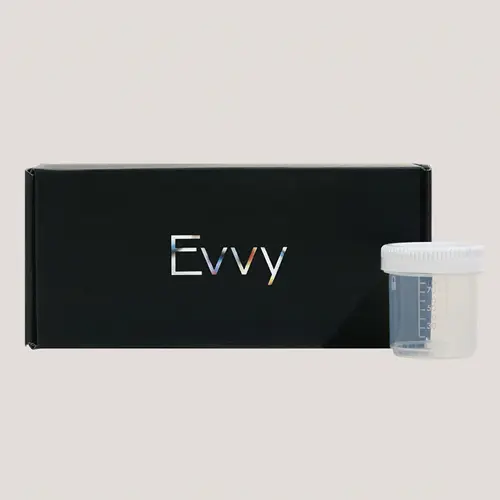
Recurrent symptoms? Get Evvy's at-home vaginal microbiome test, designed by leading OB-GYNs.
Bubble baths, scented soaps, bath bombs, and feminine washes are often flagged as potential BV triggers, but the picture is more nuanced than that.
The direct research linking these products to BV is limited. One small case-control study from the 90s found an association between the use of bubble bath, antiseptic solutions, and douching and higher rates of BV — but association isn't the same as causation. What the evidence does more consistently show is that over-washing and the use of douches or intravaginal cleansers can be harmful to vaginal health and are linked to higher rates of BV.
Your vagina is self-cleaning, so it doesn't need soap (and neither does your vulva, really). Washing too frequently or using fragranced products, antiseptics, or feminine washes in the vulvovaginal area can weaken the vaginal microbiome, your first line of defense against infections and imbalances. If that Lactobacillus-dominant ecosystem is regularly disrupted, it becomes easier for BV-associated bacteria to take hold.
So while a bubble bath isn't guaranteed to give you BV, if you're already prone to recurrent infections, regularly using fragranced products in the bath is worth reconsidering.
Epsom salt and baking soda baths are unlikely to cause BV directly, but they can potentially worsen BV-like symptoms if the bath is very hot or if the salt or baking soda irritates the vulva or disrupts the normal vaginal environment.
Epsom salt baths are a popular way to soothe sore muscles, but overly hot salt baths can sting or irritate sensitive genital tissue. If the solution touches the inner vulva and causes burning or vaginal irritation, that can make symptoms feel significantly worse, especially if you already have BV or are prone to recurrent infections.
Baking soda baths are sometimes mentioned for symptom relief in certain vaginal infections (like cytolytic vaginosis), but baking soda is not a standard or evidence-based treatment for BV. Using it too frequently or in high concentrations can alter vaginal pH and disrupt the bacterial balance, which could be counterproductive if you're already prone to BV.
Being BV-prone doesn't necessarily mean giving up baths entirely. It means being mindful about what goes in the water and what you do in it. Here's how to minimize risk:
If you notice symptoms of BV — a fishy odor, a change in discharge (thin, grayish, or watery), itching, or a burning sensation when you pee — it's worth getting checked out. These symptoms don't always mean BV; they can overlap with other infections, such as yeast infections or some sexually transmitted infections (STIs).
Tell your healthcare provider if:
Recurrent BV can be frustrating, especially when you feel like you're doing everything right. The reality is that BV isn't always about hygiene. It's about your vaginal microbiome, which is influenced by genetics, hormones, sexual activity, and more.
Evvy's Vaginal Microbiome Test uses metagenomic sequencing to give you a comprehensive picture of the bacteria and fungi in your vaginal microbiome, not just whether BV bacteria are present, but which specific strains and at what levels. That kind of detail can help you and your provider understand the root cause of recurring infections and build a more targeted treatment plan.
It depends. Plain, warm water baths are generally not harmful and won't make BV significantly worse on their own. But if you're using fragranced products or washing inside the vagina, baths can irritate vaginal tissue and disrupt the bacterial balance that keeps BV at bay. If you already have BV and want to soak, keep it plain and brief, and check with your provider.
Stick to plain, lukewarm water with no added products. Avoid bubble bath, scented soaps, bath bombs, and antiseptics. Only wash the external vulva, never internally.
Plain water is unlikely to significantly alter vaginal pH. However, certain bath additives — especially fragranced products, antiseptics, and alkaline substances like baking soda — can raise pH and disturb the acidic environment that good bacteria need to thrive.
They can be. Research has linked bubble bath use to higher odds of BV. The fragrances and surfactants in bubble baths can disrupt the vaginal epithelium, alter pH, and reduce protective Lactobacillus populations. If you're prone to BV, it's best to avoid them.
Epsom salt baths are unlikely to directly cause BV. The main concern isn't pH because magnesium sulfate has a negligible effect on water pH, but rather that very hot or concentrated salt baths can irritate sensitive genital tissue. If you're already experiencing BV symptoms, that irritation can make things feel worse. There's no strong clinical evidence linking Epsom salt baths to BV outright, but if you're prone to recurrent infections, keeping baths plain and lukewarm is the safer option.
It's generally fine to bathe while you have BV, but keep it simple: no fragranced products, no internal washing. A plain warm bath won't make BV significantly worse, but it won't treat it either. BV requires appropriate antimicrobial treatment, typically metronidazole or clindamycin, prescribed by a healthcare provider. One important caveat is that if you're using intravaginal antibiotics (such as metronidazole gel or clindamycin cream), avoid taking a bath after inserting your treatment. Water can wash the medication out before it has a chance to work, reducing its effectiveness. Wait until your next treatment cycle before bathing, or shower instead during your treatment course.
No test can confirm a bath specifically caused your BV, but if you're experiencing recurring BV and you've noticed a pattern around bath use, that's worth noting and discussing with a provider. Evvy's Vaginal Microbiome Test can identify the specific bacteria contributing to BV and track changes in your microbiome over time, helping you and your provider connect the dots between lifestyle factors and your symptoms.
General hygiene advice often recommends showers over baths, on the grounds that soap and water drain away rather than remain in contact with the vulva. But there are no official guidelines stating you need to switch to showers if you have BV or are prone to it. A plain warm bath without any additives is just as unlikely to cause or worsen BV as a shower.