CONGRATS! YOU EARNED FREE SHIPPING.

Product Title
1
$0
$0
Subscription Title

Looking kind of empty in here.
We recommend:
Get advanced insights into symptoms, fertility, and other health outcomes. Prelim results in 1-3 days.

Why do IVF cycles fail? Learn the most common causes, which tests to ask about after 2-3 failed cycles, and how to plan your next step.
Words by Olivia Cassano
Scientifically edited by Dr. Krystal Thomas-White, PhD
Medically reviewed by Dr. Kate Baron, MD
IVF failure refers to an in vitro fertilization (IVF) cycle that doesn't result in an ongoing pregnancy or live birth. It can happen at several points in the process. Sometimes, IVF fails if the eggs don't mature or the embryos don't develop. Other times, it might stop at the transfer stage if an embryo doesn't implant into the uterus. And there are moments when you might get a positive pregnancy test, only to experience a very early loss.
IVF failure is also more common than most people expect. Data show that a 35-year-old patient with unexplained infertility has only a 48% chance of achieving a live birth after one retrieval, and that probability rises to 80% after three attempts. Regardless of the reason, experiencing a failed IVF cycle can feel incredibly isolating, and each scenario brings its set of difficult emotions. While these statistics might not lessen the sting of a negative result, it's helpful to know there’s still hope and possibility ahead — the more you try, the better your chances get.
Below, we explain what counts as an IVF failure, the most common reasons cycles fail, and how to recover and plan your next step.
Clinically, “IVF failure” is an umbrella term used to describe different scenarios during the IVF process that didn’t result in a pregnancy or live birth. Common outcomes include:
With a failed implantation, the embryo never attaches to the uterine lining, so hCG never rises, and the pregnancy test stays negative. A chemical pregnancy is different. The embryo implants briefly and makes enough hCG for a positive test, but the pregnancy stops before anything shows on ultrasound. An early loss, or miscarriage, happens after a pregnancy has been seen.
A chemical pregnancy shows that implantation can happen, which your doctor may weigh when deciding what to test next. That said, it’s also still a loss, and it's okay to grieve it.
The only reliable sign that an IVF cycle has failed is a negative pregnancy test at the correct time, usually 10-14 days after embryo transfer.
The usual signs are bleeding or spotting, cramping, and a negative beta hCG blood test at your clinic's scheduled post-transfer check. The beta result is what counts.
Symptoms like bleeding or cramping aren’t a reliable predictor of a failed cycle because the hormones used in IVF can cause cramping, spotting, bloating, and breast tenderness whether or not an embryo implanted, and some bleeding can occur in pregnancies that continue.
Taking a home pregnancy test too early can add to the confusion, too, since an hCG level that stops rising may be a chemical pregnancy. If you're unsure what you're seeing, call your clinic and ask about a blood test rather than relying on how you feel. Keep taking your progesterone and other medications until your clinic tells you to stop.
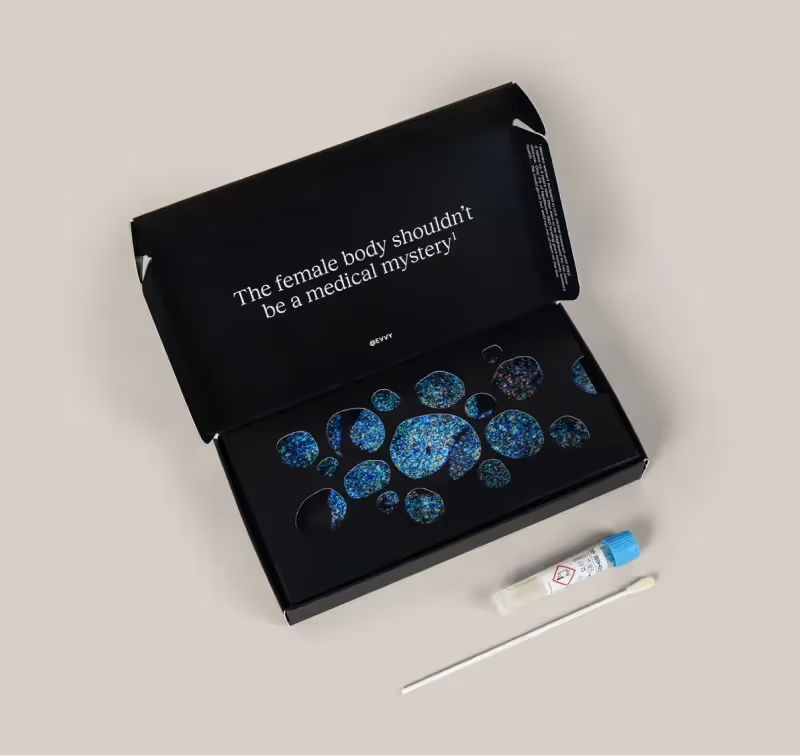
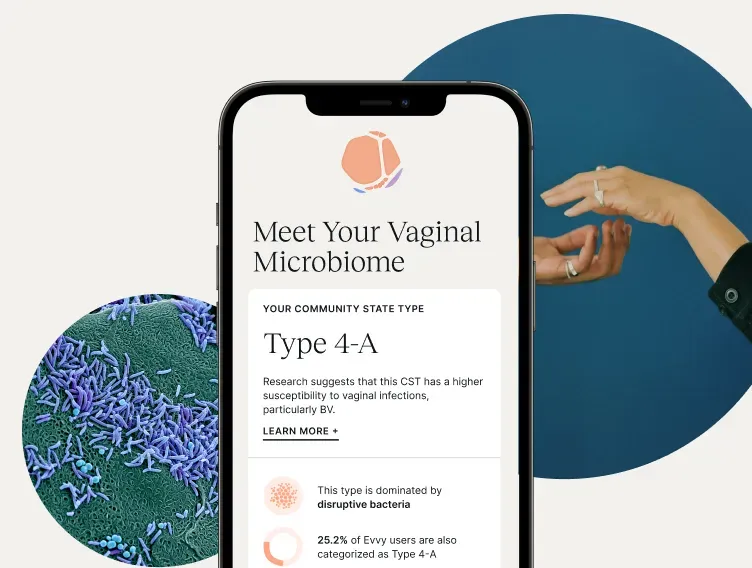
Recurrent symptoms? Get Evvy's at-home vaginal microbiome test, designed by leading OB-GYNs.
Not every IVF cycle leads to a baby, especially as age increases, and not every egg retrieval results in an embryo transfer, which is why the numbers can vary in those areas. Looking at the bigger picture helps us better understand overall success rates. For instance, a model based on national data from the U.S. estimated that a 35-year-old woman facing unexplained infertility has a 48%, 69%, and 80% chance of having a healthy baby after her first, second, and third egg retrievals. Another study found that for people under 35, there’s a cumulative success rate of 65%-86% after six cycles.
Where patients tend to stop IVF treatment can depend on various factors like age and diagnosis, and there isn't a registry that tracks every drop-off point. The Centers for Disease Control and Prevention (CDC) notes that national statistics may not accurately reflect any one person's chance of success, but their IVF Success Estimator can help provide a more personalized prediction.
Most failed transfers come down to issues with the embryo or the uterus. Embryo factors are mostly chromosomal, meaning the embryo has the wrong number of chromosomes and can't develop. On the uterine side, factors include the uterus's structure and whether the lining is prepared to welcome an embryo. Other factors that can play a role include the health of the vaginal and uterine microbiomes, sperm quality, and various health conditions, along with the specifics of the protocols and lab work used. More than one factor might be at play, and occasionally, there isn’t a clear answer at all. We still have a lot to learn about why implantation sometimes doesn’t happen, and it could involve the uterus, the sperm, the embryo, or a combination.
Aneuploidy — when an embryo has too many or too few chromosomes — is the leading cause of failed transfers, because embryos with the wrong chromosome count rarely implant.
Aneuploidy rates in eggs increase with age. One review indicates that it rises from about 25% in women under 35 to over 75% in those over 40. A study of 1,501 blastocysts found approximately 28% of embryos from women under 30 were aneuploid, compared to roughly 67% from women over 40.
Embryologists examine embryos using a microscope or time-lapse imaging to assess their physical structure. But how an embryo looks doesn’t tell you much about its chromosomal health. In fact, a study found that 31% of top-quality day-5 blastocysts could have chromosomal issues. Although genetic testing of embryos (PGT-A) can help identify this, it’s not something all IVF patients undergo routinely. Whether it improves live birth rates is debated. Studies haven’t consistently shown a benefit for the general IVF population, and results can be hard to interpret when embryos are mosaic. It may reduce miscarriage and the number of transfers needed for some people, such as older patients. If you're considering IVF, it may be worth asking whether this test could be beneficial for you.
Even a chromosomally healthy embryo needs a uterus that's ready for it. Several things can get in the way:
Your vaginal microbiome does a lot more than help protect you from infections. In a healthy microbiome, Lactobacillus bacteria take the lead and help keep the whole environment balanced. Researchers are now looking at whether that balance also matters for fertility. A growing body of early research is linking both the vaginal and uterine microbiomes to fertility outcomes, including implantation and IVF success.
Much of the research on dysbiosis and assisted reproductive technology (ART) success looks at the vaginal microbiome, since it's easy to sample. Dysbiosis here usually means a shift away from protective Lactobacillus bacteria, and the most familiar example is bacterial vaginosis (BV), the most common vaginal imbalance. Whether BV can cause infertility is still being worked out, but there seems to be a link. A meta-analysis of six cohort studies including 1,095 women found that an abnormal vaginal microbiome was linked to lower rates of early pregnancy development after IVF, making success about 1.4 times less likely. A later review of 17 studies found that vaginal dysbiosis didn't significantly change live birth rates, but it was tied to more early pregnancy loss.
The uterus has its own microbiome, separate from the one in the vagina, and it may also play a role in IVF success. It's harder to study because sampling it requires a biopsy, which is partly why there's less research so far. In a small study of IVF patients with a receptive endometrium, a non-Lactobacillus-dominant uterine microbiome was linked to lower implantation and pregnancy rates, but another study found no link between Lactobacillus dominance and pregnancy. The two microbiomes don't always mirror each other, either. In one study of people with repeated IVF implantation failure, Lactobacilli levels were lower in vaginal samples, but not in endometrial samples, so vaginal results can't always stand in for the uterus.
It’s worth pointing out that most of these studies use different testing methods and definitions of dysbiosis and can't show whether an imbalance disrupts implantation or simply signals another problem. Still, the association between dysbiosis and pregnancy outcomes keeps showing up, which is why this area is worth watching.
Chronic endometritis, a persistent low-level inflammation of the uterine lining, is part of this picture too, though reviews disagree on how much it matters and whether antibiotics help.
The burden of fertility is often placed on women, but male factors play as big a role. Male factors are involved in about half of infertile couples, and sperm health can impact IVF success, too.
A standard semen analysis checks sperm count, movement, and shape. But a normal result doesn't rule out problems. Sperm that look normal can still have chromosome errors or damaged DNA, and these issues may not show up until fertilization, embryo growth, or implantation.
Experts don't agree on when to test for DNA damage, which is called DNA fragmentation. Guidelines advise against testing at the start of a fertility workup but say it may help couples who've had repeated IVF failure. If you’ve had a few failed IVF cycles, it's reasonable to ask whether your partner's evaluation went beyond a basic semen analysis.
Sometimes other health conditions are part of the picture. A meta-analysis found that endometriosis was linked to a lower implantation rate, although live birth rates weren't significantly different overall. When you've had repeated failures, your doctor may also check your thyroid function and look at conditions like PMOS and diabetes.
Your protocol can make a difference, too. A rise in progesterone around the trigger shot has been linked to poorer outcomes after fresh transfers, and so has low progesterone on transfer day. That's why many fertility clinics adjust your progesterone or freeze all embryos and transfer later.
Finally, the lab matters. Embryo grading can vary from clinic to clinic, and lab and clinic performance affect your odds of implantation. It's completely fair to ask your clinic how its results compare.
Chromosomal issues are a leading cause of failed transfers. When embryos have the wrong number of chromosomes, it can be really tough for them to implant, and it’s interesting to note that about half of miscarriages are associated with these genetic abnormalities. While we don't have a perfect way to divide every failed transfer into embryo versus uterine causes, chromosomal factors seem quite significant.
Doctors may take a closer look at your uterus in a few situations:
Your age matters, too. Chromosome errors in embryos become more common as eggs age, so older patients are more often limited by embryo quality. If you're younger and your embryos are good quality, it makes sense to look more closely at the uterus and other factors. If your failed cycles are unusual for your age and embryo quality, it's worth investigating why. If not, trying another transfer may be the best next step.
After two or three failed transfers, the best next step isn't ordering every test available. The right tests depend on what happened in your cycles: whether embryos never implanted, fertilization failed, embryos stopped growing, or a pregnancy ended early. They also depend on your age, how many embryos you've had, and whether they were genetically tested. Your clinic may run a few different tests based on your specific circumstances:
Vaginal microbiome testing isn't part of routine fertility checkups yet, because researchers are still working out the best way to measure the microbiome and whether treating an imbalance improves IVF outcomes. But the research is growing. A meta-analysis found that an abnormal vaginal microbiome was linked to poorer IVF outcomes, and more studies keep pointing in the same direction. That makes it a factor worth knowing about, especially since it's rarely checked.
Because vaginal microbiome testing isn't part of most fertility workups, many people who want to know where they stand have to look outside the clinic. That's where an at-home test comes in. Evvy's Vaginal Microbiome Test with Fertility Insights uses a swab you collect yourself and reads more than 700 bacteria and fungi. Every test includes four fertility-related markers:
Your results are reviewed by a physician and come with a custom plan of next steps and a free 1:1 call with a health coach. If you're eligible, an Evvy-affiliated provider can also design a prescription treatment program, and you can retest afterward to see how your microbiome responded.
First and foremost, allow yourself the time to process. When you feel ready, consider scheduling a follow-up consultation. This isn’t about making all the decisions right away, but more so an opportunity to gather insights from your recent experience and understand what might come next. Here are some thoughtful questions to consider:
Deciding how long to wait before trying again is a very personal choice and can vary based on your health, budget, and your clinic's guidance. Physically, your next period usually starts within a week or two after your medications stop, though timing varies. However, many people find comfort in taking a longer break to process their emotions. Your doctor can help you find the right timing that feels comfortable for you.
IVF is both physically and emotionally taxing, especially if it doesn’t result in a successful pregnancy.
After stopping stimulation and progesterone medications, you may experience shifts in hormone levels that can lead to mood swings, fatigue, and bloating. It’s common for bleeding to follow, and it might feel heavier or more painful than your usual period. Take the time to rest, stay hydrated, and consider gentle movement to ease some discomfort. If you find that the bleeding is very heavy, you're experiencing severe pain, or if you develop a fever or feel faint, please don’t hesitate to reach out to your clinic for support.
The emotional recovery can often feel even more overwhelming. Research shows that after a failed cycle, women report lower self-esteem and more depression than before treatment, and unsuccessful treatment is associated with depression and anxiety. Partners often feel the weight of this loss, too.
If you find that your low mood or anxiety extends over several days and starts to interfere with daily life, or if you’re feeling hopeless, consider seeking support from a mental health professional. Counseling can be incredibly beneficial — one study even showed that group counseling helped reduce stress and improve depression after failed cycles. If you ever have thoughts of harming yourself, call or text 988 or go to the nearest emergency room.
It’s very common for IVF to fail. Most individual IVF cycles don't end in a live birth, especially as you get older. But your chances add up over several cycles, so needing more than one try is completely normal.
The main cause of IVF failure is chromosome errors in the embryo, which become more common as egg age rises. Uterine factors, like polyps, scar tissue, or a blocked fallopian tube, are the next big category. Sperm health, conditions like PMOS or endometriosis, and the lab and protocol can also play a part. Researchers are also studying whether the vaginal and uterine microbiomes matter.
It varies from person to person, because a cycle can stop at several points: before retrieval, before transfer, at implantation, or soon after as a chemical pregnancy or early miscarriage. Some cycles end before an embryo can be transferred, and after transfer, implantation is the main hurdle, largely because of chromosome errors.
The only reliable sign of a failed IVF cycle is a negative pregnancy test. Your clinic will usually confirm this with a blood test after your transfer. Symptoms like bleeding, spotting, and cramping aren’t always reliable on their own, because fertility medications can cause them whether or not an embryo implanted. If you're unsure, call your clinic and ask about a blood test rather than going by how you feel.
Physical recovery can take a few weeks, often until your next period, but everyone’s journey is a bit different. Emotional recovery has no set timeline, so take all the time you need. Remember, it’s completely normal to feel grief after IVF. Don’t hesitate to reach out to those you trust, and consider speaking with a counselor if you feel it would help.
For most people, it takes a few weeks for the medications to clear and your cycle to start up again, though timing varies. Mood swings, tiredness, and bloating usually ease as your hormones settle. If your periods stay irregular, bleeding is very heavy, or mood changes don't lift, check in with your clinic.
Start by booking a follow-up appointment with your fertility doctor. This is your chance to review what happened in your cycle and ask questions, such as how your eggs and embryos developed, whether your embryos were genetically tested, and what your uterine lining looked like. Once you have that picture, you and your doctor can decide what feels right: trying again, doing more testing, or changing your plan.
After two failed IVF cycles, your doctor may discuss a repeat check of your uterus and tubes, embryo genetic testing, chronic endometritis testing, hormone checks, and a full look at your partner's sperm health, since male factors are just as common a contributor. You could also ask about vaginal microbiome testing. It isn't part of routine workups yet, but it looks at a factor that's often missed. Protocol changes, donor options, and a second opinion are worth discussing, too.
Not automatically. Each cycle has its own odds, influenced mainly by your age and the quality of the embryos. What does improve, though, is your overall chance as you go through multiple cycles. If a cycle doesn’t work out, your doctor can gather helpful insights, such as how your embryos grew, which can lead to adjustments that might improve your chances next time.
Yes, and many people do. Your chances depend on factors like your age and embryo quality, and they tend to improve across multiple cycles.
Chronic stress can affect your menstrual cycle and reproductive hormones, but it hasn't been shown to affect IVF success. Some older studies found a small link between stress and lower pregnancy rates, while more recent analyses found no significant effect from stress or anxiety on IVF outcomes. Stress can still affect treatment indirectly, by disrupting sleep or making it harder to keep up with medications and appointments. But feeling anxious or worrying during the two-week wait doesn't mean you've harmed your embryo, and a failed transfer isn't a sign you weren't relaxed enough. IVF is stressful, and emotional support like counseling or a fertility support group is worthwhile for your well-being.