CONGRATS! YOU EARNED FREE SHIPPING.

Product Title
1
$0
$0
Subscription Title

Looking kind of empty in here.
We recommend:
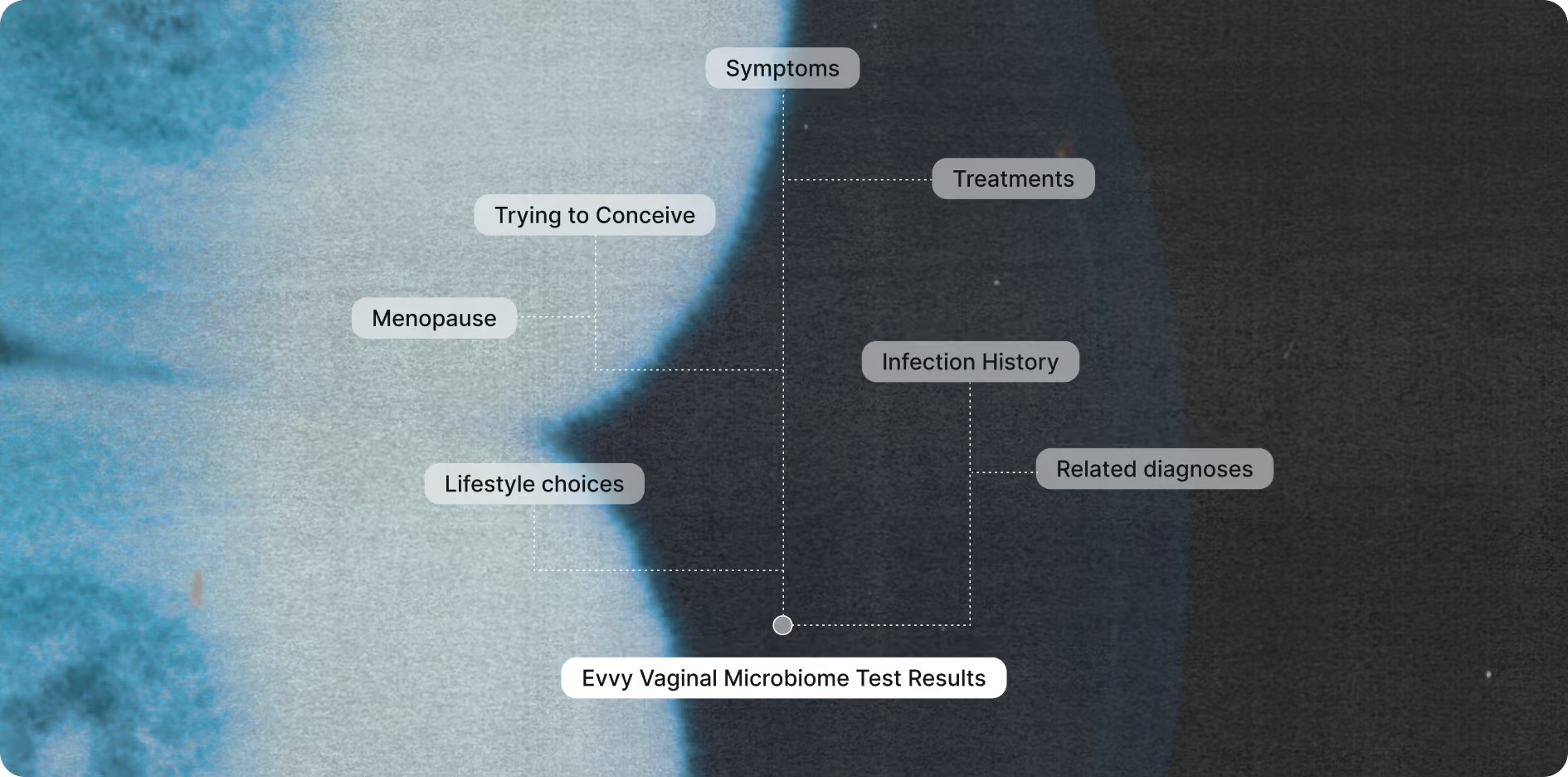
Get advanced insights into symptoms, fertility, and other health outcomes. Prelim results in 1-3 days.
Leveraging this novel data, Evvy is pioneering research that will transform women’s health outcomes.
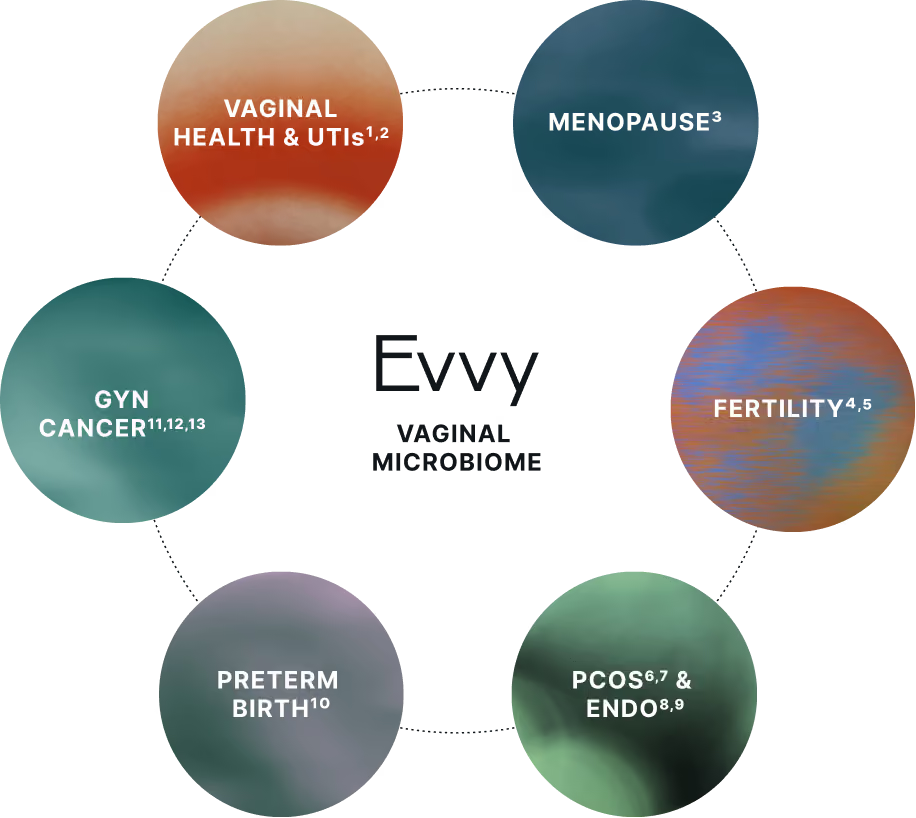
The vaginal microbiome is an overlooked key to women’s health.
Vaginal discomfort is a leading reason women seek healthcare advice. The vaginal microbiome also modulates inflammation of the reproductive tract, influencing outcomes across the female lifespan.
Evvy brings state of the art technology to the vaginal microbiome.
Leveraging metagenomic sequencing (with proprietary, vaginal-specific wetlab protocols and bioinformatics algorithms), Evvy accurately identifies all bacteria & fungi present in a sample.
Evvy’s test is a validated LDT with industry leading accuracy1, approved for clinical use in all 50 states (CLIA-certified, CLEP-approved).
The test is backed by peer reviewed research validating the novel test methodology.
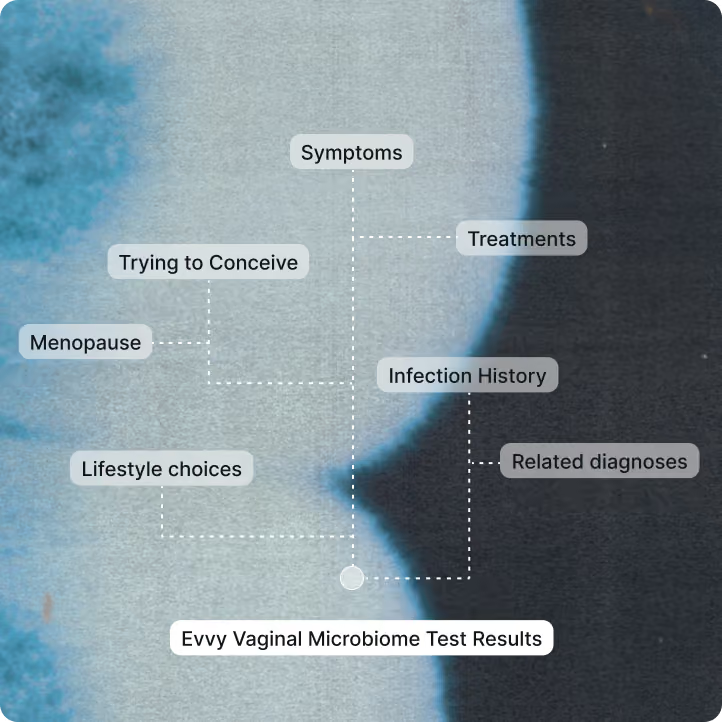
Results include novel insights & care plans for vaginal health, fertility, & menopause based on world’s largest vaginal microbiome dataset.
Trusted by 100k+ patients and 3k+ clinicians.
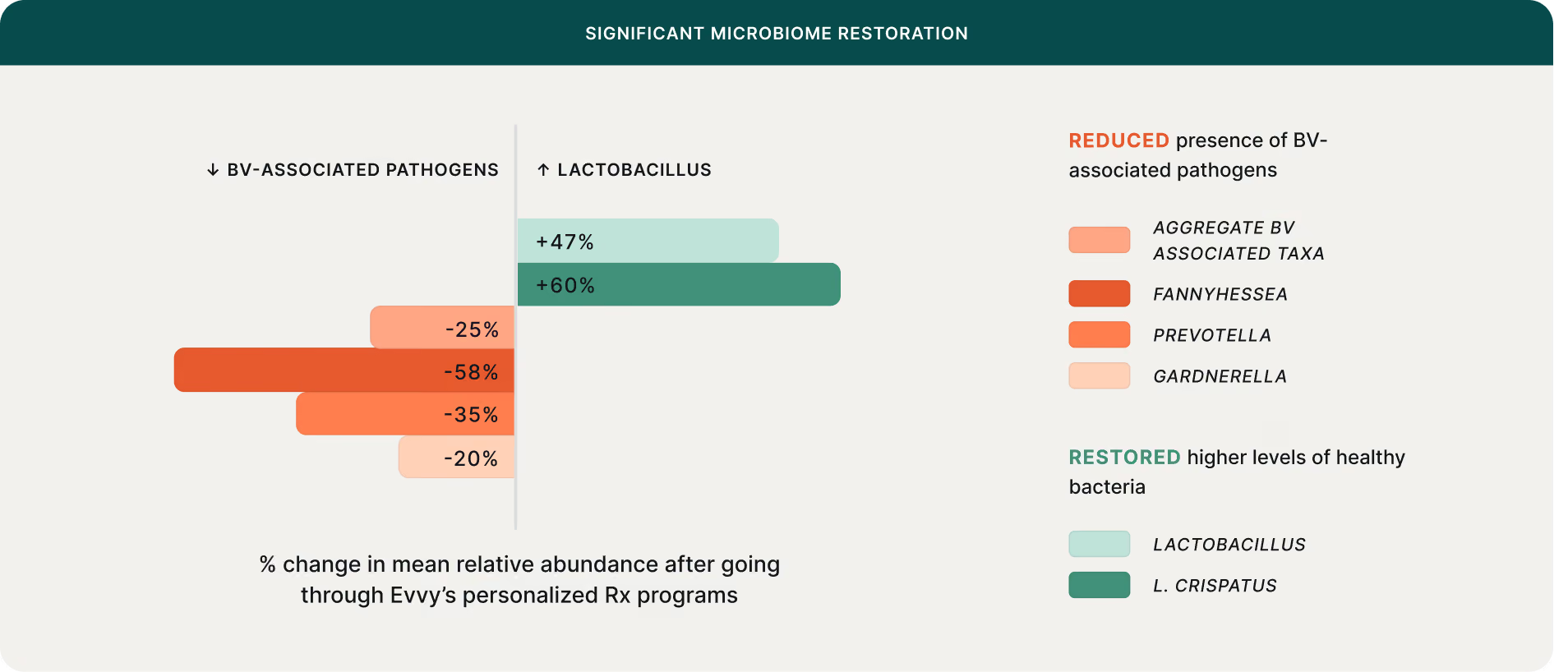
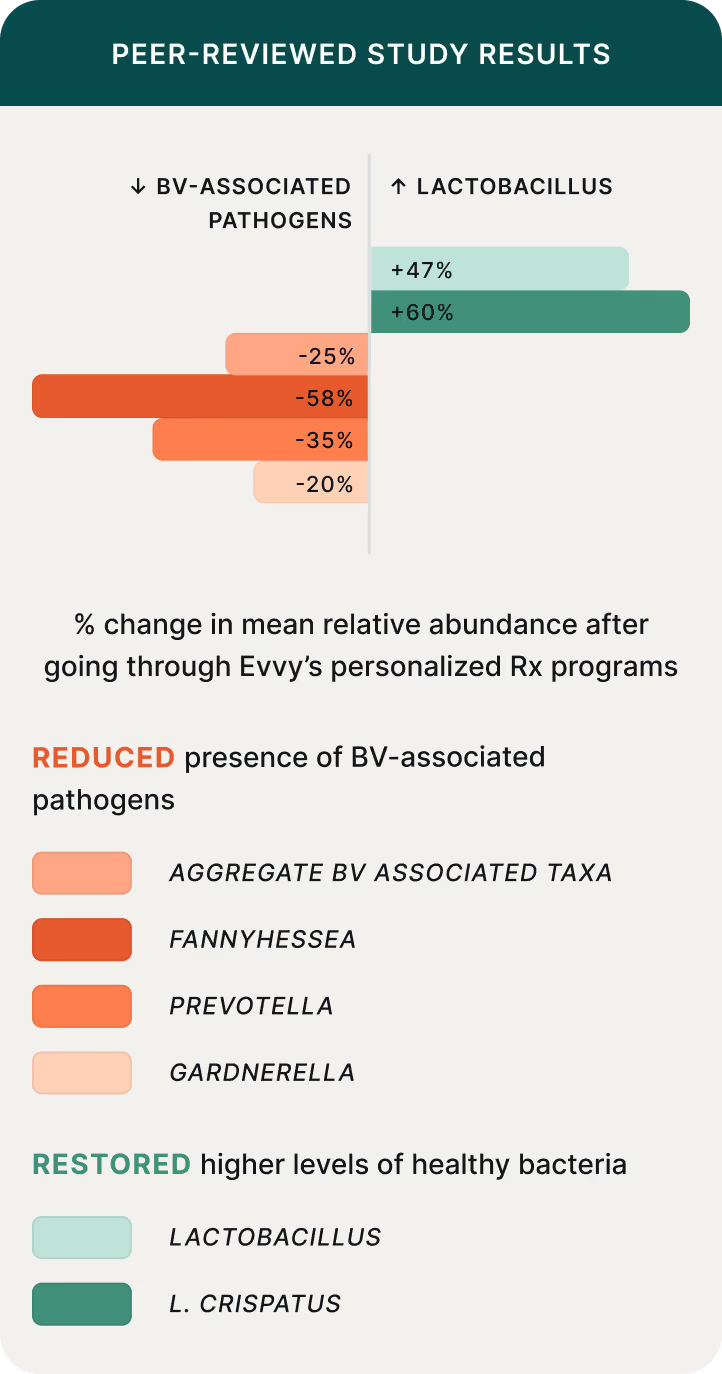
symptom resolution
reduction in BV recurrence rates compared to the standard of care
increase in protective bacteria
 ¹Thomas-White, K et al. (2025)









































The Evvy Vaginal Health Test is now the only vaginal microbiome test in the world to be both peer-reviewed and analytically validated by CLIA, CAP and CLEP. Published in Diagnostics.
Evvy's at-home Test & Rx Care platform is now shown in clinical research to significantly reduce symptoms and bacterial vaginosis (BV) recurrence across >1,000 patients. Published in Microorganisms.
This active study is the first-of-its-kind to use a validated, commercially available vaginal microbiome test to uncover potential microbial markers linked to IVF success. Designed with leading fertility doctors including Dr. David Sable, Dr. Peter Klatsky, & Dr. Eduardo Hariton.
Research from Evvy analyzing 15,000+ BV-diagnosed vaginal microbiomes reveals distinct microbial patterns, showing BV is a spectrum — not a single biological condition.
mNGS profiling reveals that BV subtypes differ in reported symptoms and recurrence. This may improve interpretation of clinical variability and provide framework for subtype-specific recurrence and treatment outcomes. Presented at IDSOG (2026).
Vaginal Odor Is Associated With Increased Abundance of Prevotella, Megasphaera, Porphyromonas, and Finegoldia
This study showed increasing abundance of certain species was linked to worsening odor severity, and identified the putrescine pathway in 14% of those with severe odor vs. 2% of asymptomatic individuals. It's the first study to show specific taxa associated with odor severity. Presented at IDSOG (2024).
Different Gardnerella species have different metabolism, which means that they will have different effects on the vaginal microbiome. Published in mSystems.
Elevated abundance of certain Gardnerella species was associated with nearly 2x higher odds of self-reported infertility among >1,000 asymptomatic testers. Presented at ACOG (2026).
The largest dataset of mNGS VMB profiles from nulliparous women with infertility found Gardnerella and Lactobacillus levels consistent with published fertility research, while providing additional insight into microbial speciation. Presented at ACOG (2025).
Among 260 patients trying to conceive for a year or more, 91% had Lactobacillus-dominant profiles, yet disruptive anaerobes like Gardnerella were still common — suggesting that subclinical dysbiosis may influence conception. Presented at ASRM (2025).
Computational models of BV-associated bacteria revealed they produce caffeate, a compound that can bind estrogen receptors, when grown in the spent media of other BV-associated bacteria. This finding underscores the complex, diverse nature of BV-associated bacterial communities. Published in Nature (2025).
Having one sexual partner and using condoms consistently were each linked to significantly lower odds of BV among >14,000 testers. Presented at IDSOG (2025).
Women Who Report Pain with Sex Have Varying Microbiome Profiles Based on Age
Menopausal women reporting pain with sex had more diverse, lower-Lactobacillus microbiomes than those without pain — a pattern not seen in reproductive-aged women. Presented at ISSWSH (2024).
Co-occurrence of Candida with BV-associated bacteria and Lactobacillus
This study showed consistent co-occurrence of BV-associated bacteria with C. albicans, independent of the presence or absence of symptoms. This study underscores the importance of comprehensive microbiome profiling in the context of vaginal infections. Presented at ISSVD (2024).
Gardnerella Species Variations Show Pathogenic and Metabolic Differences
Distinct genomics differences in pathogenicity and metabolism were found across the Gardnerella genus. This variation suggests certain species may be more pathogenic than others and may be associated with different treatment outcomes. Presented at IDSOG (2023).
Incidence and Symptom Profiling of Vaginitis Containing Aerobic and Anaerobic Pathogens
Vaginitis cases involving aerobic pathogens caused more severe symptoms than anaerobic-only cases, showing symptoms alone can't reliably indicate the cause. Presented at IDSOG (2023).
Psychosocial impact of recurrent urogenital infections: a review
This study showed consistent co-occurrence of BV-associated bacteria with C. albicans, independent of the presence or absence of symptoms. This study underscores the importance of comprehensive microbiome profiling in the context of vaginal infections. Published in Women's Health (2023).