CONGRATS! YOU EARNED FREE SHIPPING.

Product Title
1
$0
$0
Subscription Title

Looking kind of empty in here.
We recommend:
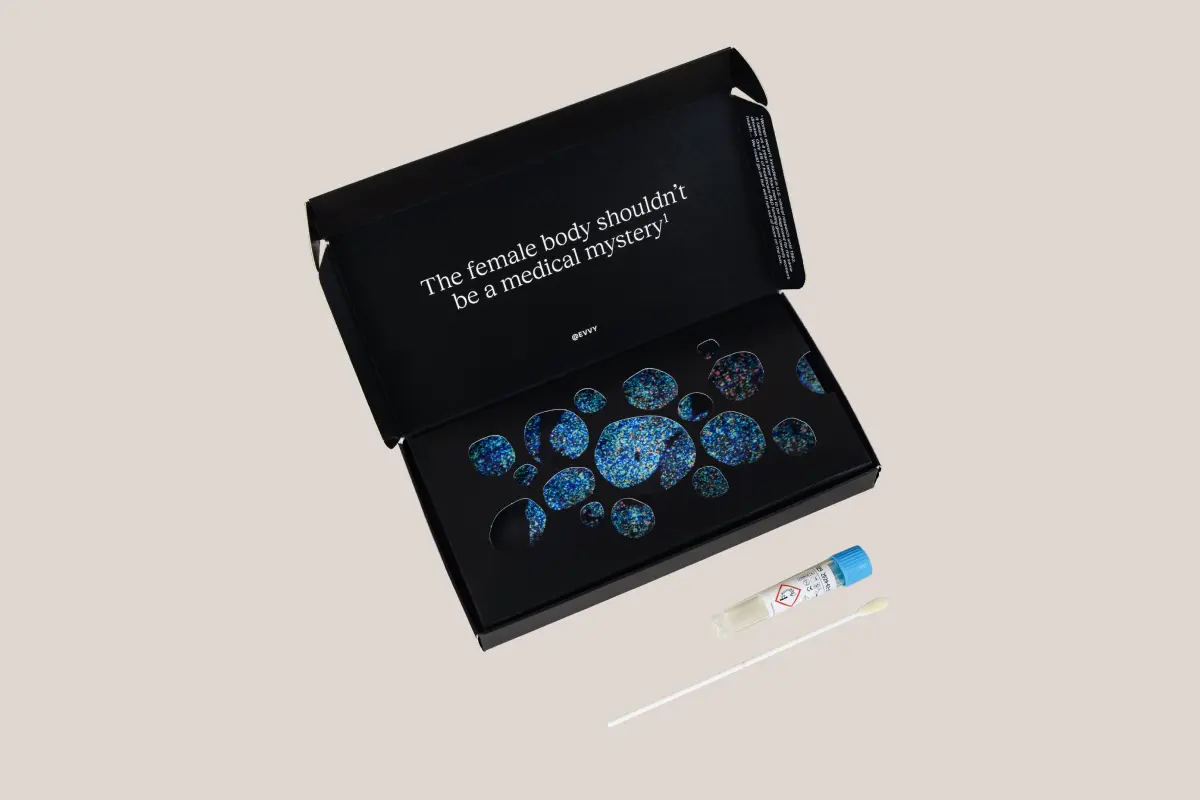
Get advanced insights into symptoms, fertility, and other health outcomes. Prelim results in 1-3 days.

IVF hormones may raise your risk of yeast infections — but they're treatable and rarely a reason to delay your cycle. Here's what to know and do.
Words by Olivia Cassano
Scientifically edited by Dr. Krystal Thomas-White, PhD
Medically reviewed by Dr. Kate Baron, MD
Yeast infections are common during in vitro fertilization (IVF), and the hormones you have to take may be the reason why. Rising estrogen and progesterone can both change the vaginal microbiome in ways that let Candida overgrow, so symptoms tend to show up at different stages of the IVF journey.
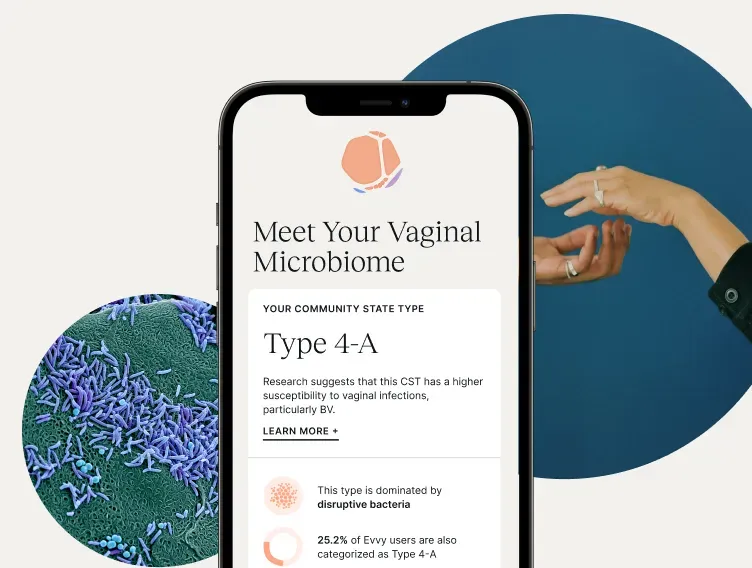
Luckily, getting a yeast infection isn’t known to affect your chances of conceiving via IVF, and it’s pretty easy to treat even mid-cycle. Below, we explain why yeast infections happen during IVF, how to tell symptoms apart from normal medication side effects, how to get tested, and what treatment looks like. If you want a clearer read on what's going on in your vaginal microbiome at any point in the IVF process, Evvy's Vaginal Microbiome Test gives you a detailed picture of your vaginal flora, including your Candida levels.
IVF protocols push your hormone levels well outside their normal range, and both estrogen and progesterone affect how welcoming your vaginal environment is to Candida. Estrogen increases glycogen (sugar) in the vaginal lining and may make it easier for yeast to attach and grow — which is also why yeast infections are more common in pregnancy, in the luteal phase, and with high-dose estrogen exposure (the evidence for modern low-dose combined hormonal contraception is mixed).
Vaginal progesterone, whether in the form of suppositories or gel, can create some changes in the vaginal microbiome, which may lead to irritation, unusual discharge, or even yeast overgrowth. In a typical IVF cycle, patients often experience both a high-estrogen stimulation phase and a progesterone-rich luteal phase. This means they may face two different sources of potential discomfort, spaced just a few weeks apart. Antibiotics, including any given around retrieval or for another infection, are also a well-established risk factor for yeast infections, as is poorly controlled blood sugar.
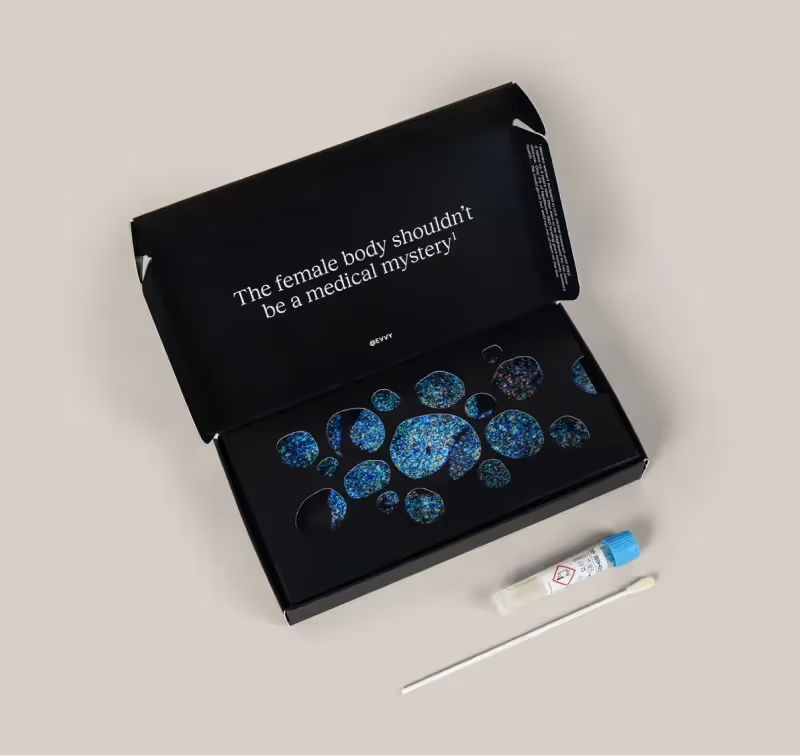
Recurrent symptoms? Get Evvy's at-home vaginal microbiome test, designed by leading OB-GYNs.
During ovarian stimulation, gonadotropin injections push estradiol well above natural cycle levels to grow multiple follicles at once, and that estrogen surge is thought to contribute to a higher yeast risk during this phase.
Discharge usually increases first: thin, milky, and odorless. If it stays that way, it's just estrogen doing what estrogen does. The shift to watch for is texture changing to thick or clumpy, or itching and burning setting in — those can be symptoms of a yeast infection. Since discharge naturally increases through stims anyway, tracking texture and itching is a far more useful sign than tracking the volume alone.
After egg retrieval, some irritation is expected. The procedure itself, plus the vaginal ultrasounds and needle access involved, can leave the area tender or mildly inflamed for a day or two. True yeast infection symptoms, like persistent itching, a burning sensation when you pee, or thick, clumpy discharge, usually take a few days to show up, rather than appearing right after the procedure. If your discomfort is limited to the retrieval site and goes away quickly, it’s likely just procedural irritation. However, if you notice any classic yeast infection symptoms that don’t improve, it’s definitely a good idea to get checked out.
This is when yeast infections are most often reported during an IVF cycle. Vaginal progesterone products like Endometrin, Crinone, and Cyclogest can cause side effects such as vaginal yeast infections, itching, and burning. Sometimes, what patients notice is just leftover product rather than an infection, but true yeast infections can also happen because progesterone changes the vaginal environment daily, often for weeks. If you start having symptoms soon after using vaginal progesterone and they last longer than expected, check in with your fertility care team.
Symptoms alone aren't a reliable way to diagnose a yeast infection during IVF, because vaginal irritation and hormone-driven discharge can all look similar on the surface.
Your clinic can run a vaginal swab and culture at an in-person visit, which is the standard way to confirm Candida overgrowth and rule out other causes like bacterial vaginosis (BV) or sexually transmitted infections (STIs). If you’re experiencing symptoms and don’t have a check-up scheduled anytime soon, at-home testing with Evvy's Vaginal Microbiome Test is the next best step. Evvy’s test uses metagenomic sequencing (rather than a simple culture or PCR panel) to identify over 700 organisms present in your vaginal microbiota, which is useful when your symptoms don't clearly point to a single cause. Whichever route you take, testing before treating means you're not using an antifungal for something that turns out to be bacterial, or vice versa, which matters more during a cycle than it would otherwise.
Direct evidence linking Candida specifically to IVF pregnancy outcomes is pretty limited, and what exists doesn't point to a strong effect. A 2026 study examining pre-IVF vaginal cultures from 475 women found Candida albicans was the single most common organism identified — yet clinical pregnancy rates were statistically similar between women with positive and negative vaginal cultures. That doesn't mean yeast is irrelevant, but it does mean a confirmed, treated yeast infection is not generally treated as a reason to cancel or delay a cycle.
If symptoms show up close to transfer, clinics generally confirm what's actually present, treat it if needed, and proceed once symptoms are under control unless there's a specific clinical reason to wait. The decision to treat, delay, or proceed as planned sits with your fertility team, since they're weighing your specific protocol, timing, and medication history. Flagging symptoms as soon as they appear gives them the most room to manage it without disrupting your transfer date.
When it comes to understanding the vaginal microbiome, the research shows that the bigger picture matters more than just focusing on yeast alone. One systematic review found that having an imbalance in vaginal bacteria was linked to less favorable reproductive outcomes for IVF patients; other research suggests that a microbiome dominated by Lactobacillus is associated with better clinical pregnancy rates after frozen embryo transfers. Most of the research centers around bacterial vaginosis and overall microbial balance rather than just Candida growth. So, while it’s definitely important to pay attention to your vaginal microbiome as a whole, treating a yeast infection shouldn’t be seen as a major concern for transfer success on its own.
If you have a confirmed yeast infection, treatment involves either over-the-counter or prescription antifungals. If you’re trying to conceive or are in the early stages of pregnancy, it's best to avoid oral fluconazole unless your healthcare provider gives you the green light. Topical antifungals are usually preferred over oral fluconazole during IVF, especially after transfer, since you may be pregnant. The most important thing is to touch base with your clinic before starting any treatment on your own. They’ll want to know what medications you plan to use and when, especially since certain timings around vaginal progesterone and upcoming procedures can be really important. If symptoms don’t clear or keep coming back, ask about a culture that identifies the Candida species, since some species respond poorly to standard antifungals. Avoid boric acid suppositories if you could be pregnant.
Timing is the main consideration here. Vaginal antifungals are applied in the same location as vaginal progesterone, so your clinic will usually want to sequence the two rather than have you use them interchangeably without guidance. Self-treating close to a transfer (even with a product you've used before) isn't a good idea without checking in first, since your clinic may want to confirm the diagnosis, adjust timing, or rule out an interaction with your specific protocol.
While you can't eliminate the hormonal changes that increase your risk of yeast infections, a few habits may reduce how likely symptoms are to develop:
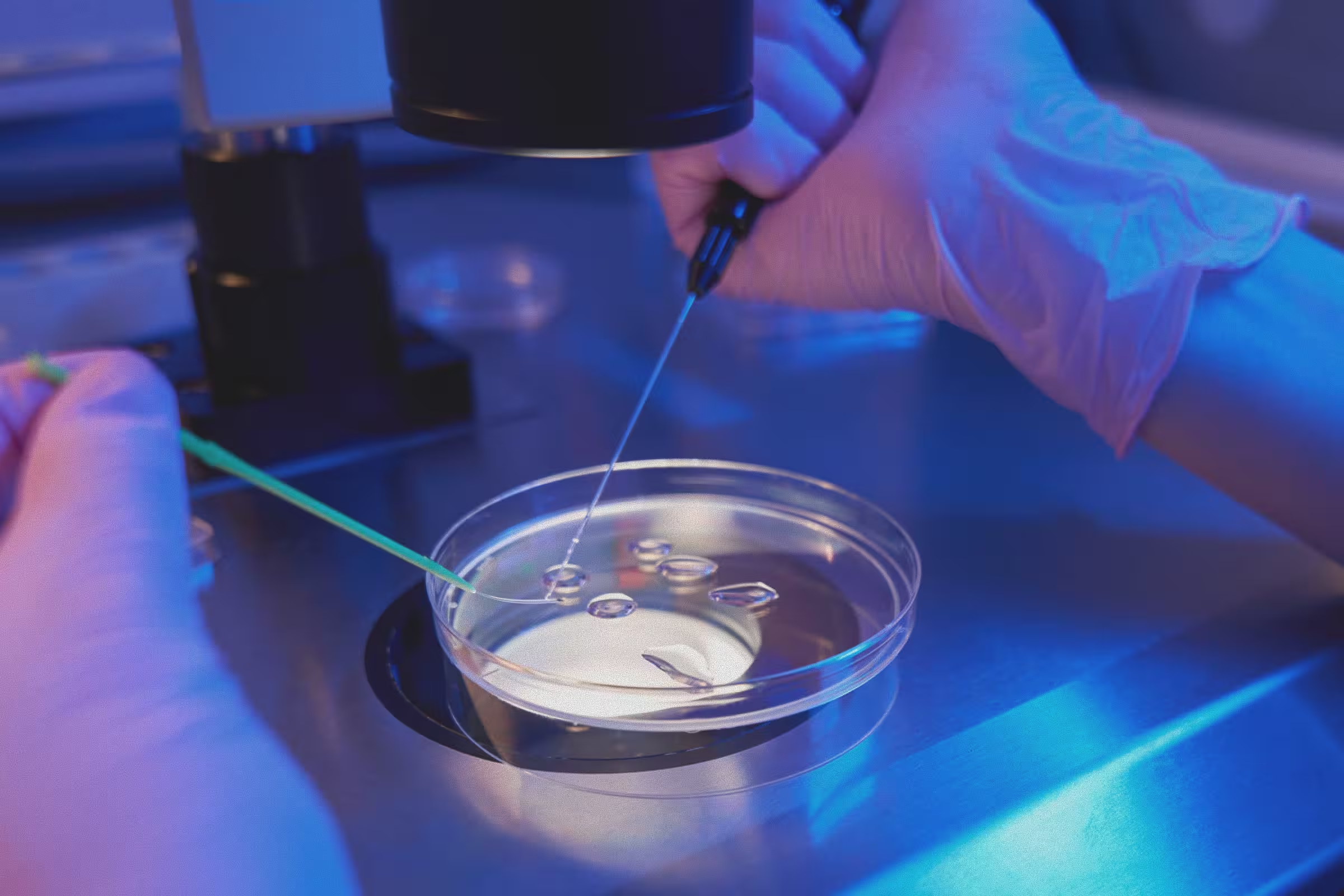
No. A yeast infection affects the vaginal environment, but it can't reach or affect the embryo, which develops in the lab in a controlled incubator, completely separate from what's happening in your body at the time. Whatever's going on with your vaginal microbiome during ovulation stimulation or the luteal phase has no bearing on fertilization or the embryo's early cell division. The only point where the two ever intersect is at transfer itself, and even then it's about comfort and inflammation, not the embryo's development.
There's no strong evidence that an isolated, treated yeast infection affects implantation. The research linking microbiome issues to implantation problems mostly focuses on bacterial vaginosis and overall dysbiosis, not Candida specifically.
Yes, but it depends on your fertility doctor’s decision. Many clinics will still go ahead with embryo transfer, especially if it's a mild yeast infection or you've already started antifungal medications. An isolated yeast infection doesn't damage the uterus or embryo, so a same-day transfer isn't automatically off the table the way it might be with an active pelvic or sexually transmitted infection. Intense itching, pain, or heavy discharge can make the procedure itself more uncomfortable and increase local inflammation, which is why some clinics prefer to treat for a few days first and delay slightly rather than push ahead. If it's your first episode or symptoms are more than mild, expect your clinic to lean toward treating and settling things down before transfer. Either way, the goal is to reduce discomfort and inflammation around the procedure, not to avoid a direct risk to the embryo.
Not directly. A yeast infection stays local to the vagina and vulva, and it doesn't damage your uterus, tubes, or ovaries, nor will it affect fertility. Where it can get in the way is more practical than physiological. Vaginal itching, burning, and irritation can make intercourse uncomfortable enough to affect timing if you're also trying to conceive naturally alongside IVF, and untreated, recurrent infections are just an added stressor during a cycle where you're already managing a lot. Treating a yeast infection promptly clears that obstacle without leaving any lasting effect on fertility itself.
It can happen, particularly once you’re a few days past the procedure and progesterone support has started. If you're only experiencing site-specific tenderness right after retrieval, that's more likely a normal procedural response.
Look for symptoms beyond expected post-procedure tenderness. Persistent itching, burning, and unusual vaginal discharge can all be symptoms of a vaginal infection. Anything beyond mild, short-lived discomfort at the retrieval site is worth mentioning to your clinic. Call right away for fever, severe or worsening pelvic pain, foul-smelling discharge, heavy bleeding, or feeling very unwell, since these can signal a more serious infection or complication.
Yes. The estrogen-based medications taken during the ovarian stimulation phase of IVF can increase the amount of vaginal discharge you produce. This is a normal side effect. Let your clinic know if it changes color or smell, becomes thick or clumpy, or comes with itching, burning, or pain.
Treat it with an antifungal, typically a topical azole like clotrimazole or miconazole. Check with your fertility clinic before starting anything, even an over-the-counter option — they'll want to confirm the diagnosis first and make sure the timing works around your other medications, especially vaginal progesterone.
Yes. A yeast infection will affect your vaginal health, but it doesn't interfere with ovulation or your hormonal cycle.