CONGRATS! YOU EARNED FREE SHIPPING.

Product Title
1
$0
$0
Subscription Title

Looking kind of empty in here.
We recommend:
Get advanced insights into symptoms, fertility, and other health outcomes. Prelim results in 1-3 days.
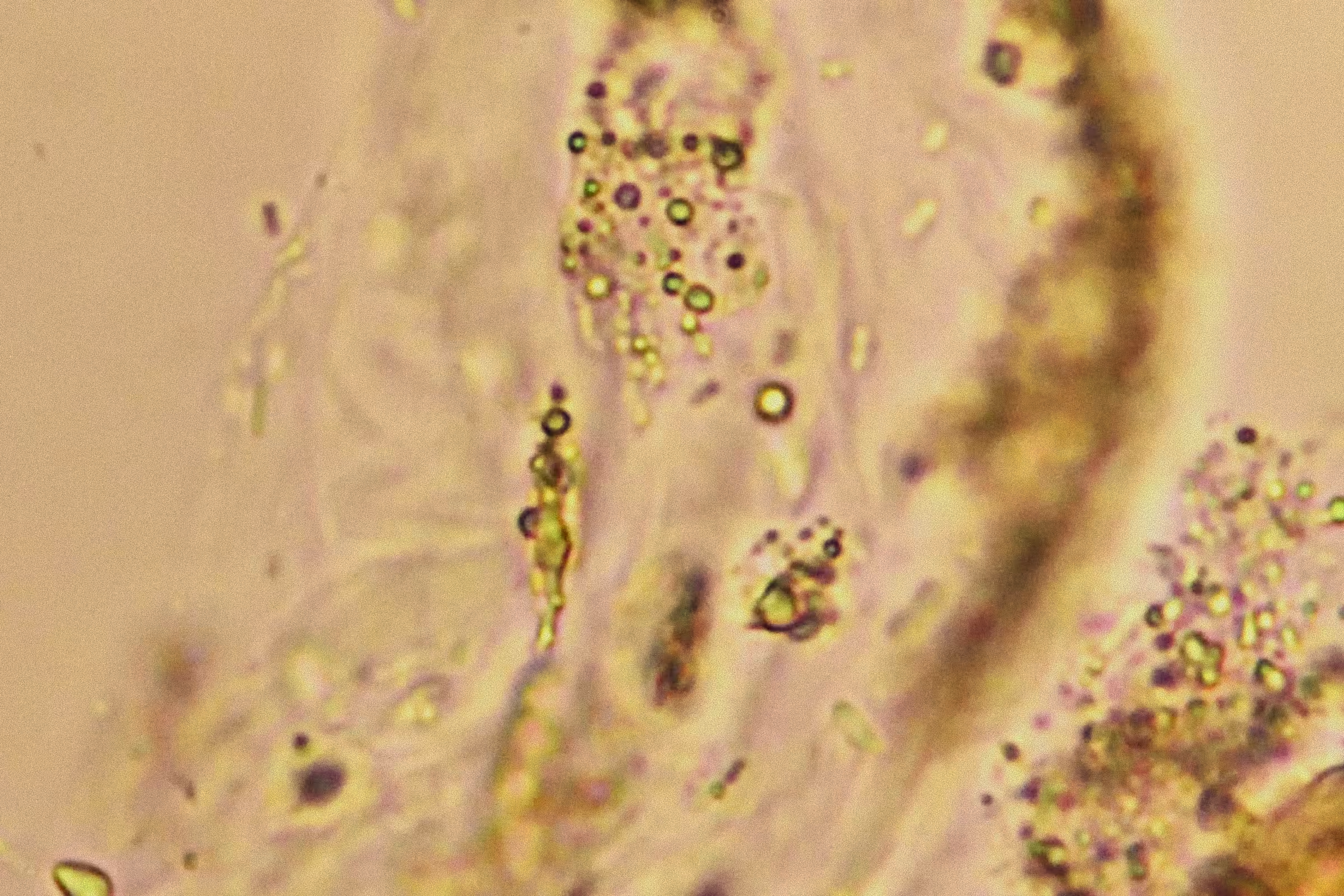
Urinary symptoms during IVF aren't always a sign of a UTI. Here's how to tell the difference, how it's tested, and what it means for your cycle.
Words by Olivia Cassano
Scientifically edited by Dr. Krystal Thomas-White, PhD
Medically reviewed by Dr. Kate Baron, MD
Urinary symptoms are common during an in vitro fertilization (IVF) cycle, and most of the time, they don't mean you have a urinary tract infection (UTI). Bloating, a full bladder, hormone shifts, and pelvic procedures can all mimic the burning, urgency, or frequency that usually points to a UTI.
This guide explains why urinary symptoms show up at each stage of a cycle, how a real UTI differs from the side effects you may experience during the IVF process, how testing works, and what a UTI does (and doesn't) mean for a transfer. If you want to rule an infection in or out, Evvy's UTI+ Test or the UTI + Vaginal Health test bundle can help you get an answer without waiting on a clinic appointment.
Though they're not exactly common, UTIs can happen during IVF, mostly thanks to the hormonal shifts involved — but IVF itself isn't a recognized trigger for UTIs the way sex or pregnancy are. So if you're feeling something “off” mid-cycle, a real infection usually isn't the first explanation. What you're more likely dealing with is a non-infectious urinary symptom that mimics a UTI without actually being one.
Each stage of the cycle brings its own version of this. During ovarian stimulation, your ovaries grow considerably as follicles develop, and that enlargement can bring them a little closer to the bladder, which can cause a frequent or urgent need to pee. Add in bloating from the medication, and mild frequency or a heavy, pressured feeling low in the pelvis is usually just your ovaries doing what they're supposed to, not a sign of infection.
After egg retrieval, any mild urinary discomfort in the day or two afterward is more likely due to general irritation from the procedure itself, since the retrieval needle passes close to the bladder area. And around transfer, holding a full bladder (which helps position the uterus for the procedure) can cause its own pressure, urgency, and discomfort that feels like — but has nothing to do with — infection. In the days that follow, mild urinary frequency can also overlap with early pregnancy symptoms if implantation has occurred, and the progesterone supplements commonly used after transfer can cause similar symptoms whether or not implantation has occurred.
Across all of these stages, there are a few things to keep an eye on that definitely need a heads-up to your clinic. If you're dealing with pelvic pain or a burning feeling when you pee, have cloudy or weird-smelling urine, are running a fever, or if your discomfort is getting worse instead of better, those are red flags. Also, if your symptoms stick around for 3 days or more, mention it. Frequent and painful trips to the bathroom, especially if you really need to go but not much comes out, usually point to a UTI rather than just irritation from your cycle.
Recurrent symptoms? Get Evvy's at-home vaginal microbiome test, designed by leading OB-GYNs.
UTIs, ovarian hyperstimulation syndrome (OHSS), and bladder pressure overlap enough during IVF that it's worth having a clear way to separate them. OHSS happens when your ovaries respond too strongly to stimulation medication, becoming swollen and releasing fluid into your abdomen — it's a known risk of the stimulation process itself, not an infection.
The simplest way to tell it apart from a UTI is that a UTI causes frequent, painful, urgent urination, while severe OHSS causes the opposite (a noticeable drop in how much you can pee).
Call your clinic immediately if you notice a sharp drop in how often you're going to the bathroom, rapid weight gain, severe abdominal pain, or difficulty breathing. These point to severe OHSS and need prompt medical attention.
Yes, sometimes early pregnancy can mimic the feeling of a UTI. Implantation raises progesterone and increases blood flow to the pelvis, which can cause more frequent urination and mild cramping that feels similar to the early stages of a UTI. Both can show up around the same point in a cycle, roughly a week or so after transfer.
The difference comes down to pain and progression. Implantation-related symptoms tend to be mild (often unnoticeable), don't come with burning or a strong urge to go, and don't worsen day to day. A UTI usually causes pain or burning when you pee, symptoms that build rather than settle, and sometimes cloudy urine or a fever. If you're unsure which you're dealing with, a urine test is the only way to know for certain rather than guessing based on timing alone.
A UTI is diagnosed with a urine dipstick or a urine culture, not by symptoms alone. A dipstick test checks for markers like nitrites and white blood cells that suggest infection, while a culture identifies the specific bacteria present and confirms the diagnosis. Your fertility specialist or healthcare provider can arrange either during a cycle if you're having symptoms, or you can check at home with Evvy's UTI+ Test, which identifies the bacteria behind an active infection.
An uncomplicated UTI isn't thought to directly block implantation. Reviews generally agree that the bacteria behind a typical UTI stay in the urinary tract and don't physically reach the endometrium, so there's no direct mechanical pathway for them to disrupt where the embryo implants.
That said, untreated UTIs can trigger systemic inflammation, and if it's allowed to progress, it could lead to poorer outcomes. Your fertility team is best equipped to help you decide when to treat, based on your individual situation, medication plan, and where you are in your cycle.
UTIs are treated with antibiotics, whether or not you’re going through IVF. Don't hope symptoms will clear up on their own, and don't skip treatment out of worry that it'll interfere with your cycle. Left untreated, a UTI can get worse and even spread to your kidneys, which is a bigger problem than the UTI itself.
If you’re undergoing fertility treatments, check with your fertility clinic before taking antibiotics. Some drugs interact with fertility medications or need to be timed carefully around retrieval or transfer, so your clinic needs to sign off first, even if the prescription came from a GP or urgent care.
Most standard UTI antibiotics are considered compatible with IVF protocols, but the specific drug, dose, and timing matter, which is why your fertility team needs to sign off before you start one.
Antibiotics can also disrupt the vaginal microbiome while clearing the infection they target, since they don't distinguish between harmful bacteria and the protective ones that normally keep things balanced. This is a real trade-off, not a reason to avoid treatment, but it's worth being aware of if you notice changes in discharge or comfort afterward, or if you're prone to recurrent vaginal infections.
A few habits can reduce the chances of a UTI without adding much to an already busy treatment schedule. None of these guarantee prevention, and getting a UTI during IVF isn't a sign you did something wrong.
IVF itself isn't a recognized UTI trigger the way sexual activity, dehydration, or pregnancy are. UTIs during IVF aren’t impossible, but what you're more likely feeling are non-infectious urinary symptoms. Pressure from enlarged ovaries during stimulation, a full bladder before transfer, and some temporary post-procedure tenderness can all feel a lot like a UTI without any infection involved.
Not directly, based on what we know. A simple UTI stays in the bladder and urethra, so it doesn't physically reach the endometrium. It’s still worth treating for your own health and comfort, just not because it's expected to change your outcome.
Usually not. A UTI on its own doesn't typically delay or cancel a transfer unless your clinic sees signs of something more serious (like a possible kidney infection, which sometimes requires hospitalization). What matters more is getting it diagnosed and treated promptly, with your clinic in the loop on timing and medication.
Mild urinary discomfort after transfer is common, mostly because you need a full bladder beforehand — but that's not the same thing as a UTI. An actual infection is less common than the general discomfort, and it shows up with burning, urgency, and cloudy urine rather than just mild pressure.
Yes, it can. Early pregnancy raises progesterone and can bring on more frequent urination and mild cramping, which overlaps with early UTI symptoms. The giveaway is usually intensity. Implantation symptoms tend to stay mild and don't come with pain or burning, while a UTI tends to get worse without treatment.
Implantation itself won't give you a UTI, but the hormonal shifts of early pregnancy can mimic one, especially the increased urge to pee. A urine test is really the only way to know for sure what's going on.
Most UTI antibiotics won’t interact with IVF, but timing and drug choice matter, so don't start anything without your clinic's go-ahead first.
No, there’s no evidence that a UTI will affect your fertility. Left untreated, recurrent, or severe, it's a different story can spread further and cause inflammation, but even then there’s no direct link between UTIs and fertility. The priority is treating it promptly, not worrying about long-term fertility fallout from one infection.
Yes. Sex is one of the most common triggers for UTIs, since intercourse can push bacteria toward the urethra. Add in hormonal shifts and changes to your vaginal pH or flora, and it's easy to see why UTIs tend to cluster during this stage. If they keep coming back, ask your doctor about post-coital prophylaxis — a single low-dose antibiotic taken after sex, which is a well-established way to cut down on recurrences. It's also worth checking your vaginal microbiome for imbalances linked to recurrent UTIs.