CONGRATS! YOU EARNED FREE SHIPPING.

Product Title
1
$0
$0
Subscription Title

Looking kind of empty in here.
We recommend:
Get advanced insights into symptoms, fertility, and other health outcomes. Prelim results in 1-3 days.
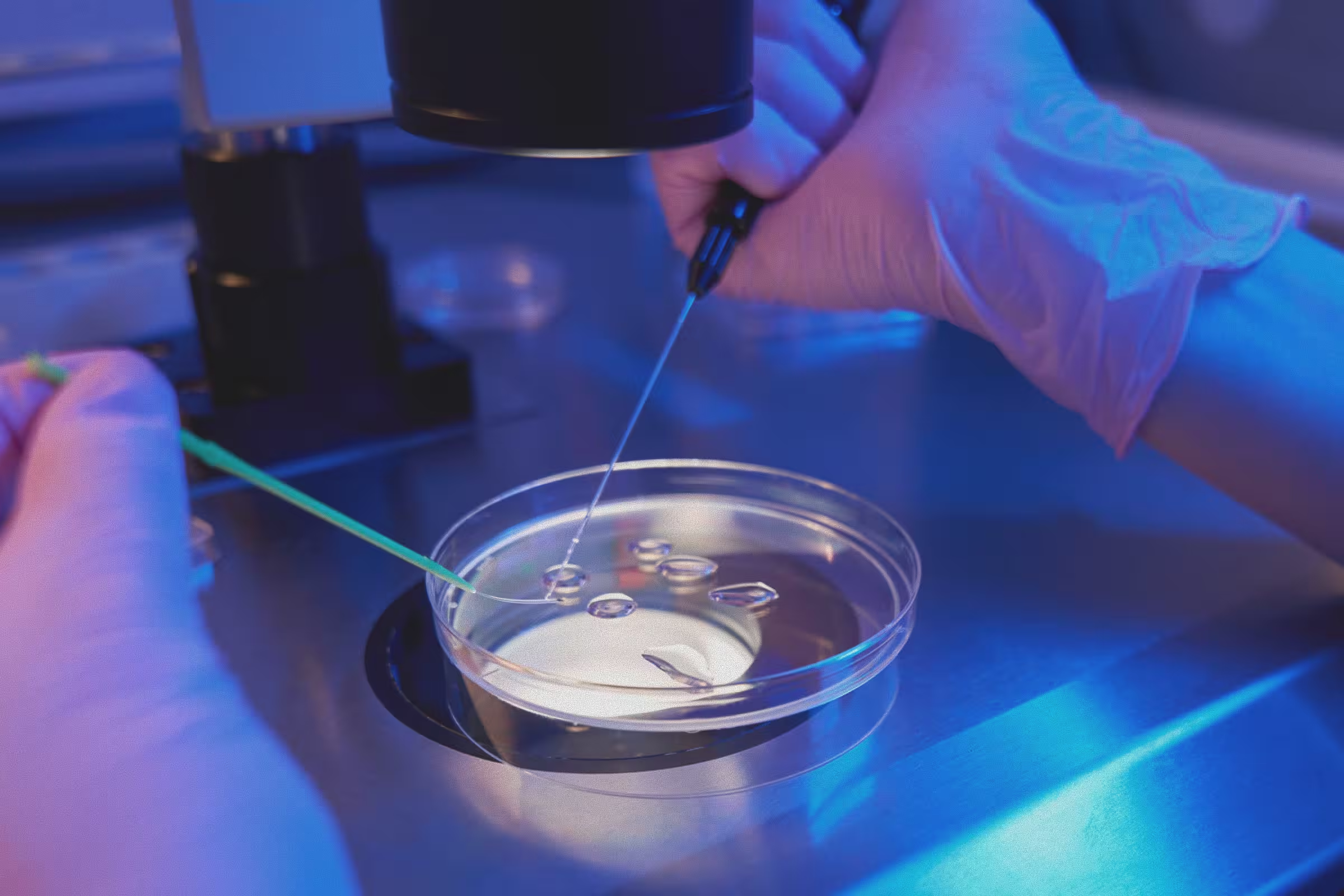
A full IVF cycle takes 4-6 weeks, plus about a month of testing beforehand. Here's what happens at each stage, how long it takes, and what it feels like.
Words by Olivia Cassano
Scientifically edited by Dr. Krystal Thomas-White, PhD
Medically reviewed by Dr. Kate Baron, MD
A full in vitro fertilization (IVF) cycle typically runs about 4-6 weeks from the start of priming or stimulation to embryo transfer, plus roughly a month of testing before that even begins. If you're just starting to look into IVF, that's usually the first question: how long is this actually going to take, and what’s going to happen? It really depends on which stage you're counting from, and IVF has more distinct stages than most people expect going in — which is a big part of why the whole thing can feel so overwhelming from the outside.
Between the injections, the bloodwork, the monitoring appointments, and the acronyms nobody explains upfront, it's a lot to hold in your head at once, especially while you're still trying to get through a normal week at work.
This guide walks through all of them, from the initial bloodwork to the two-week wait, with realistic timelines for each. It also covers what each stage actually feels like physically and emotionally, and what factors — beyond age — can shape how a cycle turns out, including uterine receptivity and the vaginal microbiome. If you want a clearer picture of where you're starting from before your first appointment, Evvy's Vaginal Microbiome Test with Fertility Insights can flag microbiome-related factors worth bringing to your provider early.
In vitro fertilization literally means fertilizing an egg outside the body ("in vitro" is Latin for "in glass") and then placing the resulting embryo into the uterus. It's the most effective form of assisted reproductive technology (ART), and it's designed to work around problems that stop pregnancy from happening on its own, such as blocked fallopian tubes, low sperm count, ovulation disorders, unexplained infertility, or age-related changes in egg quality.
A single IVF cycle has several distinct phases:
About two weeks after transfer, a blood hCG test shows whether the cycle resulted in a pregnancy. Each phase has its own timeline, appointments, and physical demands, which is why the IVF process doesn’t have an exact timeline for everyone.
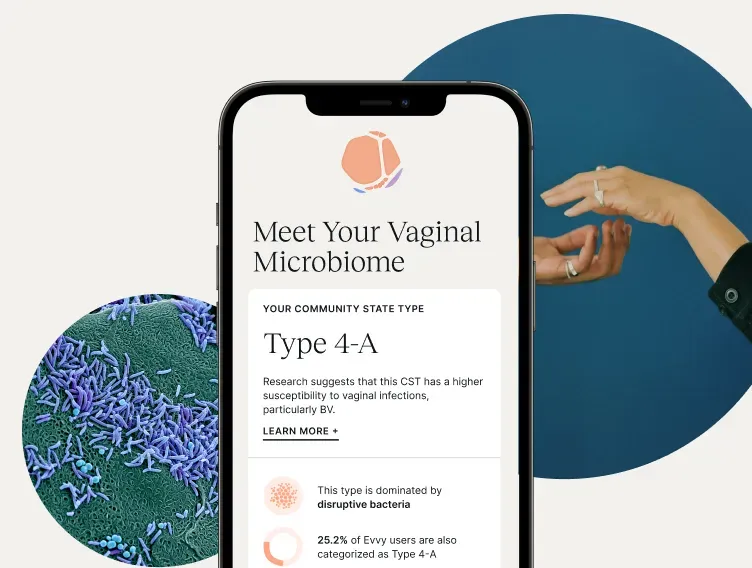
Recurrent symptoms? Get Evvy's at-home vaginal microbiome test, designed by leading OB-GYNs.
From the day you start stimulation injections to the day of the embryo transfer, an IVF cycle typically takes about 3-4 weeks, or 4-6 weeks if you include the priming phase. But that's only the active cycle. Most clinics also require a round of testing and bloodwork beforehand, which adds about another month, and if you're doing a frozen embryo transfer rather than a fresh one, you'll wait longer between retrieval and transfer while genetic testing results come back or your body prepares in a later cycle.
Add it up, and you're looking at roughly 2-3 months from your first consultation to a pregnancy test. It can take longer if you need more than one egg retrieval or you're doing a frozen transfer.
Every clinic runs things slightly differently, but the core sequence is the same everywhere. Here's what actually happens at each stage, from the first bloodwork to the pregnancy test.
Before anything else, your clinic needs a clear picture of your fertility. That means bloodwork to check hormone levels like follicle-stimulating hormone (FSH), luteinizing hormone (LH), estradiol, and anti-Müllerian hormone (AMH).
You'll usually get a transvaginal ultrasound to count antral follicles and check your uterus for fibroids or polyps that could affect implantation. If you have a male partner or are using partner sperm, a semen analysis checks count, motility, and shape. Some clinics also run a hysterosalpingogram (HSG), an X-ray that checks for blockages in the fallopian tubes. This stage can take a few weeks, depending on where you are in your menstrual cycle when testing starts, since some tests need to happen on specific days of your cycle.
It surprises a lot of people that IVF often starts with birth control pills rather than fertility medications. Priming with a short course of birth control, or sometimes estrogen, doesn't prevent pregnancy here — it lets your clinic control the timing of your cycle so all your follicles start stimulation at roughly the same stage of development, instead of at different sizes.
This makes the stimulation phase more predictable and reduces the chance of ovarian cysts forming and potentially interfering with your cycle. Some protocols skip this step entirely, though, so it's worth asking your clinic which approach they're using and why.
This is the longest and most physically demanding part of IVF. You'll inject hormone medications daily, usually a combination of FSH and LH, to encourage multiple follicles to grow at once instead of the single one your body would normally release.
You'll have to go into the clinic every few days for blood draws and ultrasounds so your fertility team can track how your follicles are growing and adjust your medication doses in real time. It's common to feel bloated, tender, and more emotional than usual during this stretch, since your estrogen levels rise well above what you’re used to during your cycle. Most people need roughly 4 to 8 monitoring visits across this window, which is worth planning around if you're also working full-time. Severe abdominal pain, rapid weight gain, or a drop in how much you urinate are not normal. Call your clinic right away, since they can signal ovarian hyperstimulation syndrome (OHSS).
Once your follicles are the right size, you'll take a "trigger shot," a hormone injection (hCG, a GnRH agonist, or both) that finishes maturing your eggs and gets them ready for retrieval. Retrieval happens about 34 to 36 hours after the trigger (your clinic will give you an exact time) because that's the narrow window when eggs are mature but haven't yet ovulated.
Retrieval itself is a short procedure done under sedation, where a thin needle is guided through the vaginal wall to withdraw fluid and eggs from each follicle. It takes about 20 to 30 minutes, and most people go home within a couple of hours. Cramping, spotting, and grogginess from the sedation are normal for a day or two afterward. Call your clinic promptly for severe pain, heavy bleeding, fever, difficulty urinating, or rapid bloating and weight gain.
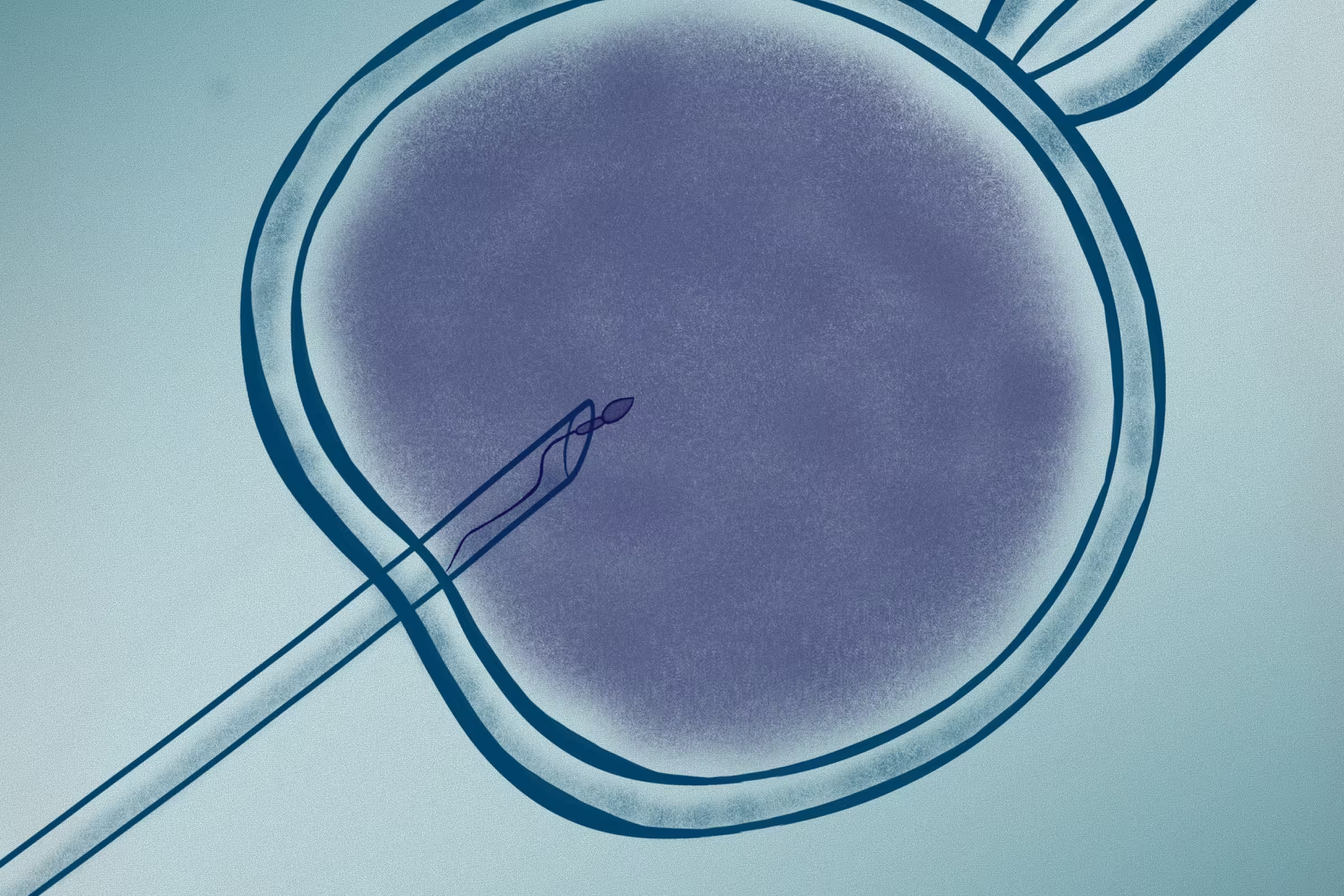
The day of retrieval, your eggs are combined with sperm in the lab. This happens one of two ways:
You'll usually get a call the next morning telling you how many eggs were fertilized.
Fertilized eggs are now embryos, and they spend the next 5-6 days growing in an incubator. It's perfectly normal for some of them not to make it through this stage. By the end of those 5 or 6 days, only a few will reach the blastocyst stage, which is when they're typically strong enough to be transferred or frozen.
If you're doing preimplantation genetic testing (PGT), a few cells are biopsied from each blastocyst and sent to a lab to screen for chromosomal abnormalities. Because that testing takes 1-2 weeks to come back, most PGT cycles freeze all embryos and do a frozen transfer later rather than a fresh one.
The embryo transfer procedure is pretty quick and generally doesn’t require any sedation for most people. A thin catheter is used to gently guide the embryo through the cervix and into the uterus, with ultrasound helping to ensure everything is placed correctly. You’ll take progesterone, and often estrogen, to support the uterine lining around the transfer. For frozen transfers, several weeks of hormone medication to prepare the lining come first. The procedure itself takes only a few minutes, and you’ll likely be asked to rest afterward. Nowadays, most clinics prefer to transfer just one embryo to lower the chances of a multiple pregnancy, but the decision can vary based on your age, the quality of the embryos, and your overall health. Whether you choose a fresh transfer a few days after retrieval or a frozen one, which can happen weeks or months later, it will be tailored to your specific plan.
After transfer, there's roughly a two-week gap before a blood test can reliably confirm pregnancy. Your clinic will schedule a human chorionic gonadotropin (hCG) blood test, which measures pregnancy hormone levels directly and is far more reliable at this stage than an at-home urine test.
Testing too early with a home test can produce a false negative, or in some cases a false positive if you're still clearing trigger-shot medication from your system. That’s why many clinics ask patients to avoid home testing altogether and wait for the scheduled blood test.
Many clinic websites outline IVF in straightforward procedural terms: injections here, retrieval there, transfer, and then sit and wait. However, they often overlook the emotional and physical experiences that come with this journey.
The stimulation phase is where many begin to feel the physical toll of IVF. Daily injections can leave marks and tenderness, while the surge of hormones may lead to bloating, breast tenderness, headaches, and intense mood swings. These shifts come from the hormonal changes, and for many people, navigating the emotional ups and downs during this stage is more challenging than the injections themselves. If low mood, anxiety, or hopelessness is persistent or severe, tell your care team.
Retrieval day introduces its own set of discomforts. You might feel groggy from sedation, experience cramping akin to a heavy period, and deal with some mild bloating from ovarian enlargement that could last a few days. While it's not usually described as painful, it can certainly feel tender and exhausting.
The transfer process is generally the least physically taxing part of IVF. It’s a quick procedure, and most people only notice sensations similar to those during a routine pelvic exam.
When asked about the most challenging aspect of IVF, many will admit that the two-week wait is often the toughest part, rather than any specific medical procedure. It’s a period filled with uncertainty: no reliable symptoms to interpret, no tests to take yet, and no way to hurry the answer. Whether you experience cramping, spotting, or nothing at all, it can be difficult to decipher what these signals mean, since progesterone support can cause pregnancy-like symptoms whether or not you’re pregnant.
IUI (intrauterine insemination) is often tried before IVF because it's simpler, cheaper, and less physically demanding, though it's also less effective per cycle.
IUI cycles are far less involved because they require less monitoring, no retrieval, and no lab fertilization. But success rates per cycle are lower, which is why many people move to IVF after several unsuccessful IUI attempts, or skip IUI altogether if their diagnosis makes it unlikely to work.
According to the Centers for Disease Control and Prevention’s National ART Summary (2022 data, the most recent full year published), the live birth rate per intended egg retrieval (fresh and frozen transfers combined) using your own eggs runs around:
Looking at per-embryo transfer instead, the picture is a bit different: about 35% of transfers for women 40 and younger result in a live birth, compared with about 25% for women over 40. Transfers using donor eggs or embryos run higher across the board, between roughly 42% and 52%, since donor eggs typically come from women in their 20s and early 30s.
These numbers reflect just one cycle, not your overall chances for the future. If you think about cumulative success rates — like your odds after 2 or 3 egg retrievals — they improve with each additional retrieval at every age, though the gain per cycle is smaller as age increases. Each additional cycle gives you another opportunity to get a viable embryo. So, if you’re looking at these numbers after a tough first cycle, just keep in mind that a single cycle doesn’t determine what will happen on your next try.
Age is something most people know impacts fertility, as both the number and quality of eggs can decline as we get older, but it's not the only thing that matters. Embryo quality is really important, too. This is evaluated by looking at how well the cells divide and, if you're doing PGT, checking whether the chromosome count is normal. A crucial factor in whether an embryo successfully implants is uterine receptivity, which means how well-prepared the uterine lining is at the time of transfer. That’s why some clinics might do extra tests to check the lining's thickness and timing.
There's also emerging research on how the vaginal microbiome may impact IVF success. Some studies have found that vaginal microbiomes with a lot of Lactobacillus bacteria are linked to higher chances of successful implantation and pregnancies during IVF. In contrast, more diverse communities that aren't as Lactobacillus-dominant tend to correlate with lower success rates. While this is just an association and not necessarily a direct cause, it’s becoming a reason why some fertility clinics suggest checking the microbiome as part of your pre-cycle routine, in addition to the usual hormone and anatomical tests.
The months before an IVF cycle are the highest-leverage window you have, since you can't rush biology once stimulation starts. This is the time to address anything your testing flags: an underlying infection, a fibroid, a nutrient deficiency, or an unbalanced vaginal microbiome. Standard preparation also includes a prenatal vitamin with folic acid, stopping smoking, and reviewing medications with your provider. It's also worth using this window to ask your clinic direct questions: how many monitoring appointments to expect, what their protocol is for your specific diagnosis, and how they'll decide between a fresh and frozen transfer for you.
Practically, stimulation involves near-daily appointments for a week or two, so it helps to know your clinic's monitoring schedule before you commit to work travel or major deadlines during that window. Some people find it useful to loop in a manager or take on lighter projects during the stimulation and retrieval weeks specifically, since fatigue and mood shifts are common then.
Standard guidance is to see a fertility specialist after 12 months of trying to conceive if you're under 35, after 6 months if you're 35 to 39, and promptly if you’re 40 or older, since the timeline for seeking help shortens as age-related decline in egg quality becomes more relevant. If you have a known condition like PMOS, endometriosis, blocked tubes, irregular or absent periods, or a prior cancer treatment that could affect fertility, it's worth talking to a provider sooner rather than waiting out the standard window.
IVF usually enters the conversation after simpler options, like ovulation tracking or IUI, haven't worked, or immediately if your specific diagnosis makes those less likely to succeed. If you're trying to figure out where you stand before that first appointment, Evvy's Vaginal Microbiome Test with Fertility Insights can flag microbiome-related factors worth raising with your provider from the start.
If you count stimulation, retrieval, fertilization, embryo development, and transfer as the five core stages, they run about 3-4 weeks in total: 8-14 days of stimulation, about 2 days for the trigger, retrieval, and fertilization, 5-6 days of embryo development, and one day for transfer. That's before the two-week wait for a pregnancy test, and before the month of pre-cycle testing most clinics require.
The egg retrieval procedure can bring a bit of discomfort, mainly because it involves a needle procedure, which might leave you feeling crampy and bloated afterward. It’s done under sedation, so you won’t feel much during the actual procedure. Many people find the two-week wait afterward to be the toughest part, though. It can feel a bit challenging since you have to wait until the blood test to find out the outcome.
Attrition is greatest between retrieval and the blastocyst stage. Most fertilized eggs stop developing between fertilization and the blastocyst stage, which happens around day 5 or 6. After doctors transfer a healthy blastocyst, the next common reason for not getting pregnant is the failure of the blastocyst to implant.
The average cost of a single IVF cycle in the U.S. is around $23,474, including the base fee (typically $9,000-$14,000) plus medications, testing, and add-ons like ICSI or genetic screening. 3 rounds at that average works out to roughly $70,000, though many people don't actually need 3. The average patient does 2 or 3 cycles total, putting typical total spend closer to $50,000. Costs vary widely by clinic, location, and your specific protocol, and insurance or employer fertility benefits can offset a meaningful chunk of it depending on your state and plan.
While many people facing infertility can benefit from IVF, some circumstances may make it more challenging. Uterine abnormalities that aren't surgically treatable, untreated infections, and serious health issues that could jeopardize the safety of pregnancy (such as certain cardiac, renal, or uncontrolled metabolic conditions) may lead to the need for alternative options, such as using a gestational carrier. Very low ovarian reserve isn’t a disqualifier, but it can make donor eggs a more realistic option. Additionally, age restrictions can vary from clinic to clinic, especially when using your own eggs. However, donor egg IVF offers a hopeful pathway for many patients looking to grow their families. Each situation is unique, and support is available to help navigate these decisions.
They aren’t. IVF doesn’t change the natural sex ratio at birth, which is about 105 boys for every 100 girls. However, there’s a small difference when doctors transfer embryos that are at the blastocyst stage (day 5 or 6). Several studies found that these transfers result in slightly more male births compared to transfers at day 3, sometimes by a few percentage points. The effect is small, and the mechanism isn’t well understood. It’s associated with this specific lab technique and transfer timing, not IVF as a whole.
IVF creates embryos outside the body and then places one into the uterus. IUI puts sperm directly into the uterus during ovulation, allowing fertilization to happen naturally inside the body. IVF usually takes longer and costs more than IUI, but it often has higher success rates per cycle. Because of this, doctors often recommend IVF if IUI does not work or when a diagnosis makes IUI less likely to succeed.