CONGRATS! YOU EARNED FREE SHIPPING.

Product Title
1
$0
$0
Subscription Title

Looking kind of empty in here.
We recommend:
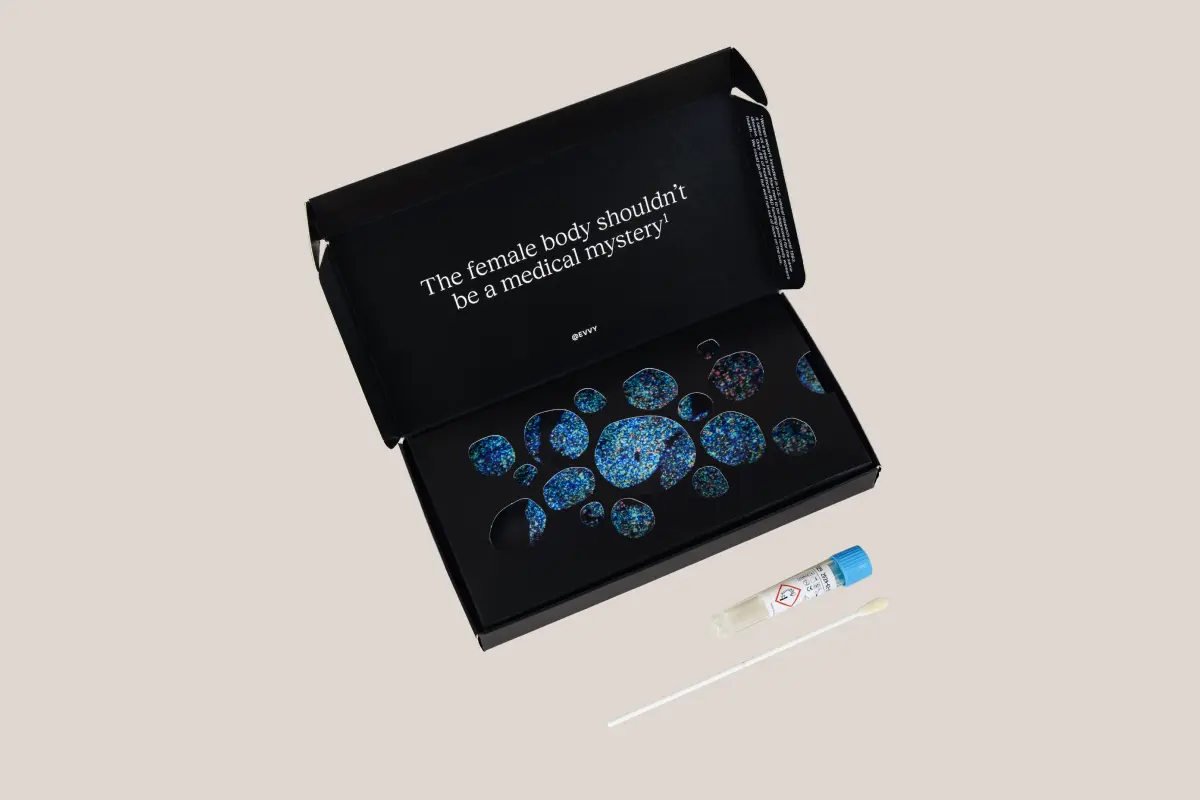
Get advanced insights into symptoms, fertility, and other health outcomes. Prelim results in 1-3 days.

Can shaving cause a yeast infection? Here's what the science says about pubic hair, shaving, irritation, and your vaginal health.
Words by Dr. Meagan Hamblin, PhD
Scientifically edited by Dr. Krystal Thomas-White, PhD
Medically reviewed by Dr. Christine Vo, MD
Can shaving pubic hair cause yeast infections? It's a fair question — over 80% of U.S. women have tried some form of pubic hair removal in their lifetime, from shaving and waxing to laser and depilatory creams. With so many people grooming down there, the relationship between pubic hair removal and vaginal health deserves a real answer.
The short answer: there's no strong evidence that shaving directly causes yeast infections. But cuts, irritation, and changes to your grooming routine can affect the vulvar skin and, potentially, your vaginal microbiome. Here's what the science actually says.
In brief, no. Humans have pubic hair for a reason — several, actually. Pubic hair acts as a protective barrier: it helps reduce friction during sexual activity, thereby preventing skin infections. It also acts as a protective barrier against bacteria, dirt, and other pathogens, reducing the risk of infections in the pubic area. Having a full bush doesn't inherently make you less hygienic, and removing your pubic hair doesn't inherently make you more hygienic.
If you want to keep yourself clean, all that's needed is warm water and maybe a bit of unscented soap for the vulva (the external genitalia). Whether you have pubic hair or not, you should wash your vulva with water regularly.
Your vagina, on the other hand, is a naturally self-cleaning organ, so removing your pubic hair is pretty much a cosmetic decision and down to personal preference.
A 2019 study on the psychology underlying hair removal found that the main reason people prefer to remove their pubic hair is because of societal expectations. Many women report feeling more comfortable and confident in their sexuality as a reason for hair removal.
If you do decide to go bare down there, you may even have fun and make a friend along the way. One recent study showed that women who go to a salon for hair removal form meaningful connections with their estheticians and have generally safe, positive experiences.
The only medical reason you might want to consider removing pubic hair is if you believe you have pubic lice (sometimes called "crabs"). These are parasitic insects that are similar to the head lice you probably encountered in elementary school. Pubic lice live in pubic hair specifically and are transmitted from a sexual partner.
Symptoms and signs of infestation include:
Getting rid of your pubic hair can be one of several treatment strategies for removing pubic lice.
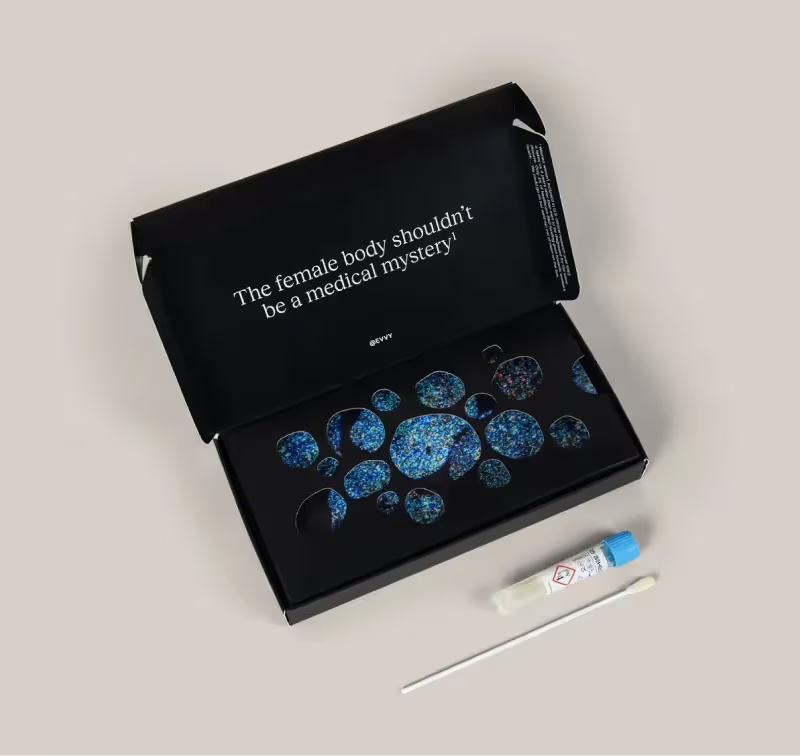
Recurrent symptoms? Get Evvy's at-home vaginal microbiome test, designed by leading OB-GYNs.
Getting rid of body hair is totally a personal choice, but it's good to know there can be some health risks that come along with it. Whether you're shaving, waxing, or lasering, removing hair down there can sometimes lead to things like irritation, ingrown hairs, or even minor infections.
Of the different methods available to remove pubic hair, a 2010 study found that shaving was both the most popular method used and the method most likely to cause a health issue.
Common medical issues that arise from shaving include skin abrasions and ingrown hairs. Though these can be frustrating and painful, the good news is that they can usually be treated at home. If ingrown hairs persist and are a chronic problem, you should consider discussing treatment options with your doctor.
The most common injury associated with waxing, depilatory creams, and laser hair removal is skin burns, which may require medical attention depending on the severity.
Hair removal can also cause folliculitis. This happens when individual hair follicles become inflamed and infected by microbes that live on the skin.
If you feel concerned or nervous about these potential outcomes, or are currently dealing with a hair-related medical problem, don't hesitate to bring it up with your healthcare provider or dermatologist. They are the best people to give you expert and personalized advice on which hair removal options are best for your body and lifestyle.
Right now, there's no publicly available scientific evidence on whether or not removing pubic hair correlates with yeast infections or bacterial vaginosis (BV).
There is, however, one study published in 2021 that examined vaginal microbiomes and their relationship to changes in pubic hair in 43 participants.
The good news is that it doesn't make a difference for your vaginal health whether you like to have hair or go bare. The study found no significant differences at baseline between participants with pubic hair and those without.
But once participants switched to either growing out their pubes or removing their pubic hair, researchers found that vaginal microbiomes changed compared with control participants who did not alter their habits.
This means that either removing or not removing pubic hair itself isn't associated with a particular state of the vaginal microbiome, but changing your habits could lead to a shift.
As with many other aspects of vaginal health, we need more studies with more participants, specifically looking at yeast infections, BV, and community state types, to share science-backed information about hair removal and the vaginal microbiome.
If you're thinking about altering your grooming routine, it might be helpful to order an Evvy Vaginal Microbiome Test before and after to track any changes in your vaginal microbiome and stay informed about what's going on down there.
It's complicated. In a 2017 study of over 7,000 people, researchers found that pubic grooming is associated with a greater risk of acquiring a sexually transmitted infection (STI), and that this correlation became stronger for people who more frequently performed pubic hair removal.
Another study published in 2020 found that people who completely removed their pubic hair more than six times a year had a higher chance of acquiring an STI than people who never did.
But before you start panicking about your bi-monthly Brazilians, remember that a big caveat to these studies is that pubic hair grooming is also associated with a higher rate of sexual activity.
Although researchers adjusted their findings to account for the number of sexual partners, there still could be underlying factors contributing, such as a higher chance of having unprotected sex or a higher rate of oral sex.
What this means is that while the two are correlated, hair removal by itself isn't the only cause of increased susceptibility to sexually transmitted infections. It might just mean you are likely to have more sexual encounters, which in itself means you're more likely to be exposed to an STI.
There is one possible scenario when hair removal could directly make you susceptible to infections — and that's for infections that happen to the skin on the vulva itself, such as a Staphylococcus aureus skin infection, human papillomavirus (HPV), or a benign viral skin condition called Molluscum contagiosum.
If you go to a salon that uses tools on multiple people to remove pubic hair, you want to be sure that the salon uses sterile and clean tools, workers wear clean gloves, and do everything they can to minimize your risk of exposure to an infection.
If you remove your own hair at home and are dealing with pain in the pubic area, bumps on your skin, and inflammation, it's possible that hair removal is contributing to irritation and further damaging your skin.
In general, if you are experiencing any pain or discomfort in your vaginal area, consider talking to a gynecologist to get personalized guidance on how to care for yourself, including whether or not to change your hair removal practices. Ultimately, the decision is yours.
No, having pubic hair doesn't increase your chances of getting a yeast infection. Yeast infections happen when there's an overgrowth of the fungus Candida, which thrives in warm, moist environments like the vagina. While pubic hair itself doesn't directly contribute to yeast infections, improper hygiene or excessive moisture in the genital area — which can happen with or without hair — can increase the likelihood of infections. In fact, hair can have its perks: it helps maintain a balanced moisture level and acts as a barrier against unwanted bacteria and irritants. On the flip side, shaving or waxing could lead to irritation or small cuts, which might make the area a bit more vulnerable to disruption.
No. Shaving doesn't treat or relieve a yeast infection. Yeast infections are caused by Candida overgrowth inside the vagina, and removing pubic hair from the external vulva does nothing to address that. In fact, shaving during an active infection could make things worse because irritated or broken skin is more vulnerable to further disruption. The appropriate treatment for a yeast infection is an antifungal medication (topical or oral), not a change in grooming. If you're unsure whether you have a yeast infection or something else, an Evvy Vaginal Microbiome Test can tell you exactly what's going on in your vaginal microbiome.
Shaving isn't necessary for maintaining good hygiene. Whether or not to shave is a personal choice, and it doesn't inherently make a person more or less hygienic. Proper hygiene in the genital area can be maintained regardless of whether you're shaving, trimming, or leaving the hair as is.
No, you can't directly get a vaginal yeast infection from a razor cut. However, if you're shaving in preparation for a sexual encounter, it's more likely that having sex is what triggered a yeast infection. Shaving can potentially contribute to skin irritation that looks and feels like a yeast infection (especially folliculitis), but these are distinct conditions.
Frequent shaving doesn't directly cause yeast infections, but it does increase your chances of ongoing skin irritation, micro-cuts, and folliculitis, all of which can feel similar to a yeast infection and can make the external skin more susceptible to disruption. If you're shaving very frequently and noticing recurring symptoms, it may be worth giving your skin a break and talking to a provider to rule out an actual infection.
Shaving itself doesn't directly affect your vaginal pH, but it can indirectly cause issues that might influence your balance. When you shave — especially if you accidentally nick yourself or cause irritation — it can disrupt your skin's natural barrier. That irritation or microdamage makes it easier for bacteria or fungi to establish themselves, potentially disrupting the natural balance of microbes in your vaginal area. Using heavily scented shaving creams, soaps, or moisturizers near the vulva can also be disruptive. Sticking to unscented, gentle products and keeping your razor clean can help you avoid those problems.
It's best to hold off. During an active yeast infection, vulvar tissue is already inflamed and sensitive. Shaving can cause additional irritation, micro-abrasions, or cuts that worsen discomfort and further compromise the skin barrier. Wait until your infection has fully cleared before resuming hair removal.
Shaving cream itself doesn't cause a vaginal yeast infection. However, scented shaving creams, gels, or foams applied to the vulvar area can cause contact irritation that mimics yeast infection symptoms: itching, redness, and discomfort. If you use shaving products near your vulva, opt for fragrance-free, hypoallergenic formulas to minimize that risk.
No, pubic hair itself doesn't cause vaginal infections. Yeast infections and BV originate from microbial imbalances in the vagina, not from the presence or absence of external hair. In fact, pubic hair serves a protective function, acting as a physical barrier against friction and some pathogens. The existing research hasn't shown a significant link between having pubic hair and increased vaginal infection risk.
Wait until your symptoms have fully resolved, typically after completing your course of antifungal treatment and feeling symptom-free for at least a few days. Shaving on recently inflamed skin increases the risk of cuts and irritation and slows your recovery. If you're unsure whether your infection has cleared, it's worth checking in with your provider before picking up the razor again.