CONGRATS! YOU EARNED FREE SHIPPING.

Product Title
1
$0
$0
Subscription Title

Looking kind of empty in here.
We recommend:
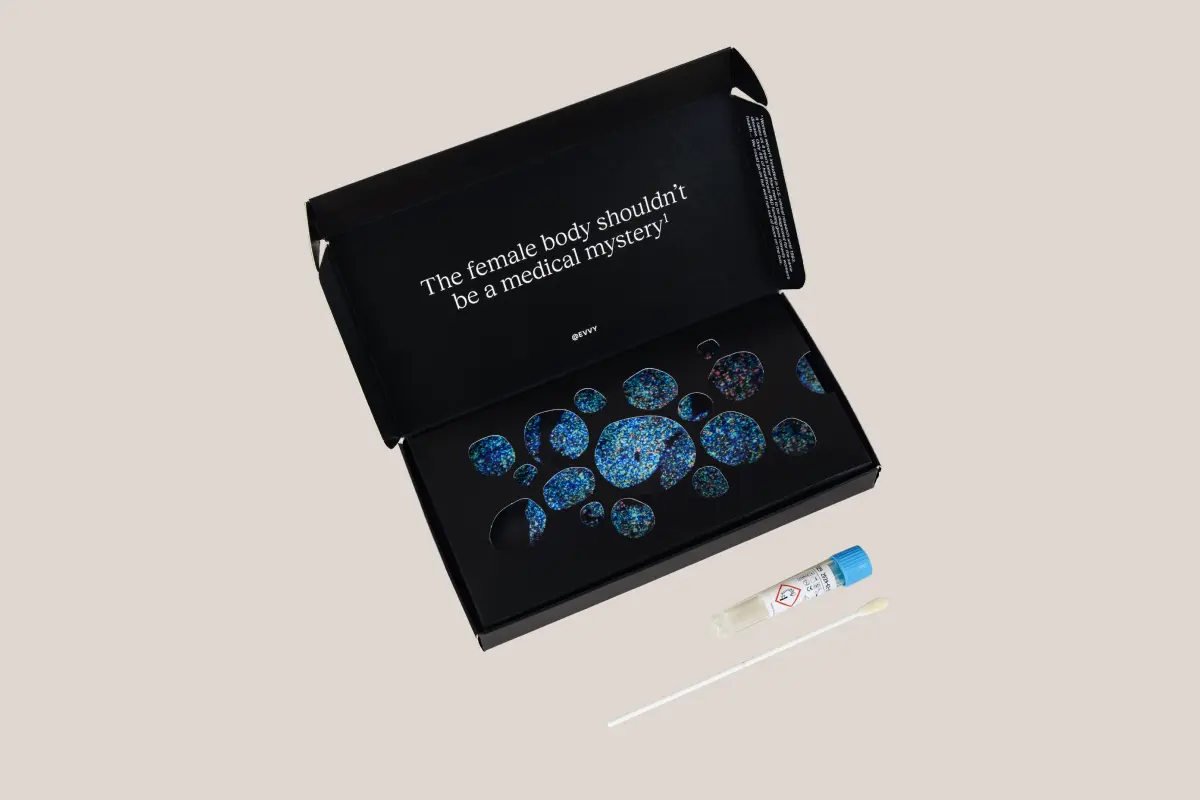
Get advanced insights into symptoms, fertility, and other health outcomes. Prelim results in 1-3 days.

Learn how stress affects your vaginal microbiome and why it may trigger recurrent yeast infections, plus tips to support vaginal health during stressful times.
Stress shows up in the body in all kinds of surprising ways: stomach knots, headaches, breakouts, and trouble sleeping, just to name a few. Not a lot of people know that you can add yeast infections to that list, too.
Emerging research shows that there is a link between stress and yeast infections, especially for people who experience recurrent vulvovaginal candidiasis (RVVC). Studies have found that women with RVVC tend to report higher levels of psychosocial stress, more signs of chronic stress, and altered cortisol patterns compared to those who don’t get frequent infections. Scientists believe chronic stress may weaken the immune system, disrupt the vaginal microbiome, and create conditions that make Candida overgrowth more likely.
Below, we break down what we know about stress and yeast infections, who’s most at risk, and what you can do to support vaginal health during stressful periods of life.
A vaginal yeast infection happens when Candida (a fungus that naturally lives in the vagina) grows more than it should. Normally, Candida is kept in check by healthy vaginal bacteria like Lactobacillus, your immune system, your vaginal pH, and your hormones. When this balance is disrupted, Candida can overgrow and trigger symptoms like itching, irritation, burning, and abnormal vaginal discharge.
Typically, we think of things like antibiotics, hormonal fluctuations, diabetes, or irritants as common triggers for yeast infections. Stress isn’t officially listed as a “classic” risk factor in major guidelines, but newer studies suggest that chronic stress might play a much bigger role than previously believed — especially when it comes to recurrent yeast infections.
Your vaginal microbiome is a delicate ecosystem, and stress can influence it in several ways. When you’re stressed, your body releases cortisol. In short bursts, cortisol is helpful. However, in the long term, the system that regulates cortisol — the hypothalamic-pituitary-adrenal (HPA) axis — can become dysregulated. This affects many parts of the body, including your microbiome and immune system.
Chronic stress may:
These changes can weaken your natural defenses and create a more Candida-friendly environment. Because the gut and vaginal microbiomes are closely connected, stress-related digestive changes, like bloating, diarrhea, constipation, or changes in diet, can also indirectly influence vaginal microbial balance.
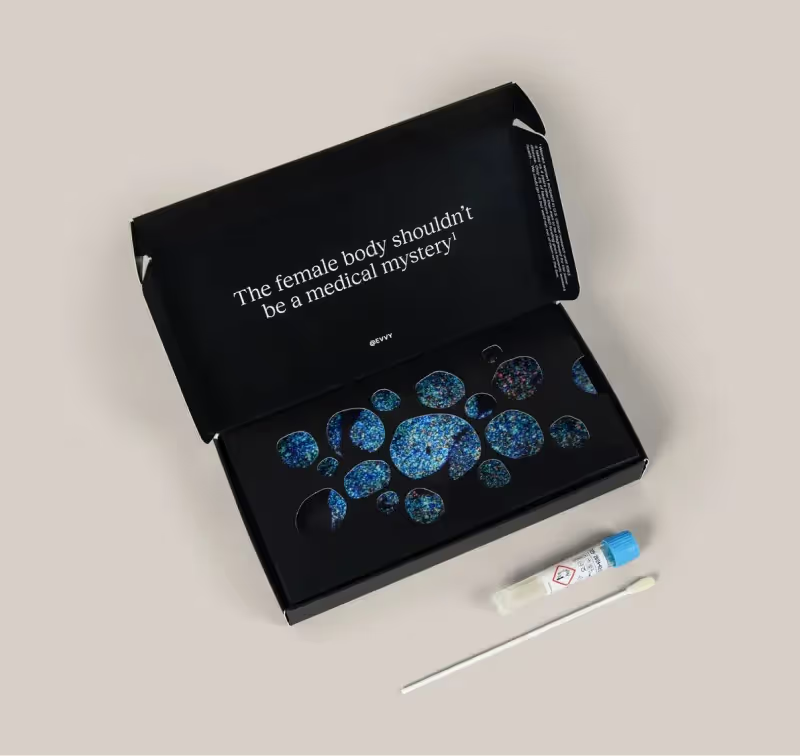
Recurrent symptoms? Get Evvy's at-home vaginal microbiome test, designed by leading OB-GYNs.
A growing body of research has found several links between stress levels and RVVC:
This doesn’t mean stress “causes” yeast infections in a direct, one-to-one way. But it’s increasingly recognized as a contributing factor, especially in the context of chronic, long-term stress.
Recurrent yeast infections are far more common than many people realize. Around 40–50% of women who experience one yeast infection will have at least one recurrence in their lifetime, and most recurrences happen within just a few months of treatment. About 5–10% of all women with yeast infections go on to develop recurrent vulvovaginal candidiasis, meaning four or more episodes per year.
For those struggling with frequent flare-ups, chronic stress may be an overlooked part of the picture. If traditional triggers don’t fully explain your symptoms, addressing long-term stress could be the missing piece that helps break the cycle.
Your immune system plays an important role in keeping Candida under control. Chronic stress can weaken your immune function, making it harder for your body to maintain a healthy balance of microbes. Research shows that women with recurrent vulvovaginal candidiasis who experience high levels of chronic stress often show signs of a weakened immune system. As a result, even minor changes — like irritation from a new soap, shifts in pH, or hormonal changes — can lead to a yeast infection.
Stress influences hormones throughout the body, including estrogen. Estrogen plays a big role in vaginal health by supporting Lactobacillus growth and helping maintain a protective pH. If stress disrupts hormone balance, the vaginal environment can become less stable, and Candida may have an easier time thriving. This is similar to what happens before your period, during pregnancy, or with certain birth control methods, when hormonal fluctuations can make yeast infections more likely.
While anyone can get a vaginal yeast infection during stressful times, research shows that one group seems particularly vulnerable: premenopausal women with RVVC who are also experiencing chronic psychosocial stress.
Within this group, risk is even higher among women who report:
Most people deal with everyday stress like running late to work, juggling responsibilities, and managing small crises throughout the day. These short bursts of stress usually don’t cause enough disruption in the body to spark a yeast infection. Chronic stress, however, behaves very differently. When stress stretches over weeks or months, the body’s stress-response system starts to shift. Cortisol rhythms become less predictable, the immune system becomes more sluggish, and inflammation can slowly rise.
This long-term pressure can also influence gut health, hormone balance, sleep quality, and energy levels — all of which play a role in maintaining a stable vaginal microbiome. Over time, these gradual changes create conditions that make Candida growth more likely. For people who are already prone to yeast infections, chronic stress can become the factor that pushes an already sensitive system out of balance.
If yeast infections seem to show up repeatedly during stressful chapters of life, it’s not just a coincidence. Research suggests that psychosocial stress may be a more meaningful predictor of recurrent infections than some of the traditional biological triggers. This helps explain why some people see symptoms return shortly after treatment or notice that certain emotional or life stressors coincide with flare-ups.
Standard antifungal medications address the overgrowth itself, but they don’t change the underlying stress-related patterns that may be influencing the body’s immune and microbiome responses. That’s why, for some people, infections keep returning even when they’ve ruled out the usual suspects like antibiotics, new hygiene products, or hormonal changes. Understanding the role of stress doesn’t solve everything, but it can be a helpful missing piece for anyone navigating chronic or recurring symptoms.
You can’t eliminate stress completely, and you don’t necessarily need to. The goal is to help your body stay balanced even when life isn’t. Here are some easy lifestyle changes to support vaginal health:
It’s a good idea to talk with a healthcare professional if:
Sometimes what feels like a yeast infection could be another vaginal infection, such as bacterial vaginosis (BV), or another condition entirely. Many sexually transmitted infections (STIs) also mimic the symptoms of a yeast infection, including white discharge, burning, and irritation. Evvy’s Vaginal Health Test can help identify what’s really going on and offer a clearer path forward.
Stress doesn’t directly cause a vaginal yeast infection, but it can shift the conditions inside the body in ways that make a vaginal yeast infection more likely. Long-term stress can disrupt cortisol rhythms, weaken immune responses, and alter the vaginal microbiome by reducing protective Lactobacilli. These changes make it harder for your body to keep Candida growth in check. Stress can also influence sleep, diet, and energy levels, which indirectly affect vaginal balance and overall resilience.
Recurring infections during stressful times often happen because chronic stress gradually wears down the systems that normally prevent Candida overgrowth. If your cortisol levels stay high or become dysregulated, your immune function may not respond as strongly, and the vaginal microbiome may become less stable. People with frequent yeast infections are especially sensitive to these shifts, and symptoms often return when stress accumulates. Even if you treat each infection effectively, the underlying stress can keep the body in a state where yeast overgrowth is more likely to happen again.
While you can't entirely prevent vaginal yeast infections (or stress, for that matter), small, consistent habits can make a real difference. Prioritizing sleep, staying hydrated, and eating balanced meals helps support hormone balance, gut health, and the vaginal microbiome. Gentle movement, fresh air, or taking a few minutes to unwind can help regulate stress hormones. Avoiding irritants like scented soaps, changing out of damp clothes quickly, and maintaining comfortable hygiene routines also support vaginal balance. Together, these habits help your body stay resilient even during stressful periods.
Yes, it’s a good idea to talk with a healthcare provider if you’re having frequent yeast infections, even if you suspect stress is the main trigger. Stress can contribute to recurrent symptoms, but other factors like hormonal fluctuations, BV, dermatitis, or underlying health conditions can also play a role. A clinician can help confirm the diagnosis, rule out other issues, and recommend treatments or testing with Evvy that can clarify what’s driving your symptoms.