CONGRATS! YOU EARNED FREE SHIPPING.

Product Title
1
$0
$0
Subscription Title

Looking kind of empty in here.
We recommend:
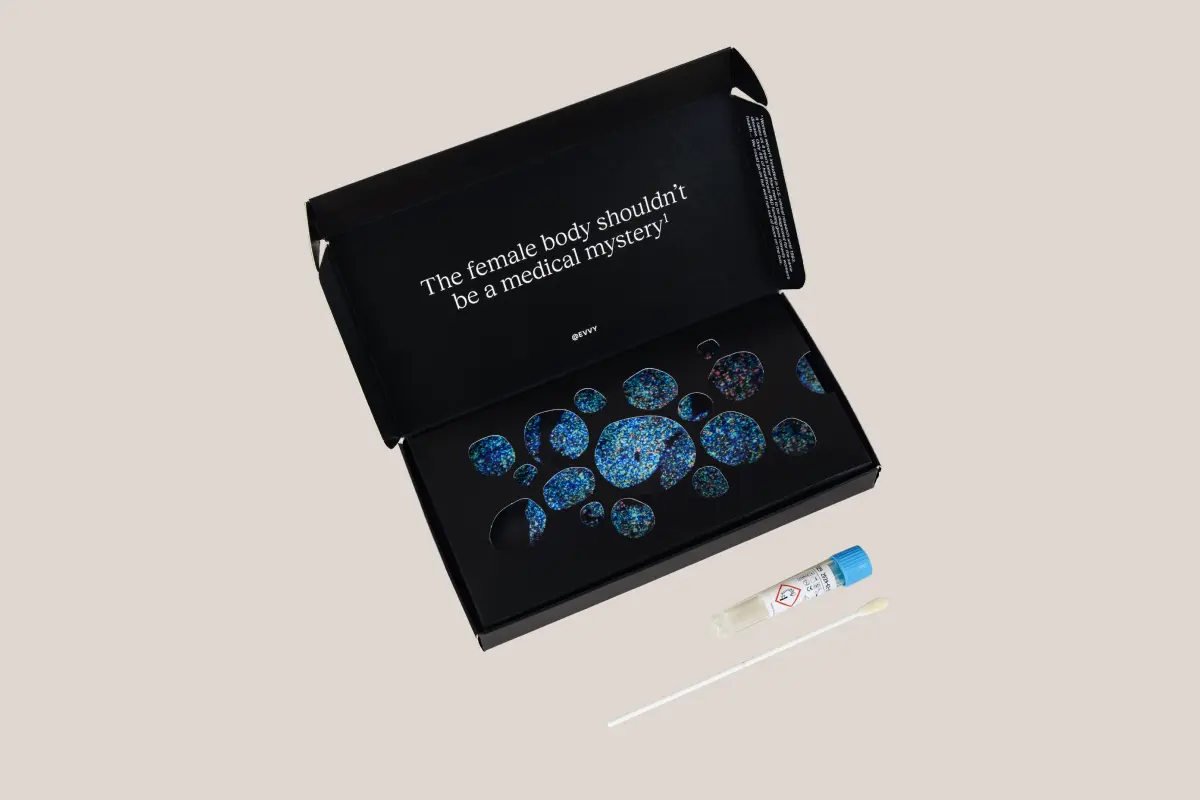
Get advanced insights into symptoms, fertility, and other health outcomes. Prelim results in 1-3 days.

Why do you keep getting recurring yeast infections? Hormones, your period, sex, and resistant Candida can all play a role. Learn how to break the cycle.
Words by Olivia Cassano
Scientifically edited by Dr. Krystal Thomas-White, PhD
Medically reviewed by Dr. Kate McLean MD, MPH, FACOG
Dealing with a vaginal yeast infection (vaginal candidiasis) once is frustrating enough, but getting them repeatedly — every month, even — can be exhausting. Many women experience recurrent yeast infections for various reasons, from hormonal shifts to specific behaviors that unintentionally encourage yeast growth. If you’re finding yourself in this cycle, it’s helpful to understand the causes behind frequent yeast infections so you can break the pattern.
Let’s examine some of the most common reasons for recurrent yeast infections and explore ways to prevent them.
Yeast infections are caused by an overgrowth of the fungus Candida, most commonly Candida albicans. As many as 75% of women will have a vaginal yeast infection at least once in their lifetime, but for many people, it can be a regular occurrence. Below are some of the most likely reasons why a yeast infection may be rearing its ugly head month in and month out.
Hormonal changes throughout the menstrual cycle can contribute to yeast infections. Estrogen and progesterone levels fluctuate during different phases of your cycle, and these shifts can alter the balance of bacteria and yeast in the vagina.
Research shows that higher levels of estrogen cause Candida to grow more aggressively and change how it interacts with your immune system. These changes make it easier for the yeast to thrive and escape detection by your body’s defenses, making you more prone to vaginal yeast infections during times when estrogen is high, like during pregnancy or certain phases of your menstrual cycle.
Birth control pills can also play a role in this cycle, as they influence estrogen levels. Switching birth control methods can sometimes help, but it’s always best to discuss this with a healthcare provider first.
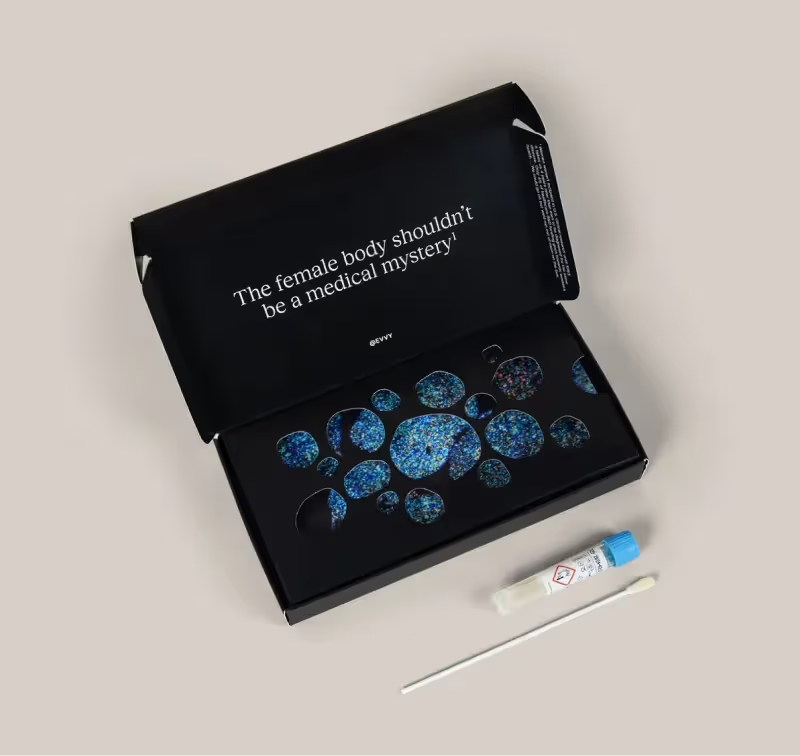
Recurrent symptoms? Get Evvy's at-home vaginal microbiome test, designed by leading OB-GYNs.
For some women, yeast infections flare up around their period, whether that's just before, during, or just after. Your period can influence vaginal pH levels, making it easier for Candida to overgrow, since blood has a slightly alkaline pH that can disrupt the vagina's natural acidity.
Sex can sometimes play a role in recurrent yeast infections, as it can change the vaginal environment in ways that make it easier for yeast to grow. For instance, semen has a higher pH than what’s typically found in the vagina, and this shift can create a more favorable setting for Candida. Plus, certain sexual practices, like using flavored lubricants, can also feed yeast, since they thrive on sugar.
If you’re sexually active and dealing with frequent yeast infections, you might want to steer clear of lubricants that contain glycerin or sugars. It’s also a good idea for both you and your partner to practice good hygiene before getting intimate.
If you’re experiencing recurrent yeast infections, a stubborn strain of Candida may be at play, which might not respond well to the usual antifungal medication.
Most yeast infections are caused by Candida albicans, which accounts for about 90% of yeast infections and is generally treatable with standard medications. However, other species, such as Candida glabrata, can be a bit trickier and may resist treatments like fluconazole.
If you’re struggling with stubborn vaginal yeast infections, don’t hesitate to reach out to your healthcare provider. They’re there to help you find the right treatment plan tailored just for you.
Evvy's Vaginal Microbiome Test can help identify which Candida strain is behind your recurrent yeast infections, making it easier for your healthcare provider to suggest the most effective antifungal treatment.
The specifics of your treatment, such as dosage and duration, will depend on the strain causing your yeast infection, the severity of your symptoms, and your medical history. So, your doctor might suggest a different treatment, like a stronger dose or combining oral medication with a vaginal cream to get the best results.
Many women find that using a combination of prescription medications, antifungal creams, or a longer regimen of specific antifungal treatments can effectively manage a yeast infection. Just remember, it’s super important to complete the entire course of treatment — even if you start feeling better — until the yeast infection clears.
Using douches or other scented soaps can significantly increase your risk of vaginal infections, including recurrent vulvovaginal candidiasis. Douching disrupts the natural balance of bacteria and yeast in the vagina, washing away good bacteria like Lactobacillus that help keep Candida in check. Without this natural defense, yeast can multiply rapidly, often leading to infections.
The vagina is self-cleaning and doesn’t need products to “stay fresh.” Studies have shown time and again that douching is associated with higher rates of vaginal infections, including both bacterial vaginosis (BV) and yeast infections.
If you’re prone to recurrent yeast infections, it's best to avoid douches, scented tampons, and sprays. Instead, maintain your vaginal health by wearing breathable cotton underwear, changing out of damp clothes or wet bathing suits quickly, and letting your body’s natural cleaning process do its job.
If your yeast infections seem to show up like clockwork around your period, there’s a reason for it. Your menstrual cycle creates real, measurable shifts in your vaginal environment that can make Candida overgrowth more likely at specific points.
In the days leading up to your period, estrogen and progesterone levels shift, and research shows that higher estrogen can cause Candida to grow more aggressively and become harder for your immune system to detect. This is why some people notice yeast infection symptoms starting just before their period even begins.
After your period starts, the blood itself adds another layer to the problem. Blood has a slightly alkaline pH, which can temporarily raise your vaginal pH and disrupt the acidic environment that normally keeps yeast in check. Studies have also found that Lactobacillus levels (your protective bacteria) tend to dip during your period, removing another layer of natural defense right when your pH is already more vulnerable.
Taken together, this means the entire window around your period (both leading up to it and immediately after) can create back-to-back opportunities for Candida to take hold, which is why some people experience what feels like a single continuous infection rather than a single isolated one.
It’s not uncommon for some people to experience yeast infections every month, especially if they tend to occur around the same time in their cycle, like just before a period. However, while it may be common, it isn’t considered normal in a medical sense. Recurrent yeast infections (defined as four or more in a year) could indicate an underlying imbalance in the vaginal microbiome, hormonal changes, or external factors such as stress, antibiotic use, or certain hygiene products.
Hormonal changes throughout the menstrual cycle can affect the vaginal environment and make it more hospitable to yeast overgrowth, particularly if estrogen levels rise. If you’re consistently getting yeast infections every month, it’s a good idea to talk to your healthcare provider. They may recommend different treatment, deeper testing, or investigating other possible causes, such as diabetes or an undiagnosed sensitivity to ingredients in soaps or lubricants.
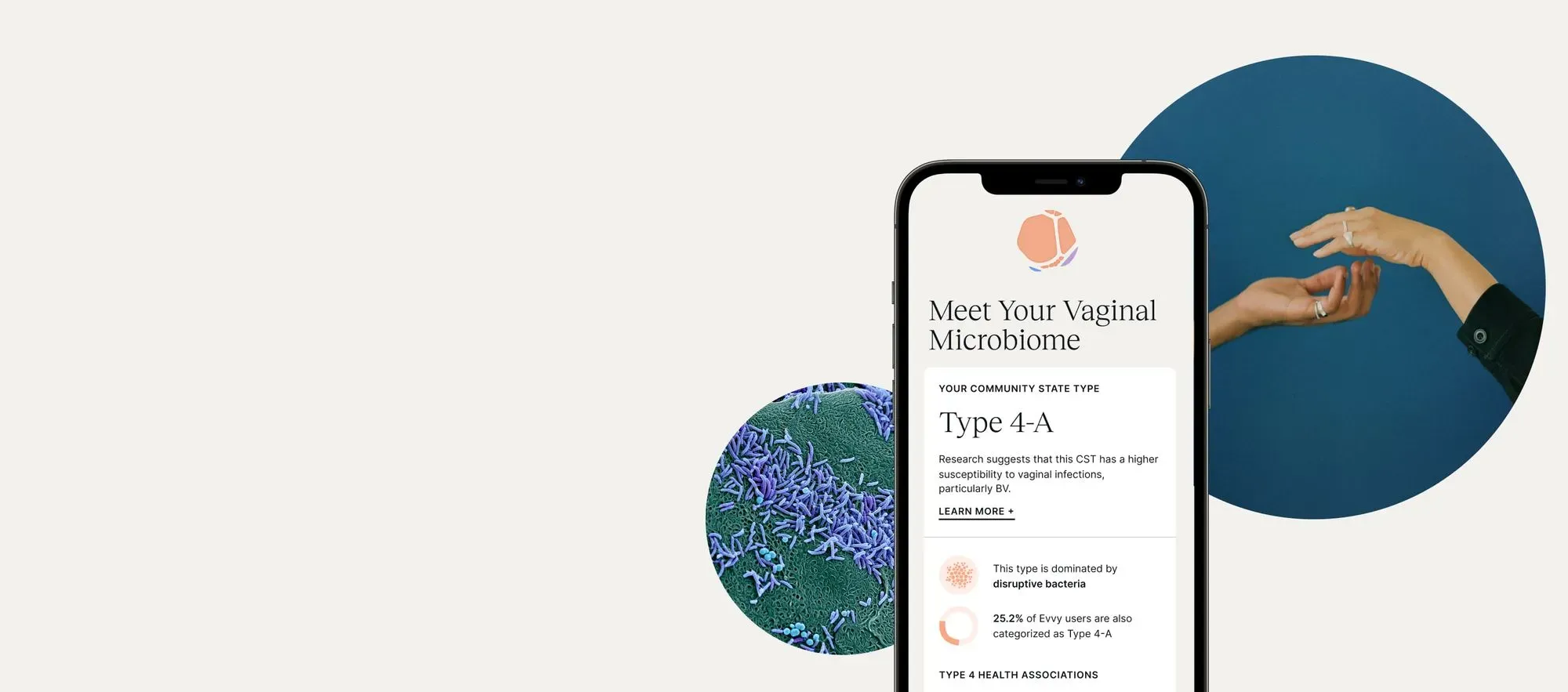
Testing the vaginal microbiome, such as with Evvy’s Vaginal Microbiome Test, can also provide insight into what's driving recurrent infections by identifying patterns of microbial imbalance, including elevated Candida levels. With the right treatment and information, monthly yeast infections can often be prevented or better managed.
The symptoms of a stubborn yeast infection are often similar to those of a typical single yeast infection, but they tend to recur frequently, sometimes right after treatment or at predictable times (like before your period). Common symptoms include:
In some cases, symptoms may temporarily improve after treatment, only to return within weeks. If you're experiencing these symptoms more than four times a year, it's considered a recurrent infection, and it’s worth speaking to a healthcare provider to explore long-term management options and possible underlying causes.
Understanding the factors that contribute to a vaginal yeast infection is half the battle. Here are some tips to help reduce your risk of getting a yeast infection each month:
Treatment options for recurrent yeast infections often begin with standard antifungal medications, such as fluconazole taken orally, or topical treatments such as clotrimazole or miconazole. These are typically used for a few days but may be prescribed for longer courses if infections keep returning.
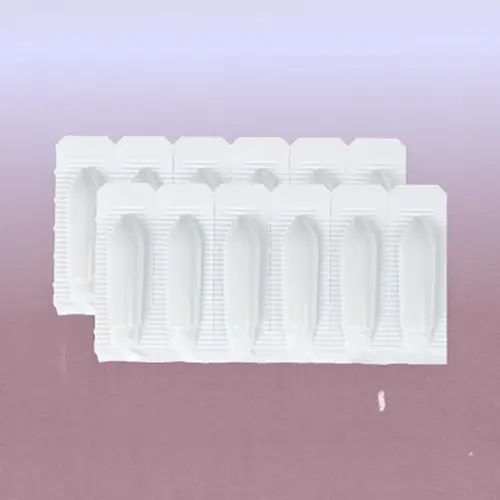
For more stubborn or treatment-resistant infections, your healthcare provider may recommend boric acid suppositories, which can help restore balance when traditional antifungals fall short. Boric acid is particularly effective against non-albicans Candida strains and is often part of long-term management plans — but it should always be used under medical supervision, especially if you're pregnant or trying to conceive.
Getting a vaginal yeast infection every month isn’t necessarily dangerous, but it’s a sign that something in your vaginal environment may be out of balance, and it’s definitely worth investigating. While a single yeast infection is common and usually easy to treat, having one every month (especially if it happens four or more times a year) is considered recurrent vulvovaginal candidiasis. This condition can seriously affect your comfort, sex life, and overall well-being. Frequent yeast infections may point to underlying issues like hormonal fluctuations, taking antibiotics, uncontrolled diabetes, or even an imbalance in your vaginal microbiome. In some cases, the yeast causing the infection may be a less common or treatment-resistant strain, which may not respond to standard over-the-counter (OTC) medications. Recurrent yeast infections aren't dangerous in most healthy individuals, but repeated inflammation and discomfort can take a toll.
If you're looking to put an end to recurrent yeast infections, the first step is identifying and (if possible) avoiding triggers. It’s best to avoid douching, scented products, and flavored lubricants, as these can throw off your pH. Don’t forget to change out of wet clothes — like swimsuits or workout gear — quickly to keep moisture at bay. If you're using high-dose estrogen contraception, it might be worth having a chat with your healthcare provider about trying a version with lower estrogen, since high levels can encourage yeast growth. Sometimes OTC treatments don’t do the trick, which could mean the infection is caused by a strain of yeast that’s tough to treat. Consider getting an Evvy Vaginal Microbiome Test, which can help identify the specific Candida strains causing your issues. Lastly, if your menstrual cycle brings on hormonal changes, ask your healthcare provider about maintenance therapy.
There’s no real way to “flush out” yeast from your system. Yeast is a normal and healthy part of our microbiome. It typically lives in the gut and vagina (among other places) without causing any issues. The key is keeping yeast levels balanced. When a fungus like Candida overgrows in the vagina, it can lead to a yeast infection. The only way to treat yeast infections is with over-the-counter or prescription antifungal medication.
In a way, yes, stress can be a contributing factor. While it’s not a direct cause, chronic stress raises cortisol levels, which can weaken your immune system's ability to keep Candida in check, making overgrowth more likely. Stress can also indirectly affect your habits — disrupted sleep, changes in diet, or skipping self-care routines — which can compound the problem. If you notice a pattern between stressful periods and your infections, it's worth mentioning to your provider.
Breaking the cycle usually starts with identifying your specific trigger, whether that's hormonal timing, sexual activity, a resistant Candida strain, or a habit like douching. From there, treating the underlying cause (not just the symptoms each time) matters more than repeatedly using over-the-counter antifungals. The Evvy Vaginal Microbiome Test can help pinpoint the exact Candida strain involved, making it easier for your provider to recommend a longer-term treatment plan, such as boric acid suppositories or maintenance antifungal therapy, rather than restarting the same short-term treatment every month.