CONGRATS! YOU EARNED FREE SHIPPING.

Product Title
1
$0
$0
Subscription Title

Looking kind of empty in here.
We recommend:
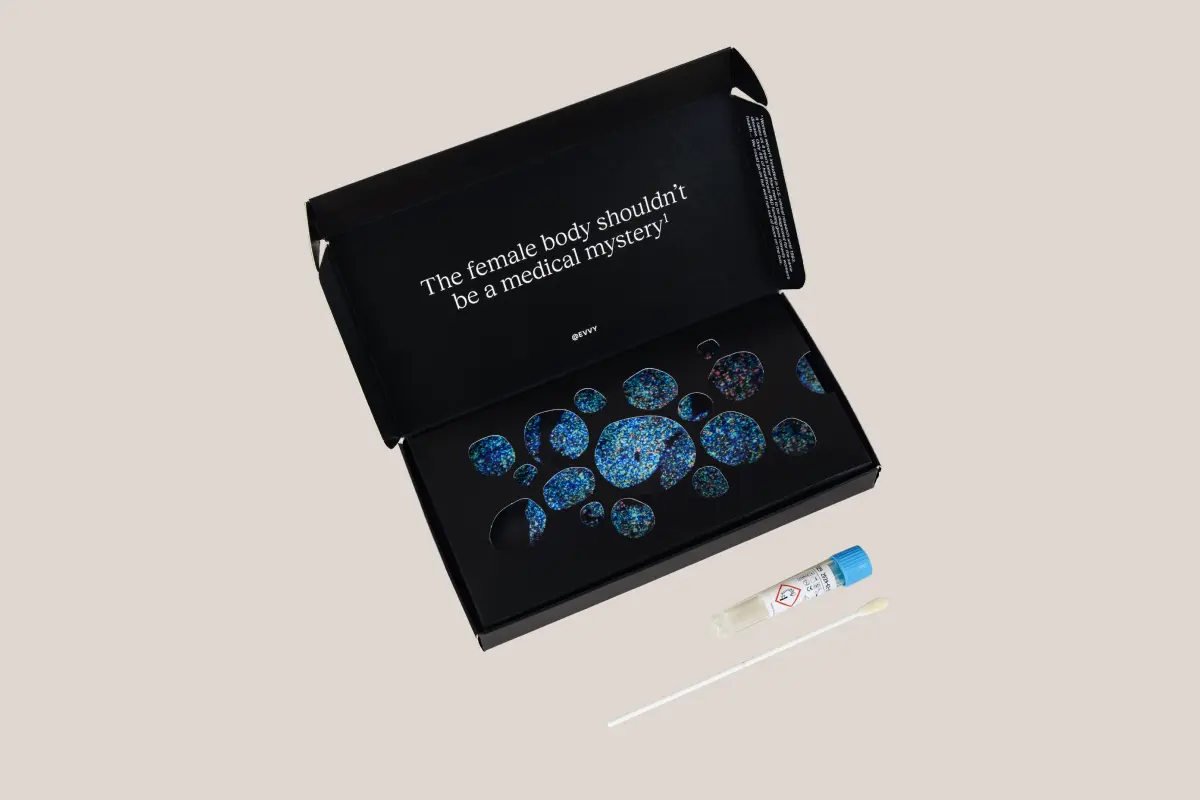
Get advanced insights into symptoms, fertility, and other health outcomes. Prelim results in 1-3 days.

Frequent urination and burning can signal a UTI, STI, or irritation. Learn common causes, symptoms, and when to seek help, plus how Evvy can support you.
Words by Olivia Cassano
Scientifically edited by Dr. Krystal Thomas-White, PhD
Medically reviewed by Dr. Kate McLean MD, MPH, FACOG
Feeling like you constantly need to pee — and then feeling that sharp, burning feeling when you actually do — can be frustrating, distracting, and honestly a little scary. These two symptoms often occur together, and while they can arise for many reasons, the most common cause is a urinary tract infection (UTI). But they can also come from things like vaginal irritation, pregnancy, sexually transmitted infections (STIs), and even certain products you’re using on your skin.
Understanding what they mean (and what they don’t) can help you figure out your next steps. Keep reading to learn about the most common causes, how to tell conditions apart, what symptoms deserve more attention, and when to reach out to a healthcare provider.
Going to the bathroom should bring nothing other than relief, but sometimes it’s accompanied by uncomfortable symptoms. Before jumping into possible causes, it helps to understand what these symptoms really mean.
These symptoms often overlap because the bladder and urethra are closely connected. If bacteria are present, the tissues swell and become sensitive. If the bladder lining is irritated, your nerves send “go now” messages even when the bladder isn’t full. And if the skin or vagina is inflamed, urine passing over those tissues can cause a sharp, burning feeling.
So when urgency, frequency, and burning show up together, it typically means something is irritating or inflaming the lower urinary tract, whether that’s from bacteria, inflammation, hormones, or chemicals.
Several conditions cause frequent or painful urination. Some are very common and simple to treat, while others require more evaluation. Here are the most frequent causes:
Pregnancy deserves a special mention because frequent urination is extremely common (and normal) in early and late pregnancy. Hormone shifts increase blood flow to the pelvis, which makes the kidneys produce more urine. As the uterus grows, it also puts pressure on the bladder. While burning is not a typical pregnancy symptom on its own, pregnant people do have a higher risk of urinary tract infections, which can cause both frequency and burning.
Other conditions that can mimic UTI symptoms include overactive bladder, diabetes, and interstitial cystitis. These typically cause frequency and urgency without the classic burning sensation, but symptoms can overlap. When symptoms last more than a few weeks or keep returning, it’s worth getting evaluated.
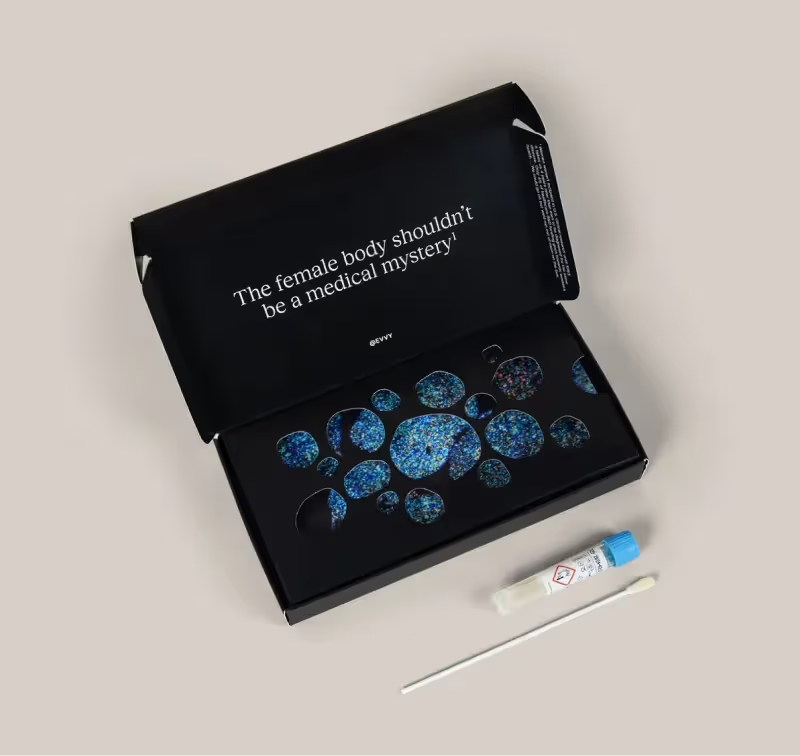
Recurrent symptoms? Get Evvy's at-home vaginal microbiome test, designed by leading OB-GYNs.
A urinary tract infection is the most likely cause of these symptoms, especially in people with vaginas. A urinary tract infection happens when bacteria (usually E. coli) enter the urethra and start multiplying in the bladder. As the bladder lining becomes irritated, the nerves become more sensitive, and suddenly, you feel like you need to pee all the time. The urethra also becomes inflamed, which leads to that classic burning sensation when you pass urine.
Typical symptoms of a urinary tract infection include:
These symptoms together strongly point toward a urinary tract infection. A urinalysis can pick up signs of inflammation, and a urine culture can confirm the infection and identify which bacteria are causing it.
But there are times when UTI-like symptoms need more attention. If you have fever, chills, nausea, vomiting, or pain in your back or side, it could be a sign that the infection has moved to the kidneys, a condition called pyelonephritis. This needs prompt medical care.
Another situation to watch for is when symptoms feel like a urinary tract infection, but your tests come back negative. That could mean you’re dealing with vaginitis, an STI, irritation from a product, or a condition like interstitial cystitis. Persistent or confusing symptoms deserve a closer look.
You may also notice:
If you feel constant urgency without burning, it might be an overactive bladder or irritation rather than an infection. On the flip side, if you have burning but no frequency, the problem may be coming from the vagina or vulva — such as a yeast infection, BV, or irritation from products. Symptoms that don’t match the usual UTI pattern are a sign to look deeper.
Urinary tract infections and STIs can feel surprisingly similar at first. Both can cause burning, discomfort, and frequent urges to pee. That’s because infections like chlamydia, gonorrhea, or trichomoniasis can inflame the urethra, which produces the same stringing sensation.
But there are some clues that point more toward an STI. For example, STIs often come with vaginal or urethral discharge, pain during sex, or spotting between periods, while urinary tract infections usually don’t. STIs also tend to cause more irritation at the urethral opening itself, while urinary tract infections usually affect the bladder more.
If you’ve had a new sexual partner, unprotected sex, or a partner with known infections, STI testing is important. If your UTI tests keep coming back negative but the burning persists, this is another moment to consider STI testing. It’s also possible to have both a UTI and an STI at the same time.
Sometimes symptoms don’t fall neatly into one category. You may have irritation from soap and a mild bacterial infection. You may have an STI and a urinary tract infection at the same time. Or the symptoms may be coming from something like vaginitis, which can cause external burning that feels like a urinary tract infection. When symptoms don’t resolve quickly or come back repeatedly, a broader evaluation is helpful.
Many non-infectious conditions can irritate the bladder or urethra. Some people react strongly to soaps, bubble baths, scented wipes, spermicides, or laundry detergents. These products can inflame the delicate skin around the urethra, leading to burning, especially when urine touches irritated tissue.
Vaginitis — whether from BV, a yeast infection, or trichomoniasis — can cause external burning and irritation that feels a lot like a UTI. Because urine passes by inflamed tissue, it can trigger stinging even when the bladder itself is healthy.
Interstitial cystitis, a chronic bladder condition, causes long-lasting pelvic pain, urgency, and frequency without infection. Symptoms usually stick around for weeks or months rather than days.
People going through menopause may develop atrophic vulvovaginitis (more broadly called genitourinary syndrome of menopause), where low estrogen levels cause the tissues of the vagina and urethra to thin, dry out, and become more sensitive. This can lead to burning, itching, and frequent urinary symptoms.
In people with prostates, issues like prostatitis or prostate enlargement can cause urinary frequency, weak stream, discomfort, and sometimes burning.
Diabetes and certain nerve conditions can affect how the bladder fills and empties, leading to frequency and urgency. Some medications, including diuretics, chemotherapy drugs, and bladder-irritating supplements, can also play a role.
While rare, bladder or urethral stones and even cancers can show up with persistent urinary symptoms, especially if there is blood in the urine, pain, or symptoms that don’t respond to treatment.
If you have symptoms, it’s a good idea to reach out for help, especially if the discomfort is getting worse instead of better. You should also seek care if you develop fever, chills, nausea, vomiting, or back or side pain, since those can be signs of a kidney infection. Pregnant people should always get evaluated promptly because UTIs can lead to complications.
If you get frequent urinary symptoms, keep having “UTIs” that don’t show up on tests, or feel like something isn’t adding up, trust your instincts. A clinician can order tests like a urinalysis, urine culture, vaginal swabs, STI tests, pelvic exams, imaging, or further evaluation to find the real cause.
Getting clear answers about your symptoms can feel overwhelming, especially when you’ve dealt with repeated UTIs, confusing test results, or treatments that just don’t work. Evvy’s at-home tests were designed to take the guesswork out of urinary and vaginal symptoms by giving you real, actionable information about what’s going on in your microbiome.
Evvy’s Vaginal Health Test looks at the full picture of your vaginal microbiome using advanced metagenomic sequencing. This means you get a detailed look at all the microbes present — helpful, harmful, and everything in between. With the Expanded PCR Panel, this test can also detect four of the most common STIs that cause urinary symptoms, giving you a deeper look into possible causes of your symptoms without an in-office appointment.
Evvy’s UTI+ Test goes even further for people experiencing active UTI symptoms. Instead of relying on standard urine cultures (which miss many pathogens), the UTI+ Test uses PCR technology to detect bacteria with far greater accuracy. It identifies the exact pathogen causing your infection and checks for antibiotic resistance genes. That means your provider can prescribe the antibiotic that will actually work for your infection, usually within one business day of your sample arriving at the lab. In other words, you get treated the first time, and you can start feeling better sooner.
For those with recurrent urinary tract infections or ongoing symptoms, Evvy helps uncover whether vaginal microbiome imbalances are contributing. This makes it possible to finally understand why symptoms keep coming back, and what steps can help prevent them in the future.
You can also support your urinary and vaginal health long-term with Evvy’s Women’s Complete Probiotic. It offers 3-in-1 support for the gut, vaginal, and urinary microbiomes using clinically validated bacterial strains that have been shown to help reduce urinary discomfort and support a healthier balance overall. It’s an easy daily step toward keeping symptoms from coming back.
The combination of urinary frequency and burning often indicates a UTI, as bacteria irritate the bladder and urethra. However, similar symptoms can arise from STIs like chlamydia and gonorrhea, which cause urethral inflammation. Vaginal infections, such as yeast infections and BV, can also lead to burning sensations and irritation. Irritation from soaps or detergents may provoke stinging during urination, and hormonal changes, especially during menopause or pregnancy, can contribute to these symptoms. Chronic conditions like overactive bladder or interstitial cystitis may cause discomfort without an infection. If symptoms persist or keep coming back, it's important to seek medical advice for proper treatment.
This usually happens when the bladder or urethra is irritated or inflamed. Even after you empty your bladder, the nerves can stay activated, sending “you need to go” signals. Inflammation also makes urine sting as it passes over sensitive tissue. UTIs are a common cause, but irritation or vaginitis can feel this way, too.
Burning without a UTI often comes from the vagina or the external skin rather than the bladder itself. When the tissues around the vulva or urethra are irritated or inflamed, even perfectly normal urine can sting as it passes by, which can make it feel like a UTI even when your bladder is totally fine. Yeast infections are a common cause of this. The skin becomes red, swollen, and sensitive, so urine hitting those irritated areas can create a sharp burning sensation. STIs such as chlamydia, gonorrhea, or trichomoniasis can also irritate the urethra and cause burning when you pee, even if your urine culture comes back negative. BV, scented soaps, wipes, detergents, tight clothing, or spermicides can also cause inflammation that leads to burning. And during perimenopause or menopause, hormonal changes can make the vaginal and urinary tissues thinner and drier, which can also cause stinging or discomfort during urination. So if your urine tests are clear but the burning continues, it’s worth looking into these other causes. The source of the irritation might be outside the bladder, and getting the right diagnosis is the key to finally getting relief.