CONGRATS! YOU EARNED FREE SHIPPING.

Product Title
1
$0
$0
Subscription Title

Looking kind of empty in here.
We recommend:

Get advanced insights into symptoms, fertility, and other health outcomes. Prelim results in 1-3 days.

Why do some probiotics need refrigeration and others don’t? Learn how long probiotics last, what expiration dates mean, and if expired probiotics still work.
Words by Olivia Cassano
Scientifically edited by Dr. Krystal Thomas-White, PhD
Medically reviewed by Dr. Kate McLean MD, MPH, FACOG
Probiotics are live bacteria and yeasts that support your body’s microbiome(s), the communities of microorganisms that live in your gut, vagina, and urinary tract. These beneficial bacteria help maintain a healthy balance, supporting digestion, immunity, and even vaginal and urinary health. The key is that probiotics are meant to be live and active, which is why storage (like refrigeration) and expiration dates matter.
So, do probiotics expire? Why do some probiotics need to be refrigerated, and others don’t? Or what actually happens if a probiotic has expired? Understanding the shelf life of probiotics can help you use them safely and effectively.
Keep reading to learn how long probiotics typically last, what expiration and best-by dates really mean, how to tell if a probiotic has gone bad, and whether expired or “dead” probiotics still have any benefits.
Probiotics are living microorganisms, which means they don’t last forever. Each strain has a natural life span, and the way the product is formulated, packaged, and stored can influence how long it remains effective. Most probiotic supplements have a shelf life of roughly 1 to 2 years, though some may last longer or shorter, depending on the specific strains used and whether the product is refrigerated or shelf-stable.
The longevity of probiotics largely depends on the CFU (colony-forming units) count, which measures how many live bacteria are in each serving. Over time, even under ideal storage conditions, the number of viable microorganisms gradually decreases. This doesn’t usually make the product unsafe, but it can reduce its effectiveness.
Each capsule, powder, or liquid product is designed to maintain a certain number of live bacteria until the expiration date. The bacteria slowly die over time, especially if they’re exposed to heat, moisture, or air.
Some probiotic strains are hardier than others. For example, spore-forming bacteria can survive longer at room temperature, while other strains might require refrigeration to stay potent. Even well-formulated probiotics can lose a small percentage of their CFU count each month, which is why manufacturers provide expiration or best-by dates based on careful testing of their products.
Probiotic labels may use terms like “best by,” “use by,” or “expiration date.” While they can seem confusing, they all generally indicate the point at which the manufacturer guarantees the product will maintain its labeled strength.
In practice, probiotics can sometimes retain some live bacteria beyond these dates, but their effectiveness may be reduced.
In the U.S., probiotic supplements aren’t legally required to have an expiration date because they’re regulated as foods, not drugs, by the Food and Drug Administration (FDA). However, if a brand chooses to put a “best by,” “use by,” or expiration date on the label, it has to be backed by real stability testing showing the product will still be safe and contain the full amount of listed ingredients up to that date. The date only applies if the product is stored as directed, and putting an unsupported date on a label can be considered misbranding. While not required by law, most retailers and third-party certifiers expect expiration dates — especially for probiotics, which tend to lose potency faster than many other supplements. A Certificate of Analysis (COA) confirms that the probiotic contains the AFU/CFU count on the label, verifies the strains, and checks for contaminants.

Recurrent symptoms? Get Evvy's at-home vaginal microbiome test, designed by leading OB-GYNs.
If your probiotic has expired, is it still worth taking? The short answer is: it depends. For most healthy people, expired probiotics are not usually harmful, but they may be less effective.
The key factor is the CFU count. A probiotic that’s past its expiration date may have significantly fewer live bacteria than originally stated on the label. Some studies even found that probiotics years past expiration still contained live bacteria, though often at levels too low to provide the intended health benefits.
If a probiotic is only slightly past its expiration date and has been stored properly (cool, dry, and sealed), it’s unlikely to be unsafe. However, its potency may be diminished, so the expected benefits for vaginal, urinary, or gut health could be reduced. Most experts recommend buying a fresh bottle if you want reliable effects.
Once probiotics are dead or inactive, they can’t colonize the gut or other microbiomes in the body. That said, research shows that dead or inactive probiotics (sometimes called paraprobiotics or postbiotics) can provide health benefits in some cases. Even though they’re not alive, these inactivated bacteria and their components can interact with the body, supporting the immune system, reducing inflammation, and protecting the gut lining.
Studies in both animals and humans have found that heat-killed probiotics can improve symptoms of inflammatory bowel disease, sometimes in ways similar to live probiotics. These effects happen because parts of the bacteria (like cell wall components and other bioactive molecules) can “signal” to our immune cells and help calm inflammation or fight harmful microbes.
However, some benefits — such as directly competing with harmful bacteria and taking up space in the gut — are unique to live probiotics and can’t be fully replicated by dead ones. This is especially relevant for goals like supporting vaginal or urinary health, where live, beneficial bacteria are usually needed to colonize the area.
So, while dead or inactive probiotics can still be helpful and may offer benefits similar to live probiotics for certain uses (especially immune support and reducing inflammation), they don’t do everything live probiotics can do.
Sometimes, expired probiotics may still look okay, but other times, they show clear signs of degradation. Here’s what to watch for:
If you notice any of these signs, it’s safest to stop taking the product. While most expired probiotics aren’t super harmful, consuming a spoiled product could cause digestive discomfort or other issues. If you feel unwell after taking a degraded probiotic, contact your provider.
Proper storage is crucial to keeping probiotics alive and effective. Different products have different requirements, so always follow the instructions on the label.
Some probiotics need to be refrigerated to maintain potency and efficacy, while others are formulated to be shelf-stable. Refrigerated probiotics often contain heat- and moisture-sensitive strains. Shelf-stable probiotics utilize resilient strains or protective encapsulation to remain viable at room temperature. However, their effectiveness can still decline more quickly when exposed to humidity, heat, or direct sunlight. Probiotics should be kept in their original packaging to protect them from light and moisture.
Even if you buy a high-quality probiotic, everyday habits can reduce its potency. Leaving the bottle in a warm bathroom, near a stove, or in direct sunlight can kill probiotic bacteria faster. Moisture is another culprit. Probiotics stored in a humid environment will expire much faster than indicated on the label. This is why you often see labels recommending that they be stored in a cool, dry place.
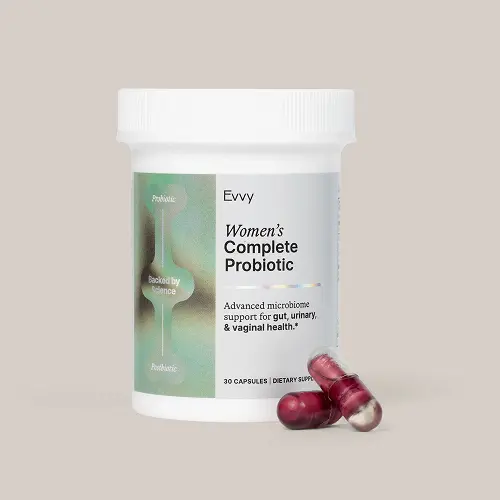
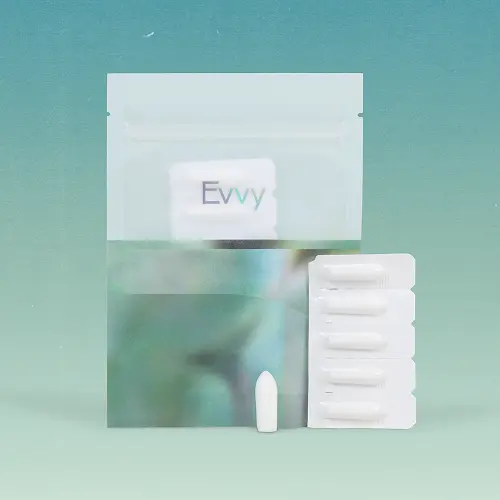
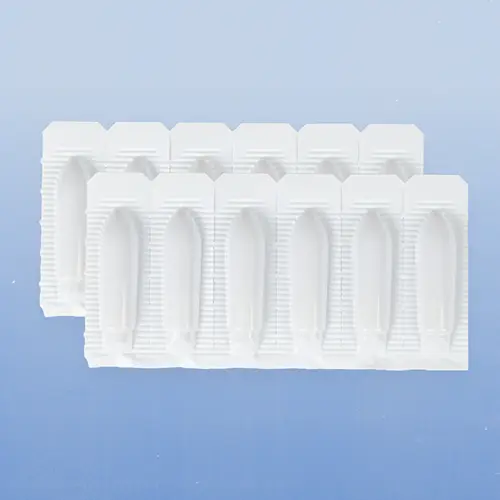
A product's shelf stability depends not only on how it was made but also on its formulation (the other ingredients it contains). Following the storage directions helps maintain the intended CFU levels and ensures you get the benefits you expect. For example, Evvy Women’s Complete Probiotic does not require refrigeration, while the Vaginal Probiotic Suppositories should be refrigerated to help them keep their shape and firmness.
High-quality probiotics will use delivery vehicles and packaging that help shield them from heat, moisture, humidity, and oxygen.
While expired probiotics aren't typically a cause for concern for healthy adults, there are times when it's a good idea to check in with a healthcare provider. If you notice any ongoing or worsening symptoms after taking a probiotic, or if you experience signs of infection or feel unwell overall, it's best to reach out for advice.
Also, if you're pregnant, have a weakened immune system, or are dealing with a serious health condition, it’s wise to consult a healthcare professional before continuing with expired probiotic supplements. They can help you decide whether you need a new product or whether your current one is still safe and effective for you.
If a probiotic is just slightly past its expiration date and has been stored properly, consuming expired probiotics is unlikely to make you sick. Most expired probiotics simply have fewer live bacteria, meaning they may not provide the full benefits for gut, vaginal, or urinary health. However, if the product shows signs of spoilage, such as a bad smell, moisture inside the bottle, broken or discolored capsules, or bulging packaging, it is best to discard it. Taking a degraded probiotic could cause mild digestive discomfort.
Probiotics are living organisms, so they naturally have a limited lifespan. If stored properly (in a sealed bottle), probiotics remain live and effective until the expiration or best-by date. The survival of bacteria depends on several factors, including the strain, formulation, and storage conditions. Refrigerated probiotics can often last longer, while shelf-stable products are formulated to resist heat and humidity but can degrade more quickly if exposed to moisture or direct sunlight. Even after the expiration date, some live bacteria may remain, but the total CFUs can drop below the levels needed to provide meaningful health benefits.
If a probiotic has been stored properly, it might still have some live bacteria even after its expiration date — typically for a few weeks to a few months, depending on the specific strain and formulation. However, the main thing to keep in mind is that the effectiveness may not be the same once it expires. Over time, the number of CFUs tends to decrease, so the probiotic might not provide the benefits you're looking for, such as supporting digestion, vaginal, or urinary health. To ensure you're getting the best results, it’s a good idea to replace any expired products with a fresh bottle.
Dead probiotics, sometimes called postbiotics, can’t colonize the gut, vagina, or urinary tract, so they don’t provide the same benefits as live bacteria. Some studies have shown that parts of these dead bacteria might have a little impact on your immune system or inflammation, but it’s not much. If you're looking to support your gut health, vaginal health, or urinary health, it's best to stick with live, active bacteria.
Most probiotics expire after 1 to 2 years, depending on the specific strains and formulation. After 2 years, CFU counts are likely to be significantly reduced, even if the capsules or powder appear fine. At this point, the number of live bacteria may be too low to provide meaningful health benefits. For reliable results, it is best to purchase a fresh bottle to maintain consistent support for gut, vaginal, or urinary health.
Refrigeration helps keep probiotic strains alive because heat, humidity, and sunlight can kill them. Shelf-stable probiotic supplements are designed to remain stable at room temperature, but they perform better when stored in a cool, dry place. Even shelf-stable products can spoil faster in warm or humid areas. It’s important to follow the specific storage instructions on the label.
A best-by date primarily refers to quality rather than safety, indicating the point at which the manufacturer guarantees the probiotic will retain its intended potency. A use-by date gives guidance on both safety and effectiveness, offering a more cautious recommendation. An expiration date is the manufacturer's best guess at how long the probiotic will keep its labeled CFU count when stored properly. After this date, the number of live bacteria might start to dip, which could affect how well it works, even if the product looks okay. To make sure you’re getting the most out of your probiotics, it's a good idea to pay attention to those dates and swap out any old bottles when needed.