CONGRATS! YOU EARNED FREE SHIPPING.

Product Title
1
$0
$0
Subscription Title

Looking kind of empty in here.
We recommend:
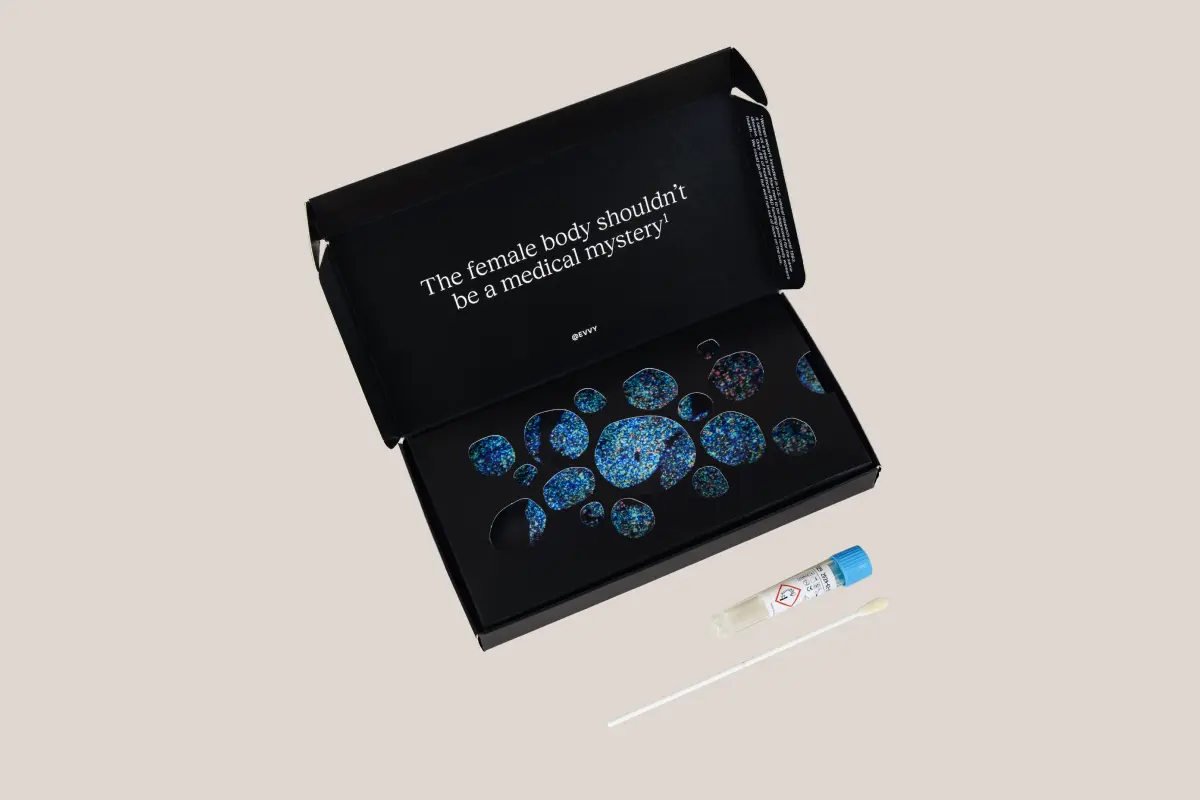
Get advanced insights into symptoms, fertility, and other health outcomes. Prelim results in 1-3 days.

Compare Evvy and Fertilysis on vaginal microbiome testing, fertility relevance, price, turnaround, and support after results to find the right fit.
Words by Olivia Cassano
Scientifically edited by Dr. Krystal Thomas-White, PhD
Medically reviewed by Dr. Kate McLean MD, MPH, FACOG
If you're trying to conceive (TTC) or just curious about your reproductive health, you'll quickly find there's no single test that covers everything. Hormone panels, ovarian reserve testing, imaging, semen analysis, genetic screening, microbiome testing — each looks at a different piece of a complex picture, and the answers you get depend entirely on which piece you're examining.
Vaginal microbiome tests like Evvy and Fertilysis are one of those pieces. They won't tell you whether your tubes are clear or what your ovarian reserve looks like, but research does associate the health of the vaginal microbiome with pregnancy outcomes, including implantation success and response to treatments like in vitro fertilization (IVF) and intrauterine insemination (IUI).
Keep reading to learn more about what each test actually analyzes, how relevant each one is to fertility, what price and out-of-pocket cost typically look like, how shipping and turnaround compare, and what kind of support you get once results land in your inbox.
Evvy's Vaginal Microbiome Test uses metagenomic sequencing, an approach that reads all the DNA in your sample rather than checking for a fixed list of microbes. That means it can identify bacteria and fungi that narrower tests are built to miss entirely. It's a strong fit if you have ongoing symptoms (vaginal odor, unusual discharge, irritation, recurring infections), have been told your tests are "normal" despite still feeling off, or just want a clear, comprehensive baseline of what's actually living in your vaginal microbiome. And because Evvy’s metagenomic sequencing casts a wider net than targeted panel tests, it’s also better placed to pick up microbiome imbalances and bacteria linked to fertility disruption (including some that traditional testing misses out entirely).
What you can expect from the results:
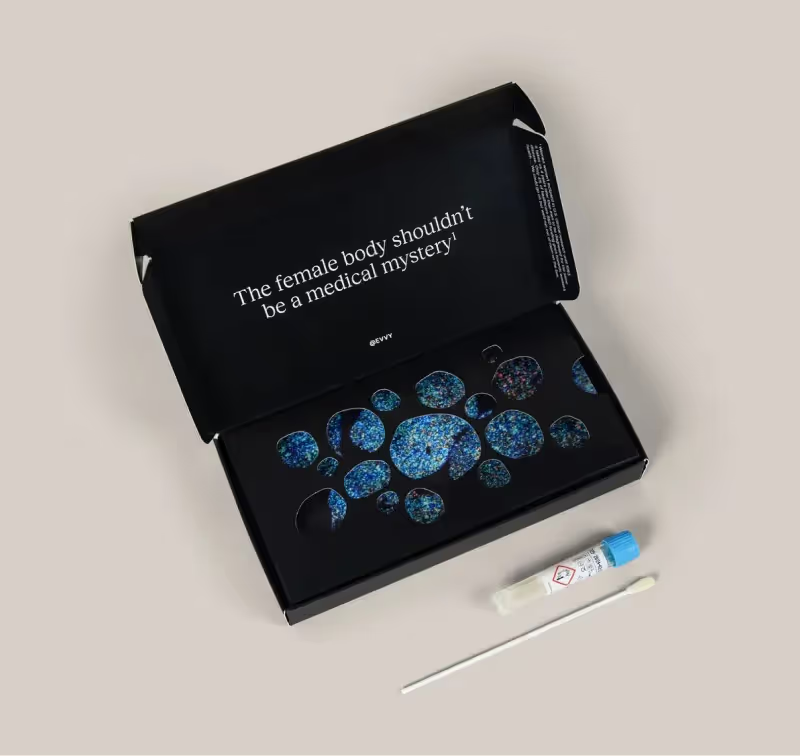
Recurrent symptoms? Get Evvy's at-home vaginal microbiome test, designed by leading OB-GYNs.
Rather than a single comprehensive test, Fertilysis offers several separate panels, each focusing on a different aspect of reproductive tract health. Here's what the three core tests relevant to the vaginal microbiome actually cover:
What you can typically expect from a Fertilysis panel:
For a comprehensive, unbiased picture of everything living in your vaginal microbiome, Evvy's Vaginal Microbiome Test gives you more breadth in a single swab. On the other hand, if you're interested in getting a complete picture of both the vaginal and endometrial microbiomes in one test, Fertilysis's Female Microbiome takes a broader approach. Each test offers unique insights tailored to different needs.
Evvy's Fertility Insights look at microbiome features that research has associated with fertility outcomes, including your Microbiome Diversity Score and the relative abundance of five bacteria linked in studies to implantation and IVF/IUI success. While it’s not a fertility diagnosis, it provides useful context on how your vaginal microbiome may be impacting your chances of conceiving.
When this still helps:
Fertilysis is specifically focused on reproductive and fertility-related questions, including infertility and recurrent pregnancy loss. Its Female Microbiome test assesses both the vaginal and endometrial microbiomes in a single test, while the separate Inflammation Index provides additional information about local inflammatory and immune activity.
Where it tends to fit:
For people seeking microbiome information as part of a fertility evaluation, Fertilysis's Female Microbiome test provides both vaginal and endometrial assessment in a single test. Evvy's Vaginal Microbiome Test takes a different approach, using a single vaginal swab and metagenomic sequencing to provide broad characterization of the vaginal microbiome, alongside Fertility Insights.
Test results are reviewed by a licensed healthcare provider and include a plan that connects what was found to your symptoms and outlines a concrete next step, whether that's a treatment option, a lifestyle adjustment, or a recommendation to retest after a set period. The goal is for you not to be left holding a report and guessing what it means.
Results come by email and typically include treatment suggestions you're expected to bring to your own doctor or fertility specialist, since prescribing isn't built into the same flow. Retesting after treatment is encouraged, and a paid follow-up consultation is available if you want help interpreting results directly with the Fertilysis team.
Evvy's clinician-reviewed plan is built to answer "what do I do next?" on its own, while Fertilysis results generally need a separate conversation with a provider to become actionable.
Every test includes a free 1:1 call with a certified health coach to walk through your results, plus the option to connect with an Evvy-affiliated provider for prescription treatment if you're eligible. Retesting is built into the platform so you can track whether treatment worked.
Support is available by email, and a paid consultation can be added if you want a deeper discussion of your results. The team can also liaise with your fertility specialist if requested, but the default path is to take your results to your own provider rather than receive treatment directly through Fertilysis in most cases.
Evvy has more built-in clinical support as standard. Fertilysis's support is available, but mostly opt-in and email-based (and often at an added cost).
The right choice depends on what you want to learn from microbiome testing, but for people primarily looking for broad vaginal microbiome insights, Evvy offers a simpler, lower-cost starting point.
Evvy's Vaginal Microbiome Test uses a single vaginal swab and metagenomic sequencing to analyze 700+ bacteria and fungi, including those associated with fertility outcomes. Evvy also offers clinician-reviewed results, 1:1 coaching, and prescription treatment where eligible. The test is HSA/FSA-reimbursable in the US, and results are typically available within 7-10 business days.
Cost is another factor. Evvy’s Vaginal Microbiome Test is $159 for a one-time test ($129 per test with membership), while Fertilysis's Vaginal Microbiome Test costs ~$390. Fertilysis also offers its ~$780 Female Microbiome test, but that is a broader offering that combines vaginal and endometrial microbiome assessment and therefore isn't a direct like-for-like comparison with Evvy's vaginal-only test. The overall testing experience also differs. Evvy's test requires one vaginal swab, while Fertilysis's Female Microbiome requires menstrual blood plus two vaginal swabs.
And since Fertilysis ships from Greece, the kit delivery and sample return journey adds meaningful time to the overall turnaround before you even factor in processing. Fertilysis also offers a FastTrack option for 5 working days from sample receipt, at an additional cost.
Fertilysis's panels are built for a specific clinical context (unexplained infertility, chronic endometritis, recurrent pregnancy complications), but if you're already working with a fertility clinic at that stage, your care team will likely order those investigations directly. For most people wanting to understand their vaginal microbiome, get actionable results quickly, and have real support built in from the start, Evvy covers more ground with less friction.
Just remember that whichever you choose, vaginal microbiome testing is one piece of a bigger picture. Pair it with the hormone testing, imaging, and clinical guidance your provider recommends.

It depends on what you need. Evvy's metagenomic sequencing gives a broader, more comprehensive read on your vaginal microbiome — covering everything from recurring symptoms to dedicated Fertility Insights — making it the stronger all-round option for most people. Fertilysis is more narrowly focused on targeted infection detection in specific clinical scenarios, so it works best as part of a structured fertility investigation rather than as a standalone starting point.
For vaginal microbiome analysis, Evvy's metagenomic sequencing gives you a more comprehensive picture. It reads all the DNA in your sample rather than screening for a fixed list of targets, which means it can detect microbiome imbalances that more narrowly focused tests are built to miss. That broader detection matters for fertility too. Evvy's Fertility Insights flag the specific microbiome factors research has linked to implantation success and IVF/IUI response, all from a single swab. Fertilysis's panels are designed for a specific clinical context (unexplained infertility, recurrent pregnancy loss), but if you're at that stage, your fertility clinic will typically run those investigations directly. Neither test replaces hormone testing, imaging, or a clinician's diagnosis.
Evvy tends to be the better fit here. Its comprehensive detection, plus a provider-reviewed plan and retesting strategy, is designed to track recurring issues like BV or yeast infections over time, with support included rather than arranged separately.
If you're already working with a fertility clinic, both tests could potentially complement your workup. Evvy's Fertility Insights and comprehensive microbiome data are a useful addition to any clinical conversation, and Fertilysis's panels are designed to slot into that same context. That said, your clinic will often order similar investigations directly, so it's worth checking what's already included in your care plan before spending on either independently.