CONGRATS! YOU EARNED FREE SHIPPING.

Product Title
1
$0
$0
Subscription Title

Looking kind of empty in here.
We recommend:
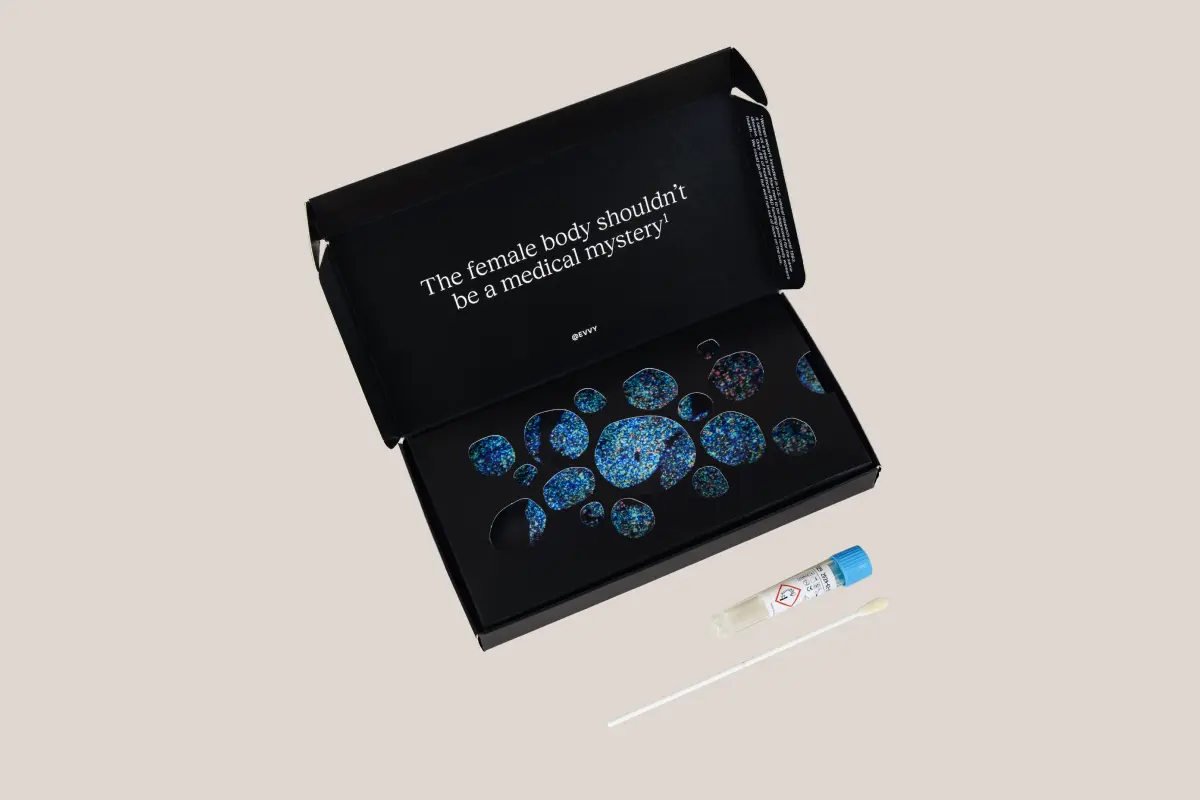
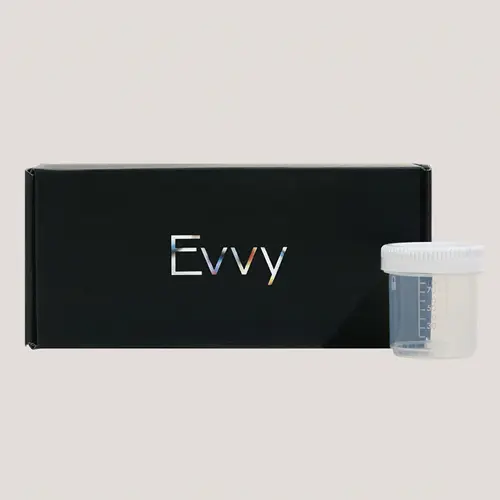
Get advanced insights into symptoms, fertility, and other health outcomes. Prelim results in 1-3 days.
Cotton, modal, or bamboo? Learn what underwear actually protects vaginal health, what doesn't, and when to look past your underwear drawer.
Words by Olivia Cassano
Scientifically edited by Dr. Krystal Thomas-White, PhD
Medically reviewed by Dr. Kate McLean MD, MPH, FACOG
You may not give much thought to your underwear choice beyond the style or whether it'll show panty lines, but what if we told you it could impact your vaginal health?
If you're trying to figure out the best everyday choice, breathable, natural fabrics with a cotton gusset are the underwear least likely to trap heat and moisture against your vulva. Synthetic fabrics like nylon and polyester don't breathe as well, which can create a warmer, damper environment down there.
But before you toss every pair of synthetic underwear you own, you should know that fabric is one variable among many, and it's rarely the deciding one. Underwear touches your vulva, the external skin, not your vagina, where your microbiome actually lives. If you're dealing with recurrent bacterial vaginosis (BV) or yeast infections, the underlying cause is almost always something else — your vaginal microbiome's bacterial balance, hormones, sexual activity, or hygiene habits — with underwear playing, at most, a supporting role.
This guide breaks down what the research actually says about fabric, fit, and vaginal health, and where underwear ranks among the real risk factors for BV and yeast infections.
Underwear sits directly against your vulva for most of your waking (and sleeping) hours, so it's reasonable to wonder whether it affects your vaginal health. The honest answer is: a little, indirectly, and mostly through moisture and airflow rather than anything more direct.
What underwear can influence is the microclimate around your vulva, i.e., how warm, humid, or breathable that environment is. Non-breathable, synthetic fabrics can trap sweat and moisture in the groin area, which may raise the risk of vulvovaginal irritation and infection over time.
What underwear can't do is reach inside your vagina and affect its bacterial ecosystem. Your vaginal microbiome — the community of bacteria, mostly Lactobacillus species, that keeps your vaginal pH acidic and protective — is influenced by factors such as hormones, sexual activity, your immune system, and your overall health. Fabric choice isn't on that list of primary drivers.

Recurrent symptoms? Get Evvy's at-home vaginal microbiome test, designed by leading OB-GYNs.
Although most people use these terms interchangeably, the difference between vulva and vagina matters because the distinction changes what underwear can realistically do for you. Your vulva is the external genital area — labia, clitoral hood, vaginal opening — and it's the part of you that's actually in contact with your underwear all day. Your vagina is the internal canal, home to a self-regulating microbiome that maintains its own acidic pH, largely independent of what's happening on the skin outside it.
Breathable underwear can genuinely help keep vulvar skin comfortable, reduce chafing, and limit the kind of warm, damp environment that irritated skin dislikes. What it doesn't do is directly treat or prevent a vaginal microbiome imbalance like BV, because that imbalance develops inside a self-contained ecosystem your underwear never touches.
Warmth and moisture matter because bacteria and yeast generally thrive in damp, low-oxygen conditions. Fabrics like nylon and polyester absorb less sweat than cotton and can retain it close to the skin, creating a warmer, more humid microenvironment in the groin. Over hours of wear, that dampness can linger, particularly around skin folds where the underwear sits snugly.
This matters more for vulvar comfort and irritation (think chafing, folliculitis, or vulvar itchiness) than for your internal vaginal pH, which is buffered by your own microbiome rather than ambient moisture. Still, a chronically damp environment isn't doing your vulva any favors and may contribute to recurrent vulvovaginal symptoms in some people. That’s why it’s recommended to change out of sweaty or wet underwear (or workout clothes) reasonably promptly, and lean toward fabrics that dry faster and breathe better for all-day wear.
There's no single fabric clinically proven to prevent infection, but providers typically recommend wearing underwear made of natural, breathable fibers rather than synthetic ones, especially for everyday wear. Here's how the main options compare.
Cotton is the most consistently recommended fabric for everyday underwear because it’s naturally porous, breathable, and better at absorbing moisture than synthetic alternatives, which helps reduce the sweat and humidity that build up against the skin.
It's also widely available, affordable, machine-washable at high heat (useful if you're managing recurrent symptoms and want to kill off bacteria in the wash), and unlikely to trigger contact irritation in people with sensitive skin.
Modal and bamboo-derived fabrics (technically a form of rayon or viscose once processed) are semi-synthetic, made from wood pulp or bamboo fiber but chemically treated into a soft, silky textile. They're often marketed as a breathable, moisture-wicking alternative to cotton, and many people find them more comfortable against the skin.
There isn't much clinical research specifically testing bamboo or modal underwear against vaginal infection rates, but they’re a reasonable, breathable option rather than a proven upgrade over cotton — a comfortable middle ground rather than a medical necessity.
Merino wool has natural moisture-wicking and temperature-regulating properties, which is part of why it's popular in performance and outdoor clothing. Some underwear brands market it for its breathability and natural antimicrobial qualities.
As with modal and bamboo, there isn't dedicated clinical research on merino wool underwear and vaginal infection risk specifically, but, as a natural, breathable fiber, it aligns with the general principles dermatologists and gynecologists recommend.
Synthetic fabrics like nylon, polyester, and spandex are common in shapewear, seamless underwear, and athletic styles because they stretch, hold their shape, and dry quickly after washing. The tradeoff is breathability: these fabrics don't absorb moisture well and can trap heat against the vulva rather than letting it escape, which may increase the risk of reproductive tract infections.
A few studies have also flagged tight synthetic clothing more broadly as a potential contributing factor to vaginitis, though nothing has looked at underwear fabric on its own closely enough to say whether it's the fabric itself causing infections, or something else going on alongside it.
That doesn't mean synthetic underwear is off-limits. Because they're silky and low-friction against the skin, nylon and spandex can actually be a good option during workouts. Less rubbing means less irritation, which is especially helpful if you're dealing with vaginal or vulvar dryness. The key is to change out of damp synthetic materials and into clean underwear as soon as you're done exercising, rather than staying in them for hours, and to reach for cotton as your everyday, all-day option.
The research here is more mixed than the popular narrative suggests. For years, thongs were widely blamed for BV and urinary tract infections (UTIs), based on the idea that a narrow strip of fabric could more easily transfer bacteria from the anus toward the vagina and urethra. But the newer evidence doesn't hold up.
One frequently cited study found that thong-wearers reported more UTIs, yeast infections, and BV than non-thong-wearers. But when researchers looked closer, the UTI association tracked with oral sex, and the BV association tracked with non-cotton crotch fabric, not with the thong shape itself. Other research examining string underwear specifically found no measurable differences in vulvar skin microclimate, pH, or aerobic microflora across underwear styles. Current evidence doesn’t show that wearing thongs regularly increases the risk of yeast infections, BV, or UTIs. However, doctors often recommend wearing looser and more breathable underwear for people who have recurring symptoms (out of an abundance of caution).
If you're not having recurrent symptoms, there's little evidence you need to change your underwear style based on shape alone. If you are dealing with recurrent irritation or infections, your OB-GYN may still suggest looser, breathable styles as a small, low-effort adjustment, while also investigating the bigger contributing factors.
No, underwear alone is very unlikely to cause BV or a yeast infection. Both conditions stem from a shift inside your vaginal microbiome — either an overgrowth of anaerobic bacteria displacing protective Lactobacillus (BV) or an overgrowth of Candida yeast (yeast infection) — and the strongest, most consistently documented risk factors sit well above fabric choice on the list.
For BV specifically, research points to factors like douching, having a new or multiple sexual partners, inconsistent condom use, smoking, and a vaginal microbiome that isn't dominated by protective Lactobacillus species to begin with.
Yeast infections are often triggered by antibiotic use (which wipes out protective bacteria along with the infection it's treating), hormonal shifts (pregnancy, birth control, your menstrual cycle), uncontrolled blood sugar, and a compromised immune system. Again, none of which live in your underwear drawer.
So where does underwear actually rank? As a minor, indirect contributor (mostly through moisture and heat retention rather than any direct mechanism), sitting well below sexual activity, hygiene practices like douching, antibiotics, hormones, and the baseline state of your vaginal microbiome.
If you're getting recurrent infections and have already switched to all-cotton underwear with no improvement, that's a strong hint that the real driver is internal, not in your laundry basket.
Period underwear is generally fine to wear during your period. It's designed with layered fabric specifically to manage flow, and reputable brands test for both absorbency and breathability. The main thing to watch is wear time. Period underwear should be changed roughly as often as you'd change a pad, not worn for a full 24 hours regardless of flow, since prolonged dampness against the skin is exactly the kind of environment that can bother sensitive vulvar tissue.
Daily panty liners are a different story. Vaginal discharge is a normal, healthy, self-cleaning function — it's your vagina's way of clearing out old cells and maintaining its microbiome — and most OB-GYNs don't recommend wearing liners every single day just to manage normal discharge. Daily liner use can trap moisture and heat against the vulva in the same way synthetic fibers can, and for some people, the liners themselves (particularly scented ones or ones with a plastic backing) are a source of irritation rather than a solution to one. If your discharge has changed in color, texture, or smell, that's worth mentioning to a doctor or checking with a microbiome test, not something to just manage quietly with a liner.
If you've already swapped every pair of underwear for 100% cotton and you're still getting BV, yeast infections, or unexplained irritation, it's time to look past your underwear drawer. Fabric can make your vulva a little more or less comfortable, but it doesn't change what's happening inside your vagina, and recurrent symptoms are almost always a sign of an underlying vaginal microbiome imbalance.
This is where testing your vaginal microbiome directly, rather than guessing based on symptoms or wardrobe changes, makes the difference. Evvy's Vaginal Microbiome Test uses metagenomic sequencing to identify exactly which bacteria (and how much of each) are present in your vagina, so you and your provider can see what's actually driving your symptoms, rather than continuing to troubleshoot with underwear swaps that were never going to fix an internal imbalance in the first place.
Most gynecologists recommend breathable, natural fabrics like cotton for everyday wear, since cotton absorbs moisture and allows better airflow than synthetic fabrics like nylon or polyester. Beyond fabric, they generally advise changing underwear daily, avoiding prolonged wear of damp or sweaty underwear, and choosing whatever fit is comfortable, since style has much less research support as a risk factor than fabric does.
The healthiest everyday choice is breathable, natural-fiber underwear with a cotton crotch panel — cotton itself, or a cotton-gusseted blend of modal, bamboo, or another soft natural fiber. What matters most is that the fabric against your vulva can absorb moisture and let air circulate, rather than trapping heat and sweat for hours at a time.
No underwear can prevent BV, because BV develops from an internal shift in your vaginal microbiome rather than from anything happening on your skin's surface. The bacteria associated with BV can indeed thrive in moist conditions, like damp underwear — but that doesn't mean breathable fabric will prevent BV from developing. Breathable cotton underwear is a reasonable, low-effort choice that supports vulvar comfort, but the factors with the strongest research links to BV are sexual activity, douching, and the baseline health of your vaginal microbiome (not fabric).
You don't need to throw away underwear because of a BV diagnosis. Washing underwear in hot water with a regular detergent is generally enough to remove bacteria, and BV itself isn't caused by bacteria living in your underwear. If you want extra peace of mind, washing on a hot cycle and fully drying underwear before wearing it again is a reasonable habit, but it's not a medical necessity for treating or preventing BV.
Yes, OB-GYNs generally view bamboo underwear as a safe, breathable option. That said, cotton is still the gold standard and the go-to recommendation for intimate health. Most commercial bamboo fabric is actually a semi-synthetic rayon or viscose, processed with harsh chemicals to get that silky feel, so it doesn't have the same clinical research backing as pure cotton. Bamboo is a perfectly good option if you love how it feels, but if you're picking underwear specifically to support vaginal health, cotton is the safer bet.
Breathable natural fibers like cotton, modal, and bamboo are best for managing everyday odor, since they allow excess moisture and sweat to evaporate rather than sit against the skin, where trapped dampness and bacteria can contribute to odor. If you find that odor is strong, persistent, or comes with other symptoms like unusual discharge or irritation, it might be a sign of a change in your vaginal microbiome. In that case, it’s a good idea to speak with a healthcare provider or consider a microbiome test instead of just relying on fabric choices.
Recent research suggests that thongs aren't directly responsible for issues like BV, yeast infections, or UTIs. It turns out that earlier links were more about the type of fabric and sexual activity rather than the thong design itself. If you tend to experience irritation, trying a looser, breathable style with a cotton gusset might be a more comfortable choice. However, if thongs don’t bother you, there’s no real reason to steer clear of them.
Yes, laundry detergent, especially formulas with strong scents or lots of dyes, can irritate the delicate skin in the vulvar area, since residue can linger in fabric even after rinsing. This is especially triggering if you have sensitive skin, are prone to contact dermatitis, or live with a skin condition like lichen planus or lichen sclerosus. If you're experiencing any unexplained itching, redness, or irritation, it might be worth trying a fragrance-free and dye-free detergent for your underwear. Avoiding fabric softeners and adding an extra rinse cycle can help too.