CONGRATS! YOU EARNED FREE SHIPPING.

Product Title
1
$0
$0
Subscription Title

Looking kind of empty in here.
We recommend:
Get advanced insights into symptoms, fertility, and other health outcomes. Prelim results in 1-3 days.

How long to wait for sex after estrogen cream? Learn safe timing, absorption, and partner transfer risks, plus tips to reduce exposure while staying sexually active.
Words by Olivia Cassano
Scientifically edited by Dr. Krystal Thomas-White, PhD
Medically reviewed by Dr. Kate McLean MD, MPH, FACOG
If you’re using vaginal estrogen cream for painful sex during menopause (often caused by genitourinary syndrome of menopause, or GSM), it really helps to know how to use the cream when you’re still sexually active.
It’s recommended to wait at least 60 minutes after applying estrogen cream before sex to minimize hormone transfer to a partner. Waiting matters for two big reasons. First, it gives the medication time to move into your vaginal canal, where it does its job. Second, it reduces the amount of estrogen left on the surface that could transfer to your partner during skin-to-skin contact.
There isn’t an official waiting period in the Food and Drug Administration’s (FDA) labeling for vaginal estradiol cream, but studies of transdermal estradiol gel show that transfer drops a lot after about an hour of drying time, and providers use that as a reasonable precaution for vaginal creams, too.
To help both you and your partner, it's best to time your dose away from sex. Based on available evidence, it’s recommended to wait a minimum of one hour after applying vaginal estrogen cream before having sex to reduce the chance of estradiol transferring to your partner.
This guidance isn’t spelled out in FDA labeling for vaginal creams, but it’s supported by research on topical estradiol gel on external skin, which shows that hormone transfer drops significantly after 60 minutes of contact-free time. Until we have cream-specific studies with clear cutoffs, the one-hour rule is a practical, precautionary standard many clinicians use.
The vaginal lining quickly absorbs vaginal estrogen, but some can remain, particularly near the vaginal opening, right after you apply it. Having sex too soon can do two things: it can increase the chance of passing the estrogen to your partner, and it can lower the amount of estrogen your body absorbs, which might reduce relief from your symptoms.
Many people apply cream at bedtime. If you’re likely to have sex in the evening, applying vaginal estrogen earlier keeps things simple. If spontaneity is part of your vibe, waiting an hour is usually enough; if you want extra margin to reduce residue further, spacing sex a few hours after dosing (or dosing after sex) is even more conservative. The American College of Obstetricians and Gynecologists advises applying vaginal estrogen after intercourse to minimize partner exposure, acknowledging that data on transfer are limited.
Recurrent symptoms? Get Evvy's at-home vaginal microbiome test, designed by leading OB-GYNs.
When we say the cream is “absorbed,” we mean that estradiol has moved through the vaginal tissue into the nearby layers and bloodstream. This is when it can begin to work on the vaginal lining. It’s important to note that “absorbed” doesn’t mean the vagina is completely free of residue. A small amount of cream may still be near the opening for some time after you apply it.
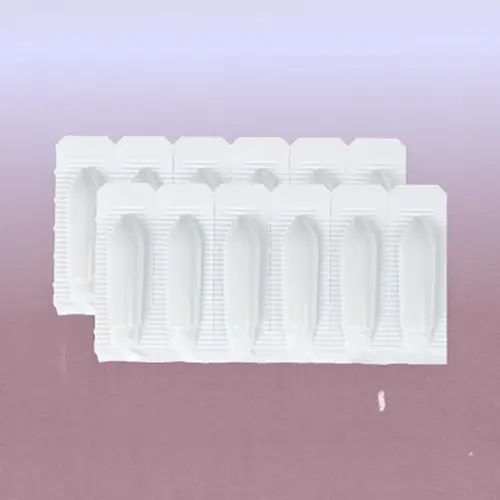
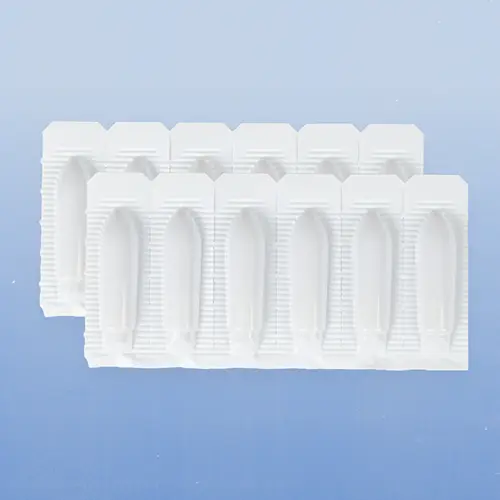
Topical vaginal estrogen comes in various forms, such as creams, tablets, softgel inserts, and rings, so absorption time is fairly consistent. Usually, though, peak levels of estradiol (or estriol, depending on what you use) show up in your bloodstream about one to two hours after you take it. After that, the levels gradually decrease back to normal over the next 12 to 24 hours.
The quick absorption is good for relieving symptoms, but this is also when there is the most chance of leftover product on the surface. That’s why it’s best to wait at least an hour before having sex. Everyone’s body and the specific product used can affect timing, so think of one to two hours as a common timeframe for absorption, not a strict limit for residue.
Yes, small amounts of vaginal estrogen cream can transfer to your partner during intercourse, especially if it happens soon after application.
Transfer happens when estradiol comes into contact with your partner's skin during sex. Research has found that male partners may experience slight, temporary increases in estradiol levels after intimate moments with someone using this cream. Luckily, these increases usually remain within the normal range for men and haven’t been associated with any immediate negative effects. However, since the long-term effects of repeated exposure aren't fully understood, healthcare providers recommend taking some simple precautions, like applying cream after sex.
If you’re frequently sexually active and worried about residue, talk with your prescriber about lower-residue options like vaginal tablets or rings, which tend to leave less product near the opening.
For most couples, occasional exposure to estrogen during intimacy is generally considered safe and unlikely to cause any issues. Some estrogen can get absorbed through penile skin during intercourse, and while small studies have found a slight increase in men’s systemic estrogen levels afterward, they usually stay within the normal range. So far, short-term exposure hasn’t shown any clear health problems.
However, if there's frequent or long-term exposure, there’s a small chance of experiencing mild hormonal effects such as breast tenderness, changes in libido, or shifts in sperm quality. Since this hasn’t been extensively studied, the focus is on reducing transfer rather than worrying about rare or unproven side effects. If your partner starts to notice any changes like breast tenderness, differences in erections or libido, or other new symptoms, it might be a good idea for them to mention your use of vaginal estrogen therapy when they speak with their provider.
For healthy partners, the risk of side effects is quite low, but extra caution is wise if they have certain hormone-sensitive conditions (like some prostate cancers), serious liver issues, or are undergoing hormone therapy. In those cases, timing doses away from sex or opting for products that leave less residue can help minimize any risks.
Condoms can reduce partner contact with residue, but they don’t replace the benefits of waiting at least 60 minutes so the medication has time to absorb and do its job for you.
The FDA labeling for vaginal estrogen creams doesn't provide specific guidance on the timing of condom use or hormone transfer during sex. Research indicates that having intercourse shortly after applying the cream may increase transfer and decrease absorption. However, there haven't been any studies to explore if using condoms affects that process.
Condoms largely prevent skin-to-skin transfer of any cream that’s still present near the vagina. That’s good news for partner exposure. However, some creams can affect latex barriers (by weakening them over time), so timing and barrier choice matter. If you rely on condoms for STI or pregnancy prevention, it’s smart to check your product insert and consider polyurethane condoms if you’re concerned about compatibility with oils or creams.
Ideally, you should aim to space the application as far away from intercourse as possible. If you can’t, wait at least 60 minutes. This is because men absorb vaginal estradiol during intercourse, whereas intercourse reduces estradiol absorption in women. Waiting at least an hour gives the estradiol cream enough time to be absorbed into the vaginal lining and reduces the risk of transferring the hormones to your partner during sex.
Absorption into the vagina happens quickly, with peak levels around one to two hours for most products. “Absorbed” doesn’t mean every bit of cream is gone from the vagina, though — some residue can remain shortly after dosing. That’s why the one-hour wait is about reducing surface residue and transfer, not about when the medication starts working.
Yes, a little bit can transfer, especially if you have sex shortly after applying. Some studies have even shown that male partners can experience mild, temporary increases in estradiol levels after sex. These levels generally stay within the normal range for men, and short-term exposure hasn’t been linked to any noticeable harm. While the amount of estrogen transferred is typically minimal and unlikely to cause significant hormonal effects, having a partner wash after sex can minimize any risk.
Occasional exposure to estrogen cream is usually safe for healthy partners. However, frequent exposure could possibly cause mild hormonal effects, even though this hasn't been studied much. Partners with hormone-sensitive conditions should be especially careful. If your partner experiences new symptoms, such as breast tenderness or changes in libido, they should talk to a provider.
For many people, yes, but indirectly. A decline in estrogen levels after menopause can lead to changes in the skin of the vagina, urethra, and vulva, known as the genitourinary syndrome of menopause. It's estimated that 60 percent or more of postmenopausal women will experience some form of sexual dysfunction, including low libido and vaginal dryness. Vaginal estrogen helps restore the vaginal lining and can reduce vaginal dryness, burning, and pain with sex over time. That often makes sex more comfortable and enjoyable. It’s not an instant libido booster, but improving comfort can make sex more pleasurable — which can positively affect sexual desire over time.
If you're using cream for treatment, it's a good idea to wait a bit after applying it before having sexual intercourse. Doing so helps make sure you've fully absorbed the full amount of estrogen, so you can really benefit from the medication.
Estrogen helps keep the vagina's lubrication, thickness, and elasticity, and less estrogen often means less moisture in the vagina. It’s not a sexual lubricant (and shouldn’t be used as one), but with regular use, many people find that they experience less vaginal dryness and enjoy more comfortable natural moisture when they're feeling aroused.






.avif)