CONGRATS! YOU EARNED FREE SHIPPING.

Product Title
1
$0
$0
Subscription Title

Looking kind of empty in here.
We recommend:
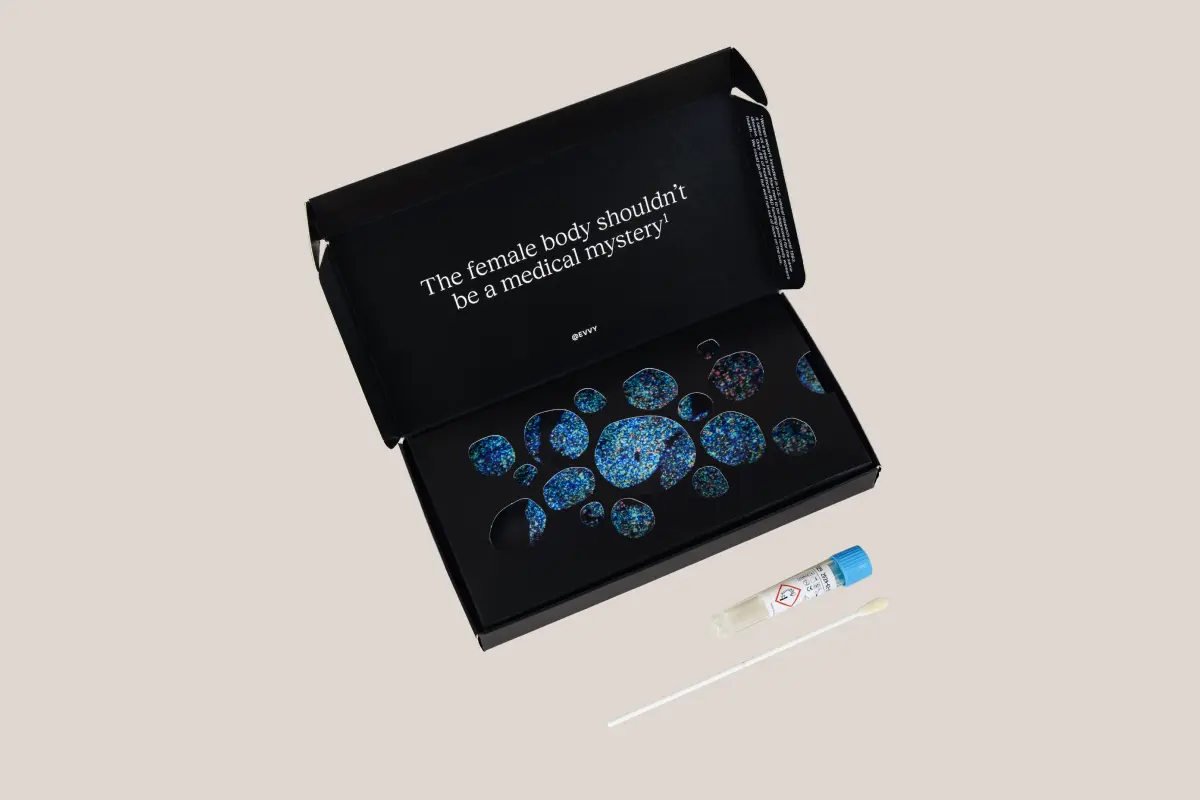
Get advanced insights into symptoms, fertility, and other health outcomes. Prelim results in 1-3 days.

Vaginal dryness during menopause is common but treatable. Learn what causes it and compare moisturizers, lubricants, DHEA, and vaginal estrogen options.
Words by Olivia Cassano
Scientifically edited by Dana Alloy
Medically reviewed by Dr. Christine Vo, MD
Along with hot flashes and mood swings, vaginal dryness is a hallmark symptom of menopause. It can happen at any age, but it becomes much more common during perimenopause and after menopause. A large number of people in these stages (often more than half) experience some level of vaginal dryness.
As estrogen levels drop, the vaginal tissue becomes thinner, less elastic, and less able to stay naturally lubricated. Blood flow to the area decreases, and the vaginal pH and microbiome shift, which can make dryness even more noticeable.
Vaginal dryness can have a real impact on your quality of life. It can make sex uncomfortable or painful, and even simple daily activities like walking, exercising, or using a tampon can cause irritation.
Menopause may be inevitable, but its symptoms don’t have to take over your life. There are several safe, effective treatments for vaginal dryness. Below, we’ll explain why dryness happens, walk through the best evidence-based options — from moisturizers and lubricants to prescription treatments like vaginal DHEA and topical estrogen — and show how Evvy’s Estradiol Vaginal Cream fits in as a longer-lasting prescription choice for people whose symptoms go beyond what over-the-counter products can manage.
Hormonal changes, especially the decline in estrogen levels, play a significant role in the development of vaginal dryness (sometimes referred to as vaginal atrophy). Estrogen is crucial for maintaining the health and thickness of vaginal tissues. When estrogen levels drop, the vaginal tissues become thinner, less elastic, and more prone to dryness.
Other causes of vaginal dryness include:
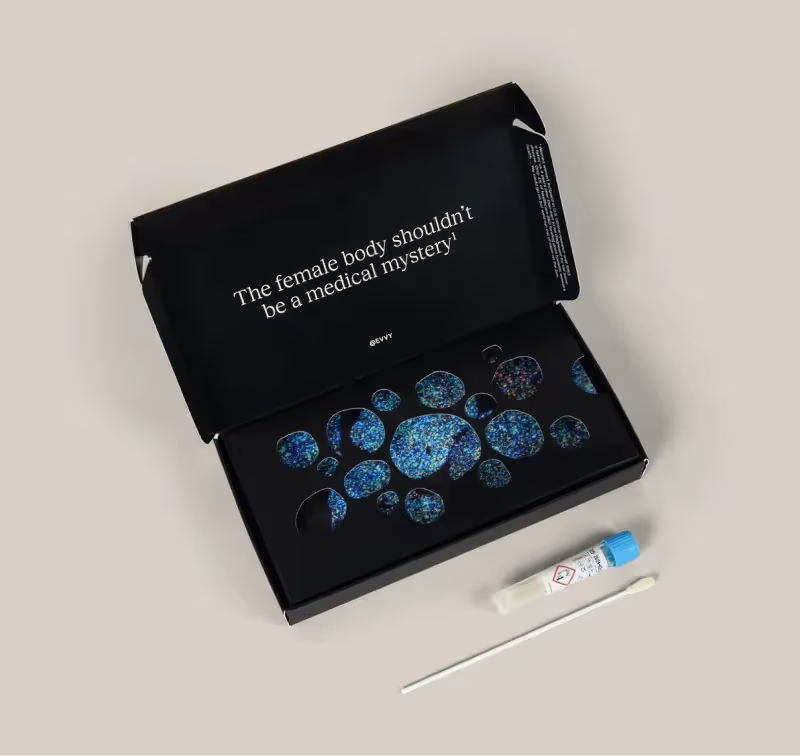
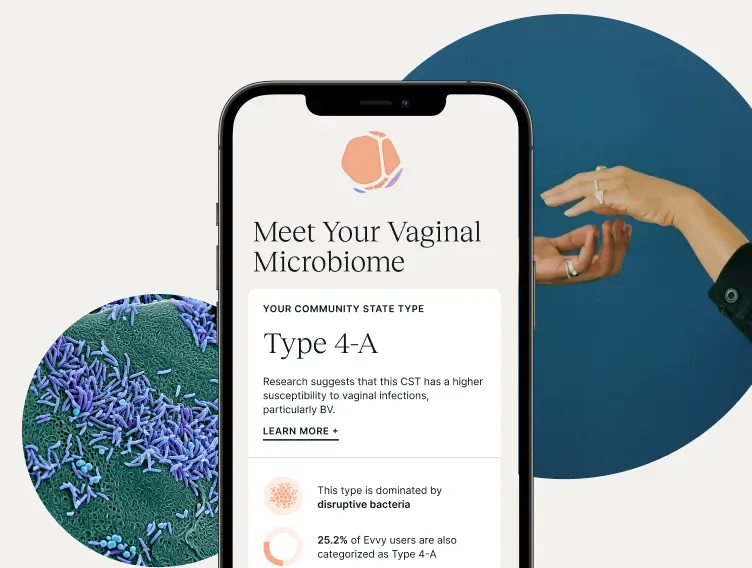
Recurrent symptoms? Get Evvy's at-home vaginal microbiome test, designed by leading OB-GYNs.
Although it’s referred to as “dryness,” it can show up as itching, irritation, and pain during sex. Many people also describe a feeling of burning in and around the vagina.
As estrogen levels decline, the vaginal tissues become thinner, less elastic, and less able to stay moist. Blood flow decreases, and the vaginal pH and microbiome shift, which can lead to more irritation and discomfort. Because of these changes, some people may notice pain with sex, more frequent urinary tract infections (UTIs), and even burning or stinging when they pee.
It’s worth noting that these symptoms aren't limited to life after menopause. Vaginal dryness can start in perimenopause (the transition years before your periods fully stop) when hormone levels first begin to fluctuate.
Vaginal dryness is one of several genitourinary symptoms that can happen during this time. Together, these symptoms are known as genitourinary syndrome of menopause (GSM).
Research suggests 65-84% of menopausal women suffer from genitourinary syndrome in menopause; however, many don’t receive adequate treatment.
According to the 2012 Vaginal Health: Insights, Views & Attitudes (VIVA) survey of 3,520 postmenopausal women, 75% of respondents said that vaginal atrophy negatively impacted their lives, 32% said it affected their overall quality of life, and 21% said it affected how attractive they felt.
Wondering if you’re experiencing vaginal dryness or not? Given the lack of education on these topics, that’s unfortunately pretty common. Only you know how your vagina is supposed to feel (it should feel good!), and everyone will experience vaginal dryness differently. However, there may be a few indicators that you are experiencing this vaginal symptom:
These symptoms can often be caused by other factors or conditions, but if you notice one or more of them in addition to other menopausal symptoms, reach out to your OB-GYN or healthcare provider.
Diagnosing vaginal dryness typically involves a physical examination, a review of your medical history, and possibly some laboratory tests to rule out other conditions. Your healthcare provider may also perform a pelvic exam to assess the condition of your vaginal tissues and check for any abnormalities. If you notice any of these symptoms, it’s important to consult with your healthcare provider to get an accurate diagnosis and appropriate treatment.
They may recommend treatments such as vaginal estrogen cream or an over-the-counter vaginal moisturizer to help restore moisture and elasticity to the vaginal tissues.
Vaginal dryness can feel like the icing on top of the cake when you’re experiencing other uncomfortable symptoms (ahem, hot flashes). The good news is, there are several effective treatments for vaginal dryness in menopause. One effective treatment option is vaginal estrogen cream, which can help restore moisture and elasticity to the vaginal tissues. The best way to figure out which treatment option works best for your body, symptoms, and lifestyle is to speak with your OBGYN or healthcare provider. That being said, we put together a list of treatments below so you can feel well-informed when you have that conversation with your doctor.
Hormone replacement therapy (HRT) is a prescription medication that contains either synthetic or bioidentical versions of the reproductive hormones estrogen and progesterone. HRT can be taken in the form of pills, gels, or patches.
Systemic HRT supplies hormones to the entire body, so it’s most likely you’ll be prescribed HRT to also treat other menopause symptoms, such as hot flashes. Not everyone can take HRT, so it may not be the best option for you. HRT isn’t recommended if you have a history of:
Vaginal estrogen therapy provides a low, local dose of estrogen directly to the vaginal tissue. It’s available as vaginal suppositories, creams, or rings. Most people start by using vaginal estrogen daily for a few weeks, then shift to a twice-weekly maintenance routine. It can take a few months to feel the full benefits, but many notice improvement earlier.
Because vaginal estrogen works locally — right where the dryness and irritation occur — it usually causes fewer side effects than systemic HRT, which affects the whole body.
Evvy’s Estradiol Vaginal Cream is one of these prescription local estrogen options. It’s designed to replenish estrogen directly in the vaginal tissue, helping rebuild moisture, thickness, and elasticity. For many people, it provides more sustained relief from dryness, itching, and pain with sex than over-the-counter moisturizers or lubricants alone, especially if symptoms are moderate, persistent, or part of broader GSM.
In addition to vaginal estrogen, there is a range of vaginal moisturizers and lubricants that don’t contain estrogen but can keep your vagina hydrated.
Moisturizers, like hyaluronic acid, are used to relieve daily discomfort, while vaginal lubricants are used during intercourse to reduce friction and ease penetration and make sex more pleasurable (that’s true even if you don’t experience vaginal dryness, BTW.)
Vaginal lubricants and moisturizers are a great alternative if you can’t (or don’t want to) take hormone therapies. Just make sure you’re opting for a moisturizer or lubricant that has a pH similar to the vaginal pH (between 3.8-4.5) and doesn’t contain ingredients that can disrupt the vaginal microbiome.
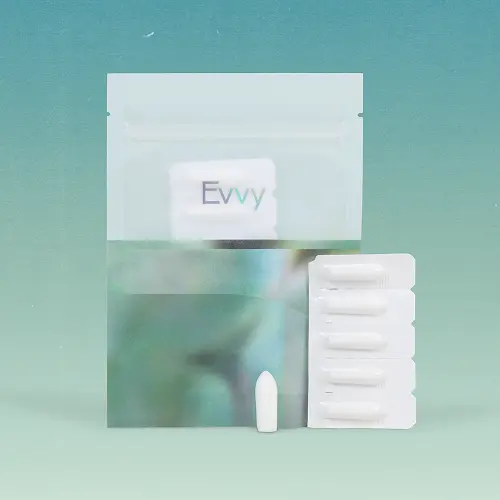
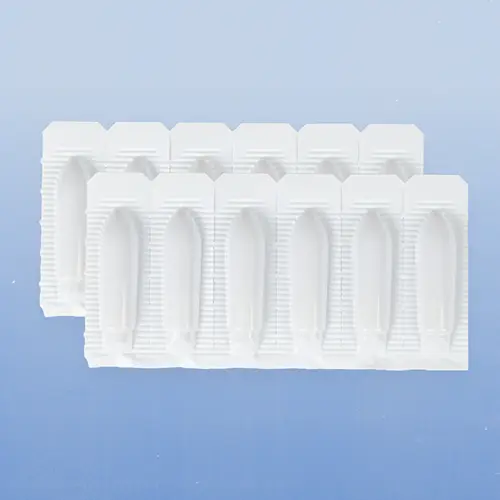
For those looking for hormone-free relief from vaginal dryness, itching, and painful sex, Evvy’s Hyaluronic Acid Suppositories combine a moisturizing base with prescription-grade hyaluronic acid to promote hydration and elasticity.
Ospemifene is a selective estrogen receptor modulator (SERM), an oral medication used to treat painful intercourse and vaginal atrophy. It works by acting like estrogen in some parts of your body but has anti-estrogen effects in others.
There are several options to treat vaginal dryness caused by menopause. One common approach is hormone therapy, which can replenish declining hormone levels and relieve dryness. Another option is using estrogen directly in the vaginal area through creams, tablets, or a vaginal ring, providing localized relief without affecting the whole body as much as systemic hormone therapy. If you prefer non-hormonal options, you can try over-the-counter vaginal moisturizers and lubricants, which can also help ease dryness and discomfort during sex. And remember, staying hydrated and maintaining sexual activity, with or without a partner, can also help by increasing blood flow to the vaginal tissues. It's essential to consult a healthcare provider to find the best treatment approach for your specific needs and health considerations.
Experiencing vaginal dryness can be uncomfortable and may cause symptoms like dryness, irritation, itching, discomfort during sex, a burning sensation, and reduced lubrication. Some women may experience light bleeding or spotting after intercourse due to the friction caused by the dryness. It's important to talk to a healthcare provider if you notice these symptoms, as they can help identify the cause and recommend appropriate treatment.
Vaginal dryness is extremely common during both perimenopause and menopause. Studies show that well over half of people going through this transition experience some level of dryness, irritation, or discomfort. For many, the symptoms gradually increase over time if they aren’t treated, because the vaginal tissue continues to lose moisture and elasticity. Even though it’s very common, many people don’t bring it up with their healthcare provider, which means lots of people are dealing with dryness when effective treatments are available.
There isn’t one single “best” natural lubricant for everyone, because bodies and sensitivities vary. Many people prefer lubricants with simple, gentle ingredient lists that avoid fragrances and harsh additives. Water-based lubricants are easy to clean and safe for most people, while silicone-based lubricants last longer and can feel smoother if dryness is more severe. Some people like natural oils such as coconut oil because it feels slippery and moisturizing, but oils should never be used with latex condoms since they can cause them to break. The best choice is whichever lubricant feels comfortable, reduces friction, and doesn’t irritate your skin.
To improve moisture during menopause, a mix of day-to-day support and targeted treatment usually works best. Regular use of vaginal moisturizers can help keep the tissue hydrated between sexual activity, while lubricants can make sex more comfortable in the moment. Staying sexually active (whether on your own or with a partner) can also increase blood flow to the vaginal area, which supports natural lubrication. If dryness is moderate, persistent, or causing pain, prescription treatments like vaginal estrogen or vaginal DHEA can restore moisture more effectively by treating the underlying hormone changes that cause tissue thinning and dryness. Many people find they need a combination for the best results.
The timeline depends on the type of treatment you choose. Lubricants work instantly but only during use. Vaginal moisturizers usually provide noticeable relief within a few days and continue working with regular use. Prescription options like vaginal estrogen or vaginal DHEA generally take a few weeks to start improving tissue moisture and comfort. Most people see the full benefit after a couple of months, as the tissue gradually becomes thicker, healthier, and better able to stay lubricated. Even though these treatments take longer to work, they offer more lasting relief because they target the root cause (declining estrogen in the vaginal tissue).