CONGRATS! YOU EARNED FREE SHIPPING.

Product Title
1
$0
$0
Subscription Title

Looking kind of empty in here.
We recommend:
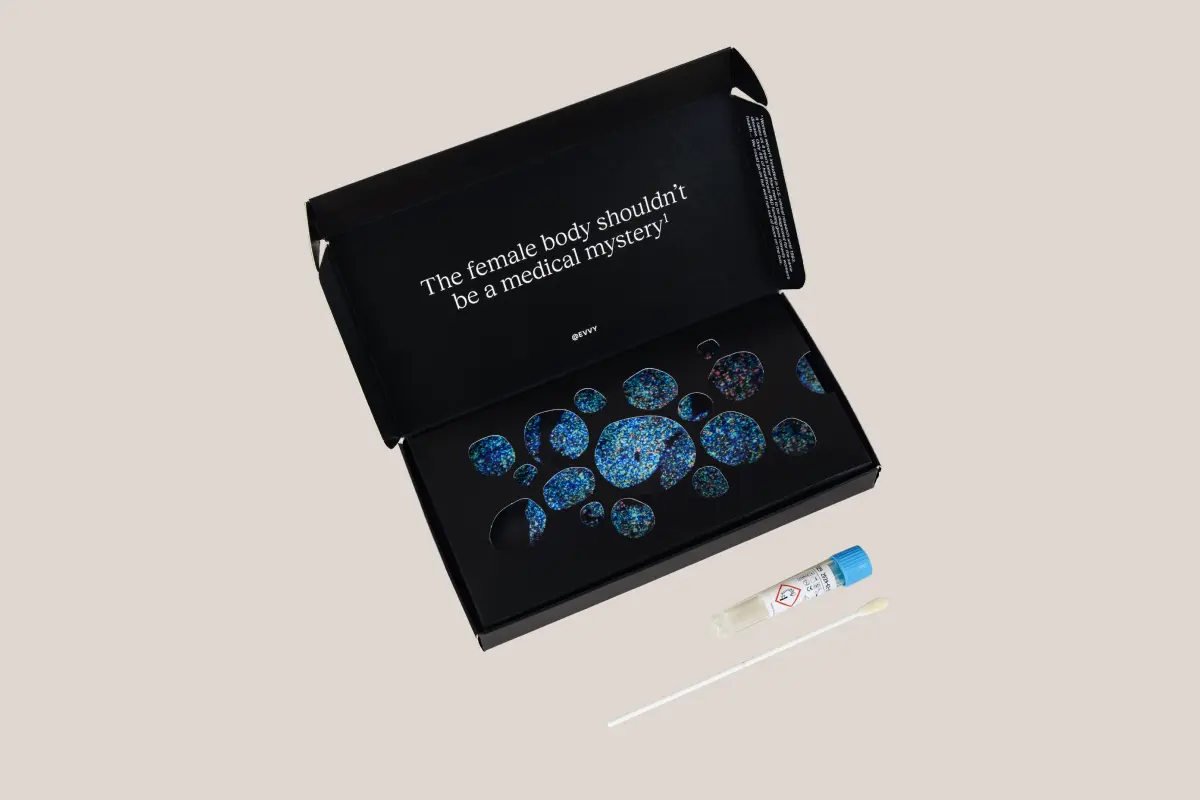
Get advanced insights into symptoms, fertility, and other health outcomes. Prelim results in 1-3 days.
UTIs in pregnancy are common but treatable. Learn symptoms, risks, how to tell them apart from pregnancy changes, and when to seek care.
Words by Olivia Cassano
Scientifically edited by Dr. Krystal Thomas-White, PhD
Medically reviewed by Dr. Kate McLean MD, MPH, FACOG
Urinary tract infections (UTIs) are the most common bacterial infection during pregnancy, affecting approximately 8% of pregnancies due to hormonal changes and physical pressure from the uterus. While urinary tract infections are common at any stage of life, they carry more risk during pregnancy because of potential pregnancy complications like progressing into a kidney infection. That’s why early detection and treatment matter more than ever.
Complicating things further, many UTI symptoms — like frequent urination, pelvic pressure, and fatigue — often overlap with normal pregnancy changes. This can make it harder to tell when something isn’t quite right, and easier to miss early signs of infection.
Below, we break down everything you need to know, from why urinary tract infections are more common during pregnancy to how to recognize symptoms, get diagnosed, and protect both your health and your baby’s.
Pregnancy creates the perfect environment for urinary tract infections to develop, not because something’s wrong, but because your body is adapting to support a growing baby. These changes affect your urinary system in ways that make infections more likely.
One of the biggest factors is hormonal. When progesterone levels increase during pregnancy, they can relax the muscles of the ureters and bladder, slowing the flow of urine. This means that urine can stay in the bladder longer than normal, giving bacteria a chance to grow and multiply. This situation, known as urinary stasis, can increase the risk of infections.
At the same time, the growing uterus puts physical pressure on the bladder and ureters. This can make it harder to fully empty your bladder, leaving behind residual urine where bacteria can thrive. Pregnancy can also cause dilation of the ureters and even lead to vesicoureteral reflux, a condition in which urine flows backward toward the kidneys, making it easier for bacteria to travel upward.
Your immune system also changes during pregnancy to support the developing fetus, which is genetically different from your body. To prevent your immune system from mistakenly attacking the fetus, certain immune responses are dialed down. This shift can slightly reduce your ability to fight off infections. On top of that, changes in urine composition (such as higher levels of sugar and protein) can create an environment that favors bacterial growth.
Because of all these factors, asymptomatic bacteriuria (bacteria in the urine without symptoms) becomes more common. Without screening and treatment, bladder infections can escalate to kidney infections, a common reason for hospitalization during pregnancy.

Recurrent symptoms? Get Evvy's at-home vaginal microbiome test, designed by leading OB-GYNs.
One of the trickiest parts of diagnosing a urinary tract infection during pregnancy is that many symptoms overlap with what’s considered completely normal. Frequent urination, pelvic pressure, lower back discomfort, and fatigue are all common pregnancy experiences — especially as your body changes and the fetus grows. There is the persistent urge to pee, even when only a small amount comes out, rather than fully emptying your bladder, and the urge to urinate at night.
But there are key signs that point more specifically to a urinary tract infection rather than pregnancy alone:
These symptoms aren’t typical parts of a healthy pregnancy and should always warrant a visit with your healthcare provider or OB-GYN. Because urinary tract infections can progress quickly during pregnancy, it’s better to check early rather than wait and see if symptoms resolve on their own.
Cramps during pregnancy can be completely normal, especially in the early stages. They’re often caused by the uterus expanding and ligaments stretching to accommodate your growing baby. These cramps tend to feel mild, dull, and intermittent, and they’re usually not accompanied by urinary symptoms.
UTI-related cramps, on the other hand, often feel more like pressure or discomfort in the lower abdomen, sometimes centered around the bladder. They may come with a burning sensation when you pee, urinary urgency, or other urinary symptoms. In more severe cases, especially if the infection spreads, pain can also occur in the lower back or sides (known as flank pain).
The key difference is context. Pregnancy cramps typically occur on their own, while UTI discomfort is usually paired with changes in bathroom habits. If cramping is accompanied by pain when peeing or unusual urine changes, it’s worth getting tested.
Frequent urination is one of the hallmark symptoms of pregnancy, and it can start early. This happens for a few reasons, including increased thirst and hormonal changes that boost blood flow to the kidneys, leading to more urine production. As your uterus grows, it can put a bit of pressure on your bladder.
Importantly, this kind of frequent urination shouldn't cause any pain. On the other hand, frequent urination feels different when it’s caused by a urinary tract infection. There’s often a sudden, intense urge to go, but only a small amount of urine comes out. This can be frustrating and uncomfortable, especially when paired with burning or stinging sensations.
You might also notice some changes in your urine's appearance or smell. While pregnancy can influence the color of your urine depending on your hydration or any supplements you're taking, if you see cloudy urine or detect a strong, unpleasant odor, it’s a good idea to have that checked out.
Urinary tract infections during pregnancy exist on a spectrum, and clinicians typically classify them into three main categories.
Each stage carries increasing risk, which is why early detection and treatment are so important during pregnancy.
An untreated UTI in pregnancy isn’t just uncomfortable; it can have real implications for both maternal and fetal health.
Research shows that UTIs in pregnancy are associated with higher rates of preterm birth and low birth weight. In more severe cases, especially when a urinary tract infection progresses to pyelonephritis, complications can include sepsis, anemia, acute respiratory distress syndrome (ARDS), and other serious conditions that may impact pregnancy outcomes.
There’s also evidence that treating asymptomatic bacteriuria reduces the risk of developing kidney infections and may lower the risk of preterm labor. In fact, organizations like the American College of Obstetricians and Gynecologists (ACOG) recommend early screening specifically because of these risks.
Luckily, with prompt diagnosis and appropriate treatment, most urinary tract infections can be managed safely without harm to the fetus. The key is not to ignore symptoms or delay care. If something feels off, contacting your provider right away is always the safest choice.
Diagnosing a UTI in pregnancy typically starts with routine screening. Clinical guidelines recommend a urine culture early in prenatal care to check for asymptomatic bacteriuria. This proactive approach helps prevent infections from progressing.
If you do have symptoms, your provider will usually perform a urinalysis to look for signs of infection, followed by a urine culture to identify the specific bacteria involved. The culture also helps determine which antibiotics will be most effective.
At-home test strips can sometimes detect signs of infection, such as leukocytes or nitrites, and may be useful for early detection. However, during pregnancy, it’s essential to confirm results with a clinician to ensure accurate diagnosis and safe treatment.
UTIs in pregnancy are typically treated with a short course of antibiotics that are considered safe for both you and your baby. Most treatment plans involve a 5 to 7-day course of targeted antibiotics, even for asymptomatic infections, because untreated bacteria can lead to more serious complications.
Your provider may start treatment based on symptoms and adjust the medication once urine culture results come back. Certain antibiotics, like amoxicillin or ampicillin alone, are often avoided due to high rates of antibiotic resistance in common bacteria like E. coli. Safe pain relief options, such as Pyridium, may be prescribed alongside antibiotics for urinary tract infections.
Symptoms often begin to improve within a few days of starting antibiotics, but it’s essential to complete the full course to ensure the infection is fully cleared.
In more serious cases like pyelonephritis, hospitalization is necessary. They will receive intravenous antibiotics and be closely monitored. Treatment in these cases usually lasts longer, typically 7-14 days. If urinary tract infections recur during pregnancy, your clinician may recommend preventive antibiotic therapy (known as antibiotic prophylaxis) for the remainder of the pregnancy.
While many urinary tract infections can be treated with oral antibiotics, some symptoms require urgent medical attention. If you experience fever, chills, back or flank pain, nausea or vomiting along with urinary symptoms, or contractions, it’s important to seek care immediately. These may be signs that the infection has reached the kidneys or is affecting your pregnancy.
If you notice that your symptoms are worsening or not improving after starting antibiotics, it’s a good idea to seek urgent care. Taking quick action can help prevent any serious issues and keep both you and your baby safe.
Preventing infection is all about supporting your body’s natural defenses and reducing opportunities for bacteria to enter the urinary tract. While you can’t completely eliminate the risk of UTIs during pregnancy, you can lower it significantly with consistent daily habits.
UTIs in pregnancy are treated with antibiotics that are considered safe for both you and your baby. Most people are prescribed a 5 to 7-day course, even for mild or symptom-free infections. Your provider may adjust the medication once culture results come back, so it targets the exact bacteria causing the infection.
Yes, complications from untreated UTIs in pregnancy can include preterm labor, low birth weight, and maternal sepsis, which can significantly impact maternal and fetal health. In more serious cases, especially if the infection reaches the kidneys, it can lead to broader health risks. The good news is that UTI screening is a routine part of prenatal care, and early treatment significantly lowers these risks and helps protect both you and your baby.
Urinary tract infections can occur at any point during pregnancy, but certain complications, like kidney infections, are more common in the second trimester. This is when hormonal changes and the growing uterus more significantly affect urine flow, increasing the risk of bacteria traveling upward in the urinary tract.
Most urinary tract infections usually don’t lead to miscarriage, but if left untreated, a urinary tract infection can sometimes lead to more serious issues, like a kidney infection, which could affect your overall pregnancy wellness. The good news is that early diagnosis and treatment are key and are highly effective at preventing serious outcomes in the vast majority of cases.
You should seek urgent care if you have symptoms such as fever, chills, back or flank pain, nausea, vomiting, or contractions, along with urinary symptoms. These may be a sign of a kidney infection or a more serious complication. It’s also important to get checked if symptoms worsen or don’t improve after starting antibiotics.
With appropriate antibiotic treatment, most UTI symptoms begin improving within 24–72 hours, but the full course of medication typically lasts 5 to 7 days. It’s important to complete the entire course even if you feel better, as stopping early can allow the infection to return or worsen.
Some overlap is normal, like frequent urination or pelvic pressure, but urinary tract infections usually include more specific symptoms. Burning or pain when peeing, cloudy or strong-smelling urine, blood in the urine, or a constant urge to go with little output are all signs that point toward a urinary tract infection rather than typical pregnancy changes.
At-home UTI test strips can detect markers like leukocytes and nitrites in urine, which may indicate infection. For a more comprehensive option, Evvy’s UTI+ Test goes beyond standard dipsticks by identifying the specific bacteria present and providing clinically-backed guidance on next steps. This can be especially helpful if you’re prone to recurrent symptoms or want a clearer picture of what’s going on. That said, during pregnancy, it’s still essential to confirm any results with a healthcare provider to ensure you receive safe and appropriate treatment.
Preventing UTIs during pregnancy involves simple, consistent habits. Staying well-hydrated, peeing frequently and fully, wiping front to back, and peeing after sex can all help reduce risk. Avoiding irritating products and attending regular prenatal screenings also helps detect and prevent infections early.