CONGRATS! YOU EARNED FREE SHIPPING.

Product Title
1
$0
$0
Subscription Title

Looking kind of empty in here.
We recommend:
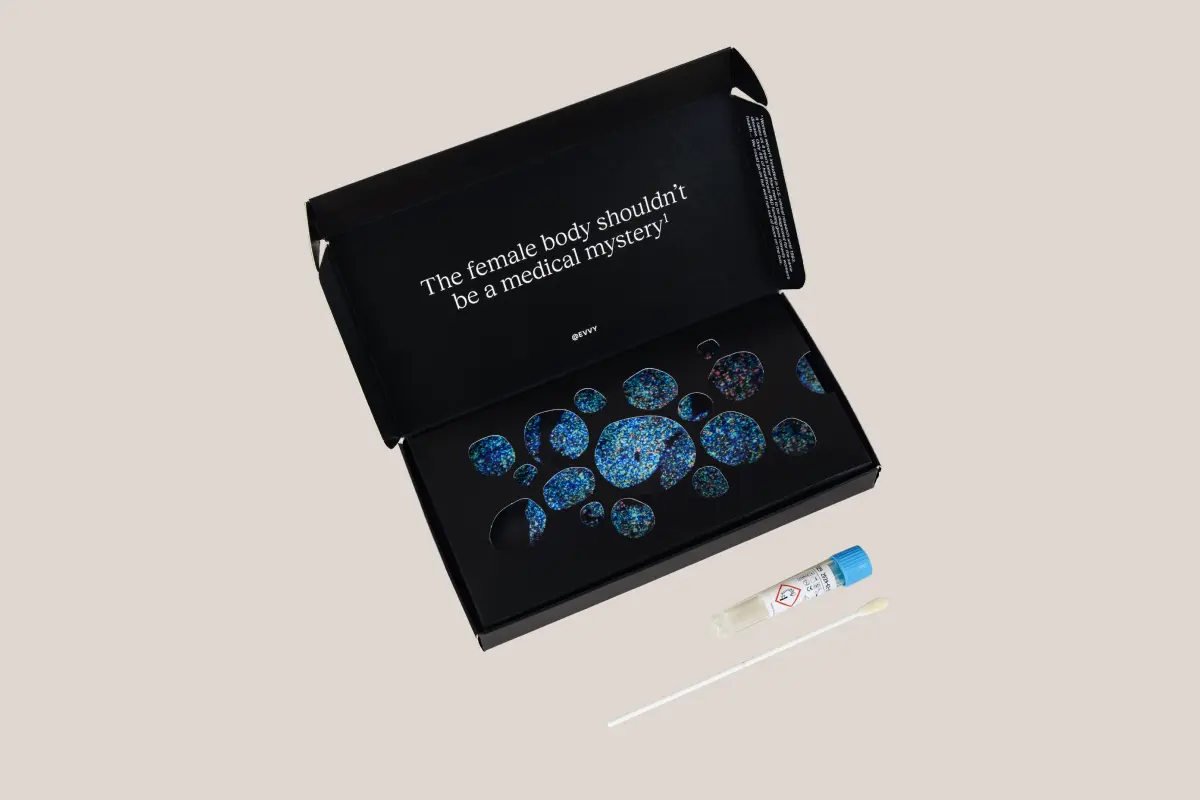
Get advanced insights into symptoms, fertility, and other health outcomes. Prelim results in 1-3 days.

Learn the difference between urinalysis and urine culture, how to read UTI test results, and why Evvy’s UTI+ Test gives faster, more accurate answers.
Words by Olivia Cassano
Scientifically edited by Dr. Krystal Thomas-White, PhD
Medically reviewed by Dr. Kate McLean MD, MPH, FACOG
If you’ve ever peed in a cup at a doctor’s office to check if you have a urinary tract infection (UTI), you’ve probably had either a urinalysis, a urine culture, or both.
A urinalysis is a quick screening test that examines the physical, chemical, and microscopic characteristics of your urine to identify clues that something might be amiss. A urine culture is a targeted laboratory test that attempts to grow bacteria from your urine, allowing them to be identified and, in many cases, matched to the antibiotics most likely to be effective.
You can often get urinalysis results the same day, and sometimes within minutes if a dipstick is used in the office. A urine culture takes longer because bacteria (and sometimes yeast) need time to grow. You can expect an initial answer in about 24 to 48 hours, and it may take longer if antibiotic susceptibility testing is needed.
Keep reading to learn more about what each one actually measures, and how to make sense of common test results you might see on your report. If you’re looking for an at-home option that goes beyond standard in-office screening, you can also check out Evvy’s UTI+ Test as an alternative testing option to discuss with your provider.
A urinalysis is a quick test that checks the physical, chemical, and microscopic properties of urine. It helps identify signs that your urinary tract, kidneys, or metabolism may be stressed.
For UTIs, the most relevant pieces come from two parts of the test: the dipstick (a little strip dipped into urine that changes color based on what’s in there) and, sometimes, a quick look under the microscope.
On the dipstick side, the test checks for nitrites and leukocyte esterase, which can indicate the presence of bacteria and white blood cells. It can also pick up blood, protein, glucose, ketones, bilirubin, and pH changes. Not all of these are about UTIs, but they help paint a broader picture of what’s happening in your body. For example, protein or glucose in urine can point to kidney or metabolic issues, not infection.
If microscopy is done, a lab tech looks for red and white blood cells, bacteria, crystals, and casts. White blood cells and bacteria can support the diagnosis of a UTI, while crystals or casts might suggest stones or kidney problems.
Because urinalysis is fast and relatively inexpensive, it’s often used as the first step when someone comes in with UTI symptoms like burning, urgency, or frequent urination — but it’s not that accurate in diagnosing a UTI. The key thing to remember is that it’s a screening tool. Rather, it suggests whether infection is likely, but it doesn’t tell you exactly which germ is there or which antibiotic will work best.
Leukocyte esterase is an enzyme released by white blood cells, so when it shows up on a urine test, it usually means white blood cells are present in the urine. Leukocyte esterase in urine indicates inflammation, which is commonly caused by a urinary tract infection, but it isn’t specific to infection and can sometimes be positive because of contamination from vaginal discharge or skin cells rather than a true urinary infection.
Some bacteria convert nitrates (present in urine) into nitrites, so a positive nitrite test can point to a bacterial UTI. The catch is that not all UTI-causing bacteria make nitrites, and urine has to sit in the bladder long enough for the conversion to happen — so a negative result doesn’t rule out infection.
Blood in the urine can show up with UTIs because inflammation irritates the bladder lining. It’s not specific to infection, though; kidney stones, your period, or other urinary issues can also cause blood to appear.
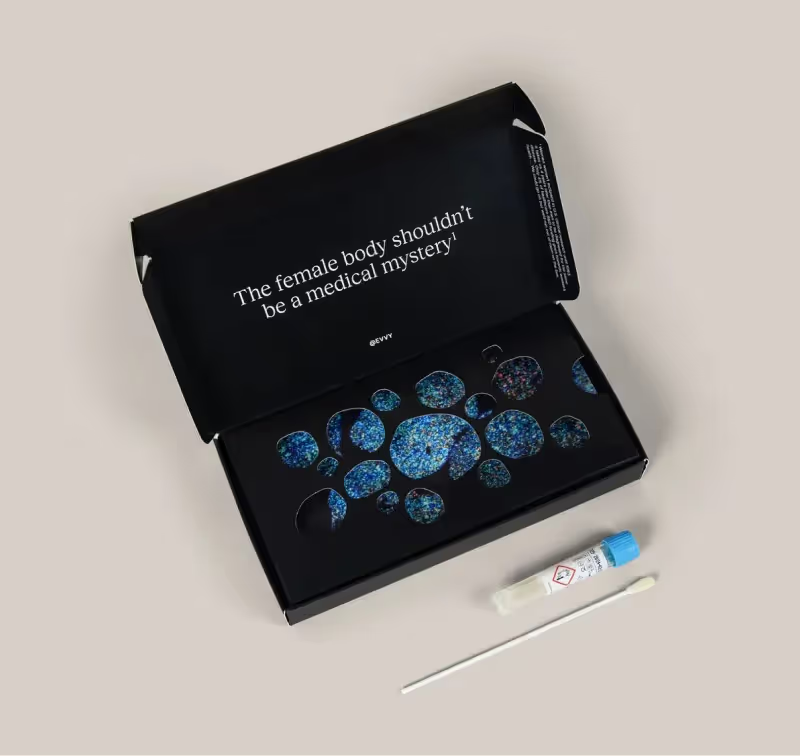
Recurrent symptoms? Get Evvy's at-home vaginal microbiome test, designed by leading OB-GYNs.
A urine culture is a microbiological test specifically designed to detect and identify bacterial or fungal pathogens in urine. Instead of looking for indirect clues of infection, the lab actually tries to grow whatever germs are in your urine sample. If organisms grow, they’re counted and identified, often reported as colony-forming units per milliliter (CFU/mL). This helps providers decide whether what grew is likely to be causing symptoms or is just contamination.
This test is used to confirm infection, identify the most effective treatment, and assess the clinical significance of the findings, based on thresholds that depend on the situation and the method of urine collection.
A urine culture tests for bacteria and sometimes yeast that can grow from the urine sample. If you’ve recently taken antibiotics, have very low bacterial counts, have an underreported uropathogen, or the sample wasn’t collected properly, the culture may not grow the organisms that are actually causing symptoms, or it may grow things that aren’t clinically important.
A urine culture test report gives you specific, actionable information about what, if anything, grew from your urine sample and how providers can treat it. Instead of indirect clues, it shows whether specific organisms were present, which ones, and sometimes how they’re likely to respond to different antibiotics.
The report names the germ that grew, such as a specific type of bacteria or, less commonly, yeast. This matters because different organisms cause UTIs in different ways and respond to different treatments, so what works well for one common UTI bug may not be effective for another.
This section shows which antibiotics the identified organism is sensitive to or resistant to. It helps clinicians choose a medication that’s most likely to work and avoid ones that probably won’t, which is especially important in recurrent, severe, or complicated infections where guessing can lead to treatment failure.
A “no growth” result can mean there truly isn’t a bacterial or yeast infection in the urine, but it doesn’t always rule one out completely. It can also happen if bacteria are present in low numbers, if the organism is slow-growing or hard to culture with standard lab methods, or if recent or current antibiotic use has partially suppressed bacterial growth. Sample collection and timing matter too, so a negative culture needs to be interpreted alongside symptoms.
This result usually points to contamination, meaning the sample picked up bacteria from the skin or genital area rather than reflecting what’s actually in the bladder. It often happens when the sample isn’t collected midstream or the container is touched. In most cases, mixed growth makes the result hard to interpret, and a repeat, cleaner sample is needed to get a clear answer.
Seeing more than one organism can sometimes be due to contamination, especially in clean-catch urine samples. However, in certain situations — such as with urinary catheters, recent procedures, or complicated or long-standing infections — more than one organism can truly be involved. This is why doctors look at the type of organisms, the amounts reported, and your symptoms before deciding what the result means and whether treatment is needed.
Urinalysis suggests a UTI, while urine culture is used to confirm it and, when needed, guide treatment. Both urinalysis and urine culture are often ordered together to provide a comprehensive assessment of urinary health. That said, urinalysis is fast and useful for initial screening, and culture takes longer but gives more specific information about what’s actually growing in the urine.
This is because urinalysis looks for signals of inflammation or bacteria, but not the bacteria themselves, in a precise way. It can light up when something else is causing irritation, and it can miss infections if the signals aren’t strong yet. Culture, on the other hand, grows and identifies organisms and often tests which antibiotics work against them. That makes it the gold standard for confirming a UTI, even though it’s slower and still not perfect.
Evvy’s UTI+ Test is an easy, at-home urine test built for people who want clearer answers than standard urine tests often provide. Instead of relying on indirect markers or slow-growing cultures that can miss infections, it uses fast PCR technology to directly detect 12 different UTI-causing bacteria and fungi, including organisms that traditional tests may overlook. It also checks for seven antibiotic resistance genes, so you’re not just told that you have an infection: you get insight into which medications are most likely to work against your specific bacteria. That means your healthcare provider can prescribe the right antibiotic the first time, reducing trial-and-error and delays, and if you’re eligible, you can even get same-day prescription pickup through an Evvy-affiliated provider based on your test results.
Sensitivity is how good a test is at catching true infections, while specificity is how good it is at staying negative when there isn’t actually an infection.
In real life, dipstick urinalysis is fairly sensitive — it picks up many people who truly have a UTI — but it’s less specific, meaning it can look positive even when infection isn’t the real issue. That’s why providers don’t interpret it in isolation. They pair it with symptoms and, when needed, confirm with culture.
Urine culture is more specific because it grows and identifies organisms, but it’s not perfect either. Some true infections won’t grow well under standard culture conditions, especially when bacterial counts are low or the organism is slow-growing. The practical takeaway is that no single test tells the whole story. Symptoms, urinalysis, and culture results are interpreted together.
Nitrites only turn positive if the bacteria present can convert nitrates to nitrites and if the urine has sat in the bladder long enough. If you’re peeing frequently or the organism doesn’t make nitrites, the dipstick can look negative even when infection is present.
Inflammation from kidney stones, irritation, or contamination from skin or vaginal cells can introduce white blood cells or enzymes into the sample. That can make leukocyte esterase or blood show up even when there’s no bacterial infection.
A urine culture doesn’t give instant answers because germs need time to grow. Many labs provide a “first look” result around 24 hours, which may say “no growth so far” or note early growth. A more complete result usually comes at 48 hours, once there’s enough growth to identify the organism. If susceptibility testing is done to see which antibiotics work, that can extend the timeline by another day.
This waiting period can be frustrating when you’re uncomfortable, which is why providers often use urinalysis and symptoms to decide on initial treatment in straightforward cases. The culture result then helps confirm the diagnosis or adjust antibiotics if needed. It’s a bit like starting with a weather forecast and then checking the radar as the storm develops — you get more precise information over time.
Many confusing or misleading results stem from sample quality. Taking a few extra seconds to collect your urine the right way can make the difference between a clear answer and a report full of “mixed growth” or questionable findings.
You should follow your healthcare provider's instructions for any special steps before providing a urine sample.
This can happen if there’s inflammation without infection, contamination, or if bacteria were present in low numbers or suppressed by recent antibiotics. Symptoms, specific bacteria, and timing matter when interpreting this combination.
Sometimes the dipstick misses early or low-grade infections, or the organism doesn’t trigger the usual markers. A culture growing a significant organism can still point to a true UTI even if the screening looked normal.
This is frustratingly common. Symptoms like burning or urgency can come from irritation, pelvic floor issues, vaginal infections, or conditions like interstitial cystitis. It’s a cue to look beyond standard UTI testing and talk with your provider about other likely causes.
Urinalysis and urine culture are both used to evaluate UTIs, but serve different purposes. Urinalysis is a quick screening test that detects indirect signs of infection, such as white blood cells and nitrites, but it may give false results and cannot definitively confirm a UTI. In contrast, urine culture directly identifies and measures bacteria or yeast in the urine, making it the gold standard for confirming a UTI and guiding antibiotic treatment. In straightforward cases of mild cystitis in healthy individuals, clinicians may rely on symptoms and urinalysis. However, urine culture is often used in more critical situations, such as during pregnancy or in children, men, or those with complicated UTIs, to accurately identify the infection-causing organism.
No, urinalysis and urine culture are not the same, even though both use a urine sample and are often done together when a UTI is suspected. A urinalysis is a general screening test that looks at the physical, chemical, and microscopic features of urine to spot clues that something might be wrong, such as white blood cells, blood, or nitrites that can suggest infection, but it can’t tell you exactly which germ is causing symptoms. A urine culture is a specific microbiology test that actually grows bacteria or yeast from the urine in a lab, identifies the organism, and often shows which antibiotics are likely to work, which is why it’s used to confirm a UTI and guide treatment in more complicated or recurrent cases.
Yes, a urinalysis can be negative while a urine culture is positive. This can happen because some infections don’t trigger strong dipstick signals, especially if there aren’t many white blood cells yet or if the bacteria involved don’t produce nitrites. It can also occur if you’ve been peeing frequently, so the urine hasn’t sat in the bladder long enough for nitrites to form, or if symptoms are early in the course of infection. In these situations, the screening test may look normal even though bacteria are present, and a urine culture can still grow and identify the organisms causing the infection.
Yes, a urine culture is considered the gold standard for confirming a UTI because it actually grows and identifies the organisms in the urine and often includes testing to show which antibiotics are likely to work best against them. This makes it especially useful when symptoms are severe, keep coming back, or don’t match what a quick screening test shows. It’s also commonly used in complicated or unclear cases to ensure there really is an infection and to help choose the most effective treatment, rather than guessing.