CONGRATS! YOU EARNED FREE SHIPPING.

Product Title
1
$0
$0
Subscription Title

Looking kind of empty in here.
We recommend:

Get advanced insights into symptoms, fertility, and other health outcomes. Prelim results in 1-3 days.

A fishy vaginal odor is almost always a sign of BV. Learn what causes it, why showering doesn't help, and how to treat it for good.
Words by Olivia Cassano
Scientifically edited by Dr. Krystal Thomas-White, PhD
Medically reviewed by Dr. Kate McLean MD, MPH, FACOG
A persistent fishy vaginal odor is one of the most common concerns people with vaginas bring to their gynecologist, and it almost always points to an imbalance in the vaginal microbiome.
While it can feel embarrassing to talk about, a fishy smell is a health signal worth taking seriously, not something to ignore or mask with scented feminine hygiene products.
If you've noticed an unusual odor that won't go away, Evvy's Vaginal Microbiome Test can help identify exactly what's going on in your vaginal microbiome, from the comfort of home. Here's everything you need to know about what causes a fishy vaginal odor and what you can do about it.
A healthy vagina has a mild, slightly acidic scent that can shift throughout your menstrual cycle. A fishy smell is different: it's distinct, often stronger, and tends to linger. Most of the time, it's caused by an overgrowth of certain bacteria that disrupt your vaginal microbiome. Here's a breakdown of the most likely culprits.
Bacterial vaginosis (BV) is by far the most common cause of fishy vaginal odor. It happens when the balance of bacteria in the vagina shifts. Specifically, when Lactobacilli (the good bacteria that keep the vaginal environment acidic and protective) are crowded out by anaerobic bacteria like Gardnerella vaginalis, Prevotella species, and others. These anaerobic bacteria produce compounds called biogenic amines (particularly trimethylamine and putrescine), which are directly responsible for that characteristic fishy smell.
Symptoms of bacterial vaginosis can include a strong fishy odor, especially after sexual intercourse or menstruation, along with vaginal itching and a thin vaginal discharge that may be gray, greenish, or yellow.

Recurrent symptoms? Get Evvy's at-home vaginal microbiome test, designed by leading OB-GYNs.
BV is the most likely explanation, but it's not the only one. A few other causes are worth knowing about.
Trichomoniasis is a common sexually transmitted infection (STI) that can produce a strong fishy odor and a frothy, greenish-yellow discharge. Trichomoniasis frequently co-occurs with BV, which can make it harder to distinguish between the two without testing.
It's also more common than many people realize. The Centers for Disease Control and Prevention (CDC) estimates that trichomoniasis affects around 2.6 million people in the U.S. each year, making it one of the most common non-viral STIs. It’s easily treated with a short course of antibiotics (metronidazole or tinidazole), and both partners should be treated simultaneously to prevent reinfection.
A forgotten tampon or other foreign object (like a condom, diaphragm, or menstrual cup) can produce a very strong, foul-smelling discharge as bacteria break down the material. This smell tends to be more intensely unpleasant than typical BV odor — often described as rotten rather than fishy — and is usually accompanied by unusual discharge, discomfort, or a feeling that something isn't quite right.
A retained foreign object in the vagina carries a risk of toxic shock syndrome (TSS), a rare but serious bacterial infection that can escalate quickly. If you have a retained tampon, condom, or menstrual cup alongside a high fever, rash, vomiting, or dizziness, seek medical attention immediately rather than waiting. For anything you can't easily locate or remove yourself, a healthcare provider can help quickly and without judgment — it happens more often than you'd think.
Semen is alkaline, and the vagina is naturally acidic (between pH 3.8 and 4.5). When semen enters the vagina during unprotected sex, it temporarily raises vaginal pH, and that disruption can trigger a fishy smell, especially if you already have low Lactobacillus levels. This explains why many people notice a fishy vaginal odor after sex, even if they don't have an active infection. Research has shown that receptive vaginal intercourse is one of the strongest risk factors for BV, partly because of this repeated pH disruption. Using condoms can help buffer this effect and reduce the risk of BV flares linked to sex.
Period blood has a higher pH than the vaginal environment, so menstrual blood can also disrupt vaginal acidity and temporarily shift your odor.
For most people, any odor that develops during or just after a period resolves on its own once menstruation ends and the vaginal pH returns to normal. But if the smell is strong, distinctly fishy, or lingers for more than a few days after your period ends, it could indicate that BV flared up, which is common around menstruation, since the pH shift creates conditions where BV-associated bacteria can thrive. This is also why some people find they get recurring BV around the same point in their cycle each month.
Tight, synthetic underwear and clothing can trap heat and moisture around the vulva, creating a warm, damp environment that encourages bacterial overgrowth. Sweat itself doesn't cause a fishy smell, but the conditions it creates can tip the balance of the vaginal flora over time, particularly if you're already prone to BV or low Lactobacillus levels. Switching to breathable cotton underwear, avoiding tight synthetic leggings for long periods, and changing out of sweaty workout clothes promptly are all simple steps that can make a real difference.
Trimethylaminuria (also called "fish odor syndrome") is a rare metabolic condition in which the body can't break down the compound trimethylamine, which is naturally found in certain foods like fish, eggs, and legumes. Instead of being metabolized normally, it accumulates and is released through sweat, urine, breath, and other bodily secretions (including vaginal secretions), producing a persistent fishy odor.
This is genuinely rare, affecting a small fraction of the population, and is usually present from birth or early childhood. If the fishy smell seems to be coming from your whole body rather than localized to the vaginal area, and it doesn't improve with BV treatment, it's worth raising with a doctor who can test for it.
A fishy vaginal odor caused by BV or another microbiome disruption isn't on the surface of the skin. It's coming from inside the vagina, where no amount of external washing can reach.
Worse, using scented soaps, washes, or douches around the vaginal opening can actually make things worse. These products disrupt the vaginal pH and strip away protective Lactobacillus bacteria, which can feed the very imbalance causing the smell in the first place. The vagina is self-cleaning, and all the vulva needs is warm water (and fragrance-free soap, if really necessary). If the odor is persistent, the solution isn't more washing; it's identifying and treating the underlying cause.
Normal vaginal odor is mild and slightly tangy or musky, a reflection of the vagina's healthy acidic environment. It can shift throughout your cycle, after sex, or after you exercise, and that's completely normal. BV odor is different in quality. It's often described as distinctly "fishy," stronger than usual, and it doesn't go away on its own.
Other signs that point toward BV rather than normal variation:
The most accurate way to know whether you have BV is to test the vaginal microbiome directly. Evvy's Vaginal Microbiome Test uses PCR technology to detect over 700 bacteria and fungi present in your vagina, including all the BV-associated bacteria that standard clinic swabs often miss.
You collect the sample yourself at home with a simple vaginal swab, send it to the lab, and get detailed results that show exactly which microorganisms are present and in what quantities. If BV-associated bacteria are driving your fishy odor, Evvy can confirm it — and give you the information you need to discuss treatment options with a provider.
BV is treated with antibiotics, most commonly metronidazole (either oral or as a vaginal gel) or clindamycin (oral or vaginal cream). These are prescription medications, so you'll need to speak to a healthcare provider.
If you've already taken an Evvy Vaginal Microbiome Test, eligible users can access a prescription treatment program directly through Evvy's care platform, developed by an Evvy-affiliated provider based on your test results, symptoms, and health history, with medication delivered to your door.
The frustrating thing about BV is its high recurrence rate. Studies suggest that up to 50% of people experience a recurrence within 12 months of treatment, and for those with male partners, reinfection from an untreated partner may be part of the reason why. Some researchers now advocate for treating male partners simultaneously using topical penile antibiotics or antiseptic gels. This is why treating the infection is only part of the picture: addressing potential sources of reinfection and supporting the vaginal microbiome afterward also matter.
Antibiotics clear the infection, but they don't rebuild the Lactobacillus-dominant environment that helps prevent BV from returning. Evvy Women's Complete Probiotic contains clinically studied Lactobacillus strains (including L. rhamnosus and L. reuteri) that have been shown to colonize the vaginal tract and support microbiome recovery after antibiotic treatment.
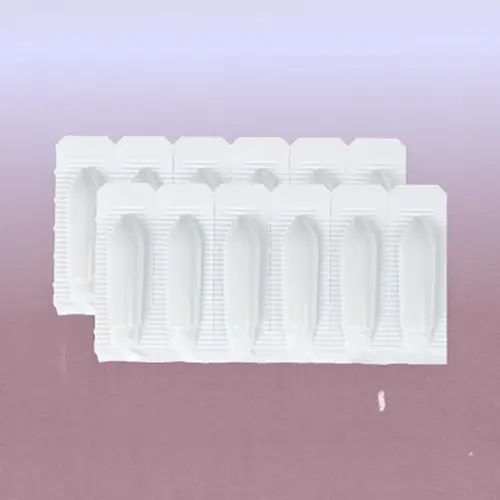
For more targeted support, Evvy's Vaginal Probiotic Suppositories deliver Lactobacillus strains directly to the vaginal tract. Some people also find boric acid helpful for managing abnormal vaginal odor and pH imbalance, particularly for symptoms that flare after sex or around their period. Evvy's Pure Boric Acid Suppositories are prescription-grade and can be used at the onset of symptoms to help restore vaginal pH. It's worth noting that boric acid is a symptom-management tool rather than a treatment for active BV, so if you have an ongoing infection, antibiotics should come first.
Beyond supplements, everyday habits can make a real difference to your vaginal microbiome and prevent unwanted vaginal odor:
The most effective approach is to identify the cause first. If it's BV, prescription antibiotics (metronidazole or clindamycin) are the standard treatment. If you're not sure what's causing it, an at-home vaginal microbiome test like Evvy's can help you figure out what you're dealing with before deciding on next steps.
A fishy vaginal odor is less about how "clean" you are and more about what's happening inside the vagina. BV is caused by a bacterial imbalance that no amount of washing can fix. In fact, scented soaps and douching can make the imbalance worse by disrupting vaginal pH and stripping protective bacteria.
Yes. While BV is the most common cause of fishy vaginal odor, trichomoniasis, semen-related pH changes, menstrual blood, and (very rarely) trimethylaminuria can also cause a similar smell. Testing is the most reliable way to know which one you're dealing with.
No, cranberry juice won’t get rid of fishy vaginal odor. Cranberry juice is sometimes associated with urinary tract health, but there's no evidence that it affects vaginal odor or treats BV. The vaginal microbiome responds to bacteria, pH, and specific probiotic strains — not what juice you drink. If you have a fishy odor, cranberry juice won't address the underlying cause.