CONGRATS! YOU EARNED FREE SHIPPING.

Product Title
1
$0
$0
Subscription Title

Looking kind of empty in here.
We recommend:
Get advanced insights into symptoms, fertility, and other health outcomes. Prelim results in 1-3 days.
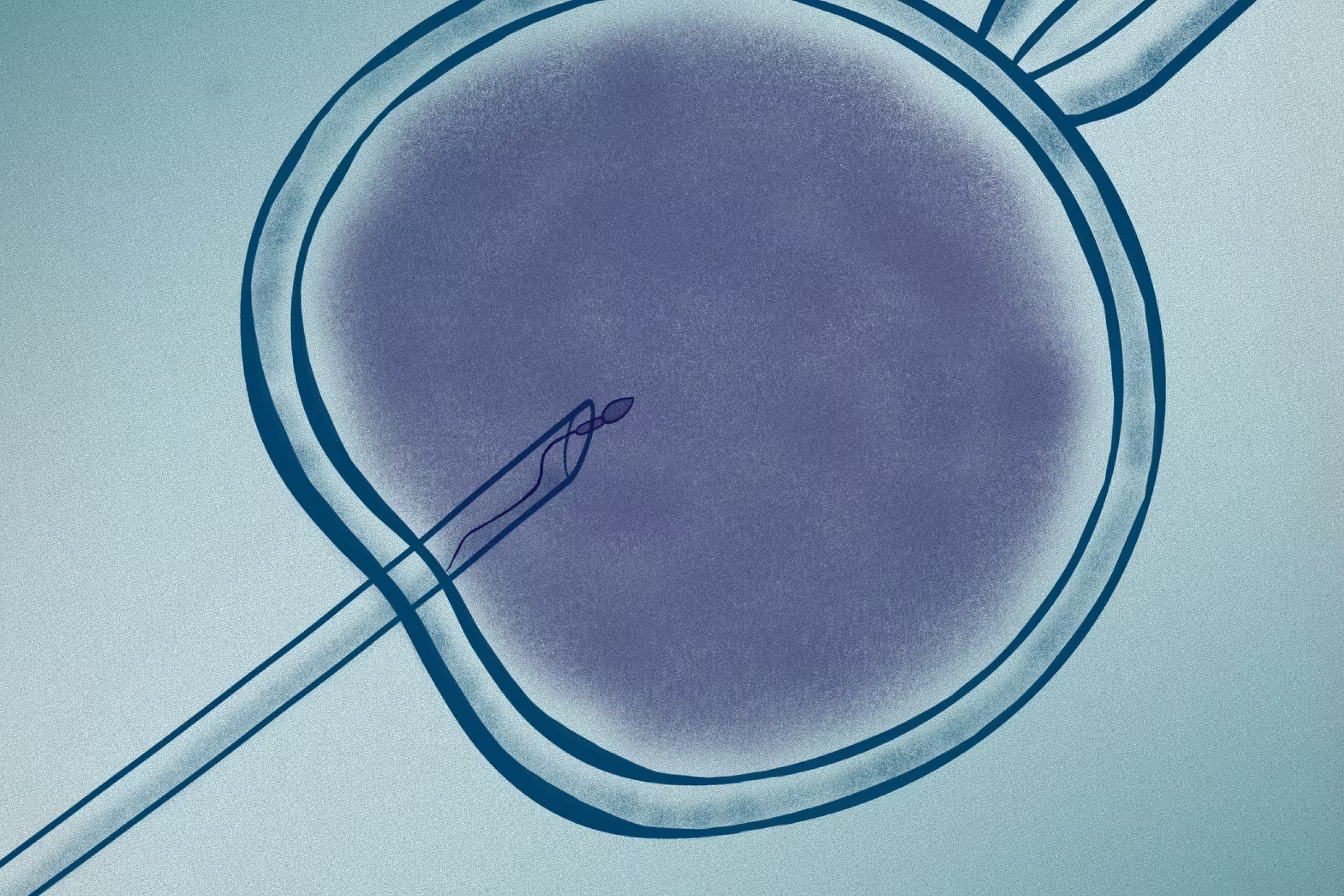
A step-by-step guide to preparing for IVF, from the 90-day lead time to testing, supplements, and the vaginal microbiome check most people skip.
Words by Olivia Cassano
Scientifically edited by Dr. Krystal Thomas-White, PhD
Medically reviewed by Dr. Kate Baron, MD
Getting ready for in vitro fertilization (IVF) usually starts about 3 months before your cycle begins. This is a crucial time because it takes about that long for your eggs and the sperm that will fertilize them to complete their final stages of development. The habits you build during these months may make a difference in your cycle. You won’t have as much to adjust once you start stimulation, retrieval, and transfer. So, it’s a great opportunity to focus on positive habits and prepare for the journey ahead.
In this guide, we’ll go through that full IVF process timeline: what to prioritize 3 months out, what shifts in the final weeks, and how retrieval prep and transfer prep are actually two different jobs with two different goals.
Although you’re born with all the eggs you’ll ever have, they don't mature overnight. The follicles that will be retrieved during your cycle complete their later stages of growth over roughly the 3 months before ovulation. Whatever affects your body during those 90 days, from nutrition to sleep to chronic stress, may show up in the eggs your clinic retrieves. Sperm follow a similar timeline, FYI. Spermatogenesis, the full cycle of sperm production, takes around 64 to 74 days, plus another 1-2 weeks to travel through the epididymis before ejaculation.
That's why many reproductive endocrinologists recommend starting lifestyle changes 3 months before a planned retrieval (known as “trimester zero”), even though the actual medicated part of an IVF cycle usually spans 4-6 weeks. The 3-month runway might not guarantee a different outcome, but it gives your body the best available conditions during the window when the eggs and sperm you'll actually use are being formed. After that, the final weeks are less about lifestyle and more about logistics like appointments, scheduled medication plans, and monitoring tests.
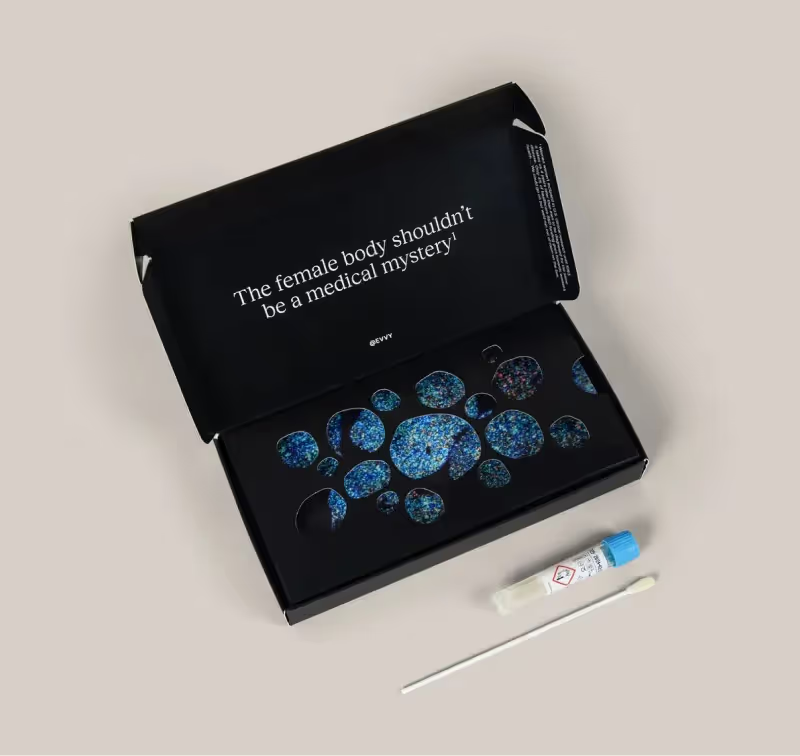
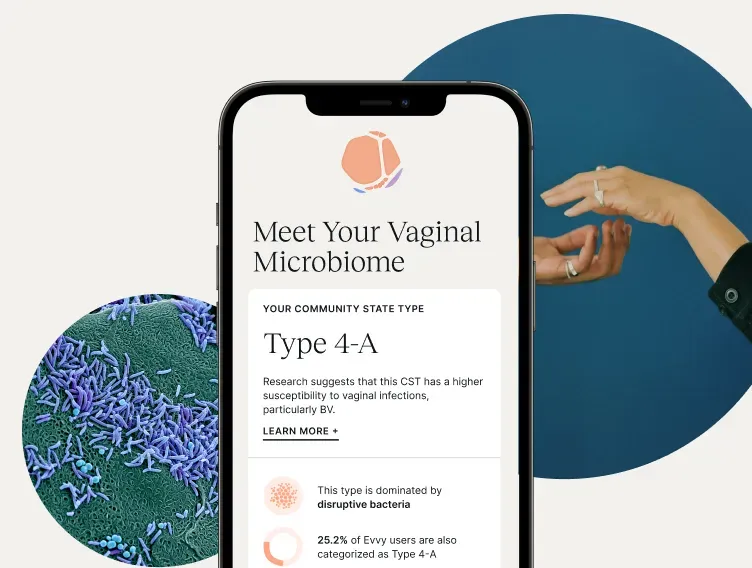
Recurrent symptoms? Get Evvy's at-home vaginal microbiome test, designed by leading OB-GYNs.
This is the window where lead-time changes matter most, because they overlap with egg and sperm development. Nutrition is the biggest lever, but you don’t need to do anything drastic or cut out whole food groups. Instead, prioritize a diet full of whole foods, lean proteins, and healthy fats to give your body several weeks to adjust before it needs to matter for a retrieval. If you're planning to start prenatal vitamins, folate, or other supplements your provider has approved, this is the time, since some (like CoQ10) are typically recommended for 2-3 months before egg quality benefits show up.
Sleep is worth prioritizing now too, since chronic sleep disruption is associated with changes in the hormones involved in ovulation and stimulation response. And if you smoke, quit as early as you can. Smoking has one of the most consistently documented negative effects on egg quality and IVF outcomes of any lifestyle factor, and it takes time for that damage to stop compounding.
Once you're within a few weeks of starting your cycle, the priorities shift from long-term body prep to short-term logistics. You'll likely have a baseline monitoring appointment (bloodwork and an ultrasound) before you start stimulation medications, and your clinic will walk you through your specific injection schedule and timing — this varies enough by protocol that it's worth getting it in writing rather than relying on memory.
This is also when it's worth easing off high-intensity or high-impact exercise. As your ovaries respond to stimulation medication, they enlarge, which raises the risk of ovarian torsion (a rare but serious complication) if you're doing anything with a lot of jumping, twisting, or heavy impact. Walking, gentle yoga, and swimming are generally fine, and your clinic can tell you exactly where they draw the line for your protocol.
There's a lot you can influence in the months leading up to IVF treatment. Nutrition, movement, sleep, stress, supplements, and substances you cut back on all play some role. However, no single change, and no combination of them, guarantees a particular outcome. IVF success is shaped heavily by factors you can't control, like age, ovarian reserve, and the underlying reason for infertility. Body prep is about stacking the odds a little in your favor and walking into your cycle feeling as prepared as possible.
Many fertility specialists recommend a Mediterranean-style, anti-inflammatory eating pattern in the months before IVF. Think plenty of vegetables, fruit, whole grains, legumes, fatty fish, nuts, and olive oil, with less red and processed meat, refined sugar, and highly processed food. This diet is associated with more available embryos for IVF and higher clinical pregnancy rates in several observational studies. However, not all studies showed an association, so more research is needed.
Some observational research, mostly in people conceiving naturally, suggests swapping some animal protein for plant protein (beans, lentils, tofu) may modestly improve fertility outcomes. Healthy fats, especially omega-3s from fish, nuts, and seeds, support normal hormone production, and complex carbohydrates (over refined ones) help keep blood sugar and insulin more stable, which matters more if you have polyendocrine metabolic ovarian syndrome (PMOS, formerly PCOS) or insulin resistance affecting your cycle.
Nutritional guidelines for fertility are a lot simpler than most people assume. Focus on what supports overall health rather than anything drastic. There's no single "fertility superfood," and cutting entire food groups (unless you have a diagnosed intolerance) hasn't been shown to improve outcomes. If you're already eating a reasonably balanced diet, dramatic overhauls in the weeks before IVF are more likely to add stress than benefit.
Moderate, regular movement — like walking, swimming, gentle strength training, yoga, or Pilates — is generally encouraged in the months before IVF. It supports healthy blood flow, stress management, and metabolic health, all of which play some role in fertility. The picture changes once you start stimulation medications. High-impact or high-intensity exercise (running, HIIT, heavy lifting, anything involving jumping or fast twisting) is typically discouraged during stimulation because your ovaries are enlarged and more vulnerable to torsion. Most clinics ask patients to switch to lower-impact movement for the stimulation phase and until your clinic clears you after retrieval, since the ovaries stay enlarged for a while.
Sleep and stress levels both interact with the hormones necessary for ovulation and IVF response, though it's worth being precise about what the evidence shows. Chronic stress and poor sleep are associated with different reproductive hormone patterns, but there's no solid evidence that stress alone causes infertility (it’s rarely that simple). So if you’ve ever been told to "just relax," that advice is neither useful nor supported by the data — and the IVF journey is stressful enough without adding guilt about how well you're managing it.
That said, aiming for 7-9 hours of consistent sleep, and building in some form of stress management that actually works for you (therapy, journaling, time outdoors, whatever fits your life) is worth doing for your general wellbeing during a demanding few months, independent of whether it moves the needle on your cycle.
A few supplements come up consistently in IVF prep conversations, but all of them should be run by your provider first, since dosing and interactions with your specific protocol matter.
A prenatal vitamin with folic acid is standard for anyone trying to conceive, given its role in preventing neural tube defects. Vitamin D is another common recommendation because deficiency is common in the general population and is associated with lower IVF success rates in some studies, although a supplement only helps if you're actually deficient (which a blood test can confirm).
CoQ10 is one of the more studied supplements, particularly for people over 35 or with diminished ovarian reserve. Several small trials have found that CoQ10 supplementation, typically started 2-3 months before a cycle, is associated with improved egg quality, better fertilization rates, and improved embryo quality in this group — but evidence for improved live birth rates is limited, and it's not a universal recommendation. Your provider can tell you whether your situation fits the evidence. None of these supplements replace medical care, and megadosing anything "just in case" isn't a shortcut. More isn't automatically better, and some supplements can interact with fertility medications.
A few substances are worth reducing or eliminating in the months before a cycle. Alcohol is the clearest one, as studies have linked regular alcohol consumption to lower egg and embryo quality and reduced IVF success rates, and most clinics recommend stopping entirely once you begin stimulation medications. Smoking has a similarly strong evidence base. It's associated with failed embryo transfers, fewer eggs retrieved, and decreased pregnancy rates. Quitting well before your 3-month window starts gives your body more time to recover.
Caffeine is a greyer area. Most providers suggest capping it around 200 mg a day (roughly two 8-ounce cups of coffee) rather than cutting it entirely, since the evidence on moderate caffeine intake and IVF outcomes is mixed at best.
Before your clinic finalizes your protocol, you'll go through a standard fertility workup designed to build a full picture of what's going on and how your body is likely to respond to stimulation.
For people with ovaries, this usually includes a hormone panel (checking FSH, LH, estradiol, AMH, and thyroid function, among others) and an antral follicle count via ultrasound, both used to estimate ovarian reserve. You'll likely also have uterine imaging to check that your uterus is a healthy environment for an embryo, ruling out things like fibroids or polyps that could interfere with implantation.
For partners contributing sperm, a semen analysis checks count, motility, and morphology, since male factor infertility contributes to roughly 40-50% of infertility cases in the U.S., often alongside other factors. Both partners are typically screened for infectious diseases (HIV, hepatitis B and C, syphilis) as a standard safety requirement before any embryos are created or transferred. Depending on your history, your clinic may also order genetic carrier screening or additional testing if you've had recurrent losses or failed cycles.
A healthy vaginal microbiome is typically dominated by Lactobacillus species, which keep the environment more acidic and less hospitable to the bacteria associated with bacterial vaginosis (BV) and other imbalances.
Multiple studies have found that vaginal dysbiosis — a shift away from Lactobacillus dominance toward bacteria like Gardnerella vaginalis, Prevotella bivia, or Ureaplasma — is associated with lower implantation and clinical pregnancy rates in IVF, likely because that same imbalance can extend into the uterine environment and affect how receptive it is to an embryo. Study results are mixed, and the mechanism isn’t established. One proposed explanation is that the imbalance extends into the uterine environment and affects receptivity.
A pilot study using vaginal swabs during an IVF cycle found that patients who became pregnant had lower microbial diversity and inflammation compared to those who did not. This tracks with a pattern that researchers have started to notice: less diversity and more Lactobacillus bacteria are often associated with better outcomes.
The tricky part is that BV and other imbalances are often asymptomatic. Plenty of people with a disrupted microbiome have no discharge, odor, or discomfort to tip them off, so it's easy to walk into a transfer without knowing anything is off. Standard pre-IVF workups don't typically screen for this specifically, which means it's often only caught after a failed cycle prompts a deeper look, if it's caught at all. Checking your vaginal microbiome before transfer gives you and your provider more information to work with. Evvy's Vaginal Microbiome Test with Fertility Insights uses metagenomic sequencing (not the PCR panels most clinics use, which only check for a handful of preselected organisms) to give you a fuller picture of what's actually living in your vaginal microbiome, so nothing gets missed because it wasn't on a limited testing panel.
Between appointments, medications, and life admin, IVF prep is a lot to hold in your head. Here's a checklist grouped by category to help you track what's done and what's still ahead.
Medical:
Lifestyle:
Emotional:
Logistical:
Egg retrieval is the final step of your stimulation phase and follows a regular pattern. When you start taking stimulation medications, you’ll have monitoring visits every few days. These visits include blood tests and ultrasounds so your clinic can check how your follicles are growing, and they may adjust your medication doses accordingly. This phase typically lasts between 8 and 14 days, depending on your body’s response.
Once your follicles are the right size, you’ll take a trigger shot. This shot is timed carefully — usually 34 to 36 hours before the retrieval — to help your eggs mature. The egg retrieval procedure is quick and done under sedation. A doctor will use a thin needle, guided by ultrasound, to collect the eggs from your follicles. Most people can go home the same day and should rest for the rest of the day. Some mild cramping or bloating is common for a day or two afterward. Call your clinic promptly for severe pain, heavy bleeding, fever, difficulty urinating, or rapid bloating and weight gain.
Your clinic will give you fasting instructions ahead of retrieval, typically no food or drink for 8-12 hours beforehand, since you'll be sedated. It's also standard to be asked to skip scented lotions, perfume, and nail polish on the day of the procedure — nail polish specifically because pulse oximeters (used to monitor your oxygen levels during sedation) can read inaccurately through it. In the days leading up to retrieval, it's worth avoiding high-intensity or high-impact activity, since your ovaries will be enlarged and more vulnerable to torsion at this point than at any other stage of the cycle.
Transfer prep is a different process entirely, whether you're doing a fresh embryo transfer shortly after retrieval or a frozen embryo transfer weeks or months later (which is increasingly common, since it allows time for genetic testing and lets your body recover from stimulation first).
The goal here is to build a uterine lining that's ready to receive an embryo. This usually involves taking estrogen (orally, vaginally, or via patch) to thicken the endometrial lining, followed by progesterone once the lining reaches an adequate thickness, to shift the uterus into a receptive state. Your clinic will time your transfer based on how your embryo was frozen relative to when progesterone started.
On transfer day itself, the procedure is quick and doesn't require sedation for most people — a catheter is used to place the embryo directly into your uterus, guided by ultrasound. Many clinics ask you to arrive with a full bladder, since it helps with ultrasound visibility. You'll typically rest briefly afterward, then go home, with many clinics recommending a fairly normal activity level (not the bed rest that was once standard advice) in the days that follow.
These two phases of IVF are aiming at completely different targets. Retrieval prep is about egg quality and quantity. The nutrition, supplements, and lifestyle changes in the months beforehand are meant to support the eggs developing in your ovaries, and the medication protocol during ovarian stimulation is designed to mature as many follicles as safely possible.
Transfer prep is about the uterine environment — endometrial thickness, hormone timing, and the receptivity of the tissue the embryo will implant into. This is also where vaginal and uterine microbiome health becomes especially relevant, since it's specifically the implantation environment, not the egg itself, that a healthy microbiome is thought to support, though this link remains unproven. Understanding the difference can help make sense of why your protocol and priorities shift so much between the two phases, even within a single IVF cycle.
If your partner is contributing sperm (as opposed to using donor sperm), their prep follows a similar 90-day timeline. Spermatogenesis takes around 74 days, so lifestyle changes made about 3 months before retrieval — quitting smoking, reducing alcohol intake, managing heat exposure (hot tubs, saunas, laptops on the lap), and taking any provider-approved supplements like antioxidants or zinc — have time to reflect in the sample collected on retrieval day. If your partner uses testosterone or anabolic steroids, tell the clinic, since these suppress sperm production.
In the days immediately before the sample collection, most IVF clinics ask for a specific abstinence window, typically 2-5 days, since both too little and too much time since the last ejaculation can affect sperm count and motility. Your clinic will give you an exact window based on your specific analysis, so it's worth confirming rather than assuming.
IVF asks a lot of you, outside the medical protocol. It’s worth thinking about what kind of emotional support you’ll need throughout. A therapist who specializes in fertility treatment, an IVF support group (many clinics run their own, and organizations like RESOLVE have directories), or simply being upfront with a few trusted people about what you're going through so you're not managing it entirely alone.
Financially, IVF in the U.S. is expensive enough that planning ahead matters a lot. A single cycle typically runs somewhere between $12,000 and $25,000 once medications and standard add-ons are factored in, and most people need more than one cycle to have a baby. As of 2026, about 25 states and D.C. require private insurers to cover some form of fertility care, but only around 15 states plus D.C. specifically require IVF coverage for fully insured plans, and self-insured employer plans may be exempt, though coverage varies enormously by state and employer. It's worth calling your insurer or HR directly to find out exactly what's covered before you commit to a clinic or protocol. Many clinics offer payment plans, too.
Logistically, block out flexibility around your monitoring appointments (these come with only a day or two of notice sometimes), retrieval, and transfer. Many employers are more accommodating about fertility treatment than people expect, but you won't know until you ask, and having a plan for time off reduces one more source of stress during a demanding stretch.
There's no single best way, but the combination that shows up most consistently in the research and in clinical recommendations is a healthy diet, moderate exercise, getting enough sleep, cutting back on alcohol and smoking, and taking any supplements your provider has specifically recommended for your situation. None of these guarantee an outcome on their own, but together they give your body reasonable support during the months when your eggs and sperm are developing.
Most providers recommend starting lifestyle changes about 3 months before a planned retrieval, since that lines up with how long it takes eggs and sperm to complete their final development. Some supplements, like CoQ10, are typically started on that same 2-3 month timeline to give them time to work.
Complete your baseline fertility workup, confirm your insurance coverage and out-of-pocket costs, start taking prenatal supplements, and quit smoking and drinking. It's also worth asking your provider about a vaginal microbiome check, since imbalances there are associated with lower implantation rates and often go undetected until after a failed cycle.
No individual food has been linked to boosting IVF success on its own, but an overall Mediterranean-style pattern (vegetables, fruit, whole grains, and healthy fats) is associated with more available embryos and higher clinical pregnancy rates in observational research. Your overall dietary habits matter more than eating or cutting out specific foods, and the effect on your fertility is modest, so don’t put too much importance on what you are or aren’t eating day to day.
There’s no specific food you need to entirely avoid before IVF, but alcohol is the clearest one to cut back on or eliminate, given its association with lower egg and embryo quality. Beyond that, many healthcare providers also recommend limiting highly processed foods and added sugars for better overall health. As for caffeine, aiming for about 200mg a day is a good guideline, but you don’t have to completely give up any one food group.
Stimulation injections typically run 8-14 days, depending on how your follicles respond and how your clinic adjusts your protocol along the way. Your exact schedule will be confirmed and adjusted at your monitoring appointments. Progesterone support, often by injection, may continue for weeks after transfer.
Very few things fully disqualify someone from IVF, but certain uncontrolled health conditions, active infections, ongoing substance use disorder, a very high body mass index (BMI), or uterine abnormalities that haven't been addressed can delay or complicate a cycle until they're managed. Your clinic's workup is designed specifically to catch these issues ahead of time so they can be treated first.
There's no specific meal or food shown to improve transfer outcomes. Most providers simply recommend eating normally, staying hydrated, and following any bladder-filling instructions your clinic gives you for the ultrasound used during the procedure.
It’s really important to stick to your medication schedule, especially with the timing of progesterone, as it plays a big role in making your uterus ready. If testing or symptoms point to an infection such as BV, treating it as your provider advises is reasonable. Following your clinic’s activity guidance after transfer is also worth doing. Keep in mind that the biggest drivers of success, like age and embryo quality, aren’t things you can control.
It depends on the stage of treatment. GLP-1 medications like semaglutide and tirzepatide aren’t known to harm fertility, and they can help restore ovulation in people with obesity or PMOS. But they aren’t recommended during pregnancy, so clinics typically ask patients to stop them well before an embryo transfer or conception attempt, often at least 8 weeks beforehand. They also slow stomach emptying, which raises the risk of aspiration under sedation, so your clinic and anesthesia team will give you specific instructions for the days or weeks before egg retrieval. Timing varies by medication and provider, so this is a conversation to have with your fertility specialist directly rather than a general guideline to follow on your own.