CONGRATS! YOU EARNED FREE SHIPPING.

Product Title
1
$0
$0
Subscription Title

Looking kind of empty in here.
We recommend:
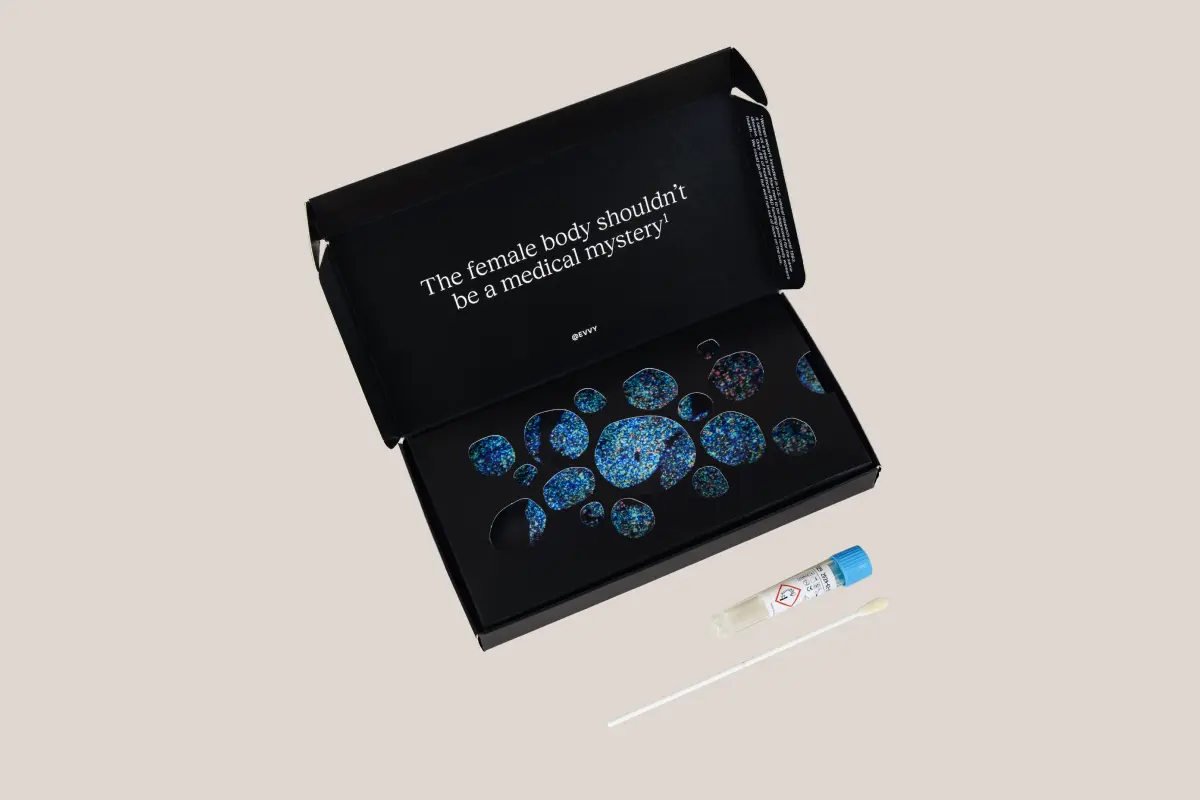
Get advanced insights into symptoms, fertility, and other health outcomes. Prelim results in 1-3 days.

Learn about preconception health and trimester zero, with evidence-based tips to support fertility and a healthy pregnancy journey.
Words by Olivia Cassano
Scientifically edited by Dr. Krystal Thomas-White, PhD
Medically reviewed by Dr. Kate McLean MD, MPH, FACOG
We spend a lot of time talking about what to do during pregnancy (what to eat, what to avoid, how to stay healthy), but far less time talking about what happens before you even start trying to conceive. That’s where the idea of “trimester zero” comes in.
Trimester zero is a new term referring to the months leading up to pregnancy, when you’re preparing your body for conception. The idea has recently gained popularity as a way to think about preconception health, focusing on factors like hormones, diet, and environment to support egg health. And while there’s truth to the idea that preconception health matters, the internet version can quickly spiral into a harmful mix of sensationalism, pseudoscience, and misinformation that can put a lot of unnecessary pressure on the person trying to conceive.
The reality is much simpler. There are evidence-based steps you can take to support fertility and a healthy pregnancy. But there’s also no way to guarantee conception, no matter how carefully you prepare.
Keep reading to learn more about preconception health, what both partners can do when trying to conceive (TTC), and how to approach “trimester zero” in a way that actually supports you, without the pressure.
Preconception health has a real, evidence-backed impact on fertility and pregnancy outcomes. It’s all about supporting your physical, mental, and reproductive health before conception. The preconception period is often defined as the three months immediately preceding a planned attempt to conceive — a window in which small, achievable changes can make a lasting difference.
Research shows that for both women and men, optimizing health beforehand can reduce risks like neural tube defects, preterm birth, and low birth weight. But according to Dr. Kate McLean, board-certified OB-GYN and Evvy's Chief Medical Officer, the fundamentals are simpler than the internet would have you believe. “The evidence-based basics are pretty straightforward: start folic acid, optimize chronic conditions, review medications, avoid tobacco and excess alcohol, understand factors like the vaginal microbiome, and time intercourse around ovulation.”
Taking folic acid (at least 400 micrograms daily) is one of the most well-established steps. Managing chronic conditions like diabetes, high blood pressure, or thyroid disorders improves both fertility and pregnancy outcomes, and reviewing medications with a provider matters too, since some drugs can affect fetal development.
Lifestyle factors like maintaining a healthy weight, staying active, eating a balanced diet, and keeping vaccinations up to date all support reproductive health without requiring an overhaul. One area Dr. McLean flags as genuinely underutilized is expanded carrier screening. "It can identify risk for serious inherited conditions before pregnancy and meaningfully change reproductive planning, and it's more impactful than people realize."
Where things go off track is in the broader "fertility optimization" space. "Hormone balancing, detoxes, elaborate supplement stacks, rigid lifestyle protocols — most of these are built on weak or indirect evidence and are marketed as far more powerful than they actually are," she says. “It’s also concerning when people are encouraged to delay fertility evaluation or treatment in favor of unproven interventions. Time matters, and not everything is fixable with lifestyle.”
Dr. McLean's rule of thumb for spotting overclaimed advice: "When the certainty exceeds the evidence, especially if it's paired with fear or urgency, that's a problem. If people are made to feel like they need to fix their bodies before trying to conceive, that's not evidence-based care."
Preconception health isn't one-size-fits-all, and not everything is within your control. But the basics, done consistently, go a long way.
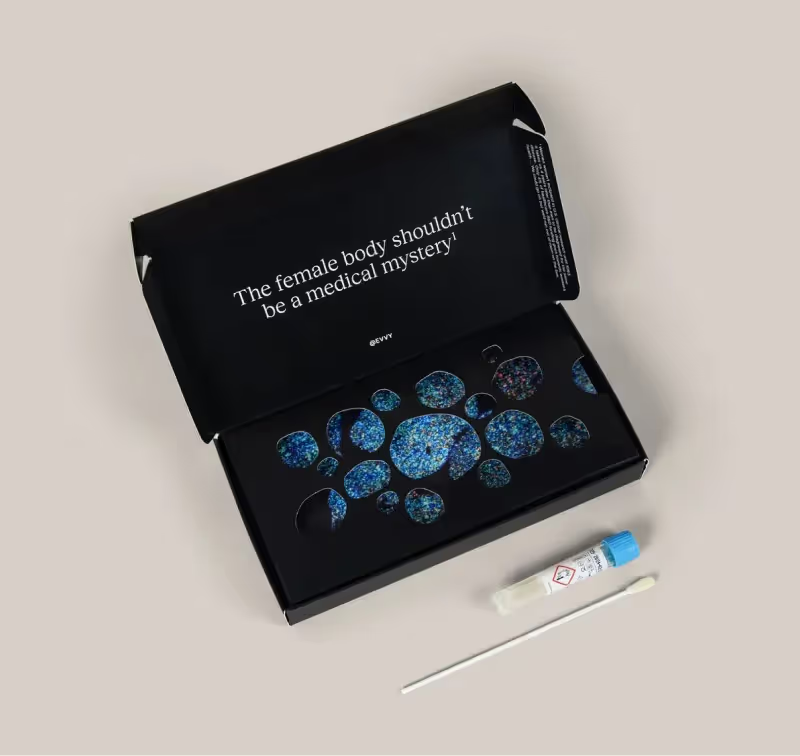
Recurrent symptoms? Get Evvy's at-home vaginal microbiome test, designed by leading OB-GYNs.
If you’re trying to get pregnant, there are a few evidence-based steps that can support fertility:
These steps don’t need to happen perfectly or all at once. Even small, gradual changes can have a meaningful impact. Remember that the goal is to support your health and give you the best chance of getting pregnant, not to overwhelm yourself in the process.
As for what to avoid? “Big claims, vague language (‘balances hormones,’ ‘improves egg quality’), heavy reliance on anecdotes, and anything that leans on fear are all red flags,” warns Dr. McLean. “Also, be cautious of products without clear evidence that they improve real outcomes like time to pregnancy or miscarriage rates.”
Male health plays a significant role in conception and pregnancy outcomes, too. Your partner's health can affect the pregnancy, so it's important to discuss family health histories together, and male partners should see themselves as active participants in the process.
Sperm health is influenced by many of the same factors that affect overall health. Smoking, excessive alcohol use, poor diet, and lack of physical activity can all negatively impact sperm count, motility (movement), and morphology (shape). On the flip side, improving these habits can support healthier sperm over time.
Timing matters here as well. Sperm take about two to three months to develop, which means changes you make today may take a few months to show up in sperm quality. Maintaining a healthy weight is also important, as obesity has been linked to hormonal imbalances that can affect sperm production. Similarly, managing chronic conditions like diabetes can improve reproductive outcomes.
There are also some lesser-known factors to consider. Frequent exposure to high heat (like hot tubs, saunas, or even keeping a laptop directly on your lap for long periods) may affect sperm production.
While supplements marketed for male fertility are popular, the evidence is mixed. A balanced diet remains the most reliable foundation, though some healthcare providers may recommend specific nutrients based on individual needs.
The idea of "trimester zero" can be helpful, but it can quickly become disingenuous. Online, it's often framed as a time to optimize everything: your hormones, your toxin exposure, your sleep, your supplements, your cortisol levels. The message, whether intentional or not, is that if you just try hard enough, track closely enough, and follow the right routine to a tee, you'll get pregnant quickly.
That's a compelling promise, but it's just not how human biology works. Even if you follow every evidence-based recommendation perfectly, fertility remains unpredictable. Many people conceive quickly with little to no preparation, while others do everything "right" and still face infertility. That unpredictability is part of how human reproduction works, however frustrating that may be.
There's also a real emotional cost to the over-optimization mindset, one that Dr. McLean sees play out particularly hard for people dealing with infertility or loss. "The idea of 'trimester zero' can easily morph into the idea that you need to reach some ideal state before you're allowed to try," she says. "That implies a level of control that doesn't really exist."
Understandably, women are drawn to these trends, especially when they're packaged as entertaining TikTok videos. Historically, women have often been unfairly blamed when conception doesn't happen quickly, and following a preconception routine (however evidence-light) can feel empowering when sitting back and waiting doesn't.
The risk is that optimization quietly turns into self-blame. When pregnancy doesn't happen right away, it's easy to start scrutinizing past choices and feel like you dropped the ball somehow. It can turn a natural process into something that feels like a test — of your discipline, your body, your competence as a woman. "Preconception care should be about reducing clear risks," says Dr. McLean, "not chasing perfection."
That doesn't mean preparation isn't valuable, because it absolutely is. But the goal should be focusing on what's evidence-based and sustainable.







.avif)