CONGRATS! YOU EARNED FREE SHIPPING.

Product Title
1
$0
$0
Subscription Title

Looking kind of empty in here.
We recommend:
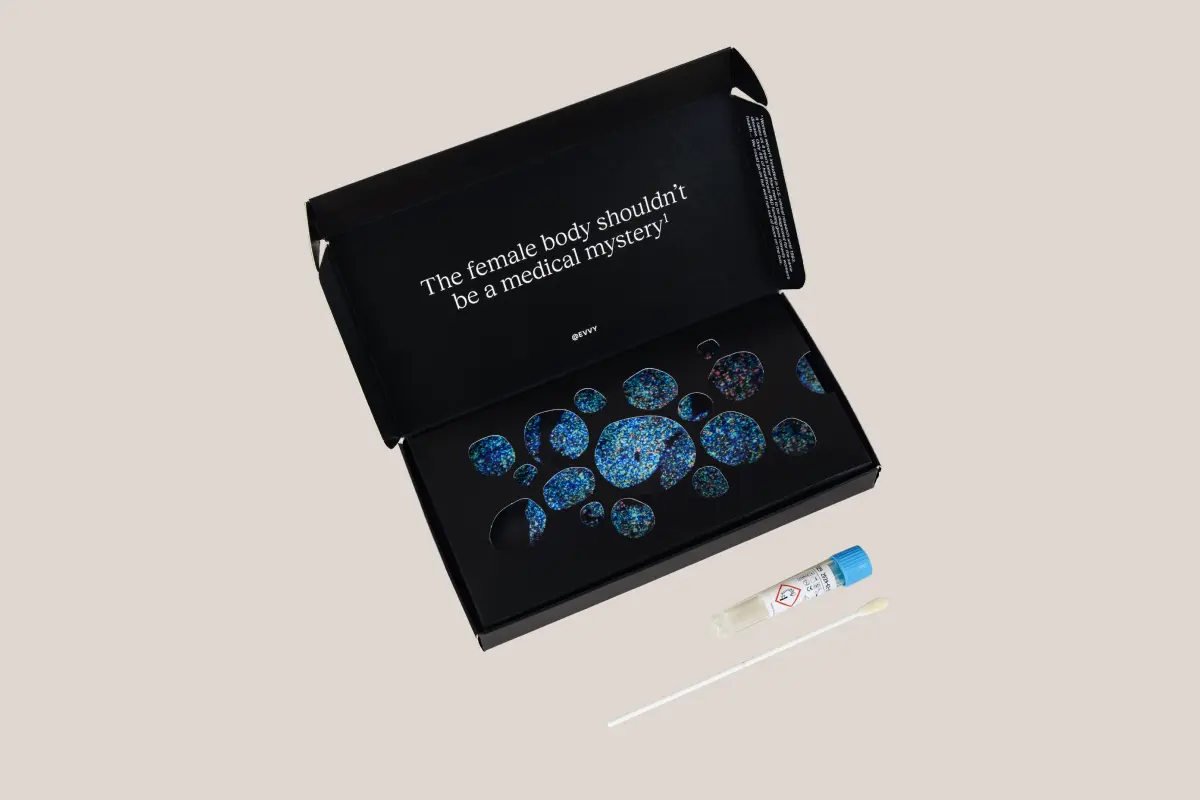
Get advanced insights into symptoms, fertility, and other health outcomes. Prelim results in 1-3 days.

Can BV cause infertility or stop you from getting pregnant? Learn how BV affects fertility, whether treating it helps, and how to protect conception.
Words by Olivia Cassano
Scientifically edited by Dr. Krystal Thomas-White, PhD
Medically reviewed by Dr. Kate McLean MD, MPH, FACOG
Bacterial vaginosis (BV) is a common vaginal infection that affects millions of women worldwide. While it is often associated with unpleasant symptoms such as abnormal discharge and a fishy odor, some women may not experience any symptoms at all.
One of the biggest concerns surrounding bacterial vaginosis is its potential impact on fertility. Can BV make it harder for women to conceive? Below, we’ll explore what BV is and whether it's linked to difficulties in getting pregnant.
Bacterial vaginosis is a vaginal infection caused by an imbalance of natural bacteria in the vagina. Normally, Lactobacillus species dominate the vaginal flora, maintaining an acidic vaginal pH that prevents harmful bacteria from overgrowing. When Lactobacilli decrease, and anaerobic bacteria increase, BV can develop. Symptoms can include:
About half of women with BV have no symptoms at all, which is why it can go undiagnosed for long periods, making its impact on reproductive health worth understanding.
Infertility is defined as the inability to conceive after 12 months of regular, unprotected intercourse. For women over 35, this timeframe is reduced to 6 months due to the natural decline in fertility with age. Infertility can result from issues in either the male or female reproductive system or a combination of both.
Several factors can contribute to female infertility, including:
BV hasn't been proven to cause infertility directly, but it's strongly linked to it. Researchers believe it may affect fertility through several mechanisms, including inflammation and increased PID risk.
Research shows that bacterial vaginosis is more common in women facing infertility. One study found women with infertility were 3.3 times more likely to have BV than those without. The connection is clear, but a direct causal link hasn't been proven yet.
Still, research suggests BV may negatively affect fertility through multiple mechanisms. A 2022 study following 89 women trying to conceive found that 59.6% became pregnant within a year. Those who conceived had higher levels of Lactobacillus, while those who didn't had higher levels of Gardnerella, a bacterium linked to BV.
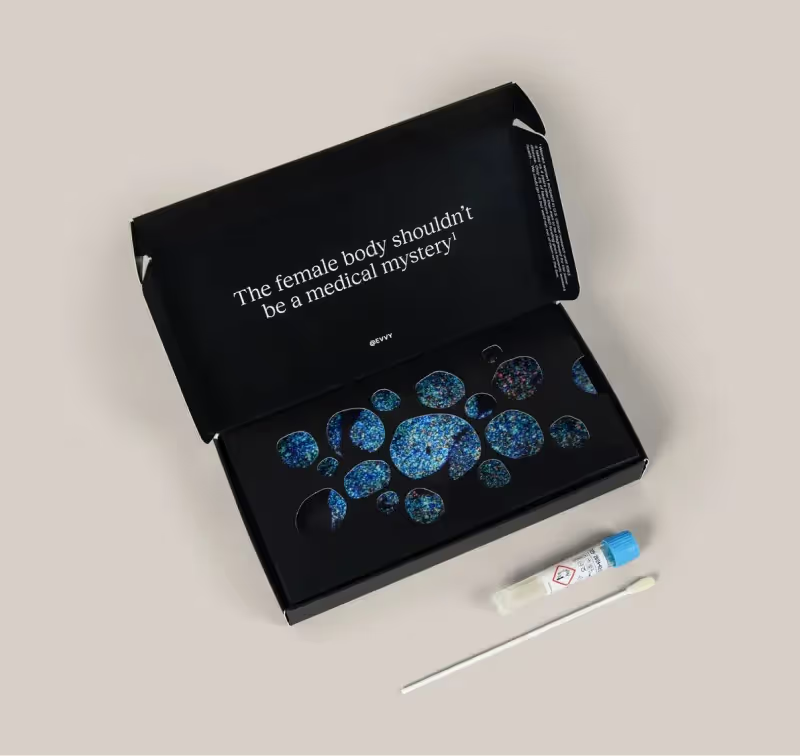
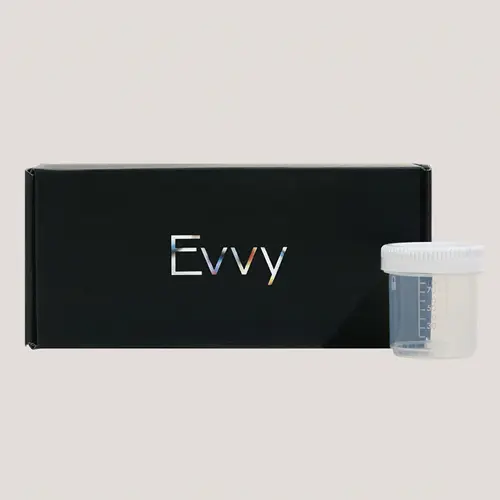
Recurrent symptoms? Get Evvy's at-home vaginal microbiome test, designed by leading OB-GYNs.
BV is associated with an increased risk of PID, a serious infection that affects the upper genital tract (uterus, fallopian tubes, and ovaries). PID can lead to scarring and blockages in the fallopian tubes, a major cause of infertility.
An imbalance of vaginal bacteria (dysbiosis) can trigger an inflammatory response. This inflammation causes the release of cytokines and other substances that promote inflammation. Unfortunately, this can harm the vaginal and cervical tissues, making it a less favorable environment for sperm, reducing their ability to reach and fertilize an egg.
For women undergoing assisted reproductive technology (ART), such as in vitro fertilization (IVF), BV may lower the chances of successful implantation.
Research found that most patients receiving ART have an abnormal vaginal flora, while women with Lactobacillus-dominated vaginal microbiomes have higher pregnancy rates. A meta-analysis of 17 studies found that vaginal dysbiosis was associated with poorer IVF outcomes. Additionally, vaginal microbiomes dominated by L. crispatus have been linked with higher rates of embryo implantation and live births after IVF.
Research has shown that women who have bacterial vaginosis may experience a significant increase in the risk of miscarriage in the first trimester. A study involving women going through IVF found that those with BV had a miscarriage rate of 31.6%, compared to 18.5% for those with healthy vaginal flora. This trend remained consistent even after accounting for other risk factors.
Interestingly, first-trimester miscarriages seem to coincide with a decrease in beneficial Lactobacillus bacteria and an increase in the variety of other bacterial communities. A meta-analysis of 25 studies found that vaginal dysbiosis (either BV or AV) was correlated with higher early pregnancy loss.
It’s important to remember that while BV is associated with a higher risk of miscarriage, not every woman with BV will face pregnancy loss. The research does indicate that BV is a notable risk factor, especially in early pregnancy. However, the connection between BV and first-trimester miscarriage still needs more exploration.
If you’re worried about bacterial vaginosis and how it might affect your pregnancy, it’s a great idea to chat with your healthcare provider. They can offer personalized advice and the right treatment if needed.
While treatment can help restore a healthy vaginal microbiome, more research is needed to determine whether it directly improves fertility rates. Some studies suggest treating dysbiosis before assisted reproductive technologies (ART) like IVF may lead to better outcomes, though most research has focused on high-risk populations, such as those with recurrent miscarriage or implantation failure. Some evidence suggests routine BV screening before IVF may not be justified by success rates alone.
Still, an imbalanced vaginal microbiome has been linked not only to BV but also to infertility, recurrent pregnancy loss, and pregnancy complications, while a healthy microbiome is associated with better fertility outcomes, including implantation success.
If you're actively trying to conceive, it’s generally recommended to treat BV first. Standard treatments like metronidazole and clindamycin are considered safe to use while trying to conceive, and metronidazole is also generally considered safe if you're already pregnant — though your provider should confirm this based on your specific situation. After treatment, it's worth retesting to confirm the infection has fully cleared before trying again, since treating with active BV may carry added risk.
If BV keeps coming back, it's worth addressing recurrence before conception rather than during early pregnancy, when treatment options are more limited. Loop in your OB-GYN or fertility provider if you have recurrent BV, are undergoing fertility treatment like IVF, or have a history of pregnancy loss. They can help you weigh testing and treatment options as part of your broader conception plan.
While BV can’t always be prevented, certain lifestyle habits may help support a healthy microbiome:
While it doesn't directly prevent pregnancy, BV has been linked to some fertility challenges. Bacterial vaginosis can put you at an increased risk of pelvic inflammatory disease (PID), which can lead to scarring or blockages in the fallopian tubes, making it harder to conceive. Furthermore, BV can cause some inflammation and changes in the vaginal environment that may not be ideal for sperm, potentially lowering the chances of fertilization. There are even some studies suggesting that BV might affect the success rates of in vitro fertilization. If you're trying to conceive, it's a great idea to talk to a healthcare provider. They can help you manage the condition and keep things on track for your fertility journey.
Untreated BV increases the chances of developing PID, which can cause some complications like scarring in the fallopian tubes and may even result in infertility down the line. Also, untreated BV can make you more susceptible to sexually transmitted infections (STIs) like chlamydia and gonorrhea, as it creates an environment where harmful bacteria can easily flourish. For pregnant women, bacterial vaginosis can increase the risk of complications such as preterm birth, low birth weight, and even miscarriage. On top of that, persistent BV can cause ongoing discomfort, including irritation, abnormal discharge, and a fishy odor, which can significantly affect your overall well-being and quality of life.
BV itself doesn’t directly cause blocked fallopian tubes, but it can raise the risk of pelvic inflammatory disease, which is a common cause of tubal blockage. If BV isn’t treated, harmful bacteria can travel from the vagina to the uterus and fallopian tubes, leading to inflammation and infection. Over time, this might create scar tissue that can block the fallopian tubes, making it harder for sperm to reach the egg and affecting your chances of conception. While not everyone with BV will experience PID or infertility, repeated or untreated infections can lead to long-term reproductive health concerns. The good news is that getting prompt treatment for BV can really help lower the risk of complications that might affect your fertility.
Yes. BV treatment doesn't affect your ability to get pregnant, and many people conceive without issue after clearing it up. It's a good idea to confirm that the infection has fully resolved with a retest before trying again, just to make sure you're starting from a healthy baseline.
Untreated BV hasn't been proven to cause infertility directly, but it raises the risk of pelvic inflammatory disease, which can scar or block the fallopian tubes (a known cause of infertility). The longer BV goes untreated, the more chances it has to contribute to these complications, so it's best not to leave it unaddressed.
There's no way to fully prevent BV, but a few habits can significantly lower your risk. Avoid douching, since it disrupts your natural bacterial balance, quit smoking, and consider taking a probiotic with Lactobacillus strains to support a healthy vaginal microbiome. Under normal circumstances, condoms are one of the most effective ways to reduce BV risk, but that's not really an option when you're trying to conceive. BV can be passed between partners, and emerging research has found that treating male partners alongside female partners can significantly reduce BV recurrence. If you're dealing with recurrent BV while TTC, it may be worth asking your provider whether partner treatment makes sense for your situation, alongside your own treatment plan.
There's no set timeline, since BV doesn't directly cause infertility for most people. The risk comes from complications like PID, which can develop with repeated or prolonged untreated infections. The longer BV is left untreated, the greater the chance of these complications building up over time.
Yes, you can get pregnant while you have BV. It doesn't typically prevent conception outright, though it's linked to a higher risk of complications like miscarriage, so it's worth getting tested and treated, especially if you're actively trying to conceive.
Yes, sperm can survive if you have BV, but the altered vaginal environment makes it harder. A healthy vagina is naturally acidic, which protects against infection, and semen temporarily buffers this acidity to help sperm survive. BV disrupts that balance, causing pH shifts that can impair sperm motility and viability. Bacterial overgrowth also produces toxins that can directly impair sperm function, making it harder for sperm to fertilize an egg.






.avif)