CONGRATS! YOU EARNED FREE SHIPPING.

Product Title
1
$0
$0
Subscription Title

Looking kind of empty in here.
We recommend:
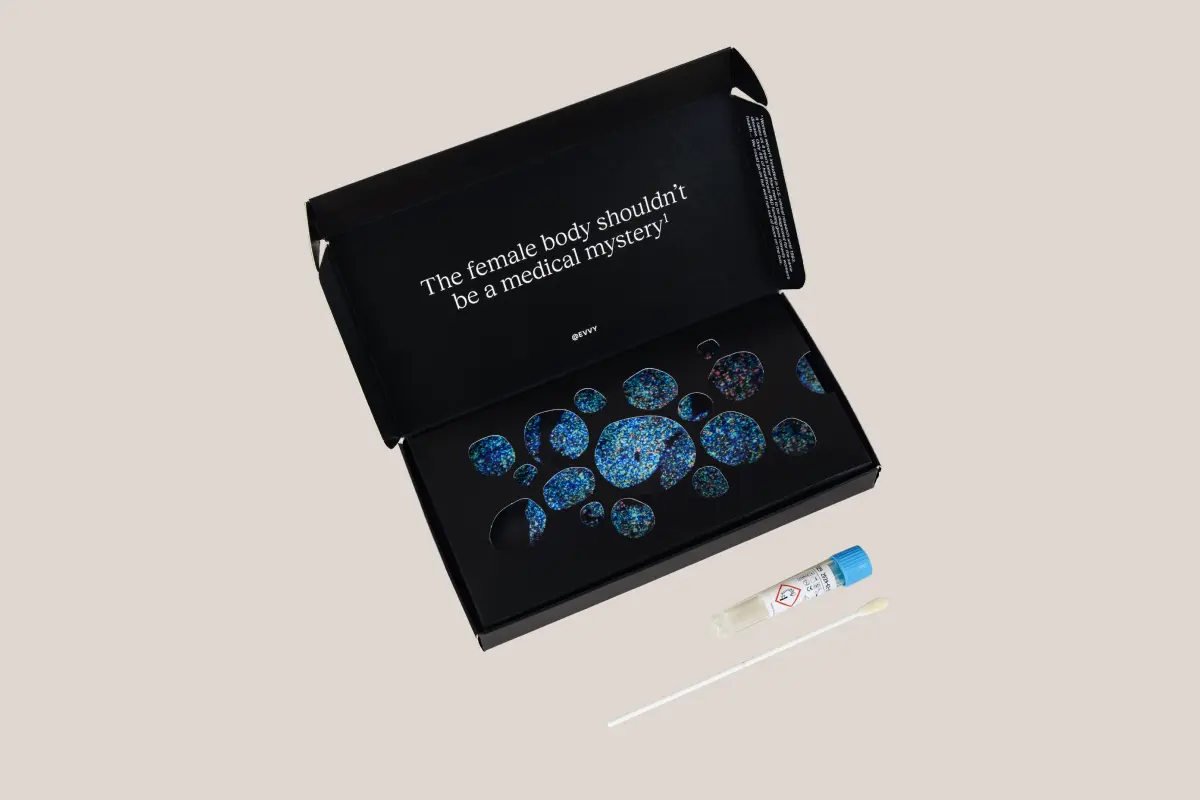
Get advanced insights into symptoms, fertility, and other health outcomes. Prelim results in 1-3 days.
Wondering if you can exercise with a yeast infection? Learn which workouts are safest, what makes symptoms worse, and how to tell if what you have is actually yeast.
Words by Olivia Cassano
Scientifically edited by Dr. Krystal Thomas-White, PhD
Medically reviewed by Dr. Kate McLean MD, MPH, FACOG
Working out is a non-negotiable for a lot of people, but a yeast infection can throw a wrench in your routine. Luckily, exercise isn't automatically off the table. Whether you can work out with a yeast infection or take a rest day mostly depends on your symptoms and the type of workout you're planning. Keep reading to learn how working out can affect an active yeast infection, plus helpful tips to keep symptoms from getting in the way.
Available research doesn’t address whether or not you should avoid working out with a yeast infection, so it all comes down to how you feel. Mild symptoms don't necessarily mean you need to skip the gym, but severe discomfort is your body's way of asking you to slow down.
If you're experiencing low-level vaginal itching or irritation that doesn't interfere with daily life, gentle to moderate exercise is generally fine. The key is choosing the right type of movement and taking steps to minimize moisture and friction (more on that below).
On the other hand, if you're dealing with significant inflammation, burning, or pain, exercise can aggravate already irritated tissue. Pushing through intense workouts when symptoms are severe won't speed up your recovery, and could make you more uncomfortable. If you've just started treatment, giving your body a couple of days to start responding before returning to harder workouts is a reasonable call.
Essentially, there’s no medical reason why you shouldn’t work out if you have a yeast infection — check in with your body and use your best judgment.
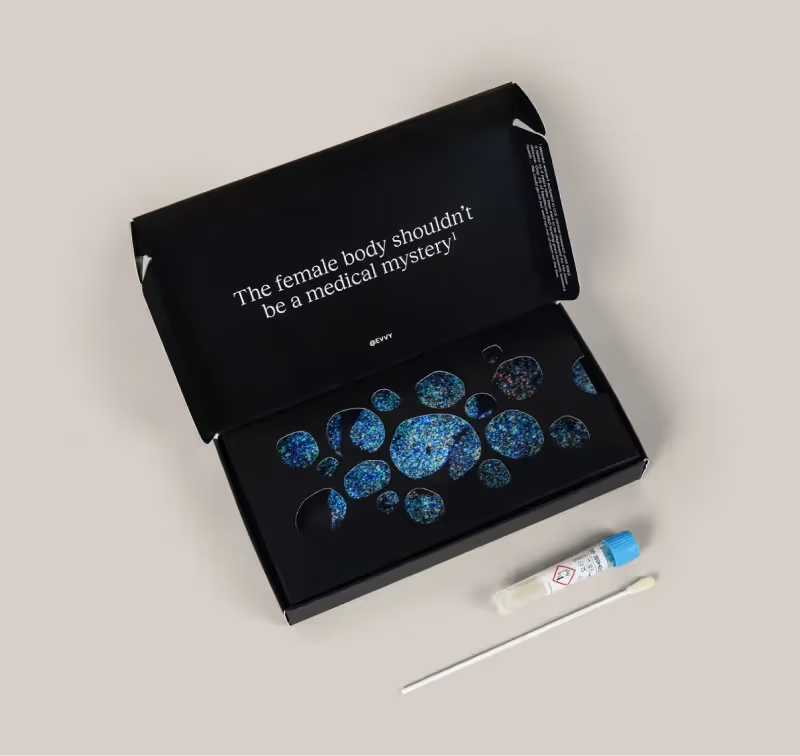
Recurrent symptoms? Get Evvy's at-home vaginal microbiome test, designed by leading OB-GYNs.
You can generally keep moving if:
Take a rest day if:
Not all workouts carry the same risk when you have an active yeast infection. The goal is to minimize heat, sweat, and friction in the vulvar area, so lower-intensity, lower-impact movement is the way to go.
Lower-risk options include:
Workouts to avoid or modify:
Consider scaling back or swapping to a gentler option until your symptoms resolve, and you feel better. The good news is that yeast infections typically respond quickly to treatment, and most people start to feel better within one to two days of starting an antifungal, so a short break from your usual routine is unlikely to set you back for long.
Candida albicans, the fungus behind most vaginal yeast infections, naturally lives in the vagina in small amounts. The problem happens when something tips the balance, allowing it to overgrow. Exercise creates several of those conditions at once.
When you work out, your body temperature rises, and sweat accumulates in the genital area, creating a warm, moist environment where yeast thrives. Staying in sweaty workout clothes after exercise makes this worse. The longer damp fabric sits against your skin, the longer Candida has favorable conditions to multiply.
A large survey of women with vulvovaginal candidiasis (VVC) found that humid weather was one of the most commonly reported triggers — ranking behind antibiotics and sexual intercourse. It's worth noting that this was self-reported data, so it reflects perceived triggers rather than confirmed causal relationships, but it does align with what we know about Candida's preference for warm, moist environments.
What you wear while exercising matters more than most people realize. Synthetic fabrics like polyester and nylon don't absorb sweat; they trap it against the skin, raising both moisture and temperature in the genital area. That warm, damp environment is exactly where Candida thrives. One large study found that wearing underwear with a non-cotton crotch is linked to yeast infections. The study used self-reported infection histories, so it shows a connection rather than proving cause, but it aligns with what we know about how synthetic materials can affect the vaginal area.
Friction makes the problem worse, too. Tight leggings and compression shorts can rub against the vulvar skin during movement. This repeated rubbing can damage the skin barrier, making it easier for Candida to grow.
Cotton underwear is generally the better choice, but it's a bit of a trade-off during workouts specifically: it's more breathable, but it absorbs sweat and holds onto it rather than moving it away from the skin — which can keep you damp for longer during exercise. The ideal post-workout solution is to change out of whatever you wore as quickly as possible and opt for loose, breathable clothing while you recover.
Before you adjust your workout routine, it's worth making sure you're actually dealing with a yeast infection. The classic symptoms (itching, unusual discharge, vulvar irritation) overlap significantly with BV and other vaginal infections, including some sexually transmitted infections.
A provider can assess your symptoms and run appropriate testing, which is the most reliable route if you're unsure. If you don't want to wait for a doctor's appointment, Evvy's Vaginal Microbiome Test is an at-home test that detects over 700 bacteria and fungi — including Candida species that cause yeast infections, as well as organisms associated with BV and other vaginal infections — giving you a complete picture of your vaginal microbiome. Eligible users can also access custom prescription treatment tailored to their results through an Evvy-affiliated provider.
Though you can't fully prevent yeast infections, a few consistent habits can significantly reduce your risk of Candida flare-ups triggered by exercise:
It depends on your symptoms. Mild discomfort and low-intensity, low-friction activities (walking, gentle yoga, light strength training) are generally compatible. The key is to avoid high-sweat, high-friction workouts and change out of workout clothes promptly afterward.
Avoid high-intensity workouts like spin classes, hot yoga, and long runs. Beyond exercise, avoid tight synthetic clothing, scented soaps or washes in the vulvar area, and sitting in sweaty or wet clothing — all of which aggravate Candida overgrowth or irritated tissue.
No, exercise itself doesn't directly cause yeast infections, but the conditions it creates (heat, sweat, tight clothing, delayed clothing changes) can tip the balance of your vaginal microbiome toward Candida overgrowth. Athletes who spend extended periods in workout gear may be more susceptible if they don't change and shower promptly.
Sweat alone doesn't cause a yeast infection, but it creates the warm, moist environment Candida prefers. When sweat is trapped by synthetic, non-breathable fabrics, it raises moisture and temperature in the genital area, giving yeast better conditions to multiply.
Heat alone doesn't cause a yeast infection, but it can contribute to the conditions that allow Candida to overgrow. Candida albicans thrives in warm, moist environments, so when exercise raises the local temperature in the genital area and combines with sweat and occlusive clothing, it creates a more favorable environment for overgrowth. Heated fitness settings like hot yoga studios are particularly high-risk for this reason, but it's the combination of heat, moisture, and trapped air that's the problem, not heat on its own.
It depends on the test. There are many at-home options available, each using very different technology. Standard OTC tests typically measure vaginal pH, which can point toward an infection but can't tell you which one, so a pH strip alone isn't enough to confidently confirm what you're dealing with. Evvy's Vaginal Microbiome Test uses metagenomic sequencing, so you get a precise picture of what's actually going on, not just a directional clue. It's also the first vaginal microbiome test to be peer-reviewed for accuracy, and is performed in a CLIA-certified, CAP-accredited laboratory whose assay has received New York State CLEP approval.