CONGRATS! YOU EARNED FREE SHIPPING.

Product Title
1
$0
$0
Subscription Title

Looking kind of empty in here.
We recommend:
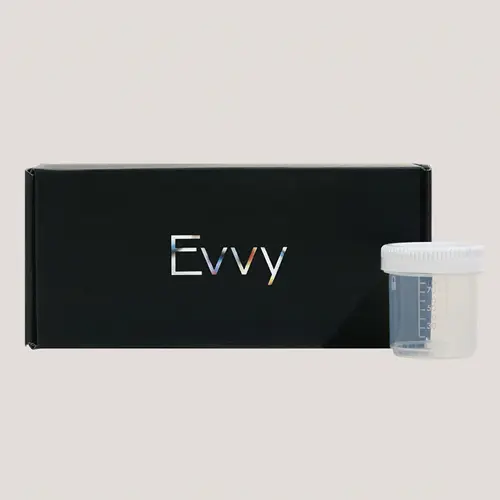
Get advanced insights into symptoms, fertility, and other health outcomes. Prelim results in 1-3 days.

Notice a fishy smell after sex? Learn what causes vaginal odor after intercourse, when it signals an infection like BV, and how to treat it fast.
Words by Olivia Cassano
Scientifically edited by Dr. Krystal Thomas-White, PhD
Medically reviewed by Dr. Kate McLean MD, MPH, FACOG
A healthy vaginal odor is completely normal, and it naturally shifts throughout your cycle, after sex, and at different life stages. While vaginas aren’t meant to smell like a rose garden, a strong, persistent fishy smell that shows up after sex is a different story. That's usually a sign that something has shifted in your vaginal microbiome, whether it's a temporary pH change triggered by sex or an infection like bacterial vaginosis (BV).
The tricky part is that the symptoms often overlap, making it hard to know what you're actually dealing with without testing. If you've been noticing an unusual odor and want real answers, Evvy's Vaginal Microbiome Test can tell you exactly what's going on, so you're not left guessing.
Your vaginal microbiome is a finely tuned ecosystem. It’s mostly composed of Lactobacillus bacteria, which maintain the vaginal environment at a slightly acidic pH (around 3.8–4.5). That acidity is protective and keeps harmful bacteria in check. The problem is that sex can temporarily disrupt that balance in more than one way.
Semen is alkaline, with a pH of around 7.2–8. When it mixes with vaginal fluid, it raises the vaginal pH, sometimes enough to temporarily allow odor-causing bacteria to thrive. This is one of the most common reasons people notice a fishy or off smell after sex with a partner who has a penis. The smell is usually short-lived as the vaginal pH rebalances, but if it keeps happening or lingers for more than a day or so, it could be a sign that your microbiome is already out of balance.
Sex also increases body temperature, friction, and sweat, all of which can intensify natural body odor. The vulva has sweat glands, and when combined with increased blood flow and friction during sex, it’s normal for smells to be a bit stronger than usual. This kind of odor is generally musky rather than fishy, and it tends to go away after a shower. If the smell is distinctly fishy, that’s worth paying attention to.
Being sexually active is one of the biggest risk factors for BV, and emerging research is starting to explain why. It turns out that BV-associated bacteria aren't exclusive to the vaginal microbiome. Studies have found that people with penises carry BV-associated bacteria in their penile and semen microbiomes, meaning those bacteria can be transferred to a female partner during sex. This may help explain why BV so often comes back after treatment in people with male partners, even when nothing else seems to have changed. New research shows that treating male partners alongside female partners (using topical penile antiseptic gels or antibiotics) may be key to breaking the cycle of recurrent BV, though this approach isn't yet standard practice.
The same dynamic plays out in same-sex relationships. Women who have sex with women have higher rates of BV than women who don't, and research suggests this is partly because BV-associated bacteria can pass between partners during sex, meaning both partners may need to be treated for the cycle to actually stop.
This doesn't mean sex causes BV in a straightforward, one-to-one way. But it does mean that your partner's microbiome has a real influence on yours, and that BV is less of a solo problem than it's often treated as.

Recurrent symptoms? Get Evvy's at-home vaginal microbiome test, designed by leading OB-GYNs.
If a fishy vaginal odor keeps coming back after sex (or doesn’t go away at all), it’s likely a symptom of a vaginal infection. The most common culprit is BV, but it’s not the only possibility.
BV happens when the Lactobacillus bacteria in the vagina are overgrown by other bacteria, including Gardnerella, Prevotella, and others. Certain BV bacteria are more likely to produce biogenic amines (volatile compounds that cause a strong, unpleasant, or fishy smell), especially in an alkaline environment. Because semen is alkaline, sex can trigger or worsen that fishy odor if BV is already present, or on the verge of developing.
This is why a lot of people first notice their symptoms after sex — it’s not that sex caused the BV, but it can make the odor more obvious. Often, BV doesn't cause noticeable symptoms. Therefore, it’s possible that sexual activity triggered vaginal odor, making you aware of an issue.
BV is the most common cause of fishy vaginal odor, but it’s not the only one. Trichomoniasis, a sexually transmitted infection (STI) caused by a parasite, can also cause a fishy or musty odor, often accompanied by yellow-green discharge and itching. In rare cases, a forgotten tampon or other foreign object can cause a strong, unpleasant odor after sex. Some people also experience a temporary odor change linked to hormonal shifts — around ovulation or during perimenopause, for example — when vaginal pH can become less acidic.
A fishy vaginal smell is typically a sign of infection, but odor alone doesn’t always tell the whole story. Here’s how to get a clearer picture of what’s going on.
A healthy vagina typically has a mild, musky scent, which can change due to factors such as the menstrual cycle, hormone levels, or diet. A slightly stronger or muskier smell immediately after sex is normal. Bodies produce sweat, natural secretions mix together, and pH temporarily shifts, all of which can create a more noticeable odor that fades within hours, especially after washing.
What’s not typical is a persistent, strong fishy smell that doesn’t go away after a day, or that’s accompanied by other symptoms like unusual discharge (gray, white, or yellow-green), vaginal irritation, itching, or burning.
If a fishy odor after sex persists for more than a day or is accompanied by unusual discharge, itching, burning, or pain, it is advisable to consult a healthcare provider for diagnosis and treatment.
If you notice a fishy smell after sex, a doctor will typically start by taking a swab and running a standard BV test to check for clue cells under a microscope, measuring vaginal pH, and sometimes doing a whiff test (adding potassium hydroxide to the sample to see if it intensifies the odor).
If an STI is suspected, they'll test for trichomoniasis, chlamydia, and gonorrhea separately. This approach can catch the most obvious infections, but it has limits: standard BV testing doesn't capture the full bacterial picture, so it can miss low-level dysbiosis or mixed infections that still contribute to symptoms.
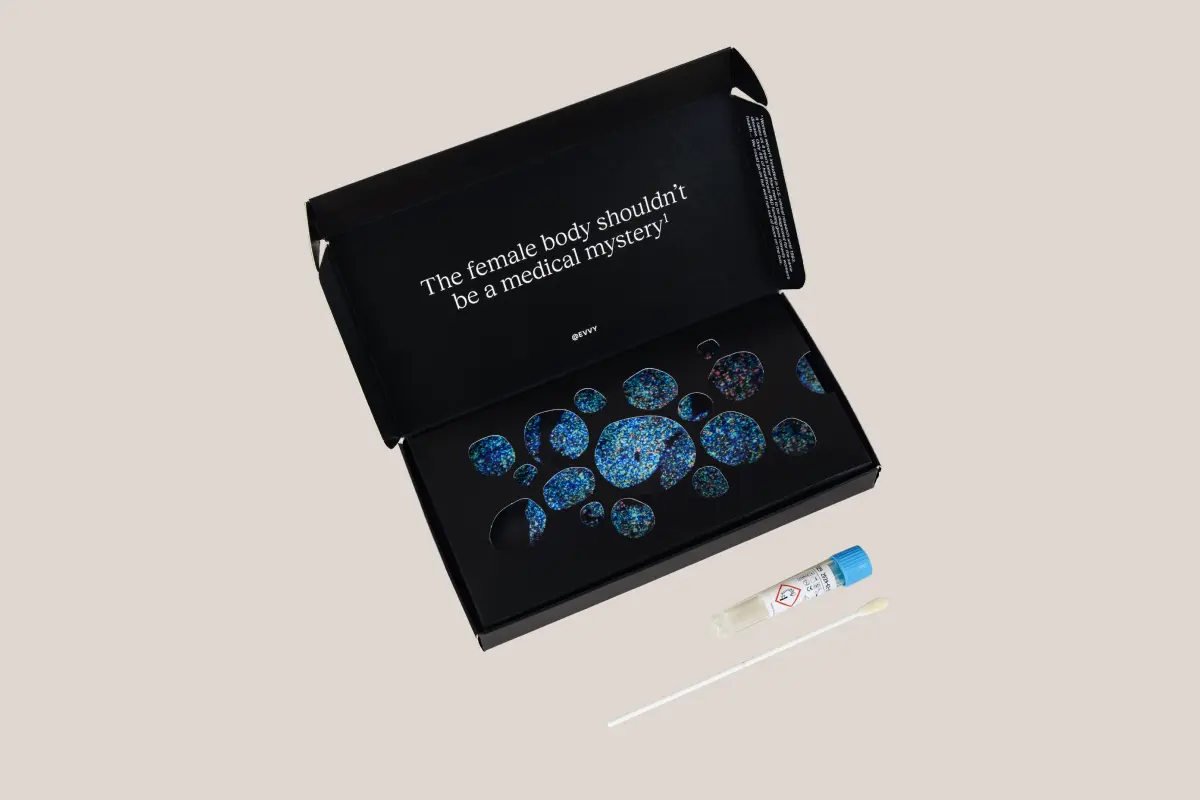
Evvy's Vaginal Microbiome Test goes further. It uses metagenomic sequencing to identify every bacteria and fungus present in your sample — including BV-associated bacteria that a standard swab might miss. It can also distinguish between BV, yeast infections, and other dysbiosis patterns, and it screens for four of the most common STIs, including trichomoniasis. So rather than running multiple separate tests and still potentially missing pieces of the picture, you get a comprehensive view of what's actually going on.
Whether you see your provider or use an at-home kit, don't put off getting tested. A fishy smell after sex is easy to dismiss or feel embarrassed about, but untreated BV and STIs like trichomoniasis have been linked to serious long-term health complications, including pelvic inflammatory disease (PID), preterm birth, and fertility issues. The sooner you know what's going on, the sooner you can treat it and protect your long-term reproductive health.
Treatment depends on what’s causing the odor. Here’s what actually helps.
BV is typically treated with antibiotics, most commonly metronidazole (oral or vaginal gel) or clindamycin. Trichomoniasis also requires antibiotic treatment (usually a single dose of metronidazole or tinidazole), and both you and your partner will need to be treated to avoid reinfection.
As tempting as it may be, self-diagnosis is unreliable. The same symptoms can have different causes, and the treatment for each is different. Testing (especially a comprehensive test like Evvy’s) ensures you’re treating the right thing.
While you can’t always prevent vaginal odor entirely, some habits can help keep your vaginal pH balanced and reduce the chances of an infection developing:
The best treatment depends on the cause. If BV is responsible for the odor, your healthcare provider will likely prescribe metronidazole or clindamycin. If the smell is mild and fades within a day, it may just be a temporary pH shift that resolves on its own. The most important thing is to get tested before starting any treatment. Relying on guesswork can lead to using the wrong medication and making things worse.
A mild, temporary odor after sex can be normal, and often the result of pH changes, sweat, or the mix of bodily fluids. But a strong, distinctly fishy smell that lingers beyond a few hours, or that comes back consistently after sex, isn’t something to brush off. That kind of recurring smell is worth investigating, especially if it’s accompanied by abnormal vaginal discharge, itching, or irritation.
Trichomoniasis is the STI most commonly associated with a fishy odor. It’s caused by a parasite called Trichomonas vaginalis and can also cause frothy greenish-yellow discharge, itching, and discomfort during sex or urination. It’s worth noting that BV — while not officially classed as an STI — is strongly associated with sexual activity and is the most frequent cause of fishy vaginal odor overall. Both can be identified through testing.
There’s no guaranteed way to prevent BV, but there are things that reduce your risk. Using condoms and dental dams consistently is one of the most effective strategies, because it limits pH disruption from semen and reduces exposure to new bacteria. Avoiding douching and scented vaginal products is equally important, since these disrupt the natural microbiome. Some people who experience recurrent BV benefit from boric acid suppositories or Lactobacillus-based probiotics used after sex to help the vaginal environment stay balanced. If you keep getting BV, it’s worth working with a provider who specializes in vaginal health to look at what might be driving recurrence.