CONGRATS! YOU EARNED FREE SHIPPING.

Product Title
1
$0
$0
Subscription Title

Looking kind of empty in here.
We recommend:

Get advanced insights into symptoms, fertility, and other health outcomes. Prelim results in 1-3 days.

Getting BV after sex? Here's what the research says about why it keeps happening, and the evidence-based steps that actually reduce your risk.
Words by Olivia Cassano
Scientifically edited by Dr. Krystal Thomas-White, PhD
Medically reviewed by Dr. Kate McLean MD, MPH, FACOG
Sex is the biggest trigger for bacterial vaginosis (BV), and if you keep getting it after sex, that's not a coincidence (or a hygiene problem). Semen is alkaline, which temporarily disrupts the acidic vaginal environment that keeps protective bacteria in balance. Sexual activity can also introduce BV-associated bacteria from a partner directly into the vaginal microbiome. For some people, every unprotected sexual encounter is a repeated disruption that the microbiome struggles to recover from.
Thankfully, we now have a much clearer picture of what works, what doesn't, and when the approach needs to go beyond individual lifestyle changes. Keep reading to learn more about how to prevent BV after sex.
Sex doesn't cause BV on its own, but it's one of the most consistent risk factors (for a few reasons).
The first mechanism is pH disruption. A healthy vaginal pH ranges from 3.8 to 4.5, making it acidic enough to keep most harmful bacteria under control. Semen is significantly more alkaline, with a pH of around 7.2 to 8.0. When semen enters the vagina during unprotected sex, it temporarily raises vaginal pH. This shift can persist for several hours before returning to baseline, and in that window, conditions favor the growth of BV-associated bacteria over protective Lactobacilli.
The second mechanism is bacterial transfer. Men can carry bacteria associated with BV, such as Gardnerella, Prevotella, Sneathia, and Atopobium vaginae, on their skin and in their semen. During unprotected sex, these bacteria can be introduced into the vaginal microbiome. Research shows that having a new sexual partner, being with multiple sex partners, and not using condoms consistently can all increase the risk of BV. These patterns suggest there’s a bacterial element that can be passed through sexual contact.
For some people, especially those with a less Lactobacillus-dominant microbiome to begin with, this means that every unprotected sexual encounter can tip the balance toward BV. And if those triggers aren't addressed, antibiotics alone won't break the cycle, because the infection just keeps coming back.

Recurrent symptoms? Get Evvy's at-home vaginal microbiome test, designed by leading OB-GYNs.
Condoms are the single most evidence-backed prevention tool for sex-related BV. They address both mechanisms at once: blocking semen from entering the vagina (and therefore preventing the pH shift) and reducing direct bacterial transfer from a partner.
One large randomized controlled trial found that inconsistent condom use was associated with nearly double the risk of BV recurrence. A separate study found that consistent condom use reduced the risk of BV by 45%.
If you have female partners, dental dams offer the same kind of protection during oral-vaginal or vulva-to-vulva contact, since BV-associated bacteria can be passed between female partners, too.
Douching is one of the most harmful things you can do for vaginal health, despite being marketed as a hygiene practice. It disrupts the vaginal microbiome by washing away the Lactobacillus bacteria that produce lactic acid and maintain the acidic environment that keeps pathogens in check. Research consistently links douching to higher rates of BV, not lower. The same applies to scented soaps, vaginal washes, and any product applied internally to the vagina. The vagina is self-cleaning, and warm water alone is enough to clean the vulva. Anything more creates a more alkaline, disrupted environment (exactly the conditions that make BV more likely to develop or recur).
There's nothing wrong with having multiple partners. But if you're prone to BV, it's worth knowing that having more sexual partners can increase your risk of getting BV. Each new partner introduces a different microbial environment, which means greater potential exposure to BV-associated bacteria and greater disruption of your vaginal pH.
The Centers for Disease Control and Prevention (CDC) lists limiting the number of sexual partners as one of its recommended steps for reducing BV risk. If you're managing recurrent bacterial vaginosis and have multiple sex partners, using condoms consistently with all of them is especially important.
Some simple lifestyle habits can help protect your vaginal microbiome. The first is incorporating a probiotic supplement into your daily routine. Probiotics won't stop BV if you're being repeatedly exposed to BV-associated bacteria during sex, but for people whose microbiome is prone to disruption, the right probiotic strains can help support a more resilient vaginal environment between infections.
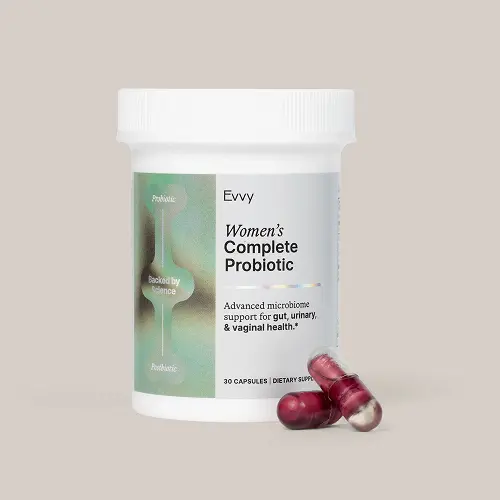
The most well-studied strains for vaginal health are Lactobacillus crispatus, Lactobacillus rhamnosus, and Lactobacillus reuteri. Both Evvy's Women's Complete Probiotic and Evvy's Vaginal Probiotic Suppositories contain all three. The oral probiotic supports gut, urinary, and vaginal health systemically, while the vaginal probiotics deliver those bacteria directly to the vaginal environment for more targeted support. Neither replaces treatment for an active infection, though. If you have BV, antibiotic treatment comes first.
If you're prone to recurrent bacterial vaginosis, your provider might discuss a couple of approaches with you. Some people are prescribed long-term antibiotic prophylaxis, a low-dose antibiotic taken regularly to help prevent BV from coming back. This is something you'd need to discuss with an in-person provider.
Separately, boric acid is sometimes used to help manage BV symptoms, particularly in cases where standard treatment hasn't worked or BV keeps returning. It's not a cure, but it can help restore vaginal pH and keep symptoms under control. Boric acid suppositories aren’t a first-line treatment and won't clear an active infection on their own, but they work by breaking down biofilms, restoring vaginal acidity — creating conditions that are less hospitable to BV-associated bacteria. Some providers may also recommend them as a maintenance strategy between infections or alongside antibiotics for persistent cases.
Lastly, avoid cigarette smoke. Smoking is associated with lower Lactobacillus levels in the vaginal microbiome, likely because it affects estrogen levels and local immunity, both of which influence which bacteria thrive. If you smoke and you're prone to BV, consider quitting.
If you keep getting BV after sex with the same male partner, and standard treatment keeps failing, the problem may be reinfection.
Men can carry BV-associated bacteria on their penile skin and in their semen without experiencing any symptoms themselves. When only one partner is treated, the other continues to carry the bacteria and reintroduces them during sex. This is one of the leading explanations for why BV recurrence is so common in women who sleep with men.
A recent study published in the New England Journal of Medicine (NEJM) looked into this connection directly. It found that treating both partners simultaneously — using oral metronidazole and topical clindamycin for the male partner — reduced BV recurrence by nearly half compared to treating the female partner alone. Recurrence within 12 weeks was 35% in couples in which both partners received treatment, versus 63% in couples in which only the woman received treatment.
Partner treatment could be the solution if:
There are currently no official CDC treatment guidelines recommending routine male partner treatment for BV, but the consensus is shifting. Some providers are now recommending simultaneous treatment as standard for recurrent cases, and Evvy even offers Male Partner BV Treatment, designed to help your female partner break the cycle of BV.
If you keep getting BV after having sex — and want to break the cycle for good — testing your microbiome should be your first step.
That’s partly because BV isn’t the same for everyone. Research by Evvy shows there are different types of BV, each driven by different bacteria. The specific bacteria causing your BV can affect how well standard antibiotics work, how quickly symptoms return, and whether some strains are contributing to antibiotic resistance. Treating BV without knowing the specific bacteria involved means you might keep taking antibiotics that aren’t solving the problem.
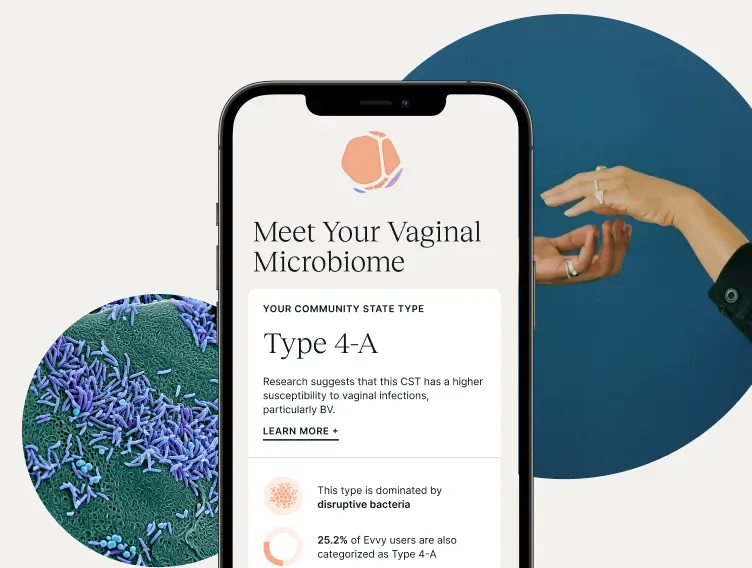
Evvy’s Vaginal Microbiome Test uses advanced sequencing to identify and measure the full range of bacteria and fungi in your vaginal microbiome. Unlike regular tests that look for only one or two bacteria, this test maps your whole microbiome. You’ll see which BV-related bacteria are present, their amounts, and how balanced protective versus harmful organisms are.
This information is important for anyone with BV triggered by sex for a few reasons. First, it helps you and your healthcare provider identify exactly which bacteria are involved, enabling better-targeted treatment. Second, it shows your baseline Lactobacillus levels and community type, which tells how strong or weak your microbiome is against disruptions caused by sex. Retesting after treatment also helps confirm if the bacteria are gone or if you’re symptom-free but still have an imbalanced microbiome that could cause a relapse. Eligible Evvy users who have an imbalance can get customized prescription treatment through an Evvy-affiliated provider.
BV is inconvenient at the best of times, but when left untreated, it carries real implications for fertility and pregnancy outcomes.
For people trying to conceive, the vaginal microbiome is important for reproduction. Research shows that BV and low levels of Lactobacillus in the vaginal and endometrial microbiomes can lead to more implantation failures, including during in vitro fertilization (IVF) cycles. While researchers are still determining the cause, increasing evidence supports the link between chronic BV and fertility issues.
If you’re already pregnant, BV can raise certain risks. BV is linked to pregnancy complications like preterm birth, low birth weight, and infections after birth. It may cause bacteria to move from the vagina into the upper reproductive area, leading to inflammation that can affect the pregnancy. The CDC advises that all pregnant women who have symptoms of BV should get tested and treated. Women with a history of early labor should also be screened for BV.
If you always develop BV after having sex and you're trying to conceive, it's really important to take charge of any recurring issues. Frequent BV episodes around the time of conception can disrupt your body’s natural environment, which isn’t ideal. To help create the healthiest conditions for pregnancy, it's key to address the underlying causes of reinfection, including making sure your partner is treated if necessary. This way, you can give your microbiome the best chance at being balanced before and during your pregnancy.
The most likely explanation is reinfection. Your partner can carry BV-associated bacteria on their penile skin or in their semen without having any symptoms. When only you are treated, your partner continues to carry those bacteria and reintroduces them each time you have unprotected sex. Using condoms consistently can break that cycle, and if symptoms keep returning, talking to a provider about simultaneous partner treatment is worth it.
To treat bacterial vaginosis, you'll need antibiotics — typically oral metronidazole, vaginal metronidazole gel, or vaginal clindamycin cream, prescribed by a healthcare provider. If you test positive through Evvy, eligible users can access prescription BV treatment through an Evvy-affiliated provider. Boric acid suppositories are sometimes used alongside antibiotics in recurrent cases to help restore vaginal acidity, but they're not a substitute for antibiotic treatment when BV is active.
There's no clinical evidence that any particular post-sex routine reliably prevents BV. A gentle rinse of the external vulva with warm water is fine, but that's all you need. Avoid scented wipes, vaginal washes, and "intimate" sprays — these raise vaginal pH and strip the protective Lactobacillus bacteria that keep your microbiome in balance, making BV more likely. The same goes for vaginal douching. Despite being marketed as a way to feel clean after sex, the evidence is clear: douching doesn't prevent bacterial vaginosis, yeast infections, or sexually transmitted infections (STIs). It washes out the good bacteria, disrupts vaginal pH, and consistently shows up in the research as a risk factor for BV, not a preventive measure against it.
Because he may be carrying BV-associated bacteria in his penile microbiome and passing them on during unprotected sex, this isn't a hygiene issue on his part, but men can carry these bacteria asymptomatically (it’s just part of their microbiome). The pH of his semen is also significantly more alkaline than your vaginal environment, which temporarily disrupts the acidity that keeps protective Lactobacillus bacteria dominant. Both factors combine to make unprotected sex with the same partner a consistent BV trigger for some people. Condoms are highly effective, and partner treatment may be worth discussing with a provider.
The single best thing you can do to prevent bacterial vaginosis triggered by sex is to use condoms. If BV keeps coming back with the same partner, ask your provider about partner treatment.
Possibly, especially if BV keeps recurring within weeks of finishing antibiotics, or if symptoms consistently follow unprotected sex with the same partner. New research shows that treating both female and male partners significantly reduces BV recurrence rates. Talk to your provider about whether it's appropriate in your case, or explore Evvy's Male Partner BV Treatment as an option.