CONGRATS! YOU EARNED FREE SHIPPING.

Product Title
1
$0
$0
Subscription Title

Looking kind of empty in here.
We recommend:

Get advanced insights into symptoms, fertility, and other health outcomes. Prelim results in 1-3 days.

Vaginal burning can be caused by yeast infections, BV, dryness, or irritation. Learn the causes, fast relief options, and when to see a healthcare provider.
Words by Olivia Cassano
Scientifically edited by Dr. Krystal Thomas-White, PhD
Medically reviewed by Dr. Kate McLean MD, MPH, FACOG
Feeling a burning sensation in your vagina can be uncomfortable, frustrating, and even alarming, especially when you're not sure what's causing it.
Vaginal burning can range from a mild, temporary irritation to a persistent symptom that needs medical attention. It might show up on its own, or alongside other signs like unusual discharge, itching, or pain during sex. In most cases, once you've identified the cause, it's very treatable. Below are some of the most common reasons for vaginal burning and what you can do about them.
Before we dive into the causes of vaginal burning, it’s worth pointing out that sometimes the burning feeling isn’t coming from the vagina at all.
Several factors can affect the tissues and organs surrounding the vagina, making it easy to confuse the source of discomfort. It also doesn’t help that most people colloquially — and incorrectly — refer to the vulva (the outer female genitalia) as “vagina”.
So, for the sake of covering all bases, below are the most common reasons why you might experience burning and stinging in your vaginal area as a whole.
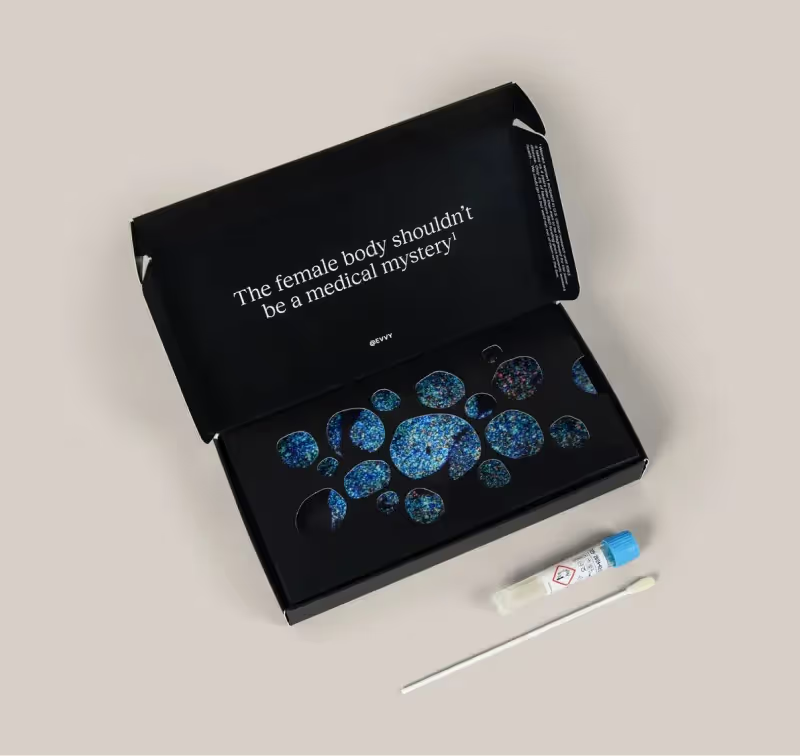
Recurrent symptoms? Get Evvy's at-home vaginal microbiome test, designed by leading OB-GYNs.
A yeast infection (vaginal candidiasis) is a common culprit for vaginal itching and burning. A yeast infection happens when the natural yeast in your vagina (Candida) overgrows, leading to unpleasant symptoms such as:
Antifungal medications (like creams and suppositories) can help, but if it’s your first time experiencing these symptoms, consult your doctor to confirm the diagnosis.
Bacterial vaginosis (BV) is one of the most common vaginal infections in women. It happens when the balance of bacteria in your vagina is disrupted. The most common symptoms of bacterial vaginosis are:
Your doctor can prescribe antibiotics such as metronidazole and clindamycin to treat bacterial vaginosis.
Sexually transmitted infections (STIs) like chlamydia, gonorrhea, genital herpes, or trichomoniasis can all cause vaginal burning, along with other symptoms such as:
If you suspect you have an STI, see a healthcare provider or take an STI test. Evvy offers an at-home STI test that screens for chlamydia, gonorrhea, trichomoniasis, and Mycoplasma genitalium.
Sometimes, the products you use — like scented soaps, bubble baths, laundry detergents, or even certain types of condoms — can irritate the sensitive skin in and around your vagina.
In these cases, the first thing to do is to stop using whatever triggered the reaction, switch to fragrance-free, hypoallergenic products, and see if symptoms improve. If you’re experiencing any external burning or itching, Evvy’s Anti-Itch Vulva Cream offers fast-acting relief from external irritation.
A drop in hormone levels (such as estrogen), especially during menopause, breastfeeding, or postpartum, can lead to vaginal dryness, which may cause burning or discomfort.
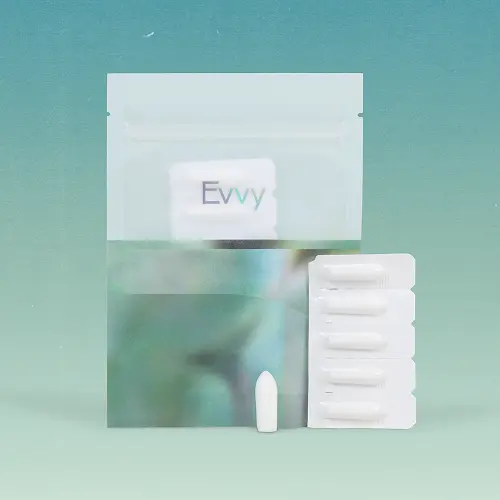
Over-the-counter lubricants or vaginal moisturizers (like Evvy’s Hyaluronic Acid Suppositories) can help with dryness. For more severe cases, your doctor might recommend estrogen therapy.
Rough sex, not being “wet” enough, or reactions to certain lubricants can all cause irritation and post-sex vaginal burning.
Lube is your friend during sex (especially if you’re having vaginal intercourse). It helps prevent friction during penetration (which can cause micro-tears in the vaginal lining) and makes it feel more pleasurable. That said, not all lube is created equal. Some lubricants contain ingredients like sugar and glycerin, which can sometimes cause irritation or disrupt your vaginal pH. If a particular lube seems to cause vaginal irritation, try switching brands or opting for hypoallergenic options.
If lubrication isn’t an issue but you’re still feeling vaginal discomfort after having penetrative sex, it might be a good idea to see your healthcare provider. Pain, burning, or discomfort during or after sex might be common, but it’s never normal. Sometimes the solution is as simple as taking things slower and trying different positions, but there may be an underlying reason why you’re experiencing burning when you have sex.
Do you have a burning or stinging sensation when you pee? It’s often a telltale sign of a urinary tract infection (UTI). These infections happen when bacteria enter your urinary tract and cause irritation. Other symptoms might include:
It’s worth noting that UTIs don’t cause vaginal burning, but given how close the urethra is to the vaginal opening, it’s easy to confuse where the discomfort is coming from.
If you suspect a UTI, see your healthcare provider. They’ll likely prescribe antibiotics to clear up the infection. Drinking plenty of water can also help flush out bacteria.
Cytolytic vaginosis (CV), sometimes referred to as Lactobacillus overgrowth syndrome or Doderlein’s cytolysis, is a condition where the helpful bacteria known as Lactobacillus become overactive in the vaginal microbiome. This can lead to some discomfort down there.
When CV occurs, you might experience a few pesky symptoms, such as:
If you’re experiencing any of these symptoms, it’s a good idea to reach out to a healthcare professional for support. A baking soda bath is the recommended treatment for CV. This soothing bath works by lowering Lactobacillus levels, and studies have shown it can significantly ease symptoms for those dealing with cytolytic vaginosis.
Not all vaginal burning comes with discharge, and that can make it trickier to figure out what's going on. Here are some common causes to consider:
The right approach to relieving vaginal burning depends on what's causing it, but there are things you can do right now to feel more comfortable while you figure that out.
These steps are great for managing mild-to-moderate symptoms, but they're not a substitute for treatment if you have an infection. If the burning is severe, persistent, or comes with unusual discharge, sores, or pain during sex, it's time to see a healthcare provider.
When home remedies aren't cutting it, or when an infection is involved, prescription treatments are usually the most effective route:
While you can't always prevent vaginal burning (especially when it's caused by an infection), there's a lot within your control. Small daily habits can make a big difference in keeping irritation at bay.
Start with what you're putting near your vulva. Scented soaps, bubble baths, wipes, and laundry detergents are common culprits for contact dermatitis and chemical irritation. Switching to fragrance-free, hypoallergenic products is one of the easiest swaps you can make. Maintaining proper hygiene without over-washing is essential; washing the external genital area once a day with warm water is usually sufficient.
What you wear matters too. Cotton underwear and loose-fitting clothes allow your skin to breathe, reducing moisture build-up and heat, both of which can encourage yeast overgrowth or worsen existing irritation.
If you're having penetrative sex, use lubricant. Friction from sex without enough lubrication can cause micro-tears in the vaginal lining and leave you feeling sore and irritated afterward. Choose a water-based or silicone-based option without glycerin or parabens. And always change out of a wet bathing suit or sweaty gym clothes quickly — a warm, damp environment is where Candida loves to hang out.
Finally, if you're in perimenopause or menopause and experiencing recurring dryness and burning, speak to your provider about long-term management options (from vaginal moisturizers to hormonal treatments) before symptoms become chronic.
While occasional vaginal irritation might resolve on its own, you should see a doctor if:
Vaginal burning can be unsettling, but with the right care and attention, most causes are manageable.
If you're experiencing burning in your vaginal area, the first thing to do is figure out what's causing it. If it’s related to a urinary tract infection, bacterial vaginosis, or an STI, it’s a good idea to see a doctor for some antibiotics. For yeast infections, over-the-counter antifungal creams or suppositories can often help, but it's always smart to check in with a healthcare provider, especially if this is your first time dealing with these symptoms. If irritation is caused by products like soaps, laundry detergents, or lubricants, consider switching to fragrance-free, hypoallergenic options. If hormonal changes are causing dryness, over-the-counter lubricants or vaginal moisturizers, such as Evvy's Soothing Vulva Cream, might provide some relief. For more severe cases, your doctor could recommend estrogen therapy. To help soothe the area, try to avoid friction or irritation, wear breathable cotton underwear, and practice gentle hygiene using warm water and mild soap. If the burning continues or gets worse, or if you notice any unusual discharge or pain, don't hesitate to reach out to a healthcare professional.
Many sexually transmitted diseases (STDs) can cause burning. One of the more common culprits is genital herpes, which can bring along uncomfortable sores or blisters. Chlamydia and gonorrhea are also possibilities; they often cause burning sensations, particularly when peeing, and might lead to some unusual discharge. Another infection to be aware of is trichomoniasis, a parasitic infection that can cause vaginal itching, burning, and a frothy discharge with a foul or fishy odor. If you're experiencing any of these symptoms or suspect that you might have an STI, it’s really important to reach out to a healthcare provider. They can help with testing and recommend effective treatments, such as antibiotics or antivirals.
Several types of infections can cause burning in the vaginal area. Urinary tract infections often cause a burning sensation, especially when you pee, and may be accompanied by frequent urges to pee and cloudy or strong-smelling urine. Yeast infections are another common cause, leading to burning, itching, and thick white discharge. Bacterial vaginosis can also cause burning, along with a grayish discharge and a fishy odor. Sexually transmitted infections like herpes, chlamydia, gonorrhea, and trichomoniasis can result in burning, often accompanied by other symptoms like sores, discharge, or pain during sex. If you experience persistent burning, it's important to see a healthcare provider for proper diagnosis and treatment.
Vaginal or vulvar burning is usually a sign that something is irritating the tissues, whether that's an infection like BV or a yeast infection, an allergic reaction to a product, hormonal changes causing dryness, or an STI. Burning when you pee can also point to a UTI, even though it might feel like it's coming from the vagina. Because there are quite a few possible causes, it's worth paying attention to any other symptoms (like unusual discharge, odor, or pain during sex) to help narrow things down, and see a provider if you're unsure or if symptoms don't improve.
Not always. Burning is a common symptom of a yeast infection, but the hallmark signs are intense itching and thick, white, cottage cheese-like discharge. Some people with a yeast infection experience burning (especially when peeing or having sex), while others mainly notice itching and discharge with little to no burning. Symptoms can vary depending on the severity of the infection and individual sensitivity.
Plenty of things can cause vaginal or vulvar burning without a yeast infection. Common causes include BV, contact dermatitis (a reaction to soaps, detergents, or other products), hormonal dryness from menopause or breastfeeding, vulvodynia, lichen sclerosus, and UTIs. If you've ruled out a yeast infection (either through testing or because antifungal treatment hasn't helped), it's worth seeing a provider to investigate other causes.
It depends on the cause. For external vulvar burning and itching, Evvy's Anti-Itch Vulva Cream provides fast-acting topical relief. If dryness is the issue, Evvy's Hyaluronic Acid Suppositories help restore moisture from within. For infection-related burning, you'll likely need a prescription treatment (antifungals for yeast infections or antibiotics for a bacterial infection), so it's best to get a diagnosis before reaching for a cream.
Burning after peeing is a classic sign of a UTI, caused by bacteria irritating the lining of the urinary tract. It can also happen with yeast infections or BV, where discharge makes already-irritated skin more sensitive to urine. Some STIs (including chlamydia, gonorrhea, and genital herpes) can also cause a burning or stinging sensation when you pee. In some cases, low estrogen levels — particularly during menopause — can thin the vaginal and urethral tissue, making urination uncomfortable. If the burning after peeing is persistent, see a provider to get the right diagnosis and treatment.
Yes, absolutely. During perimenopause and menopause, falling estrogen levels cause the vaginal tissues to become thinner, drier, and less elastic. This can lead to burning, irritation, and discomfort both day-to-day and during sex. The good news is it's very treatable: vaginal moisturizers like Evvy's Hyaluronic Acid Suppositories can help with ongoing dryness, and your doctor can discuss options such as topical estrogen for more severe symptoms.