CONGRATS! YOU EARNED FREE SHIPPING.

Product Title
1
$0
$0
Subscription Title

Looking kind of empty in here.
We recommend:
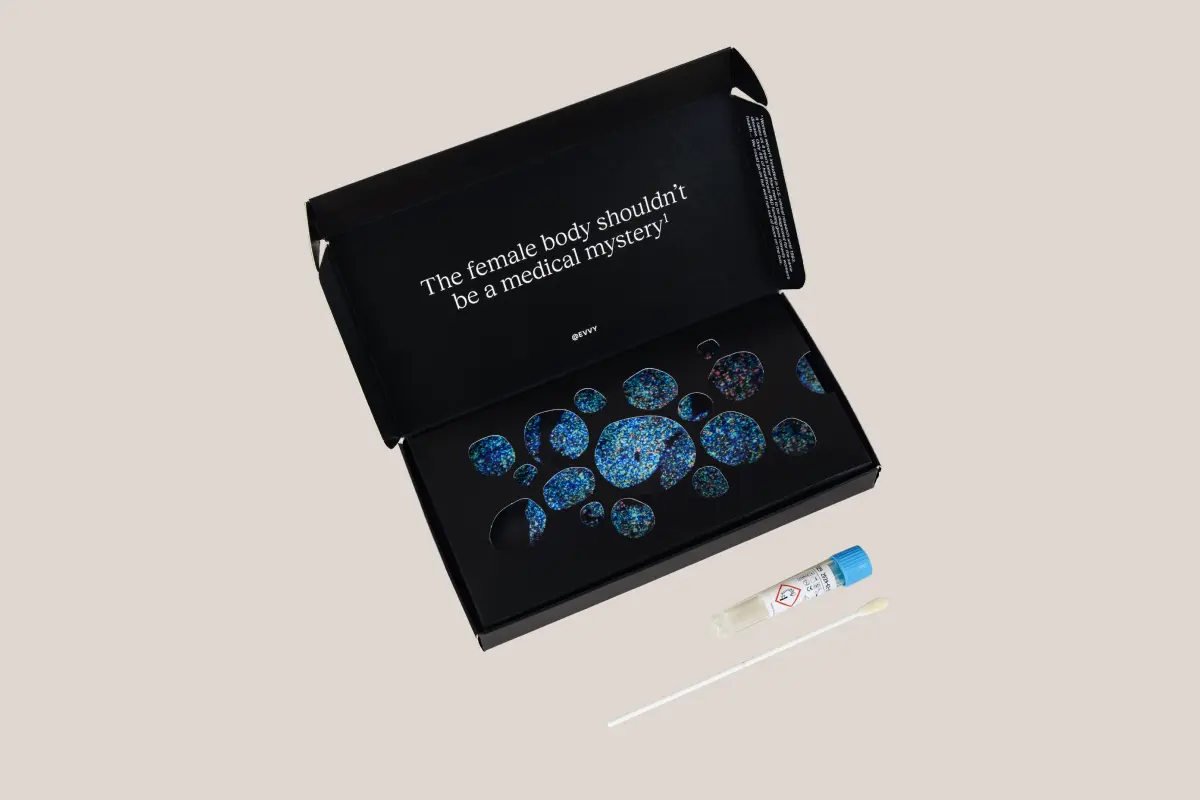
Get advanced insights into symptoms, fertility, and other health outcomes. Prelim results in 1-3 days.
Discover how long probiotics take to work for gut, vaginal, and urinary health, what signs to watch for, and realistic timelines for results.
Words by Olivia Cassano
Scientifically edited by Dr. Krystal Thomas-White, PhD
Medically reviewed by Dr. Kate McLean MD, MPH, FACOG
Probiotics are live, beneficial bacteria that can support the communities of microbes living in your gut, vagina, and urinary tract. These microbes play a big role in digestion, vaginal balance, immune health, and even how comfortable you feel day to day. So when something feels “off” — like bloating, irregular digestion, unusual discharge, or odor — it’s natural to want results fast.
Like any supplement, probiotics don’t work overnight. Instead, they gradually shift your microbiome toward a more balanced state. Below, we’ll walk through what probiotics actually do, how long they typically take to work for different symptoms, and what signs to look for along the way.
To understand timing, it helps to understand what probiotics are doing behind the scenes. Your vaginal and gut microbiomes are ecosystems (communities of bacteria living together). When these ecosystems are balanced, good bacteria help keep potentially disruptive microbes in check. But stress, illness, antibiotics, hormones, sex, and lifestyle factors can throw things off.
Probiotics work in a few main ways:
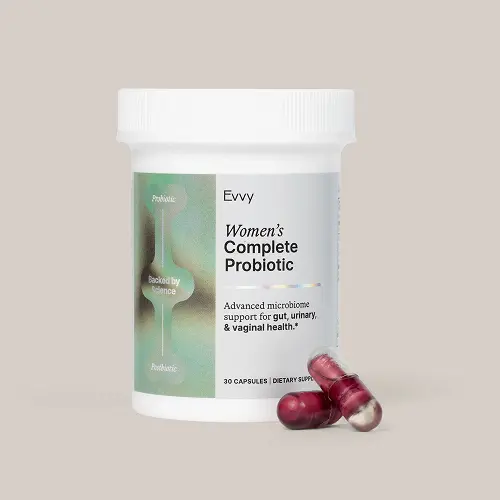
Some formulas are designed with specific goals in mind. For example, Evvy Women’s Complete Probiotic includes strains selected to support gut, vaginal, and urinary microbiomes together. Because these areas are connected, supporting them at the same time may influence how quickly you notice changes in different symptoms.
In the gut microbiome, probiotics interact with trillions of microbes already living there. They may not permanently move in (more on that later), but while they’re present, they can influence digestion, bowel movements, gas production, and inflammation levels.
Some people notice less bloating or more regular bowel movements within a few weeks. For others, it can take longer, especially if digestive issues like irritable bowel syndrome (IBS) have been ongoing for years. The gut microbiome is complex, and results often depend on the strains used, how consistently you take them, and what else is happening in your life.
When it comes to vaginal and urinary health, specific Lactobacillus strains are especially important. These strains help maintain an acidic vaginal pH, which discourages harmful bacteria linked to bacterial vaginosis (BV) and yeast infections.
By crowding out harmful bacteria and supporting Lactobacillus dominance, probiotics may help reduce symptoms like unusual discharge, odor, or irritation over time. A stable vaginal flora can also support urinary comfort, since the vaginal and urinary systems are closely connected.
This is why 3-in-1 products like Evvy Women’s Complete Probiotic focus on gut, vaginal, and urinary support together. The gut microbiome can act as a reservoir for bacteria that influence the vaginal flora, so supporting both at once may help create more lasting balance.
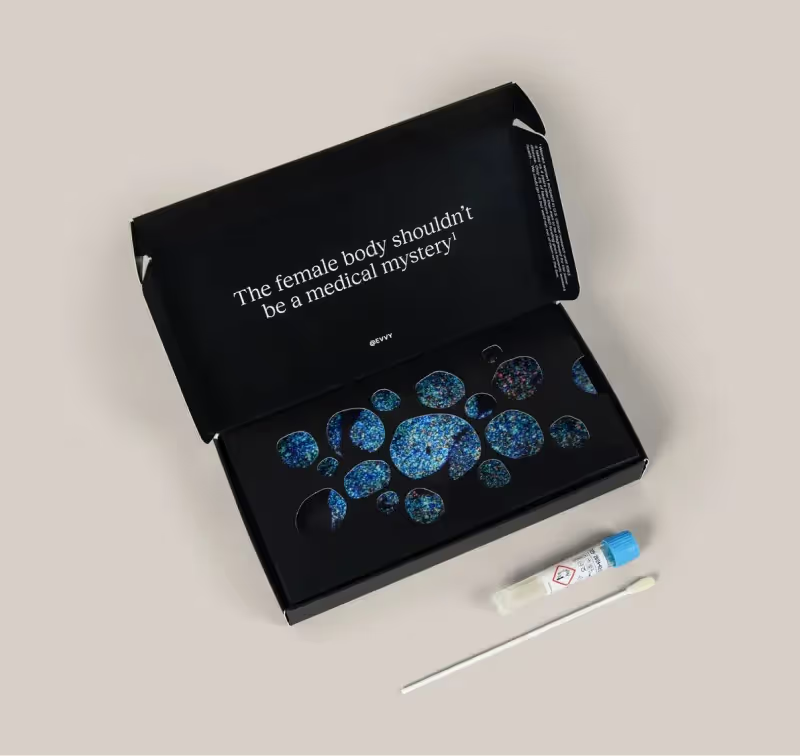
Recurrent symptoms? Get Evvy's at-home vaginal microbiome test, designed by leading OB-GYNs.
Probiotics begin interacting with your body from the first day you take them. But noticing changes is a whole other story. Some effects are subtle and happen quickly, while others take weeks or months of consistent use. And some benefits (especially the prevention of infection recurrence) require ongoing maintenance.
In general, think of probiotics as a gradual, adjunct support system rather than a quick fix. The timeline depends on what you’re trying to improve, how severe your symptoms are, the strains you’re using, and how consistently you take them. How effective probiotics are also partly depends on your own immunological and microbiological state, which is a big reason why they may not work for everyone.
Most clinical studies look at a 12-week timeframe, so we don’t have a clear, precise answer for when improvements first begin. Researchers usually compare results at the end of those 12 weeks to see whether there’s been a meaningful change, rather than tracking exactly when symptoms started to improve.
Some (small) studies show that for ongoing digestive concerns like bloating, constipation, or IBS, improvements often begin around the 4-week mark. By 12 weeks, people often report more consistent bowel movements, less abdominal discomfort, and better tolerance to foods. That said, the timelines change a lot from one study to the next. Systematic reviews and guidelines show that trial quality can be inconsistent, and there’s a lot of variability in results.
For vaginal symptoms, research shows that improvement can begin relatively quickly. Clinical studies indicate that probiotic supplements may show effectiveness within just a few weeks to a month. However, keep in mind that the time it takes can vary based on the specific condition and the strains of probiotics used. For even better, longer-lasting results, especially if you're looking to prevent a recurrence of BV, sticking with the supplements for 1 to 3 months is best.
For yeast infections (vulvovaginal candidiasis), probiotics seem to work best as a partner to antifungal medication. Studies show that when probiotics are used alongside antifungals, short-term cure rates under one month improve. However, probiotics alone are generally less effective for rapid symptom relief in the acute phase.
Symptoms associated with BV, such as unusual discharge and odor, often respond the fastest. Clinical improvement and microbiome restoration are frequently seen within 10 days to one month of therapy (in conjunction with antibiotic therapy). Rapid reductions in disruptive bacteria are commonly reported in studies, especially when probiotics are taken daily at doses of one to ten billion CFU.
Even after symptoms improve, maintaining a healthy vaginal pH and stable microbiome usually requires ongoing support. Think of it like brushing your teeth. You don’t brush once and expect cavity protection forever — you brush every day to maintain the benefits. Probiotics work similarly. They help support balance when taken consistently, but they’re not a one-time fix.
Clinical trials of the strains included in Evvy Women’s Complete Probiotic found that by the third month of daily use, most people experience stable vaginal pH and reductions in odor and discharge as protective Lactobacillus populations grow. That’s why sticking with a routine for at least 3 months is often recommended, with continued use through 6 months to reinforce and maintain balance.
It’s also important to remember that probiotics are just one tool for vaginal health. They can help support a Lactobacillus-dominant environment and a healthy acidic pH, but they’re not a replacement for standard medical treatment. If you have BV, a yeast infection, or another diagnosed condition, antibiotics or antifungal medications are often necessary to clear the infection. Probiotics may play a supportive role during and after treatment, especially when it comes to maintaining balance and potentially reducing recurrence, but they don’t replace prescription care.
Probiotics aren’t one-size-fits-all. A few important factors influence how quickly they work:
Waiting for results can feel frustrating, especially if you’re uncomfortable. So what should you look for?
When you’re taking a probiotic, the changes can be subtle at first. Instead of a dramatic overnight shift, improvements usually show up as small, steady patterns over time.
For gut health, signs that probiotics may be working include:
For vaginal health, signs of progress may include:
It’s important to remember that these changes are often gradual. You might not wake up one morning feeling completely different. Instead, you may look back after a few weeks and realize that things have simply felt calmer, more comfortable, and easier to manage. That steady improvement (rather than a sudden transformation) is often what real microbiome support looks like.
There are times when a probiotic may not be the right fit. If you notice no change at all after several weeks of consistent daily use, it could mean the strains aren’t ideal for your specific concerns. If symptoms worsen, that’s another sign to pause and talk to a provider.
It’s also important to state clearly: not everyone needs probiotics. If you don't have any symptoms and your vaginal microbiome is already well-balanced and dominated by Lactobacillus, adding more bacteria may not make a noticeable difference. In some cases, it could even worsen symptoms. For example, people with cytolytic vaginosis (a condition linked to an overgrowth of certain Lactobacillus species) may experience increased irritation with additional probiotic use. That’s why guessing can be frustrating.
This is where testing your vaginal microbiome can be incredibly helpful. Evvy’s Vaginal Health Test gives you a detailed look at which bacteria are present and in what amounts, so you can make decisions based on data instead of trial and error. Understanding whether you’re dealing with BV-related bacteria, yeast, low Lactobacillus levels, or an overgrowth situation can guide whether probiotics make sense, and which type might be most appropriate.
Recurring infections despite good adherence may also indicate that additional treatment is needed. BV and yeast infections often require antibiotics or antifungals first, with probiotics acting as supportive therapy rather than a replacement.
Severity matters, too. More severe or long-standing imbalances usually take longer to improve. Route can also play a role — vaginally applied probiotics may act more directly, though oral probiotics with well-studied vaginal strains can also help. The key is matching the right approach to your specific microbiome and symptoms.
It’s tempting to think in terms of “fixing” your gut. But the reality is more nuanced. There is no single timeline for fixing your gut microbiome because there is no single definition of what that means. For some people, it’s about fewer bloating episodes. For others, it’s about recovering after antibiotic treatment. For many, it’s about feeling more stable and less reactive day to day, not achieving perfection. That said, we do have research that gives us a general timeframe.
For most people, noticeable improvements in gut health from probiotic supplements happen within 4 weeks, depending on the condition being addressed, the strains used, and what your microbiome looked like to begin with. In healthy adults, studies show that daily multi-strain probiotics can lead to measurable changes in gut bacteria within about 4 weeks. Good bacteria may increase, and potentially disruptive microbes may decrease, even if overall diversity doesn’t dramatically change.
If you’re recovering from antibiotics or a short-term stomach illness, probiotics may work more quickly. Many studies show that certain strains can help restore balance and ease symptoms within days or weeks. Some well-studied strains have even been shown to shorten the duration of antibiotic-associated diarrhea by about a day. The benefits are most noticeable in that early recovery window, and that’s why medical organizations recommend strain-specific probiotics for certain digestive issues.
Many guidelines suggest that people with IBS considering probiotics should take the product for at least 4 weeks while monitoring its effects. For longer-standing digestive concerns or chronic imbalance, it may take 6 to 8 weeks (or sometimes longer) to notice meaningful improvement. And here’s an important point: most probiotic strains don’t permanently take up residence in your gut microbiome. If you stop taking them, the changes they support may gradually fade. Ongoing use is often needed to maintain benefits.
Probiotics are also just one piece of the puzzle. Diet, sleep, stress levels, hormones, medications, and underlying health conditions all influence your gut microbiome. Instead of expecting a total reset, it’s more realistic to aim for improved balance and resilience over time (fewer flare-ups, steadier digestion, and a gut that feels more predictable).
Most probiotic strains don’t take up long-term residence in your digestive tract. Instead, they tend to pass through, exert helpful effects while you’re taking them, and gradually decline once you stop. How long they stick around (and how strongly they influence your microbiome) depends on the specific strain and on you as a host.
For a probiotic to “colonize,” it has to survive stomach acid, make it through the small intestine, attach to the gut lining, and interact with your existing microbes and immune system. Some strains, like Lactobacillus reuteri and certain Bifidobacterium species, can temporarily attach to the gut lining. But in healthy adults, this colonization is typically short-lived and rarely results in permanent engraftment.
That doesn’t mean probiotics don’t work. In fact, most of their benefits come from transient modulation, meaning they influence your gut environment while they’re present. During supplementation, they can:
These temporary shifts can help stabilize the microbiome after disruptions like antibiotics or illness. But because most introduced strains don’t stay long-term, sustained benefits usually depend on continued intake.
In other words, probiotics don’t typically “move in” forever. They act more like supportive guests, so they’re helpful while they’re there, but if you stop taking them, their levels usually drop, and the microbiome may gradually return to its prior baseline. That’s why consistency matters when you’re using probiotics as part of a gut health routine.
Fermented foods like yogurt, kefir, kimchi, and sauerkraut can absolutely support your microbiome. They introduce beneficial bacteria and help promote microbial diversity, which is a great foundation for overall gut health.
When it comes to speed, though, the honest answer is: we don’t fully know. There aren’t strong head-to-head studies directly comparing how quickly probiotic foods versus probiotic supplements improve long-term gut health or vaginal health. So the medical literature doesn’t clearly establish that one works faster than the other.
That said, oral probiotic supplements — especially those containing well-studied strains like Lacticaseibacillus rhamnosus — have demonstrated relatively rapid effects in some clinical trials. For vaginal dysbiosis and BV, certain oral supplements have shown meaningful improvements in symptoms and microbiome balance within 10 days to 2 months. For gut health, similar short-term improvements have been observed in supplement studies, particularly after antibiotics or during digestive upset.
Probiotic foods, on the other hand, haven’t been studied as extensively in clinical trials for specific conditions like BV or recurrent yeast infections. They’re widely recommended from a public health perspective because they’re nutritious, generally well tolerated, and support overall microbial diversity. But we don’t have clear evidence comparing their onset of action to that of supplements.
It’s also not an either-or situation. Supplements and probiotic-rich foods can complement each other. A supplement may provide targeted, standardized strains for a specific goal, while fermented foods offer a wide variety of microbes along with fiber, vitamins, and other nutrients that support overall health. Even if you take a probiotic supplement, eating fermented foods, and plenty of fiber can help nourish your existing beneficial bacteria and support long-term microbiome resilience.
In practical terms, supplements may feel more targeted because they deliver specific strains at standardized, higher doses. Foods tend to provide a broader mix of microbes in varying amounts. Both can be part of a healthy routine; it just depends on your goals.
Probiotics can be helpful, but there are times when medical care should come first. You should talk to a healthcare provider if you experience:
If you’re having symptoms of a vaginal infection, it’s especially important to get evaluated. BV and yeast infections often require antibiotics or antifungal medications to properly clear the infection. Probiotics may help support balance during or after treatment, but they don’t replace standard therapy.
Recurring BV or yeast infections also warrant medical guidance. There may be underlying factors that need to be addressed to break the cycle.
And if you’re pregnant, immunocompromised, or managing a chronic health condition, it’s wise to check in with your provider before starting any new supplement. Probiotics can be a supportive tool, but they’re not a substitute for appropriate medical care when it’s needed.
Signs can look different depending on your goals. For gut health, you might notice more regular bowel movements, less bloating or gas, and fewer episodes of stomach discomfort. Your digestion may start to feel more predictable overall. For vaginal health, improvements might include more stable discharge, less noticeable odor, and reduced irritation. Some people also notice fewer urinary discomfort symptoms as their vaginal microbiome becomes more balanced.
There’s no single timeline because “fixing your gut” means different things to different people. For some, it’s about recovering after antibiotics. For others, it’s reducing bloating or improving regularity. Research suggests that some digestive benefits can appear within 4 weeks, especially for short-term issues such as antibiotic-associated diarrhea. For more chronic concerns, meaningful stability often takes up to 12 weeks. Even then, probiotics don’t permanently “reset” your gut microbiota. They support balance while you’re taking them, and continued use is often needed to maintain benefits.
For BV, studies show that symptom improvement can begin within 10 days to one month of starting probiotics, particularly when using strains studied for vaginal health. Reductions in odor and abnormal discharge are often the earliest signs. Stronger, more durable results — especially in preventing recurrence — are typically seen after 1 to 3 months of consistent use. Probiotics work best alongside antifungal or antibiotic treatment rather than on their own. When used as an add-on to medication, they can improve short-term cure rates within the first month. Probiotics alone aren’t a reliable treatment for active yeast infections.
Supplements often deliver higher doses of specific, well-studied strains designed for targeted concerns, which may help produce faster or more measurable results in certain situations. Clinical trials showing improvements in BV or digestive symptoms within weeks have primarily studied supplements. That said, probiotic foods like yogurt, kefir, kimchi, and sauerkraut offer broader microbial diversity along with nutrients that support overall health. While we don’t have strong evidence directly comparing speed, foods remain an important part of a microbiome-friendly diet, whether or not you also choose to take a supplement.