CONGRATS! YOU EARNED FREE SHIPPING.

Product Title
1
$0
$0
Subscription Title

Looking kind of empty in here.
We recommend:
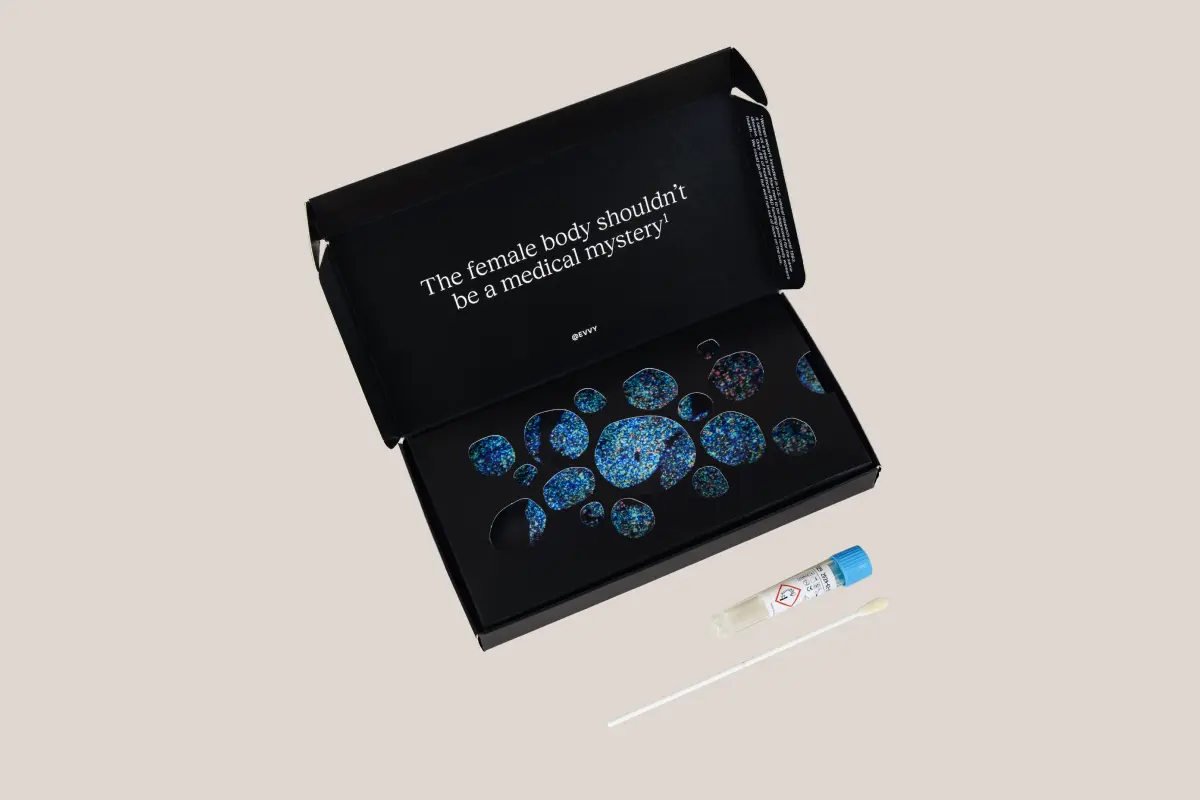
Get advanced insights into symptoms, fertility, and other health outcomes. Prelim results in 1-3 days.

Considering olive oil for vaginal dryness? Learn why clinicians don't recommend it, how it can disrupt your vaginal microbiome, and what to use instead for lasting relief.
Words by Olivia Cassano
Scientifically edited by Dr. Krystal Thomas-White, PhD
Medically reviewed by Dr. Kate McLean MD, MPH, FACOG
You've probably heard that olive oil is good for you, and honestly, a lot of that is true. It's rich in healthy fats, it's a staple of the Mediterranean diet, and it's been used as a skin moisturizer for centuries. So if you’re experiencing vaginal dryness, it's not a leap to wonder whether something so natural and nourishing might provide some relief.
But when it comes to your vaginal and vulvar health, "natural" doesn't automatically mean safe (or effective, for that matter). Below, we'll walk through why vaginal dryness happens in the first place, what we actually know and don't know about using olive oil, and what providers typically recommend instead.
Spoiler: there are much better options, including products formulated specifically for this kind of discomfort, like Evvy's Soothing Vulva Cream or Estradiol Vaginal Cream, both designed to hydrate and calm sensitive tissue without disrupting the vaginal environment you've worked hard to protect.
Vaginal dryness happens when vaginal tissue loses its natural moisture and elasticity — most often due to hormonal shifts, irritants, or changes in the vaginal microbiome.
Vaginal dryness isn't just about feeling uncomfortable during sex, though that's often what prompts people to seek help. It can also present as itching, burning, a raw or irritated feeling, or recurrent vaginal infections.
Vaginal tissue is sensitive to hormonal shifts, what you put on or near it, and even what's going on in your vaginal microbiome. That means dryness is often a signal that something has changed — hormonally, microbiologically, or environmentally — rather than a standalone problem to throw a quick fix at.
Understanding the root cause of your dryness is the first step to actually addressing it. Here's what's most commonly at play.
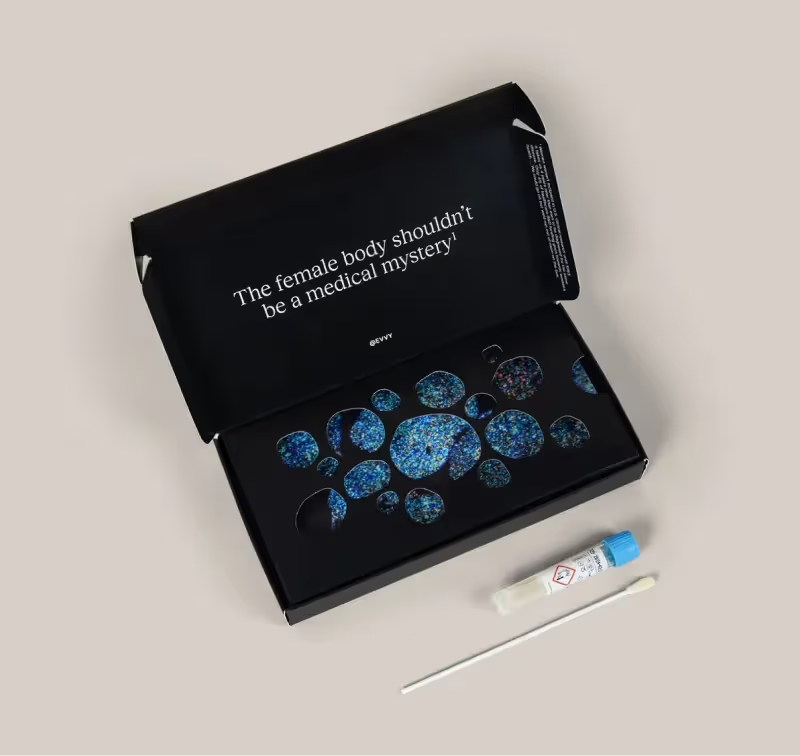
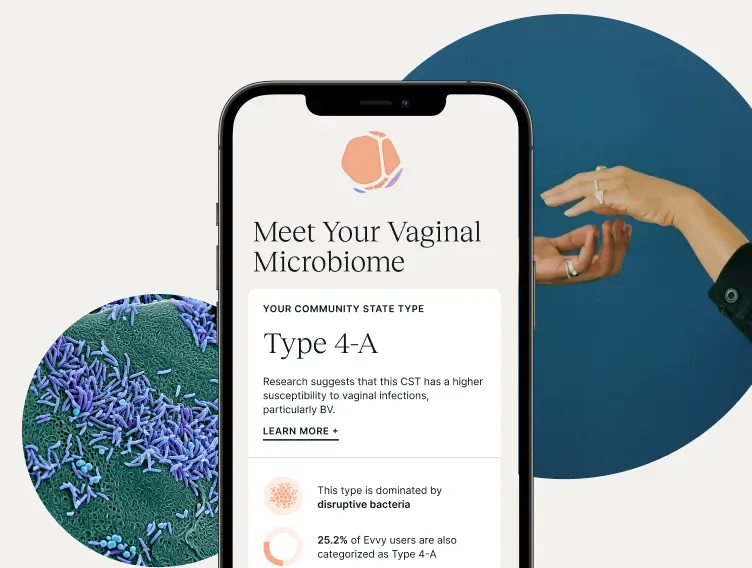
Recurrent symptoms? Get Evvy's at-home vaginal microbiome test, designed by leading OB-GYNs.
Estrogen is the primary hormone responsible for keeping vaginal tissue healthy, lubricated, and elastic. When estrogen levels drop, so does natural lubrication, and this can happen at several points across your life.
Perimenopause and menopause are the most well-known culprits. As estrogen declines with age, the vaginal walls can thin and become drier, a condition sometimes called genitourinary syndrome of menopause (GSM).
Postpartum and breastfeeding are other significant triggers. Prolactin — the hormone responsible for milk production — suppresses estrogen, which is why many new parents find themselves unexpectedly dry, even if they're nowhere near menopause.
Hormonal birth control, particularly combined oral contraceptive pills, can reduce natural lubrication in some people. Research suggests this is linked to the pill's effect on testosterone levels and blood flow to vaginal tissue, rather than estrogen alone. Some people also report dryness with hormonal IUDs, though the evidence here is less established — if you notice a change after starting any hormonal contraceptive, it's worth raising with your clinician.
Then there are medications that few people connect to vaginal dryness. Antihistamines (including common allergy meds) work by drying up mucous membranes throughout the body, not just in your nose. Certain antidepressants, particularly SSRIs and SNRIs, can also reduce lubrication as a side effect. If you've started a new medication and noticed dryness shortly after, it's worth mentioning to your provider.
Not all dryness is hormonal. Sometimes the vaginal environment is disrupted from the outside in.
Fragranced washes, soaps, and douches are among the most common irritants. The vagina is self-cleaning, and introducing scented products can strip away protective bacteria and disrupt the natural pH balance. The same goes for tight, non-breathable underwear. Synthetic fabrics can trap heat and moisture, which can irritate tissue over time.
Recurrent bacterial vaginosis (BV) or yeast infections can also contribute to a chronic cycle of dryness and discomfort. When the vaginal microbiome is out of balance, the tissue itself can become inflamed and less resilient.
Don't overlook stress and dehydration, either. Chronic stress affects hormonal regulation across the board, and inadequate hydration means your body has less moisture to go around, including in vaginal tissue. Sometimes the most foundational changes make a real difference.
The honest answer is: it's complicated. Olive oil isn't inherently bad, and some clinical guidance does acknowledge it as a lower-cost alternative to commercial products for some people. But the picture isn't straightforward, and there are meaningful limitations and risks worth understanding before you reach for that bottle of Graza.
The logic is understandable. Olive oil is rich in fatty acids and has been used in skincare for centuries. It's emollient, it's accessible, and it feels like a gentler choice than reaching for something pharmaceutical. For people who are wary of synthetic ingredients, or who've had bad reactions to conventional lubricants in the past, "natural" options hold genuine appeal.
There's also a trust factor, because you know what olive oil is. You've probably been cooking with it for years. It feels safe in a way that a product with a long ingredient list might not.
Some clinical guidance does acknowledge food-grade oils as a reasonable option in certain contexts. The American College of Obstetricians and Gynecologists (ACOG) notes that food-grade oils — including olive oil — may be a reasonable, lower-cost alternative to synthetic moisturizers for some people. They also caution that oils are not compatible with condoms, so be careful with how they are used.
A small clinical study known as the OVERcome trial also evaluated olive oil as a lubricant during sex (as part of a broader intervention including pelvic floor exercises and a polycarbophil-based moisturizer) in 25 breast cancer survivors, with 73% of participants rating it as helpful. However, it's important to note that olive oil in that context was used specifically as a lubricant during sexual intercourse (not as a regular vaginal moisturizer), and the intervention combined it with other established treatments.
The nuance matters. Olive oil may have a limited role as an occasional lubricant during sex for people who can't use latex contraception and prefer a natural option. But as a substitute for a purpose-formulated moisturizer, or as a first-line solution for persistent dryness, the picture is more complicated, and the risks are real.
Despite what many people assume, the vagina isn't just a tube of skin; it's a living ecosystem with a carefully balanced pH (ideally between 3.8 and 4.5) and a microbiome dominated by protective Lactobacillus bacteria. Research has found an inverse correlation between Lactobacillus levels and vaginal dryness, with dryness associated with increased levels of inflammation markers — which means the microbiome isn't just a background player here; it's directly tied to how your tissue feels. Anything you introduce internally has the potential to shift that balance, and olive oil is no exception.
One of the main concerns is that oils don't rinse away easily with water. Residue left behind can create an environment where harmful bacteria or yeast are more likely to overgrow, disrupting vaginal pH and microbiome balance in ways that linger rather than resolve. If you're already prone to BV or yeast infections, this is a particularly significant concern.
There's also the question of what olive oil's primary fatty acid, oleic acid, actually does to tissue. Research published in the American Journal of Clinical Dermatology and Molecular Pharmaceutics suggests that oleic acid can actually weaken the skin barrier rather than support it, and that this effect can persist even after the oil is removed. Vaginal skin is more sensitive and permeable than regular skin, so this matters more, not less.
A recent study, however, suggested oleic acid could inhibit the growth of Lactobacillus iners and promote the growth of Lactobacillus crispatus (a more protective strain). It's genuinely interesting science, but it's important to understand what the study actually showed: this was controlled lab research on isolated bacteria, not a human trial of olive oil as a treatment. The researchers themselves are working toward a clinical trial, because promising lab findings and safe, effective treatments aren’t the same thing.
Then there's the practical issue of contraception. Oil-based products break down latex, significantly reducing the effectiveness of condoms and diaphragms, and this applies to all oils, olive oil included. ACOG explicitly flags this incompatibility with latex contraception as a key consideration when choosing any oil-based product. If you rely on latex condoms or a diaphragm, an oil-based option isn't appropriate.
So where does that leave olive oil? It's sometimes recommended as a lubricant during sex, and if you don't rely on latex contraception, it's a reasonable option in that context. Some early research also hints that oleic acid may have a role in supporting a healthier vaginal microbiome, which is genuinely interesting. But the science isn't there yet to recommend it as a regular vaginal moisturizer, and the potential to disrupt pH and linger in the vaginal environment means it's not something to use casually or routinely. For day-to-day dryness, purpose-formulated products are a safer and more effective choice.
Luckily, you have real options for addressing vaginal dryness. And they work better than olive oil.
These two terms get used interchangeably, but they serve different purposes. Knowing the difference helps you pick the right product.
Lubricants are designed for use during sexual activity. They reduce friction in the moment, making sex more comfortable, but they don't address the underlying tissue changes that cause chronic dryness. ACOG notes that neither lubricants nor moisturizers cure the underlying causes of vaginal dryness, but they can meaningfully reduce discomfort, particularly pain during intercourse.
Water-based and silicone-based lubricants are generally the safest choices. Water-based formulas are compatible with all condom types and easy to wash away, while silicone-based options tend to last longer. Both are preferable to oil-based options if you use latex contraception.
Vaginal moisturizers are a different category entirely. Used regularly (typically two to three times per week), they help hydrate vaginal and vulvar tissue over time, similar to how a facial moisturizer works on skin. Vaginal moisturizers provide long-lasting relief, while lubricants may only last minutes or hours.
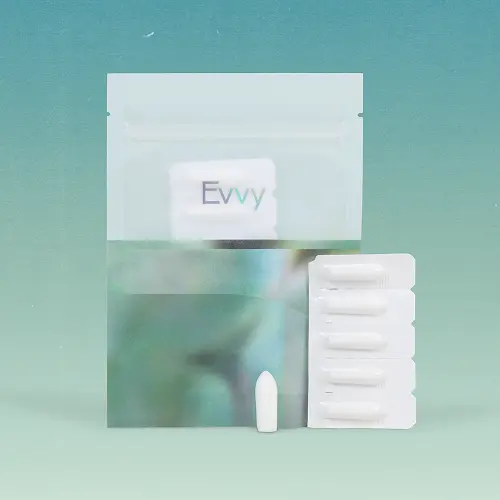
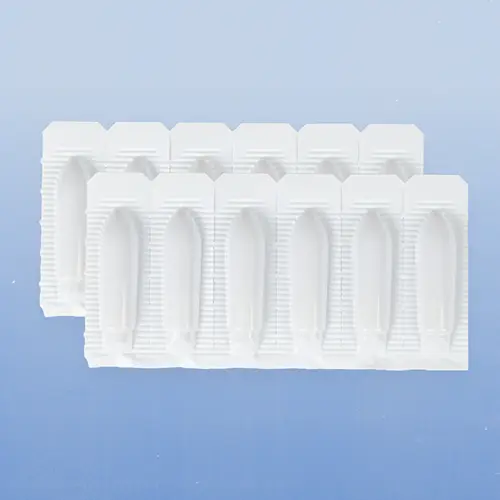
ACOG highlights polycarbophil-based and hyaluronic acid-based formulas as well-studied options. Products like Evvy's Soothing Vulva Cream and Hyaluronic Acid Suppositories are formulated specifically for this sensitive area, providing lasting comfort without disrupting the vaginal environment. For ongoing dryness, a targeted moisturizer is a much more effective approach than reaching for olive oil.
For dryness that's driven by low estrogen — whether due to menopause, perimenopause, postpartum, or certain medications — topical hormonal treatments can directly address the root cause.
Low-dose vaginal estrogen works locally to restore moisture, elasticity, and tissue thickness. Because it's applied directly to the vaginal tissue, systemic absorption is minimal, making it appropriate for many people who aren't candidates for oral hormone therapy. It comes in several forms: creams, suppositories, and vaginal rings, each with slightly different application schedules and preferences.
It's worth noting that for people with a history of estrogen-dependent breast cancer, guidelines recommend nonhormonal approaches as first-line treatment for urogenital symptoms. In those cases, well-formulated moisturizers and lubricants become even more important, and your healthcare provider can help navigate the right options. Vaginal estrogen is still acceptable in these patients since studies haven't shown an impact on cancer outcomes.
If you're experiencing menopause-related dryness that isn't responding to over-the-counter moisturizers and lubricants, vaginal estrogen is worth a conversation with your clinician. Evvy's Estradiol Vaginal Cream offers a prescription-strength option you can access with clinician support, targeting hormonal dryness rather than just the symptom.
If your dryness consistently shows up alongside other symptoms like unusual discharge, odor, recurring infections, or burning, it may be less about hydration and more about what's happening in your vaginal microbiome.
Recurrent BV, yeast infections, and urinary tract infections (UTIs) can all contribute to chronic irritation and dryness. When the microbiome is out of balance, the vaginal mucosa is less protected and more prone to inflammation. In these cases, slathering on a moisturizer may temporarily soothe symptoms, but it won't resolve the underlying issue.
This is where microbiome testing can be genuinely valuable. Understanding the specific bacterial composition of your vaginal microbiome gives you and your provider a clearer picture of what's driving recurring symptoms, and a more targeted treatment path, whether that's clinician-prescribed treatment for BV or yeast, or adding specific strains of Lactobacillus-dominant probiotics to your routine. Home remedies like olive oil aren't just ineffective for microbiome imbalances — they can make them worse.
Beyond specific treatments, there are daily habits that make a meaningful difference for vaginal health and moisture levels:
Vaginal dryness is common, but that doesn't mean you have to just live with it or manage it alone. Reach out to a provider if:
You deserve care that actually addresses what's going on, not just a topical workaround. A provider can help identify what’s causing your dryness, rule out infections or microbiome imbalances, and recommend treatments (including vaginal estrogen, if appropriate) tailored to your specific situation.
Yes, there are some limitations to be aware of. Olive oil can disrupt vaginal pH and microbiome balance, increase the risk of BV or yeast infections in susceptible people, and cause irritation or allergic reactions in sensitive individuals. Crucially, it degrades latex, so it can’t be used with condoms or diaphragms.
It depends. Some guidance acknowledges olive oil as a lower-cost alternative lubricant during sex, particularly for people who don't use latex contraception. But it's not compatible with condoms or diaphragms, it can linger in the vaginal environment, and it isn't a substitute for a regular vaginal moisturizer. For most people, a water-based or silicone-based vaginal lubricant is a safer and more versatile choice.
It depends on the cause. For comfort during sex, a water- or silicone-based lube is the safest bet, especially with latex condoms. For ongoing dryness, a regular moisturizer like Evvy's Soothing Vulva Cream or Hyaluronic Acid Suppositories is more effective than lube alone. If dryness is linked to low estrogen, vaginal estrogen is often the best long-term fix (though nonhormonal options should come first for those with a history of estrogen-dependent breast cancer). If dryness is accompanied by recurring infections, addressing the underlying microbiome imbalance with a provider is the most important step.