CONGRATS! YOU EARNED FREE SHIPPING.

Product Title
1
$0
$0
Subscription Title

Looking kind of empty in here.
We recommend:
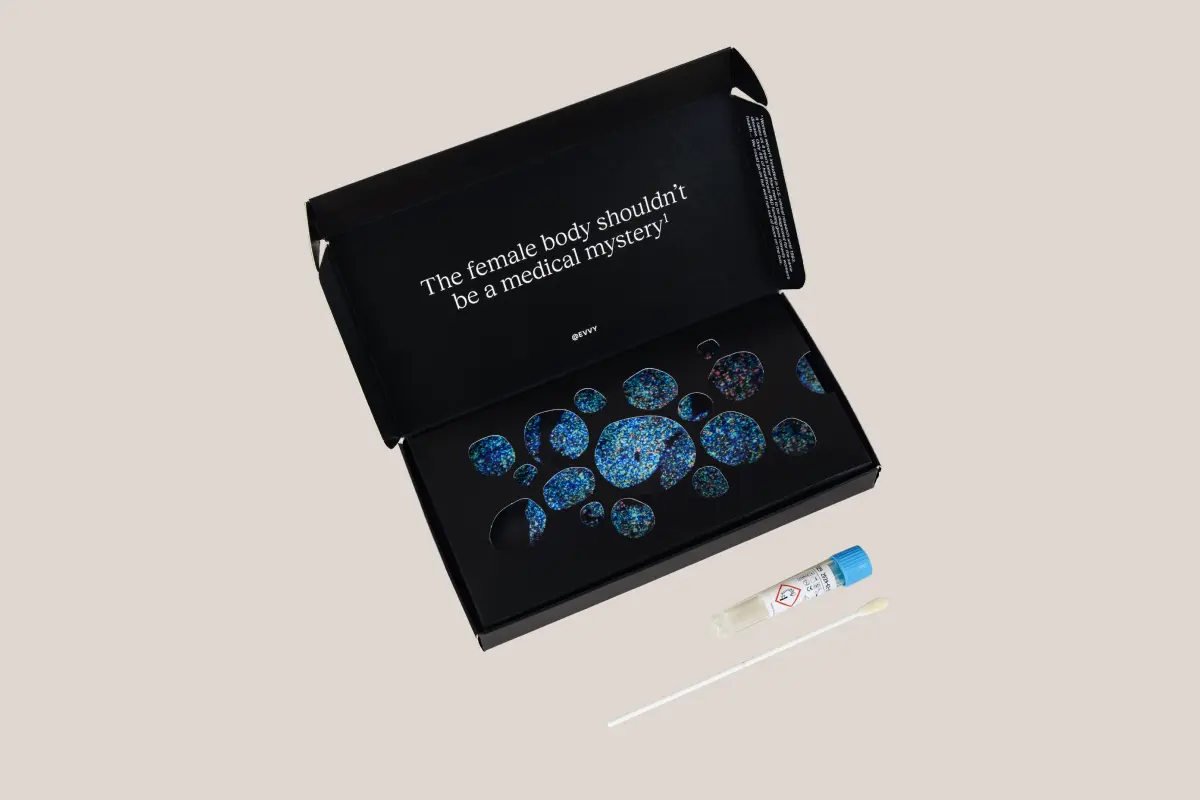
Get advanced insights into symptoms, fertility, and other health outcomes. Prelim results in 1-3 days.
Wondering if exercise causes BV? Here's what the evidence actually says about sweat, tight leggings, and bacterial vaginosis.
Words by Olivia Cassano
Scientifically edited by Dr. Krystal Thomas-White, PhD
Medically reviewed by Dr. Kate McLean MD, MPH, FACOG
A strong vaginal odor is often associated with bacterial vaginosis (BV), but where do you draw the line between an infection and just BO? If you've noticed a stronger-than-usual odor after working out, it's understandable to wonder if exercise has triggered BV. Exercise itself doesn't cause BV, but the conditions that come with a sweaty workout — moisture, heat, tight fabric pressed against your skin for hours — can shift your vaginal environment in ways that make BV more likely in people who are already prone to it.
This is an indirect link, not a direct one. If you're dealing with recurrent BV, it's far more likely that an underlying microbiome imbalance is driving the pattern, with your workouts acting as one of several possible triggers rather than the actual cause.
Below, we'll break down what's actually happening in your vaginal microbiome during exercise, how to tell normal sweat smell apart from BV, and what to do if symptoms keep showing up after you hit the gym.
BV happens when the bacterial community in your vagina shifts out of balance. A healthy vaginal microbiome is typically dominated by Lactobacillus species, the good bacteria that keep the environment slightly acidic and crowd out bacteria that can cause problems. When Lactobacillus levels drop, Gardnerella and other bad bacteria can take over, leading to the fishy odor, discharge, and vaginal irritation associated with BV.
Exercise doesn't introduce new bacteria into your vagina. What it can do is create the perfect environment for bacteria to multiply. Heat, moisture, and friction are the main factors at play, and a hard workout delivers all three.
This doesn’t mean exercise directly causes BV — it's an indirect, mechanistic effect. If sweat, moisture, or tight synthetic clothing seem to be triggering your BV (or any other vaginal infection), there's a good chance your microbiome was already imbalanced going in. In someone with a healthy, Lactobacillus-dominant microbiome, sweat and tight leggings aren't a meaningful trigger on their own.
This matters most for people whose microbiomes are already on the edge of imbalance. If your Lactobacillus levels are strong, a sweaty spin class is unlikely to tip things over. If your microbiome is already lower in protective bacteria, the same workout might be enough to push things into BV territory.
There's also a simpler explanation worth ruling out: sweat and moisture can make existing odors more noticeable, not create new ones. If BV is already present, a workout can make the discharge or smell more obvious simply by adding heat and moisture to the mix. But again, that only applies if BV was already there to begin with.

Recurrent symptoms? Get Evvy's at-home vaginal microbiome test, designed by leading OB-GYNs.
No workout is strictly off the table if you have BV. What matters more is your comfort level with symptoms like discharge or odor, and whether a particular activity makes irritation worse.
Some activities are simply easier to manage while you're dealing with symptoms. Swimming in a bikini, for instance, might feel exposing if you're self-conscious about odor, or chlorine could add to irritation for some people. That doesn't mean you have to skip the pool entirely; it just might not be the most comfortable choice this week.
Lower-sweat, lower-friction options that tend to feel most comfortable during a flare-up include:
Regardless of which workout you choose, it may help to wear breathable, moisture-wicking underwear under your workout clothes, change out of damp gear as soon as you're done, and skip scented body washes or wipes in the area, since these can add to irritation rather than help it.
A bit of vaginal odor after an intense workout is normal, especially since the groin has a high concentration of apocrine glands, the same type of sweat gland found in the armpits.
Unlike the eccrine glands found over most of your body, apocrine glands produce a thicker, protein- and lipid-rich sweat. That sweat doesn't smell on its own, but it's a much richer food source for skin bacteria, which is why both the groin and armpits tend to develop a stronger odor during and after exercise than, say, your back or legs. In other words, a more noticeable smell after a workout is partly just biology, not a sign that something's wrong — though it does mean the groin area is more prone to picking up odor quickly, which can make it harder to tell apart from a BV-related smell by scent alone.
BV odor is different in a few specific ways:
If the smell persists after a shower and clean clothes, or if you're noticing discharge alongside it, that's a signal worth checking out rather than writing off as "just sweat."
Recurrent BV is very common, but exercise is rarely the actual reason it keeps coming back. A few factors tend to be doing the real work:
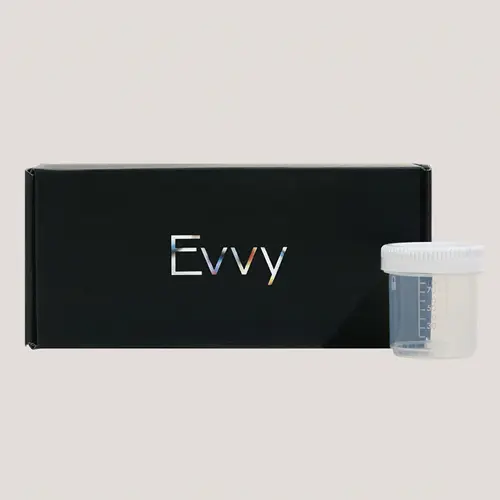
If you're noticing symptoms after exercise and want a clear answer instead of a guess, Evvy's Vaginal Microbiome Test lets you collect a sample at home and mail it to a lab for analysis.
Unlike a standard yeast infection test or a basic pH check, Evvy's test uses metagenomic sequencing to identify the specific bacterial and fungal species present in your sample, along with their relative abundance. This gives a far more detailed picture than a simple positive/negative result, showing not just whether BV-associated bacteria are present, but which species and how dominant they are.
That level of detail matters for recurrence. Instead of treating "BV" as one generic problem, you get information on your specific microbiome composition, which can guide more targeted next steps with your provider rather than repeating the same treatment that didn't fully resolve things last time.
You don't need to overhaul your workout routine to lower your risk. A few practical habits cover most of the relevant risk factors:
Yes. There's no medical reason to avoid exercise if you have BV. You may find lower-sweat activities more comfortable while you have symptoms, but nothing is off-limits.
Sweating alone doesn't cause BV. That said, prolonged moisture from sweat, especially when trapped by tight or non-breathable clothing, can contribute to conditions that favor bacterial overgrowth in people who are already prone to BV. Sweat can also make vaginal odor more noticeable, but it’s not a direct cause of BV.
No specific exercise is known to trigger BV directly. Very sweaty workouts and tight, synthetic clothing may create an environment favorable to bacterial growth, but exercise isn’t really considered a trigger for BV.
Moisture itself doesn't cause BV, but staying in damp or sweaty clothing for extended periods can create warm, moist conditions where BV-associated bacteria multiply more easily — so in that sense, it can act as a trigger. Changing out of wet or sweaty clothes promptly, especially after working out, is a simple habit that may help reduce your risk. Keep in mind that feeling a little damp or noticing a stronger odor after sweating is normal and will resolve after showering, so that alone isn't a sign of BV.
There’s no direct evidence that specific workouts cause BV. Known risk factors for BV include sexual activity (especially with new or multiple partners), hormonal fluctuations, smoking, chronic stress, and douching.
Normal sweat smell is mild and resolves with a shower and clean clothes. BV produces a persistent fishy odor that doesn't go away with basic hygiene, often paired with thin gray or white discharge.
BV can keep coming back for several reasons, but exercise isn’t one of them. Incorrect treatment, reinfection, or certain lifestyle factors — like douching or having unprotected sex — can all play a role in BV recurrence. Some people are just more prone to BV due to their unique vaginal microbiome composition. If you keep noticing symptoms like unusual discharge, odor, or vaginal discomfort after working out, speak to your healthcare provider or take Evvy’s Vaginal Microbiome Test to understand what is driving your BV symptoms.