CONGRATS! YOU EARNED FREE SHIPPING.

Product Title
1
$0
$0
Subscription Title

Looking kind of empty in here.
We recommend:
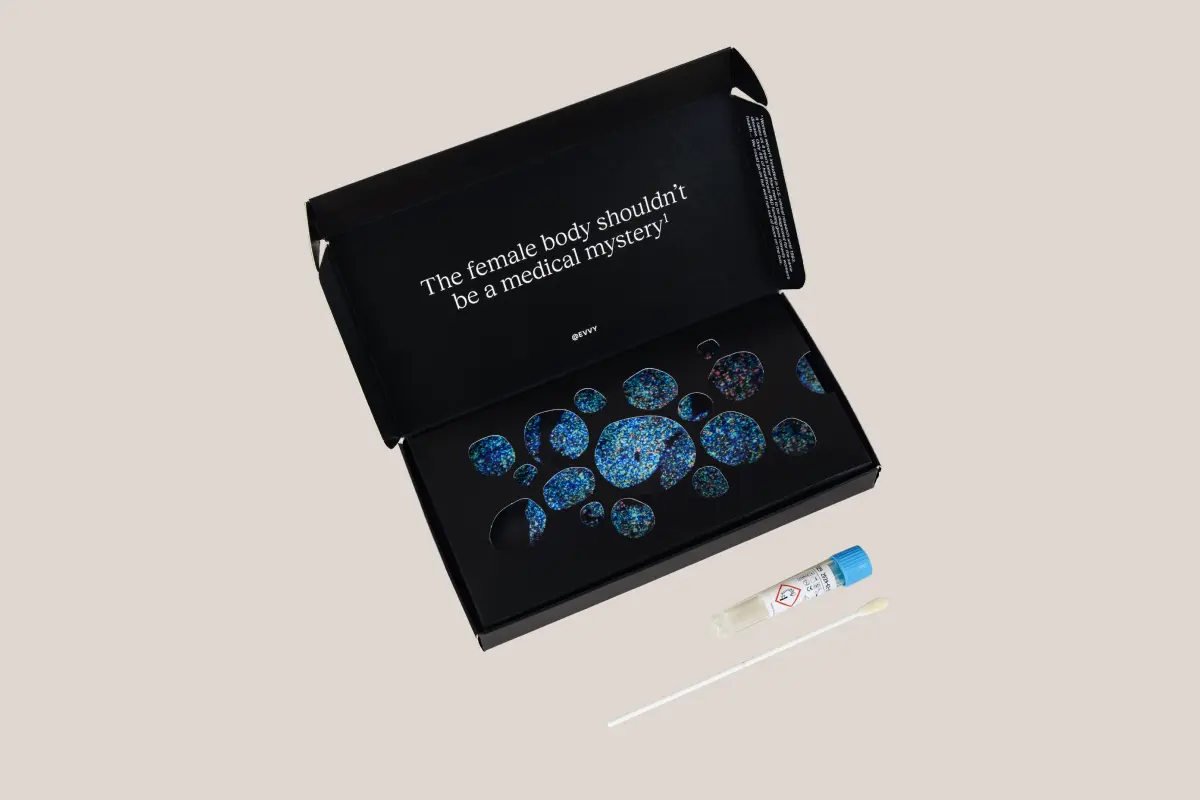
Get advanced insights into symptoms, fertility, and other health outcomes. Prelim results in 1-3 days.

How long does a UTI last? Learn typical recovery times with and without antibiotics, when symptoms improve, and what can delay healing.
Words by Olivia Cassano
Scientifically edited by Dr. Krystal Thomas-White, PhD
Medically reviewed by Dr. Kate McLean MD, MPH, FACOG
Urinary tract infections (UTIs) are incredibly common, especially for people with vaginas — but that doesn’t make them any less annoying to deal with. When symptoms like burning, urgency, and pelvic pressure appear, most people want one thing: relief, ASAP.
How long a UTI lasts can vary depending on several factors, including the severity of the infection, whether you receive treatment, the antibiotic used, and your medical history. Most bladder infections in healthy women resolve with a short course of antibiotics, typically 3 to 7 days. With antibiotics, many people start to feel better within 1 to 2 days, and the infection is often cleared within 3 to 5 days. Without treatment, mild UTIs can sometimes improve on their own in about a week, but symptoms may linger longer or worsen, which is why antibiotic treatment is recommended.
Keep reading to learn more about the typical timeline for UTIs (with and without treatment), and why some infections last longer than others. If you want a deeper look at what might be causing your symptoms, Evvy’s Vaginal Health & UTI+ Test can help identify bacteria and other microbes that may be contributing to recurrent infections.
For most people, antibiotics significantly shorten the duration of a urinary tract infection. A straightforward, uncomplicated bladder infection usually resolves within 3 to 7 days, but many people notice improvement much sooner once treatment begins.
Most people notice a clear improvement within 24 to 48 hours of starting antibiotics. That burning sensation when you pee, urgency, and pelvic discomfort often begin to ease within the first couple of days. However, although symptoms improve quickly, the infection may take several more days to fully clear.
The exact treatment timeline depends on the type of infection and the antibiotic used. For uncomplicated bladder infections, antibiotic courses are typically 3 to 5 days. Infections that have spread to the kidneys typically require longer treatment, often lasting 7 to 14 days. Complicated infections or recurrent UTIs may require extended treatment for 2 weeks or more, depending on the bacteria involved and the individual’s health.
It’s important to finish the full course of antibiotics exactly as prescribed, even if symptoms disappear quickly and you start feeling better. Stopping early can allow some bacteria to survive and multiply again, increasing the risk of the infection returning and of antibiotic resistance.
Occasionally, recovery takes longer if the bacteria causing the infection are resistant to the antibiotic prescribed. In those cases, symptoms may persist until the treatment is adjusted based on urine culture results. Evvy’s UTI+ Test can help identify the exact pathogen causing the infection, along with potential antibiotic resistance, giving you and your healthcare provider more precise information to choose the most effective treatment from the start.
For many people, burning during urination and the constant urge to pee begin to ease within 1 to 2 days of starting antibiotic treatment. This early improvement can be reassuring, but it doesn’t necessarily mean the infection is completely gone yet.
Antibiotics work by killing the bacteria causing the infection, but it takes time for the body to clear them from the urinary tract and for inflamed tissues to heal fully. Even after bacterial levels drop, the bladder lining may remain irritated for a short time.
If pain or urinary symptoms haven’t improved at all after 2 days of antibiotics, it’s important to contact your healthcare provider. This can sometimes signal antibiotic resistance or a more complicated infection.
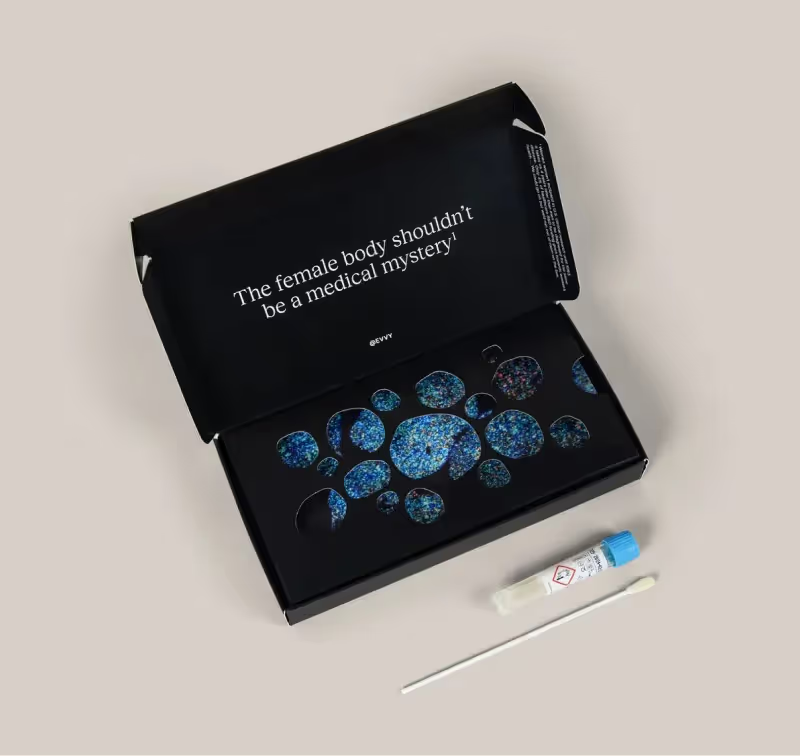
Recurrent symptoms? Get Evvy's at-home vaginal microbiome test, designed by leading OB-GYNs.
Some mild UTIs can resolve without antibiotics, especially in otherwise healthy adults. Research suggests that about 25-50% of uncomplicated UTIs may resolve within a week without treatment.
Even when symptoms improve naturally, the timeline is usually longer than with antibiotics. Mild lower UTIs may take 3 to 7 days to resolve on their own, and sometimes symptoms linger longer. In some cases, the infection can persist for weeks or repeatedly flare up.
Because of the potential risks, most providers recommend treating UTIs rather than waiting for them to resolve on their own. When bacteria remain in the urinary tract, there is a risk that the infection will spread upward from the bladder to the kidneys. Kidney infections are more serious and can lead to fever, severe pain, and the need for stronger treatment.
Persistent, untreated infections can, in rare cases, spread to the bloodstream and cause complications such as kidney damage or sepsis.
In other words, most UTIs do not go away on their own, so it’s best not to take that risk. If your symptoms are serious or last more than 1 or 2 days without getting better, contact your doctor — especially if you’re pregnant, have diabetes, a weakened immune system, or have known kidney problems.
Urinary tract infections can feel like they show up out of nowhere, but they actually go through several stages of development. The first stage begins when bacteria enter the urinary tract, often from the gut (most commonly E. coli) or the genital area, and then travel to the urethra. At this initial stage, you may notice subtle signs, such as a slightly increased urge to use the bathroom or a bit of discomfort.
Next comes the active infection phase. This is when bacteria multiply in the bladder, and you’ll start to notice more prominent UTI symptoms. You might experience burning when you pee, frequent urination, cloudy or foul-smelling urine, and pelvic discomfort. It’s usually at this point that many people realize something isn’t quite right and decide to seek treatment.
If you catch the infection during this stage, the good news is that treatment can lead to quick improvements. Your bladder will begin to heal quickly as the bacteria are cleared.
However, if a lower UTI isn’t treated, it could lead to more serious issues. The infection can travel up through the ureters to the kidneys, resulting in a kidney infection. This can lead to more serious symptoms, such as fever, chills, nausea, vomiting, and back or side pain. These signs indicate that things are getting worse, and it’s really important to get medical help.
When a UTI starts to improve, the changes are often noticeable fairly quickly. Symptoms that once felt constant may begin to fade, and urination becomes less uncomfortable. Positive signs that your UTI is clearing up include:
These improvements usually appear within 1 to 2 days of starting treatment, though full recovery takes longer.
Keep in mind that symptom improvement alone doesn’t always mean the infection is completely gone. Some bacteria may still be present in the urinary tract even after you feel better. This is why finishing the full course of antibiotics is really important.
In certain situations — such as recurrent UTIs, persistent symptoms, or complicated infections — a follow-up urine test may be recommended to confirm the infection has cleared. If symptoms initially improve but then return soon after finishing antibiotics, it could mean the infection wasn’t fully cleared or that a new infection has developed.
Several factors can cause a UTI to linger or repeatedly come back, even with treatment.
Standard urine cultures can miss up to 50–70% of pathogens, often leading to trial-and-error prescribing. As a consequence, nearly half of women receive antibiotics that may not effectively treat their infections. Evvy’s UTI+ Test utilizes advanced PCR technology to identify pathogens that traditional culture methods may overlook. It not only detects specific bacteria but also identifies potential antibiotic resistance genes, allowing healthcare providers to choose an antibiotic that is more likely to be effective the first time. For individuals with chronic UTIs, the test can also reveal whether imbalances in the vaginal microbiome contribute to their infections.
Other than taking antibiotics, there are some things you can do to help support your body’s healing process and ease symptoms while the infection clears. While these remedies won’t replace medical treatment, they can help reduce discomfort and may help your urinary tract recover more quickly. Some remedies you can try include:
If your symptoms aren’t improving after a couple of days of antibiotics, or if they worsen, it’s important to contact your healthcare provider to rule out complications or antibiotic resistance.
Most UTIs improve pretty quickly with the right treatment. However, you should reach out to your healthcare provider if you’re not feeling better after 2 to 3 days of antibiotics. This might mean the infection is hard to treat, or that something else is going on.
If you start to experience fever, chills, nausea, vomiting, or back or side pain, it’s important to seek care right away, as these could be signs that the infection has spread to the kidneys. If you’re pregnant and experiencing a UTI, it’s essential to get medical help. Pregnant individuals with untreated UTIs are at higher risk for complications such as preterm birth and low birth weight.
It's important to consult your doctor if you experience any unusual symptoms, such as abnormal vaginal discharge or bleeding. Other infections, including sexually transmitted infections, can be mistaken for a UTI because they share similar symptoms. Your doctor can help determine the underlying cause and rule out other potential issues.
And if you find that you’re dealing with chronic infections, it’s wise to get those checked out to figure out what’s causing them.
Most uncomplicated UTIs begin to improve within 24 to 48 hours of starting antibiotic therapy. Symptoms like burning during urination and the frequent urge to pee often begin easing within the first couple of days. The infection itself is usually cleared within 3 to 5 days, although the total symptom timeline can be 3 to 7 days as the bladder lining continues to heal.
If you're dealing with a mild UTI, there's a chance it could start to get better on its own within about a week, especially if you're otherwise healthy. However, it's important to remember that this isn't always the case. Symptoms might hang around longer, come back more frequently, or even get worse. Untreated UTIs can also move from the bladder to the kidneys, which could lead to a more severe infection that needs stronger treatment. Because of these possibilities, healthcare providers strongly recommend seeking treatment rather than waiting to see what happens.
For uncomplicated bladder infections, recovery usually takes 3 to 7 days. Antibiotics significantly shorten this timeline, with many people feeling noticeable relief within the first 2 days of treatment. More complicated infections (such as kidney infections or chronic UTIs) may take longer to resolve and sometimes require longer antibiotic courses.
UTIs typically develop in stages. They begin when bacteria enter the urethra and start multiplying in the urinary tract. As the infection progresses, symptoms such as burning during urination, urgency, and pelvic discomfort become more noticeable. With treatment, the infection usually resolves within a few days. If left untreated, however, the bacteria can travel upward to the kidneys and cause a more serious infection.
Signs that a UTI is improving include less burning when urinating, fewer urgent trips to the bathroom, urine returning to a more normal color and smell, and reduced pelvic pressure or discomfort. Many people notice these improvements within a day or 2 of taking antibiotics. Even if symptoms improve quickly, it’s still important to complete the full treatment course to make sure the infection is fully cleared.
UTI pain and burning usually begin to improve within 1 to 2 days of starting antibiotics. However, mild irritation in the bladder or urethra can linger for a short time while the tissue heals. If pain doesn’t improve after a couple of days of treatment, or if it worsens, it’s important to check in with a healthcare provider.
Yes, a UTI can sometimes stick around for weeks, especially if it hasn’t been treated or if the bacteria aren’t responding to the prescribed antibiotic. Chronic UTIs can take 10 to 14 days or longer to resolve, especially if the bacteria are difficult to eradicate. Other factors like kidney stones, not fully emptying the bladder, or recurring infections can also play a role. If you’re still feeling symptoms, it’s always a good idea to chat with your healthcare provider for guidance.
If you still have symptoms after finishing antibiotics, it might be for a few reasons. The bacteria could be resistant to the medication, the infection may not be fully gone, or your bladder might still be healing from irritation. Other issues, like vaginal infections, pelvic floor problems, or bladder inflammation, can also cause similar symptoms. If your symptoms persist, a follow-up test can help determine what’s wrong and how to treat it.