CONGRATS! YOU EARNED FREE SHIPPING.

Product Title
1
$0
$0
Subscription Title

Looking kind of empty in here.
We recommend:
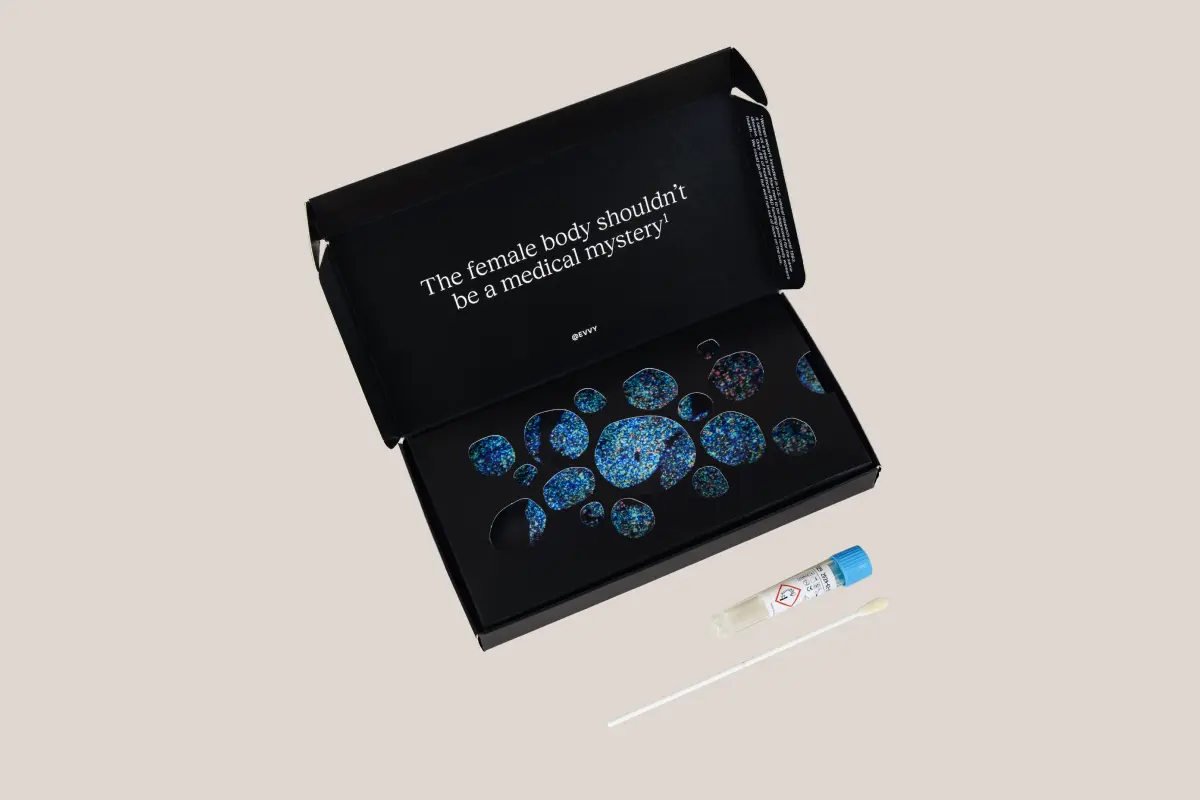
Get advanced insights into symptoms, fertility, and other health outcomes. Prelim results in 1-3 days.

Does peeing after sex really prevent UTIs and vaginal infections? We look at what the research shows and what to do if infections keep coming back.
Words by Olivia Cassano
Scientifically edited by Dr. Krystal Thomas-White, PhD
Medically reviewed by Dr. Kate McLean MD, MPH, FACOG
You've probably heard it so many times it feels like a commandment: pee after sex. But does it actually do what people claim? Does it prevent urinary tract infections (UTIs) and other vaginal infections, such as bacterial vaginosis (BV)?
Peeing after sex is a reasonable habit with sound biological logic, but the evidence backing it up is thinner than most people realize. It's not a magic shield against infections, and if you're dealing with recurrent UTIs or vaginal infections after sex, Evvy's Vaginal Health & UTI+ Test can help you figure out what's actually driving the cycle, because peeing afterward might not be enough.
So, before you skip the cuddles and aftercare to run to the bathroom, keep reading to learn what the research actually shows.
Peeing after sex is a common practice that many people find helpful, but it turns out that the science behind it isn't as strong as most of us think.
Sexual activity is one of the biggest risk factors for UTIs in women. Around 50%-60% of women will develop a UTI in their lifetime, and having frequent sexual intercourse is one of the greatest risk factors for recurrent UTIs. Female anatomy is a big part of why. The female urethra is pretty short (much shorter than men’s), which means bacteria from the genital area have a very short distance to travel to reach the bladder.
During sex, bacteria (most commonly E. coli) can be physically pushed toward and into the urethra. So the logic behind peeing after sex makes sense: it may help flush out any bacteria that got into the urethra before they can move up to the bladder and cause an infection. The problem is that although this biological explanation seems reasonable, it’s not backed by strong clinical evidence.
The most direct evidence comes from a small 2002 case-control study of 225 women at a university health center, which found that women who peed within 15 minutes of intercourse were less likely to develop a UTI than those who didn't. It’s a promising result on the surface, but one that wasn't statistically significant. The study lacked the sample size needed to detect a small-to-moderate effect, and it also excluded women with a history of recurrent UTIs — arguably the group most likely to benefit from the advice.
A 2013 review that examined the available evidence concluded that peeing after intercourse doesn’t reduce the risk of symptomatic UTIs among sexually active young healthy women overall, though there may be some protection for women with no prior UTI history if they void within 15 minutes.
When we look at the whole picture, it’s a bit of a mixed bag. Clinical guidelines suggest that whether you choose to void before or after sex is usually fine, and there’s no strong evidence proving that it’s harmful. It’s a simple, no-cost habit that could even be beneficial if you’re prone to UTIs. However, it’s important to note that it shouldn’t be relied on as the sole method of prevention. If you find that you keep getting UTIs after sex, it might be a sign that there’s something else at play.
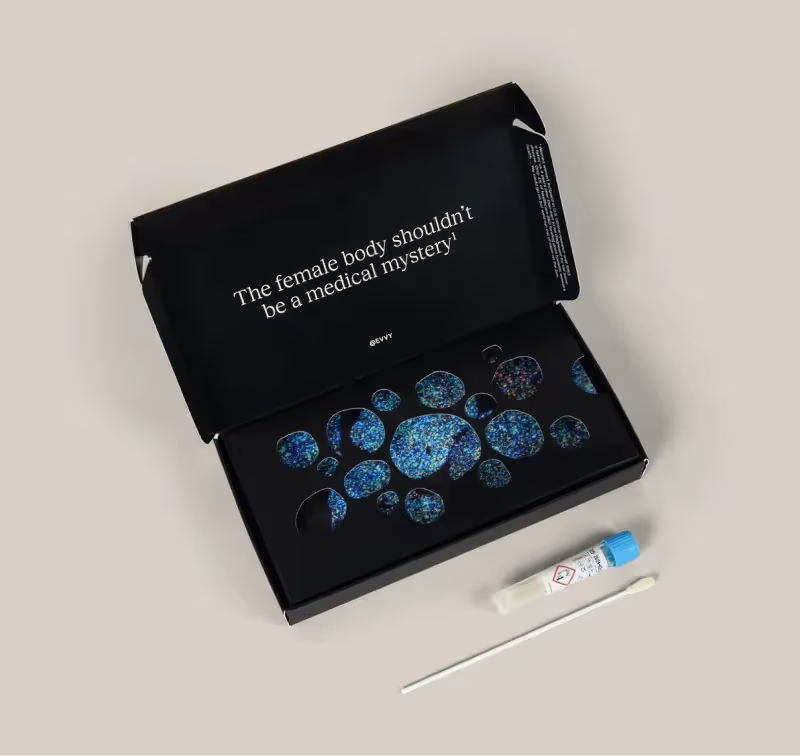
Recurrent symptoms? Get Evvy's at-home vaginal microbiome test, designed by leading OB-GYNs.
If you notice a burning or stinging sensation when you pee after sex, don't assume it's a UTI — there are a few different things that could be causing it.
BV and yeast infections are two common reasons why some people experience discomfort after sex, like itching or a burning sensation when peeing.
With BV, you might notice not only burning during sex and when you pee, but also symptoms like a fishy odor, itching, and gray, watery vaginal discharge. Yeast infections can cause inflammation and irritation around the vulva, which can make peeing feel uncomfortable. If your vulva is really irritated, you might experience that stinging sensation when you pee.
It's also good to remember that having sex can sometimes trigger these infections. Unprotected sex can throw off the natural balance of good bacteria in your vagina, which can last for about a week.
If you find that burning or unusual discharge keeps happening after sex, it could be a sign that your vaginal microbiome is getting disrupted each time.
Some sexually transmitted infections (STIs) can also cause burning when you pee. Chlamydia, gonorrhea, and trichomoniasis are among the most common culprits. The tricky thing is that STIs often come with few or no obvious symptoms, so burning when you pee after sex might be the only sign something's off.
If you've had unprotected sex and are experiencing any urinary discomfort, it's worth getting an STI test alongside any other testing you do. STIs require their own specific treatment, so getting the right diagnosis matters.
If you're getting UTIs repeatedly after sex (even when you pee afterward), the issue likely runs deeper than hygiene habits, and your vaginal microbiome could be playing a role.
A healthy vaginal microbiome is dominated by a type of bacteria called Lactobacilli, which helps maintain an acidic environment that keeps harmful bacteria in check. When Lactobacillus levels drop, the protective effect weakens, and research shows that women with low levels of these beneficial bacteria have a significantly higher risk of bacterial overgrowth that leads to UTIs.
There's also a specific mechanism worth knowing about. Some research has found that Gardnerella vaginalis — a bacterium linked to BV — can trigger dormant bacteria left over from a previous UTI to multiply again, causing another infection. In other words, the problem isn't always new bacteria getting in. Sometimes it's old bacteria already sitting in your bladder being reactivated by changes in your vaginal environment.
Women with BV can have up to a 13.7 times higher risk of developing a UTI. Additionally, the antibiotics prescribed to treat a UTI can disrupt the vaginal microbiome, which also increases the likelihood of BV. This, in turn, raises the risk of another UTI, creating a frustrating cycle. Unfortunately, simply peeing after sex won’t be enough to break this cycle.
If you keep getting UTIs or vaginal infections after sex, and you're already doing everything "right", testing is the most useful next step.
Evvy's Vaginal Microbiome Test uses sequencing technology to map the bacteria and fungi living in your vaginal microbiome at the species level. This means it can identify low Lactobacillus levels, the presence of Gardnerella vaginalis, or other microbial imbalances that could be making you more vulnerable to post-sex infections.
Meanwhile, Evvy's UTI+ Test goes beyond a pharmacy dipstick test. Rather than just flagging general infection markers, it uses PCR to identify the specific pathogens in your urine, including the exact bacteria causing an infection. That detail matters when it comes to treatment, because knowing which pathogen is present helps ensure you're prescribed the right antibiotic, rather than one the bacteria might be resistant to.
Used together, these tests can give you a far more complete picture of what's driving recurrent post-sex infections.
Peeing after sex is a good habit, but it works best as part of a broader approach. Here are some other evidence-backed things you can do:
If you keep getting UTIs or vaginal infections after sex, testing is the most useful next step, and Evvy's Vaginal Health + UTI Test bundle gives you the most complete picture in one go. The UTI+ Test uses PCR technology to identify the specific bacteria in your urine, going far beyond what standard tests can tell you. And the Vaginal Microbiome Test maps the bacteria and fungi in your vagina at the species level, so you can see exactly what's going on in your microbiome — including whether low Lactobacillus or elevated Gardnerella might be making you more vulnerable to infections after sex. Used together, they can help you (and your provider) get to the bottom of what's driving the cycle, rather than just treating each infection as it comes.
No. Sperm travel into the cervix and uterus during sex, and urine exits through the urethra, which is a completely separate pathway. Peeing after sex has no effect on sperm that have already entered the reproductive tract.
A few things. Bacteria can be transferred from your partner's genitals to yours during sex, introducing new pathogens to the urethra each time. If E. coli is already dormant in your bladder from a previous infection, vaginal bacteria (particularly Gardnerella vaginalis) can also reactivate it during sex, meaning the bacteria were never fully cleared to begin with. And a vaginal microbiome that's low in Lactobacillus offers less protection against harmful bacteria taking hold. Available evidence doesn't definitively prove that urinating after sex significantly lowers UTI rates for everyone, though it's considered a harmless and potentially helpful habit. If recurrent post-sex UTIs sound familiar, testing your vaginal microbiome is a useful first step.
Yes. Your urinary system and reproductive systems are two completely separate anatomical pathways. Peeing after sex doesn't prevent pregnancy, as sperm is ejaculated into the vagina, which is separate from the urethra where urine is expelled.
You can, but the later you leave it, the less likely it is to help. The studies that have looked at post-sex urination and UTI risk focused on voiding within 15 minutes of sex, which is where any potential protective effect seems to be. Whether waiting an hour makes a meaningful difference hasn't been studied, but the biological logic suggests that the sooner you go, the better the chance of flushing out bacteria before it reaches the bladder. It's recommended to urinate within 15-30 minutes after sex to maximize the potential benefits of flushing out bacteria and reducing UTI risk.
That depends on what's causing it. If it's friction or irritation, a good lubricant (silicone or water-based) during sex can help. If it's a UTI, you'll need antibiotic treatment. If it's BV or a yeast infection, those require their own specific treatments. Some sexually transmitted infections can also cause burning when you pee, so if you're unsure or have had unprotected sex, it's worth getting tested for those too. Persistent burning after sex is worth investigating, and Evvy's testing can help identify whether a vaginal infection is at the bottom of it.
No, pain is never something to ignore. It doesn't always mean infection; something like vaginal dryness can cause enough irritation that peeing after sex stings. But whether it's dryness, a UTI, BV, or something else entirely, pain when peeing after sex is your body flagging that something's off. Talk to your healthcare provider so you can get to the bottom of it.