CONGRATS! YOU EARNED FREE SHIPPING.

Product Title
1
$0
$0
Subscription Title

Looking kind of empty in here.
We recommend:
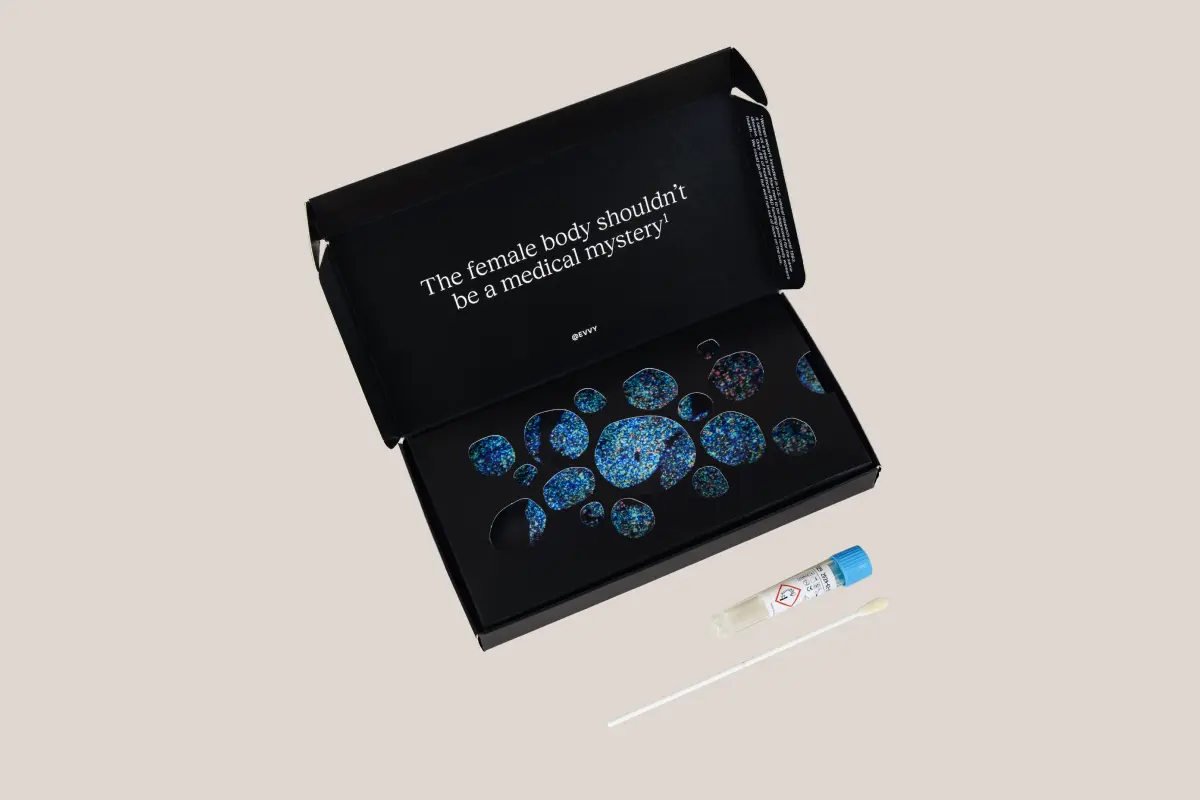
Get advanced insights into symptoms, fertility, and other health outcomes. Prelim results in 1-3 days.

Burning when you pee, but not sure if it's a UTI or urethritis? Learn how to spot the difference and why the right diagnosis matters for treatment.
Words by Olivia Cassano
Scientifically edited by Dr. Krystal Thomas-White, PhD
Medically reviewed by Dr. Kate McLean MD, MPH, FACOG
Most people who experience a burning sensation when they pee assume it's a urinary tract infection (UTI) and reach for the usual treatment. And while most people immediately assume it's a bladder infection, there's another possibility worth knowing about: urethritis.
Urethritis is technically a type of UTI, but unlike cystitis (the classic bladder infection most people are familiar with), it affects the urethra rather than the bladder. That distinction matters more than it might seem, because while the symptoms overlap significantly, the causes, tests, and treatments are often completely different. Taking the wrong antibiotic won't clear the infection, and in some cases, the underlying cause isn't bacterial at all in the usual sense.
Below, we break down the difference between urethritis and a UTI, from causes and symptoms to testing and treatment, so you can get the right answers and the right relief. And if you're dealing with recurring or unexplained symptoms, Evvy's Vaginal Health & UTI+ Test can help you get a clearer picture of what's actually going on.
Both urethritis and UTIs affect your urinary tract, but they're not the same condition.
A UTI is a bacterial infection that can occur anywhere in the urinary system — including the urethra, bladder, and kidneys — but most commonly takes hold in the bladder. It's caused by bacteria entering and multiplying in the urinary tract.
Urethritis is specifically an inflammation of the urethra, the tube that carries urine out of the body. It can be caused by a bacterial infection, but the bacteria responsible are usually very different from those behind a UTI.
Because they're caused by different pathogens, they require different tests and different antibiotics. Getting a UTI diagnosis when you actually have urethritis, or vice versa, means the treatment you receive might not work at all.
Urethritis is most commonly caused by sexually transmitted infections (STIs). It falls into two main categories:
Gonococcal urethritis is caused by Neisseria gonorrhoeae, the bacteria responsible for gonorrhea. Non-gonococcal urethritis (NGU) is caused by other organisms, with Chlamydia trachomatis being the most common. Other culprits include Mycoplasma genitalium, Trichomonas vaginalis, and Ureaplasma urealyticum. In addition to bacterial infections, viral infections, such as herpes simplex virus infection, can also lead to urethritis.
Not all urethritis is sexually transmitted, though. Non-infectious urethritis can be triggered by chemical irritants like soaps, spermicides, contraceptive gels, or even certain lubricants. Physical trauma, like from a catheter, can also cause inflammation. But in the majority of cases, especially when symptoms come on after sexual contact, an STI is the underlying cause.
The overwhelming majority of urinary tract infections are caused by Escherichia coli (E. coli), a bacterium that normally lives in the gut. When it migrates to the urethra and travels up into the bladder, it causes infection.
Several factors increase the risk of UTIs. Female anatomy plays a significant role, since a shorter urethra means bacteria have a shorter distance to travel to reach the bladder. Sexual activity can introduce bacteria into the urethra. Other risk factors include using spermicide or a diaphragm, going through menopause (which changes the vaginal microbiome and pH), and having a history of UTIs.
UTIs can also be caused by other bacteria like Klebsiella or Staphylococcus saprophyticus, or Candida, particularly in people who are immunocompromised.
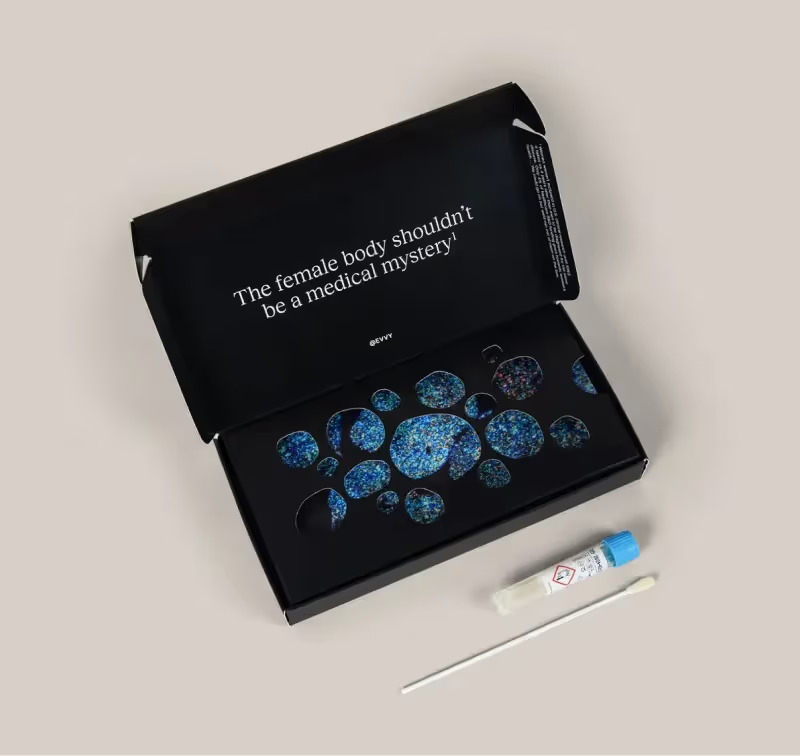
Recurrent symptoms? Get Evvy's at-home vaginal microbiome test, designed by leading OB-GYNs.
Because both conditions affect the urethra, they can feel remarkably similar. But some important distinctions might point you in the right direction.
Both urethritis and UTIs can cause:
These overlapping symptoms are exactly why it's so easy to assume one when you actually have the other.
Urethritis sometimes produces symptoms that are less typical of a standard UTI:
Urethritis typically doesn't cause the cloudy or foul-smelling urine that's more common with a UTI, and it's less likely to cause fever unless the infection has spread.
UTI-specific symptoms tend to include:
If you have a high fever and back pain along with urinary symptoms, seek medical attention promptly, as this could indicate a kidney infection.
This is where the distinction between the two conditions really matters. Standard UTI testing isn’t designed to detect STIs, and that gap is where misdiagnoses happen.
A basic urine dipstick test, often the first test used in an urgent care setting, checks for signs such as white blood cells and nitrites. These markers indicate a bacterial UTI, but they won’t flag chlamydia, gonorrhea, or other STIs. So if urethritis is responsible for your symptoms, a standard urine dip will likely come back negative for a UTI, without ever identifying the actual cause.
A urine culture is often considered the standard for diagnosing a UTI, and it can identify which bacteria are present and which antibiotic will be effective. But it's worth knowing that standard urine cultures can miss up to 70% of the pathogens linked to UTIs, meaning a negative result doesn't always mean you're in the clear.
Rather than relying on traditional culture methods, Evvy's UTI+ Test uses PCR (polymerase chain reaction) technology to detect a much broader range of pathogens with greater accuracy. If you want to test from home, it's a more comprehensive starting point than a standard dipstick, and can help you understand what's actually driving your symptoms before you even get to the doctor's office.
To diagnose urethritis, you need STI-specific testing. This typically involves a nucleic acid amplification test (NAAT), which can detect chlamydia, gonorrhea, and other organisms from a urine sample or swab.
If you're sexually active and experiencing urethral symptoms, particularly after new or unprotected sex, STI testing is an important step, even if a basic urine test comes back clear. Many clinics offer comprehensive STI panels, and at-home testing options are also available.
Getting the right diagnosis isn't just about accuracy; it's essential to make sure the treatment you receive will actually work.
Standard UTI antibiotics, such as trimethoprim or nitrofurantoin, are effective against E. coli and other bacteria that cause cystitis. But they do nothing for chlamydia or gonorrhea. If you take a course of UTI antibiotics when you actually have STI-caused urethritis, your symptoms might not improve, the infection can persist and potentially spread, and you could inadvertently pass an STI to a partner.
Treatment depends on the cause:
Sexual partners should also be tested and treated to prevent reinfection.
Most uncomplicated UTIs are treated with a short course of antibiotics, usually three to seven days. Common options include nitrofurantoin, trimethoprim, or fosfomycin — and ideally, the choice should be guided by a urine culture or PCR result rather than a best guess, especially if you've had recurrent UTIs or antibiotics that haven't worked in the past. If eligible, an Evvy-affiliated provider will prescribe targeted medication for your UTI after taking Evvy’s UTI+ Test, making it easier to get the right antibiotic without the added stress of a doctor’s appointment.
Alongside antibiotics, a few supportive measures can help you feel better faster:
Just keep in mind that these measures support recovery, but they won't clear an active infection on their own. Antibiotics are still essential.
Yes, co-infections absolutely happen. It's entirely possible to have both a UTI and STI-caused urethritis at the same time, which can make symptoms harder to unpick and treat.
Sex is one reason for this. Sexual activity can introduce bacteria into the urethra, triggering a UTI, but unprotected sex also carries the risk of STIs like chlamydia or gonorrhea, which can cause urethritis. So if you've recently been sexually active and you're dealing with urinary symptoms, it's worth considering both possibilities rather than assuming it's one or the other.
Co-infections can also involve multiple STIs at once. Having chlamydia, for example, can increase the risk of acquiring gonorrhea. This is exactly why comprehensive testing matters. Testing for one thing and assuming that's the full picture can leave part of the problem untreated.
Evvy's Vaginal Health & UTI+ Test is designed to look beyond a single diagnosis. Rather than testing for one condition in isolation, they use PCR technology to detect a wide range of pathogens (including those linked to UTIs and STIs), giving you a much more complete picture of what's going on. If your symptoms keep coming back or aren't responding to treatment, comprehensive testing like this can be the difference between guessing and actually knowing.
If you've completed a UTI treatment and still feel off (whether that's ongoing burning, discharge, or just a lingering sense that something isn't right), don't just wait it out. Go back to your doctor and ask specifically about STI testing. Persistent symptoms are your body's way of flagging that something hasn't been fully addressed, and you deserve a real answer.
You can't reliably tell from symptoms alone, since the two conditions overlap significantly. The best way to get clarity is through some testing: a urine culture can help diagnose a UTI, while a NAAT swab or urine test is useful for STIs if you're experiencing urethritis. If your symptoms started after new or unprotected sexual contact, urethritis might be the culprit. Alternatively, if you're noticing cloudy urine and feeling pressure in your bladder, it could be more indicative of a UTI. When you're unsure, it’s a good idea to test for both.
A UTI is diagnosed via urine dipstick, culture, or PCR. Urethritis caused by an STI requires a NAAT test, either from a urine sample or a urethral or vaginal swab, that specifically checks for organisms like chlamydia and gonorrhea. Standard UTI tests won’t detect these.
No. A standard urine dipstick or culture tests for bacterial UTI markers. STI-caused urethritis will not produce a positive result on these tests. This is a common reason symptoms go unexplained after a "normal" UTI test.
A few clues can help point you in the right direction. Urethral discharge, symptoms that started after sexual contact, and little to no urinary urgency tend to lean more toward urethritis. Cloudy or foul-smelling urine, blood in your urine, and that intense bladder pressure feeling lean more toward a UTI. That said, the overlap between the two is significant enough that testing is really the only reliable way to know for sure.
It depends on what's causing it. If it's STI-related, targeted antibiotics are the answer (doxycycline or azithromycin for chlamydia, and a ceftriaxone-based regimen for gonorrhea). If it's non-infectious urethritis triggered by an irritant, removing that irritant may be enough for symptoms to settle. Either way, it's worth getting checked rather than hoping it resolves on its own. Untreated urethritis can lead to complications down the line.
A negative UTI test doesn't mean nothing is going on. Urethral irritation can be caused by an STI like chlamydia, gonorrhea, or Mycoplasma genitalium, a chemical irritant like soap, lube, or spermicide, physical irritation, or an allergic reaction. If your urine tests keep coming back clear but you're still symptomatic, it's worth talking to a doctor about STI testing and exploring other possible causes.
It depends. Mild, non-infectious urethritis caused by an irritant can sometimes settle once you've identified and removed the trigger. But STI-caused urethritis won't reliably clear without antibiotic treatment, and leaving it untreated raises the risk of complications, including pelvic inflammatory disease (PID), fertility issues, and passing the infection to a partner. If something feels off, please get tested.