CONGRATS! YOU EARNED FREE SHIPPING.

Product Title
1
$0
$0
Subscription Title

Looking kind of empty in here.
We recommend:
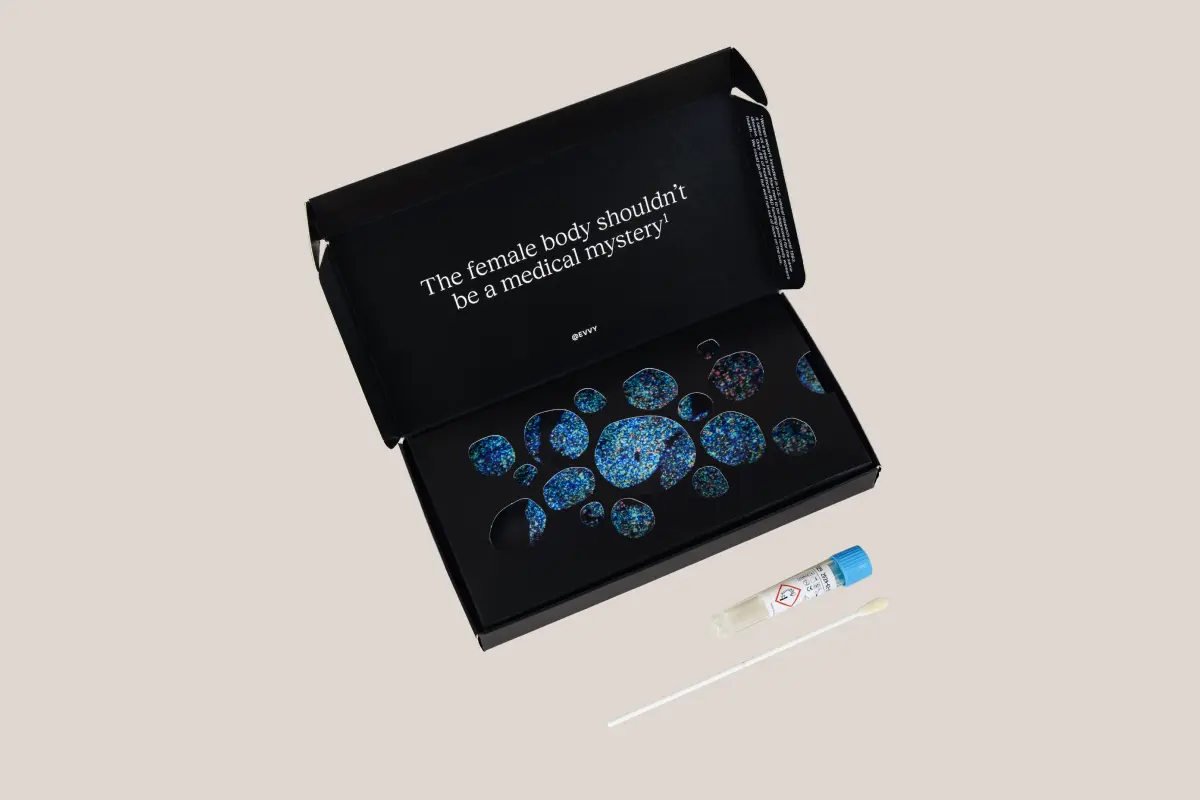
Get advanced insights into symptoms, fertility, and other health outcomes. Prelim results in 1-3 days.

Wondering why your underwear smells like ammonia? Learn the most common causes, from dehydration and sweat to BV and pregnancy, and what to do about them.
Words by Olivia Cassano
Scientifically edited by Dr. Krystal Thomas-White, PhD
Medically reviewed by Dr. Kate McLean MD, MPH, FACOG
If you’ve noticed an ammonia smell lingering in your underwear, it can feel confusing or even embarrassing, but the good news is that it’s usually not a serious issue.
Underwear that smells like ammonia is usually caused by the breakdown of urine or sweat, or by changes in vaginal pH that alter your natural odor. While it can feel alarming, it's rarely a sign of something serious, and many women notice changes in vaginal odor or unusual smells in their underwear at some point in their lives.
Below, we’ll cover what “normal” vaginal odor smells like, why you have vaginal odor in the first place, and the most common reasons you might notice an ammonia smell.
Healthy vaginas have a natural scent, which is influenced by the delicate balance of bacteria that help keep it healthy (aka, your vaginal microbiome). Vaginal odor is a natural byproduct of your vagina’s self-cleaning process.
Healthy vaginal odor is often described as slightly musky or tangy, and it can vary from person to person. It’s important to know that having some vaginal odor is completely normal — it’s a sign of a healthy and functioning body.
The vagina maintains a balanced ecosystem of bacteria and yeast, which work together to keep it healthy and prevent infections. This process involves the production of vaginal discharge, which helps cleanse the vagina by flushing out dead cells and unwanted bacteria — so no, daily discharge is not something to worry about.
This discharge interacts with external factors like sweat, urine, and clothing, sometimes making the odor more noticeable. For example, sweat in the groin can mix with bacteria, producing a noticeable smell. Similarly, wearing tight or non-breathable clothing can trap moisture, creating an environment where odors are more likely to develop.
The way your vagina smells can also change throughout your menstrual cycle due to hormonal fluctuations. For instance, when you’re ovulating, some women notice a stronger or sweeter smell because of changes in cervical mucus. After your period, you might notice a slightly metallic smell due to traces of blood.
Certain factors — such as hydration, hygiene, or medical conditions — can influence the type and intensity of the smell, including the ammonia-like scent. While these changes are normal, any foul or abnormal vaginal odors could signal an underlying issue, such as an infection or imbalance in your vaginal flora (more on that below).

Recurrent symptoms? Get Evvy's at-home vaginal microbiome test, designed by leading OB-GYNs.
An ammonia-like smell is distinct from the usual musky or tangy scent and can result from several factors. Let’s take a closer look at the most common reasons why.
An ammonia odor in underwear is primarily caused by the breakdown of waste products like urea by bacteria on the skin or fabric.
The groin is a hotspot for sweat glands (apocrine glands), and sweat contains compounds like urea, also found in urine. If sweat or a small amount of urine gets trapped in your underwear or on your skin, bacteria can break it down, creating an ammonia odor. This is especially common if you wear tight clothing or synthetic fabrics, or if you delay changing out of sweaty or damp underwear after exercise.
In some cases, not wiping properly after going to the bathroom can leave traces of urine on your underwear, contributing to the odor. Proper hygiene and wearing breathable fabrics (like cotton underwear) can help reduce this issue. Make sure you wash your vulva with warm water (and unscented soap if you wish) after working out.
Your hydration levels directly affect the smell of your urine. When you’re dehydrated, your urine becomes more concentrated with urea and other compounds, making it smell stronger. Even a small amount of concentrated urine mixed with discharge or sweat can create a noticeable ammonia-like scent.
Drinking plenty of water throughout the day not only dilutes your urine but also helps flush out toxins that can contribute to stronger smells.
An ammonia-like odor can sometimes signal a disruption in your vaginal flora, such as bacterial vaginosis (BV). Bacterial vaginosis occurs when the natural balance of good bacteria in the vagina shifts, often resulting in symptoms such as a fishy odor, thin, grayish discharge, and mild itching or irritation.
Although bacterial vaginosis is most commonly associated with a fishy smell, in some cases — especially when there's an overgrowth of a bacteria called Prevotella bivia — you might notice more of an ammonia-like scent. Abnormal vaginal odor caused by bacterial vaginosis also tends to smell stronger after having unprotected sex.
In rarer cases, BV infections can occur when some bacteria from the anal area make their way into the vagina. These bacteria can produce different odors, sometimes even resembling ammonia or rotten eggs.
While bacterial vaginosis isn’t always serious, it can increase the risk of other infections if left untreated. If you suspect BV, it’s important to see a healthcare provider for diagnosis and treatment.
Urinary tract infections (UTIs) are another potential cause of an ammonia smell. When unwanted bacteria enter the urinary tract, they can alter the composition and smell of your urine, making it stronger or unusual. Keep in mind, however, that urinary tract infections are unlikely to affect the way your discharge smells. Other symptoms of a urinary tract infection include a burning sensation when you pee, frequent urination, cloudy or dark-colored urine, and pelvic discomfort.
If you suspect a urinary tract infection, it’s essential to see a doctor for treatment, as untreated infections can lead to complications like kidney disease.
Period products like tampons, pads, or menstrual cups can sometimes trap sweat, blood, and urine, leading to an ammonia-like smell if they aren’t changed frequently enough. Using scented products can also irritate the vaginal mucosa and potentially contribute to an unpleasant odor.
To minimize this risk, opt for unscented products and change them every four to six hours, or more often if needed.
Pregnancy heightens your sense of smell (a phenomenon known as hyperosmia), so odors you previously wouldn't have noticed can suddenly feel overwhelming, including your own body odor.
Pregnancy cravings also often lead to dietary shifts that can directly affect the smell of your urine. Eating more protein, for example, increases the amount of nitrogen your body processes, which is broken down into ammonia and excreted in urine, making that ammonia smell more noticeable in your underwear. Certain foods, such as asparagus, garlic, onions, and Brussels sprouts, can cause urine to smell strongly of ammonia.
Pregnancy can change your body in several ways, making you more likely to get UTIs and BV. Both of these can cause an ammonia-like smell. Hormonal changes can alter your vaginal pH and change the balance of bacteria in your vagina, allowing harmful bacteria to grow more easily. Additionally, a growing uterus can press on the bladder, making it harder to empty completely and creating an environment for bacteria to thrive. Since both UTIs and BV can lead to complications during pregnancy, such as preterm birth if not treated, it’s important to talk to your healthcare provider about any noticeable or ongoing changes in odor.
After menopause, lower estrogen levels can cause the vaginal walls to become thinner, drier, and less stretchy. This condition is called atrophic vaginitis or genitourinary syndrome of menopause. The thinning of the vaginal walls can upset the natural balance of the vaginal microbiome and increase vaginal pH. This change can lead to unusual odors, including an ammonia-like smell.
Decreased estrogen also weakens the pelvic floor muscles and the urethral sphincter, which can cause urinary incontinence, meaning the unwanted leakage of urine. Even small amounts of urine can produce a strong ammonia odor as urea breaks down over time. As a result, postmenopausal women may notice persistent ammonia-like smells that are less about hygiene and more about hormonal changes.
If this issue affects your quality of life, talk to your healthcare provider about options like vaginal estrogen therapy and pelvic floor physiotherapy.
In many cases, simple lifestyle adjustments can make a significant difference to ammonia odor in your underwear. Here's what can help:
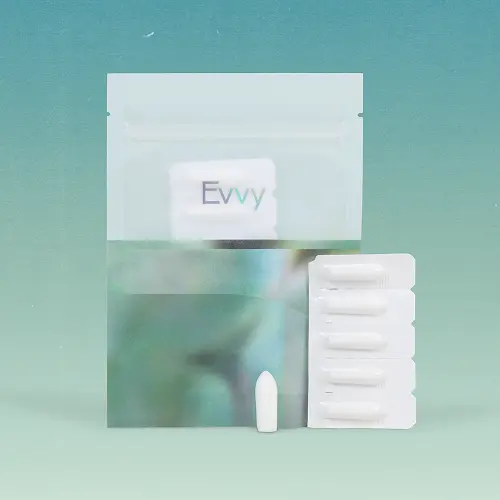
If lifestyle changes don't resolve the smell, it may indicate an underlying imbalance in the microbiome. Evvy Women's Complete Probiotic is formulated with clinically-studied Lactobacillus strains to help restore healthy vaginal bacteria and support a balanced vaginal environment long-term. For more targeted support, Evvy's Vaginal Probiotic Suppositories deliver beneficial bacteria directly to the vaginal microbiome, making them a useful option if you're dealing with a persistent or recurring imbalance.
While an ammonia-like smell is often harmless and temporary, there are times when it's a good idea to consult a healthcare provider. If the smell persists despite good hygiene and is accompanied by unusual discharge, itching, burning, vaginal bleeding, or any pain, it could indicate an infection or other underlying issue that needs attention.
If you're pregnant, don't wait for symptoms to worsen. Both UTIs and BV can develop quickly during pregnancy and carry risks, including preterm birth if left untreated. Any persistent or unusual odor during pregnancy is worth raising with your midwife or OB-GYN sooner rather than later. If you’re going through menopause, an ongoing ammonia smell alongside urinary leakage, vaginal dryness, or discomfort may point to atrophic vaginitis or pelvic floor changes linked to declining estrogen, both of which are very treatable with the right support.
Your doctor can perform tests to identify the underlying cause and recommend appropriate treatments, whether that's antibiotics for a UTI, medication for BV, vaginal estrogen therapy for atrophic vaginitis, or pelvic floor physiotherapy for incontinence-related odor.
If you happen to notice an ammonia odor in your vaginal area, don’t worry — there are several reasons this could happen, and most of them aren’t serious. One common culprit could simply be sweat or urine residue. When sweat mixes with bacteria or gets trapped in your underwear, it can sometimes create an ammonia-like odor since sweat contains urea, which is also in urine. Another possibility is dehydration, which can lead to more concentrated urine that has a stronger odor, especially if any traces linger on your skin or clothes. Additionally, bacterial imbalances like BV can sometimes result in unusual odors, including an ammonia-like scent. Don't forget that menstrual products need to be changed regularly, and practicing good hygiene can help, too. If the smell lingers or is accompanied by unusual discharge, itching, or burning, it’s a good idea to touch base with a healthcare provider or take an Evvy Vaginal Microbiome Test.
There are a few things you can do to stop your underwear from smelling like ammonia. Start by gently washing the vaginal area with water or a mild, unscented cleanser — steer clear of harsh soaps and douches, as they can throw off your vaginal pH. Make it a habit to change your underwear daily and opt for breathable fabrics like cotton to help reduce sweat and moisture buildup. Staying hydrated is super important, too. When you’re well-hydrated, your urine is less concentrated, which helps keep any odors at bay. So, remember to drink plenty of water throughout the day. If you tend to sweat a lot or experience urinary leakage, using panty liners and changing them frequently can help you stay dry and fresh. For menstrual hygiene, aim to change tampons, pads, or cups regularly and choose unscented products when possible. If you notice that the smell still lingers even after making these changes, it might be a good idea to chat with a healthcare provider to check for a vaginal infection like BV or a urinary tract infection.
Smelling ammonia, whether from your underwear or your urine, can be a symptom of several things, ranging from mild to more significant. The most common causes are dehydration, a high-protein diet, or urine residue on fabric. It can also be a sign of a UTI, BV, or other vaginal infection. If the smell is strong, persistent, or accompanied by other symptoms, it's worth getting checked out.
Underwear traps warmth and moisture throughout the day, creating conditions where urine residue, sweat, and vaginal discharge sit against the fabric for hours. As urea (a component of both urine and sweat) breaks down over time, it releases ammonia. This process is more pronounced at the end of the day when the fabric has had the longest exposure. Wearing synthetic fabrics that don't breathe, exercising without changing out of sweaty clothes, or slight urinary leakage can all intensify the smell. Switching to cotton underwear and changing regularly usually helps significantly.
Not necessarily, but a UTI is one possible cause. UTIs can make urine smell stronger and more pungent (sometimes ammonia-like) as bacteria in the urinary tract break down urea. However, UTIs typically come with other telltale symptoms like a burning sensation when you pee, frequent urination, and pelvic discomfort. If the ammonia smell is your only symptom, dehydration or diet is a more likely culprit. That said, UTIs don't always cause obvious symptoms, so if you're unsure, a urine test is a quick and easy way to rule it out.
The two most common bacterial infections associated with an ammonia-like odor are UTIs and BV. In a UTI, bacteria in the urinary tract break down urea into ammonia, producing a sharp, pungent smell in urine and on underwear. BV, caused by an overgrowth of harmful bacteria in the vaginal microbiome, more typically produces a fishy odor — but the disruption in vaginal pH it causes can sometimes contribute to an ammonia-like smell too. Both are treatable, and testing is the only reliable way to distinguish between them.
During and after your period, the combination of menstrual blood, vaginal discharge, and sweat creates a particularly favorable environment for bacterial activity on fabric. As these fluids break down, they can produce an ammonia-like odor, especially if you've been wearing a pad or period underwear for an extended time. Hormonal shifts around your period also alter vaginal pH, which can temporarily change your natural odor. BV is also more likely to flare around menstruation, as blood raises vaginal pH and disrupts the balance of bacteria in the vaginal microbiome.