CONGRATS! YOU EARNED FREE SHIPPING.

Product Title
1
$0
$0
Subscription Title

Looking kind of empty in here.
We recommend:
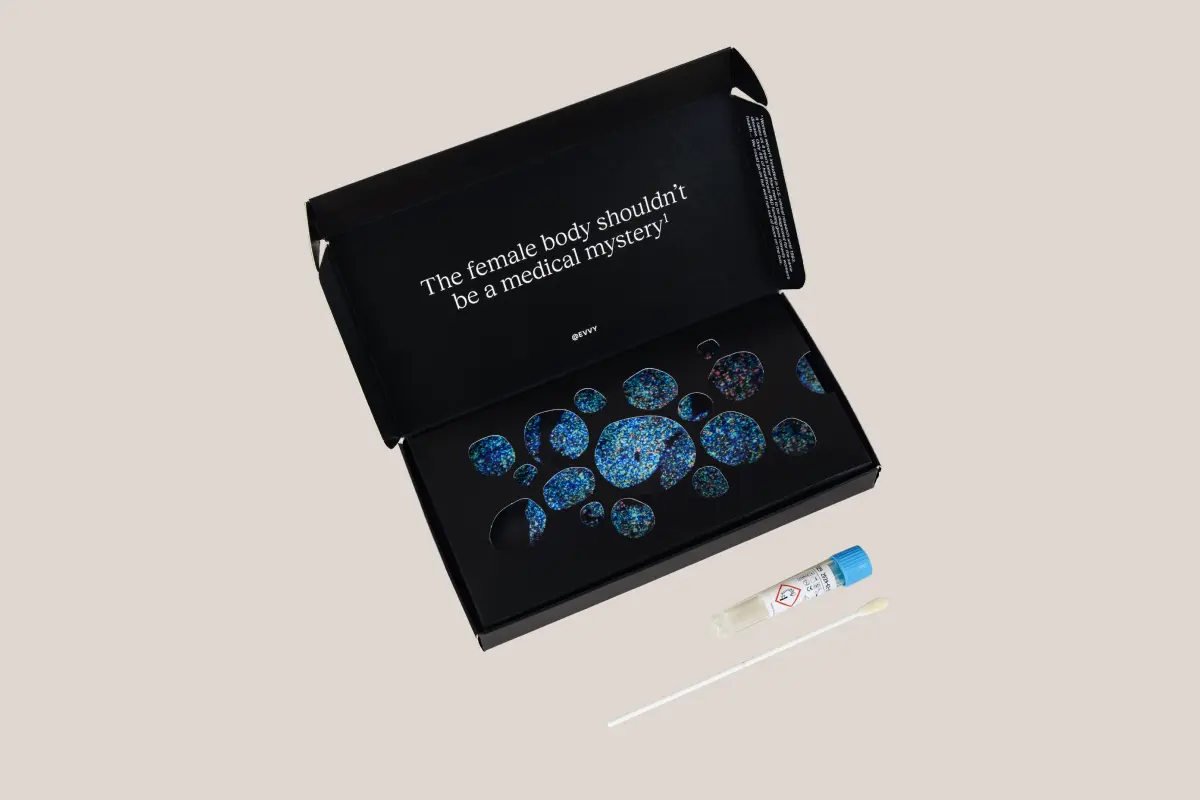
Get advanced insights into symptoms, fertility, and other health outcomes. Prelim results in 1-3 days.

IC and UTIs share a lot of the same symptoms, but they're treated completely differently. Here's how to tell them apart and what to do next.
Words by Olivia Cassano
Scientifically edited by Dr. Krystal Thomas-White, PhD
Medically reviewed by Dr. Kate McLean MD, MPH, FACOG
Two conditions that share many symptoms are urinary tract infections (UTIs) and interstitial cystitis (IC). They can feel almost identical, but they're very different in terms of what's actually going on in your body, and they require completely different treatment approaches.
In this article, we'll break down the key symptom differences between IC and UTIs, how each condition is diagnosed and treated, when the two can overlap, and how to figure out which one you might actually be dealing with. And because a UTI is often the first thing to rule out, Evvy's UTI+ Test can be a useful starting point when your symptoms are ambiguous.
Both interstitial cystitis and UTIs affect the bladder and urinary tract, and both can cause serious discomfort. But beyond that shared address in your body, they're quite different conditions.
A urinary tract infection is a bacterial infection. It happens when bacteria (most often E. coli from the gut) enter the urethra and multiply in the urinary tract, which includes the urethra, bladder, and sometimes the kidneys. UTIs are acute infections, meaning they have a clear cause (bacteria) and a clear treatment (antibiotics).
Interstitial cystitis, sometimes called bladder pain syndrome or painful bladder syndrome, is a chronic inflammatory condition. There's no bacterial infection involved. Instead, it's characterized by ongoing inflammation of the bladder wall, often accompanied by pelvic pain and urinary urgency that persists for months or years. IC isn’t curable, but it is manageable.
Both conditions are much more common in people with vaginas due to the anatomy involved. A shorter urethra allows bacteria to reach the bladder more easily, which is why urinary tract infections occur much more frequently in women than in men. Additionally, studies show that women are much more likely to be affected by IC compared to men, although the reasons for this difference are not fully understood.
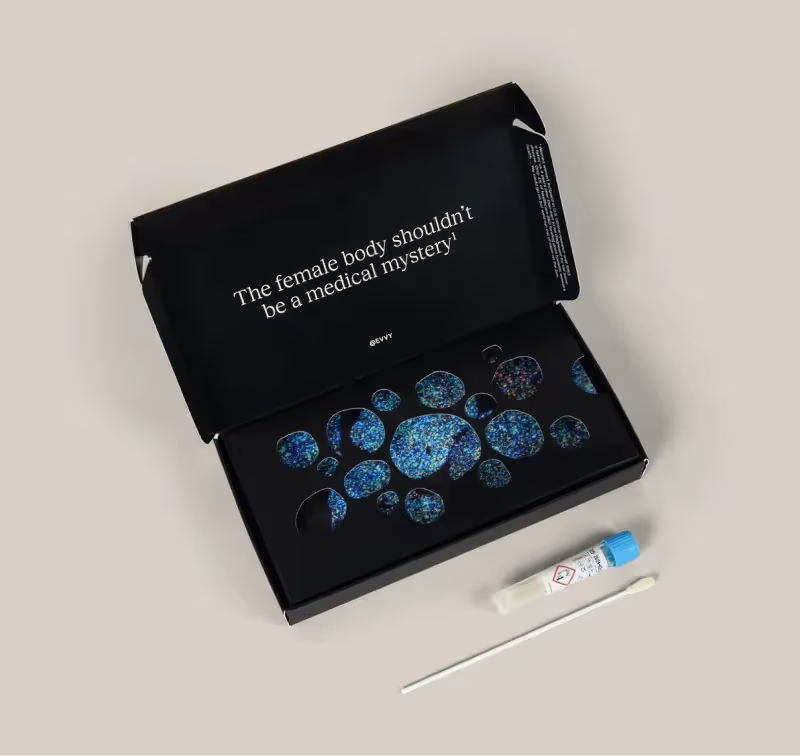
Recurrent symptoms? Get Evvy's at-home vaginal microbiome test, designed by leading OB-GYNs.
Most urinary tract infections are caused by Escherichia coli (E. coli), a type of bacteria that normally lives in the gut but can migrate to the urethra and bladder. From there, it can travel upward into the ureters and kidneys if left untreated.
A few things can increase your risk of getting a urinary tract infection:
Less commonly, UTIs can be caused by other bacteria, fungi, or viruses, which is why comprehensive testing matters, especially for recurrent or treatment-resistant cases.
The honest answer is that researchers still don't fully understand what causes IC. What we do know is that it involves chronic inflammation of the bladder lining, which can damage the protective layer of the bladder wall and allow irritants in the urine to trigger pain signals.
There are several interesting theories about what causes IC. Some ideas include autoimmune issues, heightened nerve sensitivity, mast cell activation, and changes in the bladder's protective lining (known as the glycosaminoglycan layer). It’s also possible that genetics play a role. Since IC is a diagnosis of exclusion, it could be that different people have different baseline causes that result in the same set of symptoms.
Importantly, IC isn’t caused by bacteria, although infections might sometimes trigger a flare-up. Diagnosis is often a process of exclusion, requiring tests such as urinalysis, urine culture, and cystoscopy to rule out other conditions, including UTIs and sexually transmitted infections (STIs).
Here's where things get confusing. IC and UTIs share a lot of the same symptoms, which is why IC is frequently misdiagnosed (often for years).
Both conditions can cause:
The key differences tend to show up in the duration, pattern, and triggers, not just the symptoms themselves.
With a urinary tract infection, symptoms come on suddenly, are typically intense, and usually resolve within a few days of antibiotic treatment. You might also notice cloudy or strongly smelling urine and occasionally blood in your urine.
With IC, symptoms are chronic — they last for at least 6 weeks (often much longer) and don't respond to antibiotics, because there's no infection to treat. Pain may come and go in flares rather than being constant.
A UTI usually announces itself pretty clearly: a sudden burning sensation when you pee, urgency, and sometimes pelvic pressure or lower back pain if the infection has spread. Symptoms tend to escalate quickly over hours or days.
IC can be harder to recognize at first because symptoms may build more gradually or fluctuate. Early IC often presents as a vague sense of bladder pressure or discomfort, recurring urgency without obvious infection, or pain that gets worse as the bladder fills and briefly relieves after peeing, only to return. Many people with IC are initially told they have a UTI, treated with antibiotics that don't help, and sent home confused.
If you've had multiple courses of antibiotics for what seems like a UTI but symptoms keep coming back (especially without a confirmed positive culture), IC is worth discussing with your provider.
One of the defining features of IC is that symptoms can be triggered or worsened by specific factors. Common IC triggers include:
Symptom overlap makes self-diagnosis tricky, which is why testing is such an important part of the picture. The most clinically useful first step is confirming whether or not an infection is actually present.
A standard urine dipstick test (the kind done quickly at your doctor's office) can miss a lot. It checks for markers like white blood cells and nitrites, but it doesn't always accurately identify the specific bacteria involved, and it can produce false positives or negatives. A urine culture is more accurate but takes several days.
That's where at-home testing can make a real difference. If you can quickly and accurately rule in or out a bacterial infection, you're already ahead. Either you have the confirmation you need to start antibiotics, or you have a reason to push your provider for further investigation into IC or another underlying cause.
Knowing which one you're dealing with also matters because treating IC with antibiotics (as though it were a UTI) does nothing to relieve symptoms, and repeated unnecessary antibiotic use can disrupt your microbiome and contribute to antibiotic resistance.
Evvy's UTI+ Test is an at-home PCR test that goes beyond what a standard dipstick or urine culture can tell you. Rather than just checking for general markers of infection, it identifies the specific pathogens present in your urine, including bacteria and yeast, using advanced molecular testing.
Here's how it works: you collect a urine sample at home following the instructions in your kit, then send it to Evvy's partner lab in a prepaid return envelope. Results are returned within 1 working day, along with a clear breakdown of what was found. A care team can also help you understand your results, and if eligible, an Evvy-affiliated provider will prescribe targeted medication for your UTI.
The benefit of this level of detail is that it doesn't just tell you whether you have a UTI; it tells you exactly which pathogen is responsible. That matters for selecting the right antibiotic and avoiding situations where you're prescribed a drug that the bacteria are resistant to. It also gives you a clear answer if nothing is found, which is an important signal in itself.
If your UTI+ Test comes back negative, that in itself is valuable information. It means your symptoms are likely due to a different cause, and IC becomes much more worth exploring with a specialist.
Your vaginal microbiome and your bladder health are more connected than most people realize. Emerging research suggests that the bacteria living in the vagina can directly influence the urinary tract. A vaginal microbiome dominated by Lactobacillus (the "good" bacteria) helps maintain an acidic environment that protects against both vaginal and urinary infections. When Lactobacillus levels drop and other microbes take over (a condition called dysbiosis), the risk of recurrent UTIs increases. Some research even suggests connections between certain microbial imbalances and bladder inflammation.
This means that if you're dealing with recurring urinary symptoms — whether UTIs, IC flares, or something in between — understanding your vaginal microbiome can be a piece of the puzzle that conventional testing misses entirely.
Evvy's Vaginal Health Test uses PCR technology to map the bacteria and fungi in your vaginal microbiome at the species level. It can reveal dysbiosis, low Lactobacillus, or the presence of microbes associated with increased inflammation and infection risk. Pairing this with the UTI+ Test gives you a much more complete picture of what's driving your symptoms.
This is the crux of why getting the right diagnosis matters so much: the treatments for IC and UTIs are completely different. Using the wrong approach doesn't just fail to help; it can actively make things worse.
If you have a UTI and you're not treated with the right antibiotic, the infection can spread to the kidneys, a more serious condition (pyelonephritis) that requires more intensive treatment. On the flip side, if you have IC and keep taking antibiotics that do nothing, you're exposing yourself to side effects and microbiome disruption for no benefit.
Always seek professional medical advice before starting any treatment. An accurate diagnosis is the necessary first step.
UTIs are treated with antibiotics. The specific antibiotic depends on which bacteria are causing the infection and, ideally, which drugs that particular strain is susceptible to (this is where culture-based or PCR testing is especially useful).
Common antibiotics prescribed for uncomplicated UTIs include nitrofurantoin, trimethoprim-sulfamethoxazole, and fosfomycin. Most uncomplicated UTIs resolve within 3 to 7 days with appropriate treatment.
If you have chronic UTIs, which means you’ve had two or more infections in 6 months or three or more in a year, your doctor may suggest long-term options. These may include taking low-dose antibiotics regularly, using antibiotics after sex, or addressing any underlying issues with your body’s bacteria. Topical estrogen may help older women restore healthy vaginal flora and reduce harmful bacteria in their urinary tract, decreasing the risk of UTIs.
IC has no cure, but symptoms can often be managed with a combination of approaches. Because IC varies so much from person to person, treatment usually requires some trial and error. Common IC management strategies include:
Some urinary symptoms warrant prompt medical attention, and others suggest you may benefit from specialist care rather than another round of antibiotics. See a healthcare provider right away if you experience:
Push for a specialist referral (ideally a urologist or urogynecologist) if:
Chronic bladder symptoms are common, but they're not something you should have to simply live with. An accurate diagnosis is the foundation of effective management, and it's worth advocating for.
Symptoms of both interstitial cystitis and UTIs can include urgency, frequency, and pelvic pain, making it challenging to distinguish between the two conditions without proper testing. The most reliable way to differentiate between the two is testing. A PCR-based urine test like Evvy’s UTI+ Test can confirm whether a bacterial or yeast infection is present. If the test shows no infection but symptoms continue for 6 weeks or more, interstitial cystitis (IC) is more likely. In this case, you should see a urologist for evaluation.
A UTI typically starts suddenly, with burning urination, frequent urgency, and sometimes lower abdominal or back pain. IC symptoms include chronic bladder pain, pressure, and increased urinary frequency, often worsening over time. UTI symptoms usually appear suddenly and improve with antibiotics, while IC symptoms are chronic, lasting for months or years.
UTI pain often feels like a sharp, burning feeling when you pee, along with a strong urge to go. On the other hand, IC pain is more about a constant pressure, ache, or discomfort in the pelvic or bladder area. Many say it feels like their bladder is always full or even a bit bruised. Some folks also notice that the discomfort can extend to the lower back, urethra, or vulva.
Yes, IC can cause pain or burning when you pee, which is one of the main reasons it gets confused with UTIs. The pain often worsens as the bladder fills and may partially ease right after peeing, only to return as the bladder fills again.
A straightforward UTI that is treated quickly usually doesn’t cause lasting damage to the bladder. However, if UTIs recur or become severe and go untreated, especially if they affect the kidneys, they can cause scarring or damage over time. Interstitial cystitis involves long-term inflammation of the bladder wall, which can reduce the bladder’s capacity and, over time, lead to structural changes.
Yes. People with IC can still get bacterial UTIs, and having a UTI can sometimes trigger an IC flare. This is one reason why testing is so important: a positive UTI test in someone with IC means they need antibiotics in addition to their usual IC management, not instead of it.
Pain levels can vary widely from person to person and change across the different stages of both conditions. Many people find interstitial cystitis to be quite a bit more disruptive compared to a typical UTI, mainly because the discomfort is chronic and doesn’t just fade away after a week of treatment. On the other hand, a severe UTI, especially if it affects the kidneys, can be incredibly painful as well. What’s most important is that both conditions receive the attention they deserve through proper diagnosis and treatment, rather than being brushed off as minor issues or as something that’s “just in your head.”